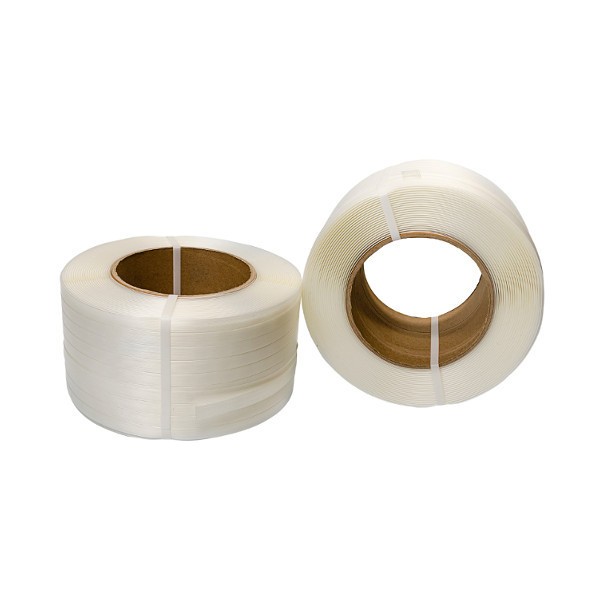
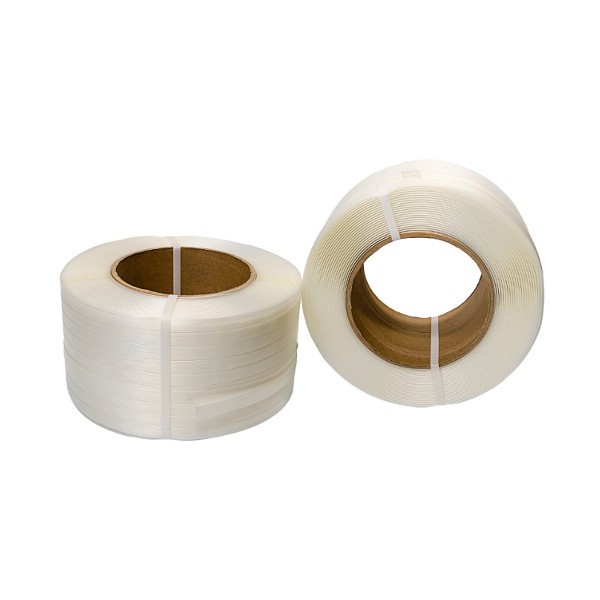
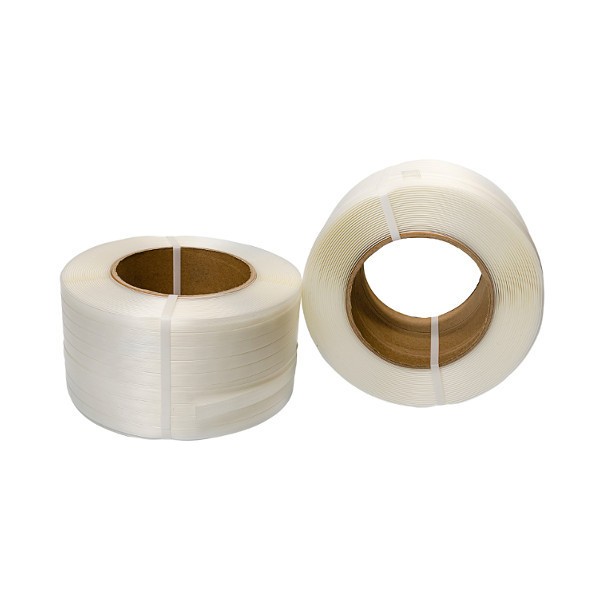
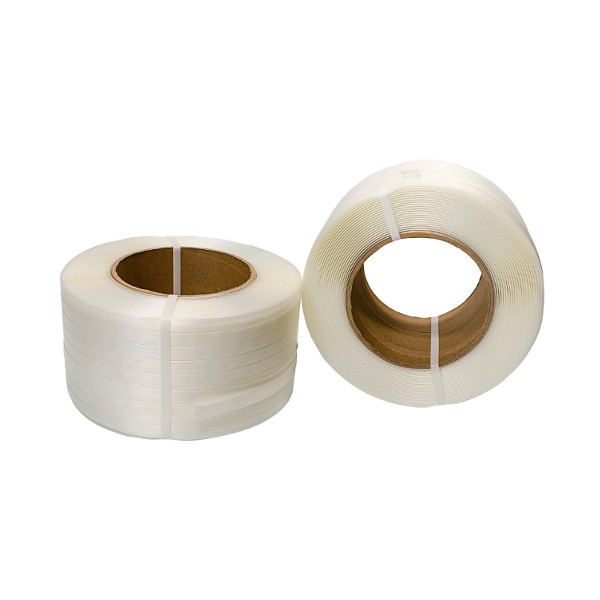
Current European (EN) standards applied to Delacco lifting and handling equipment, grouped by product type and application.
All machines and lifting accessories supplied by Delacco are CE marked and
designed, manufactured and verified in accordance with the Machinery
Directive 2006/42/EC and the applicable harmonised European standards
listed below. Standards are grouped by product type and application;
the editions shown are the current published editions.
Jib cranes, gantry cranes and crane structures
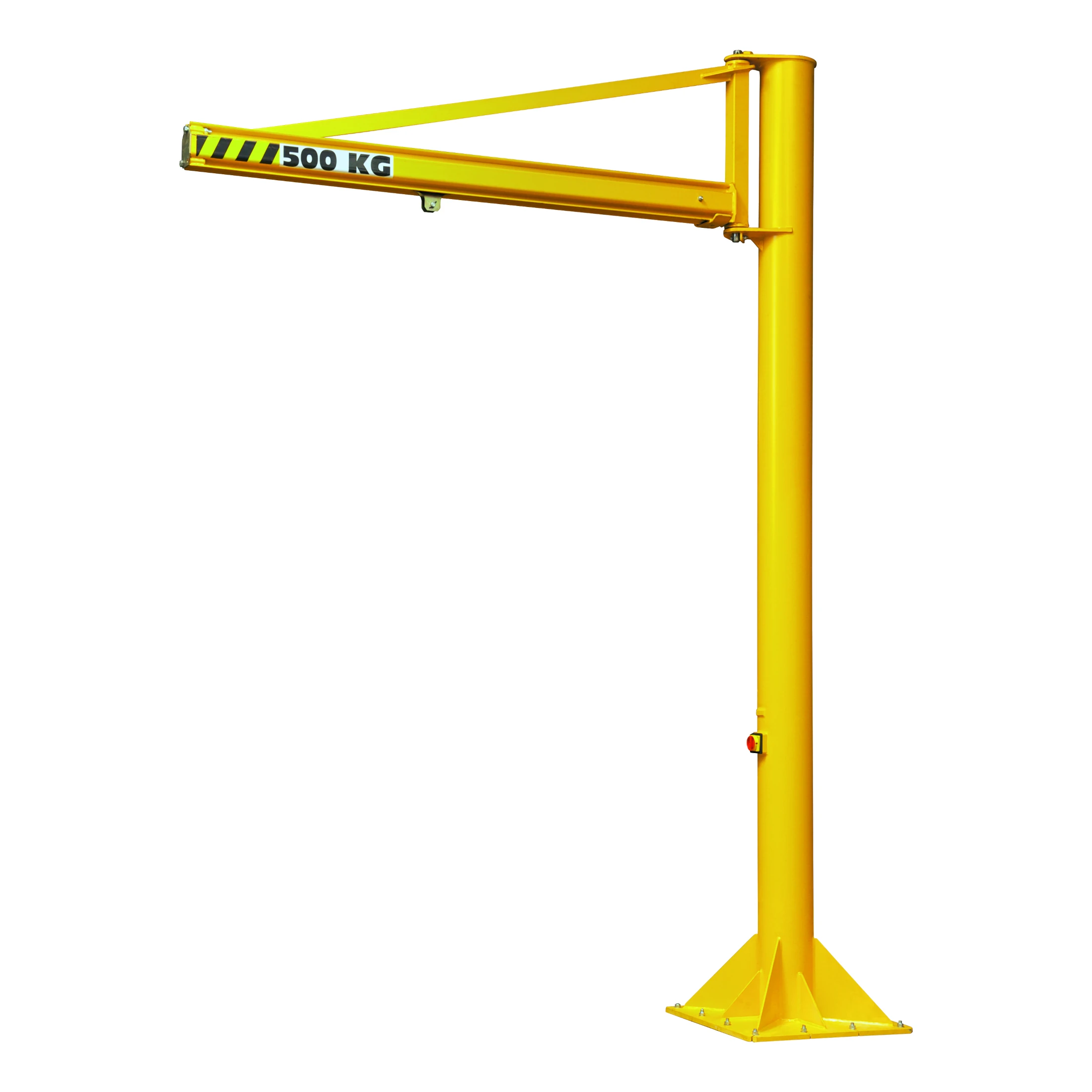
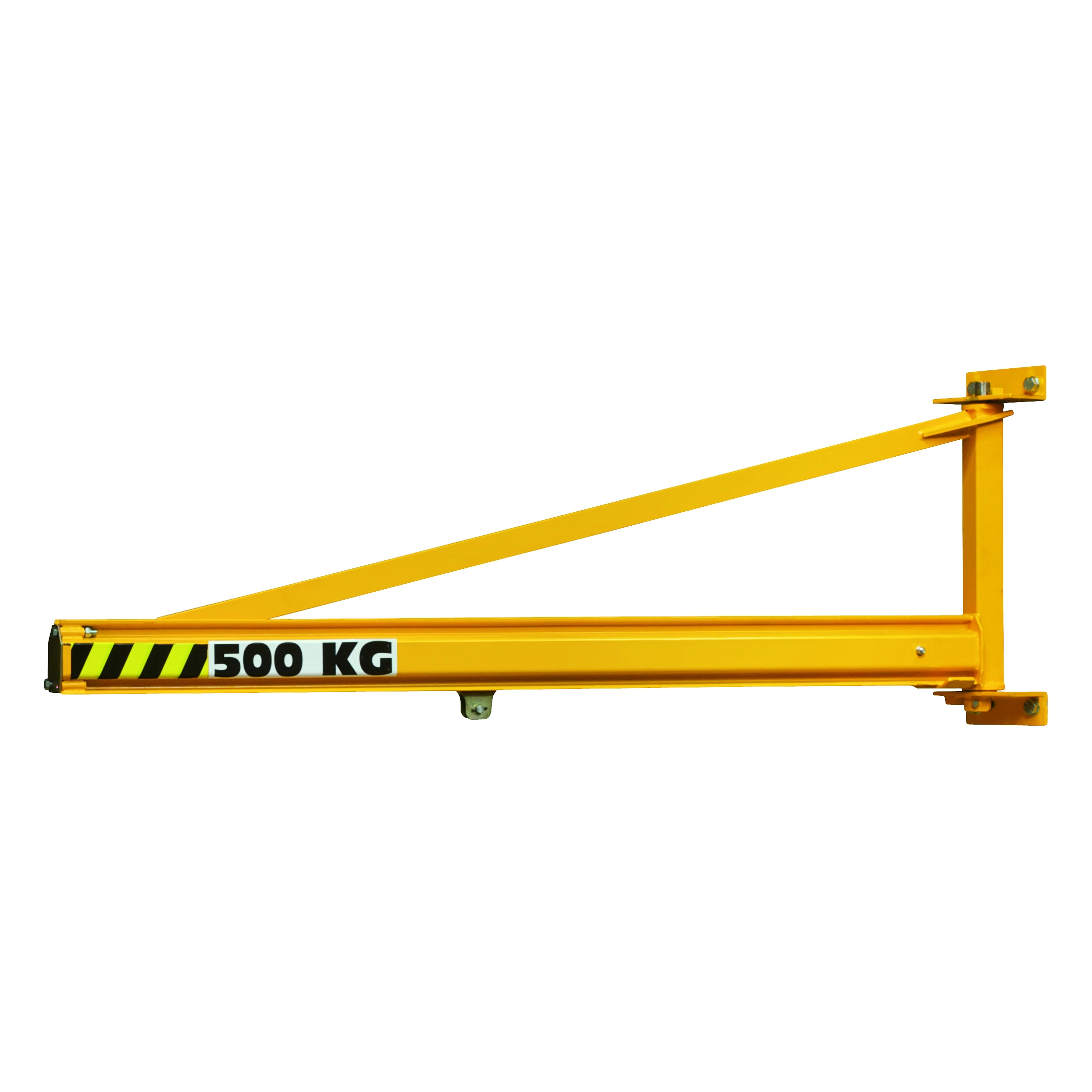
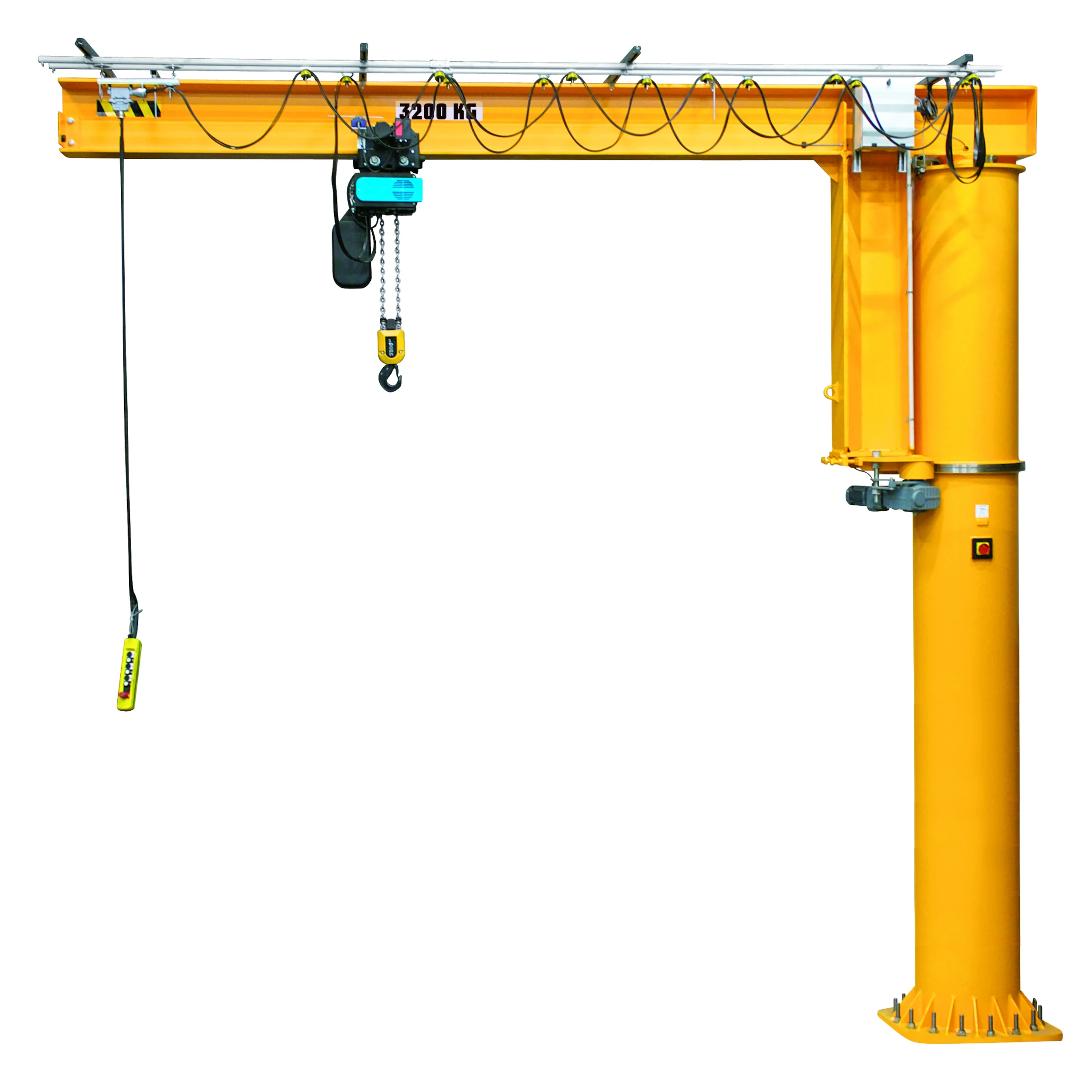
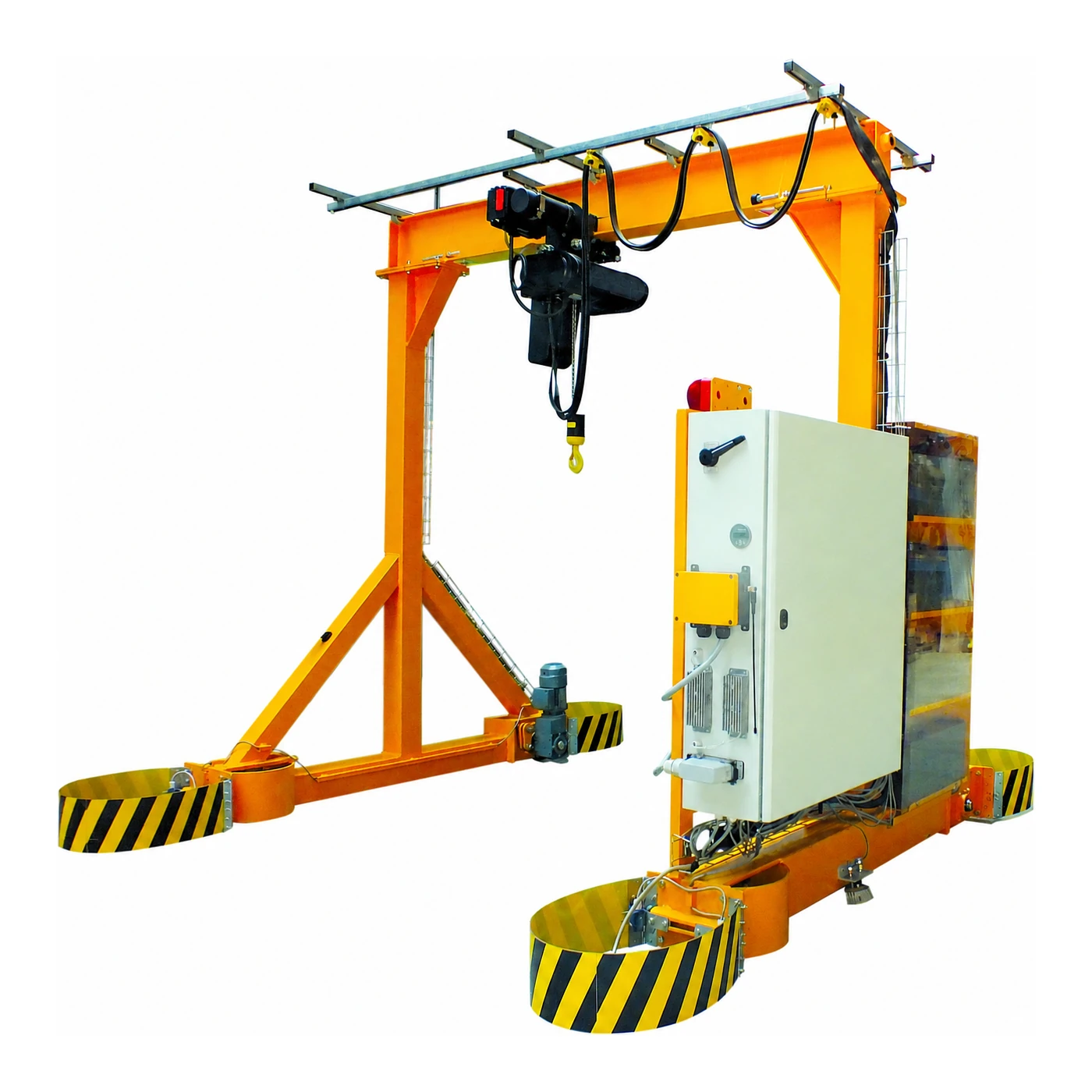
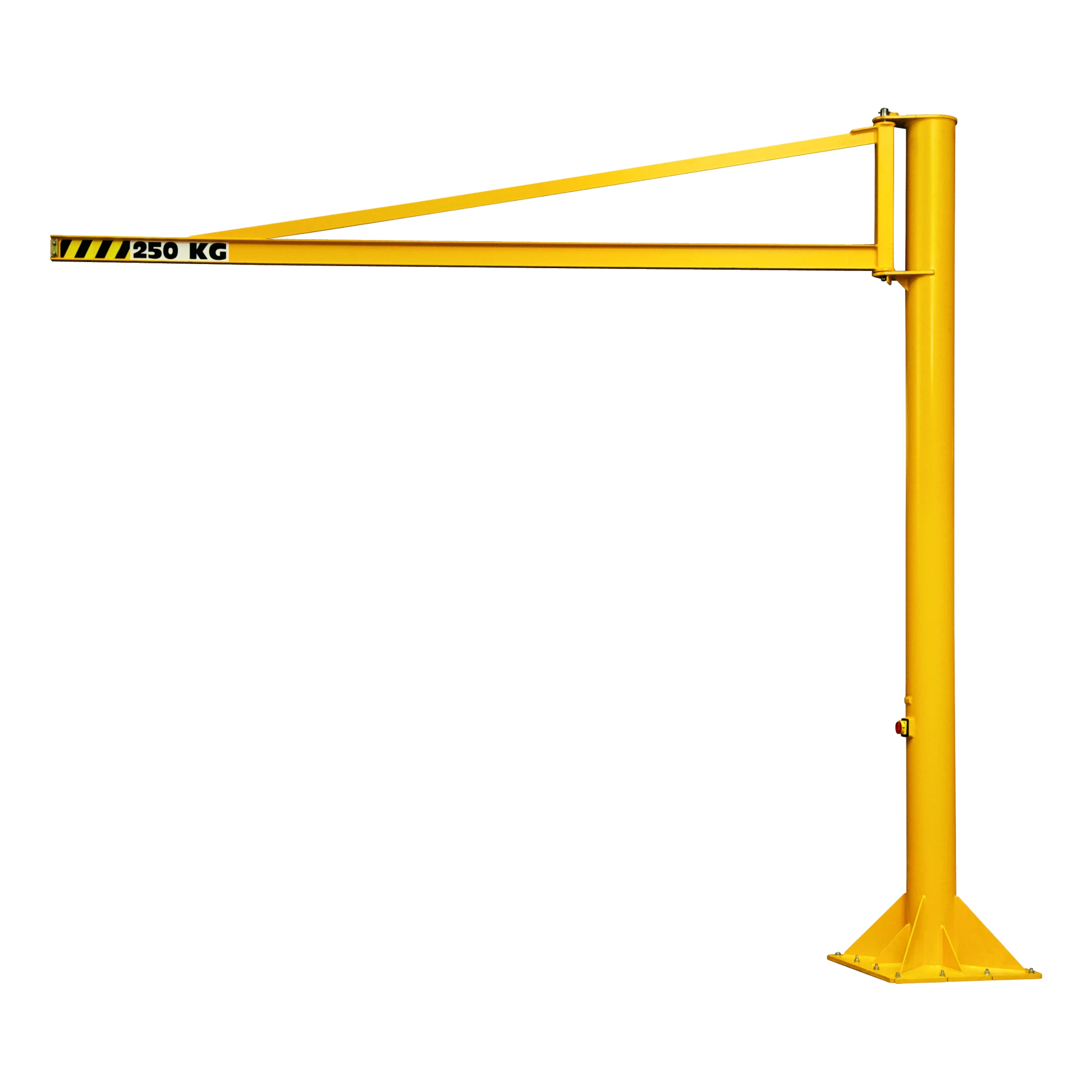
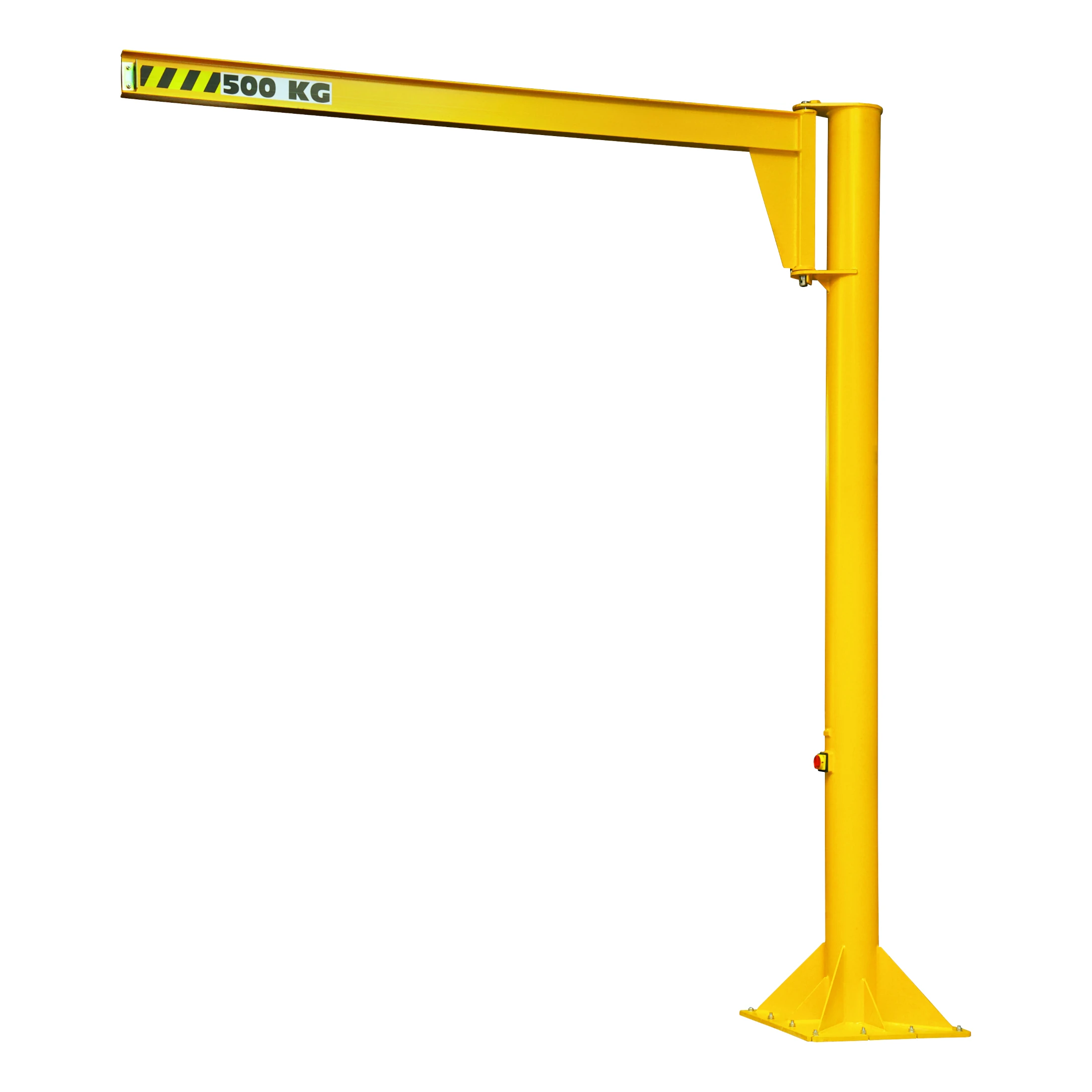
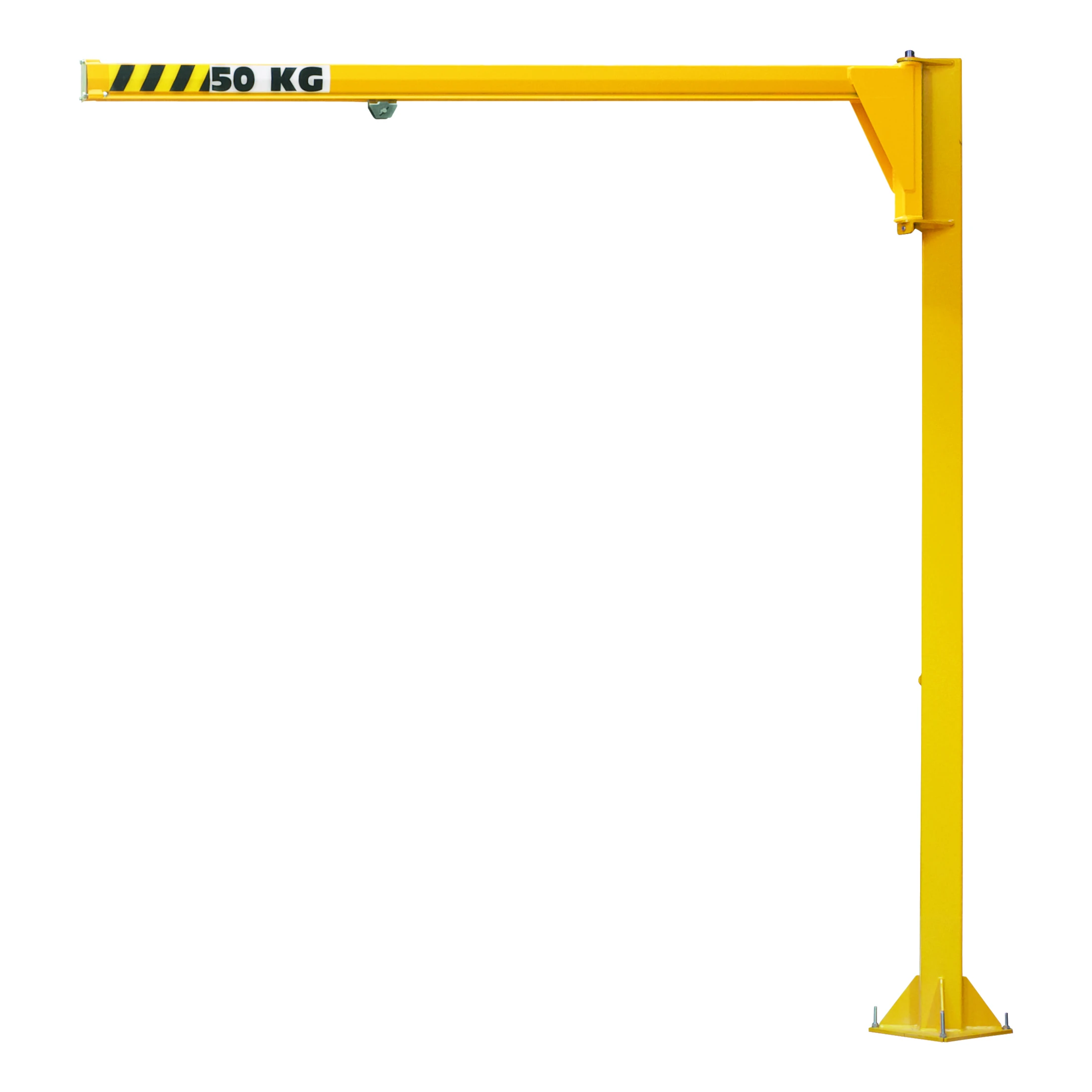
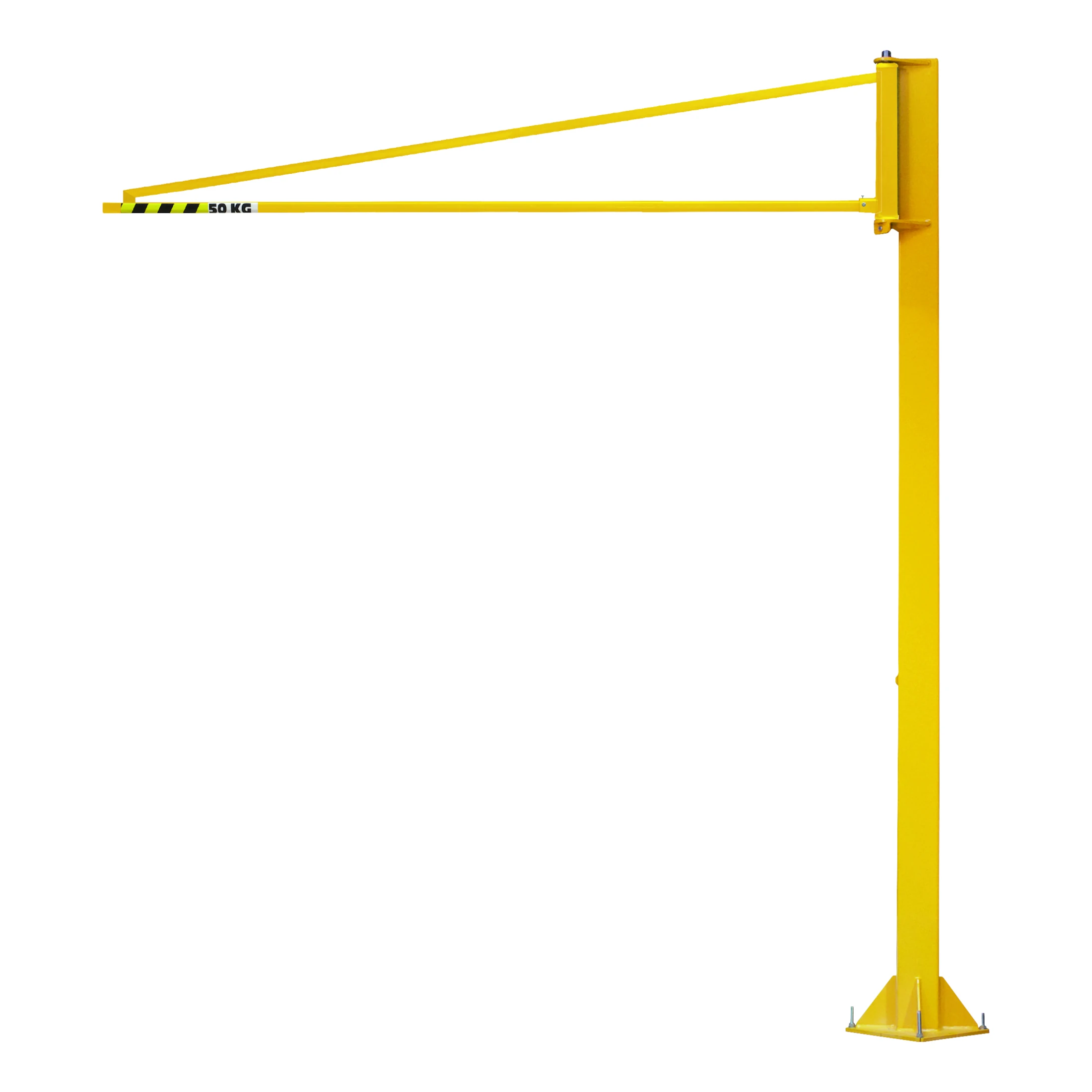
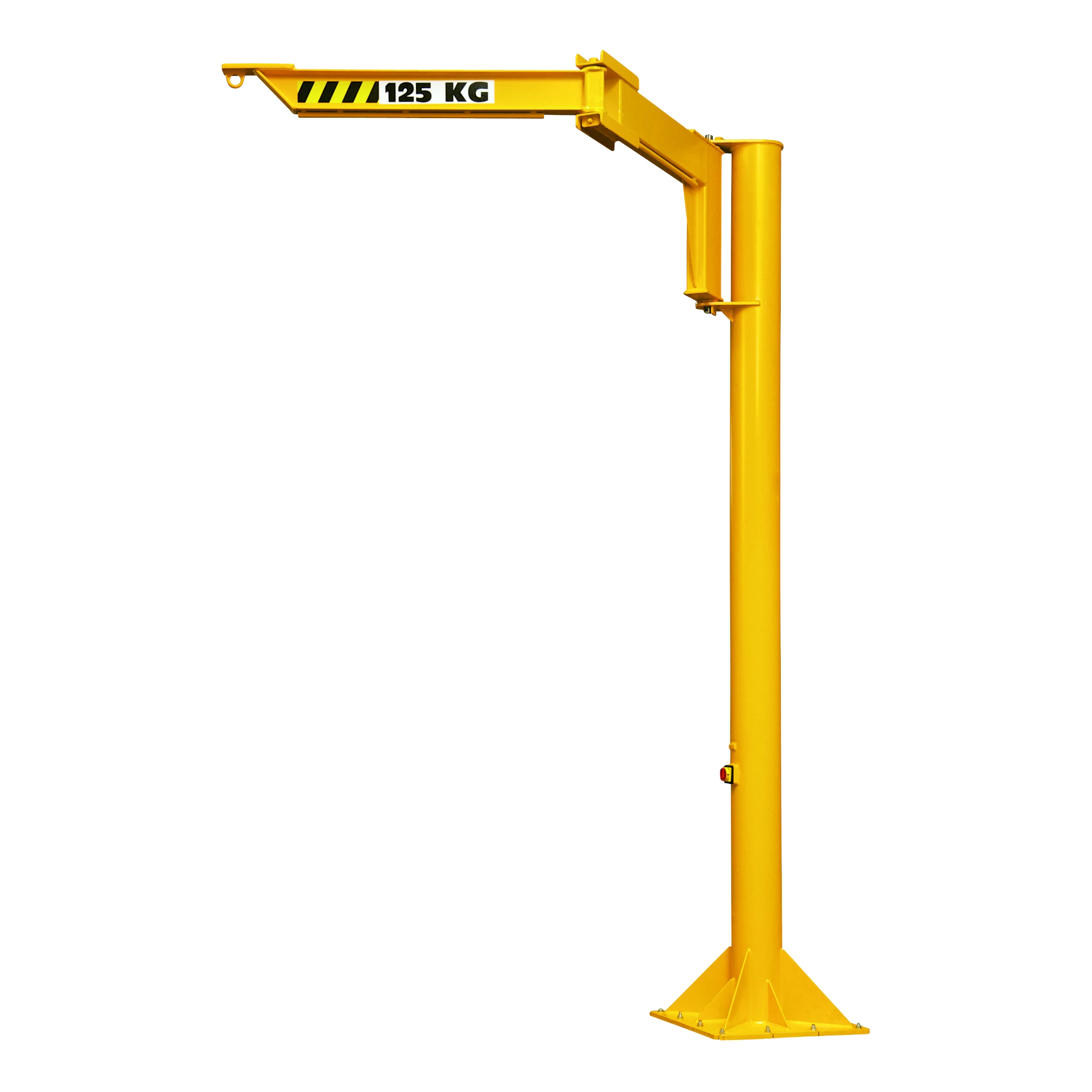
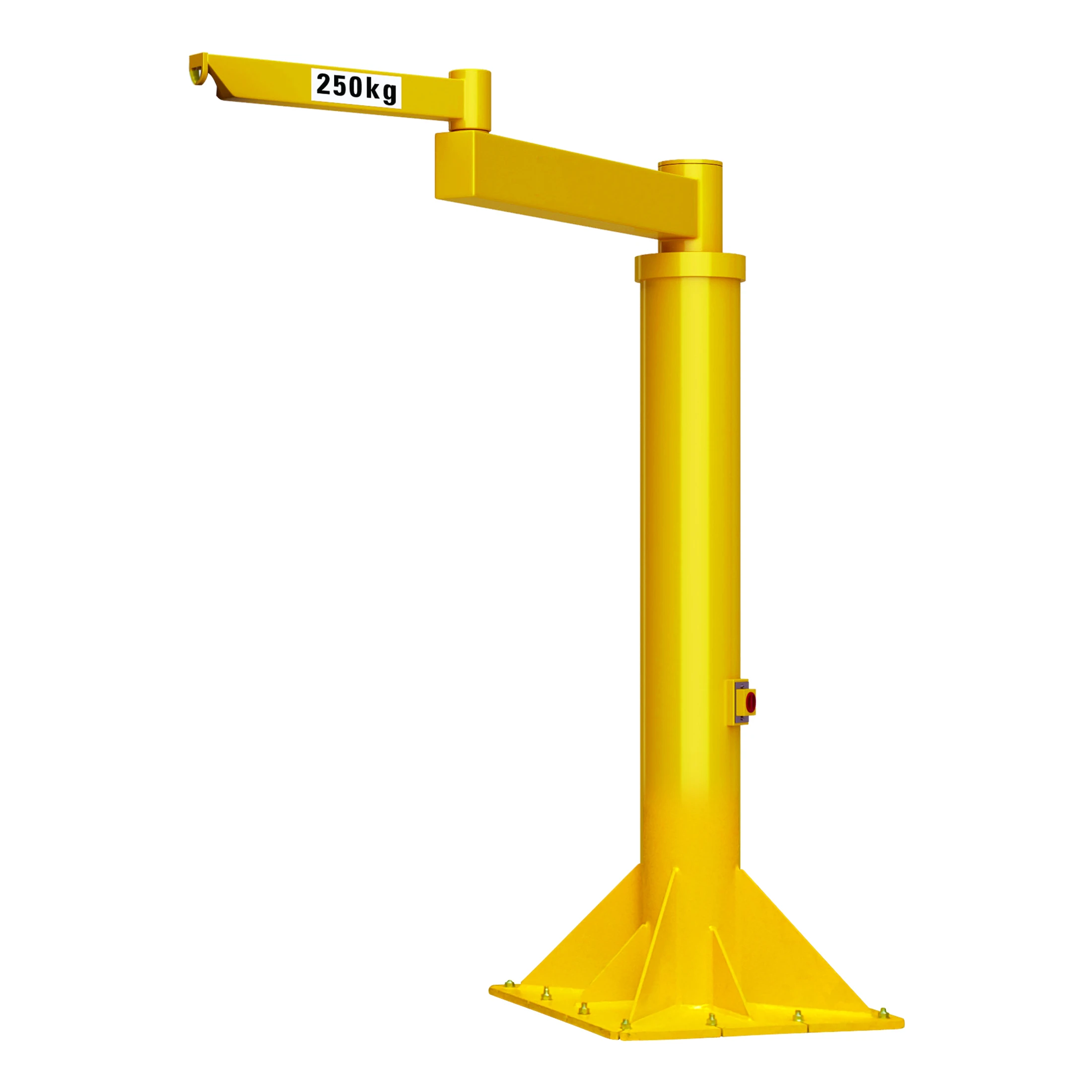
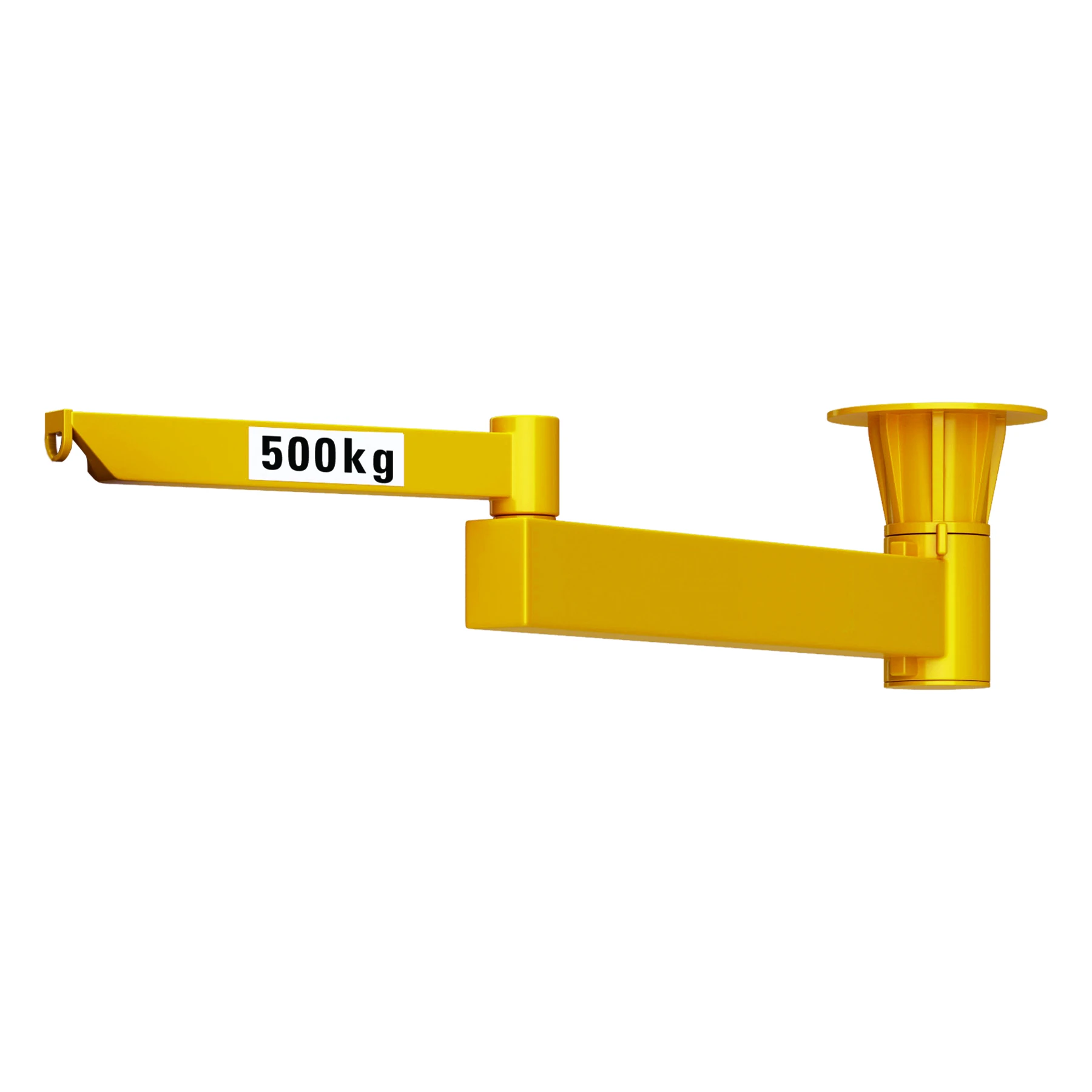
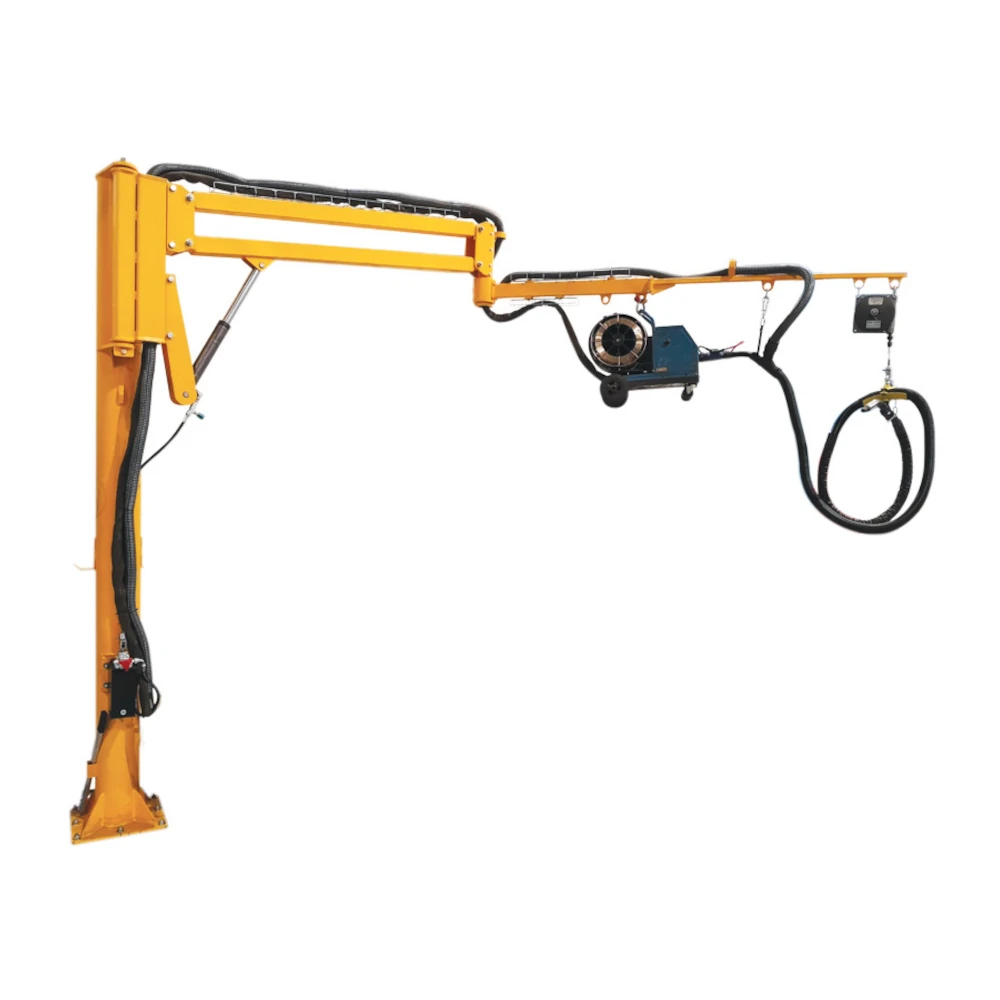
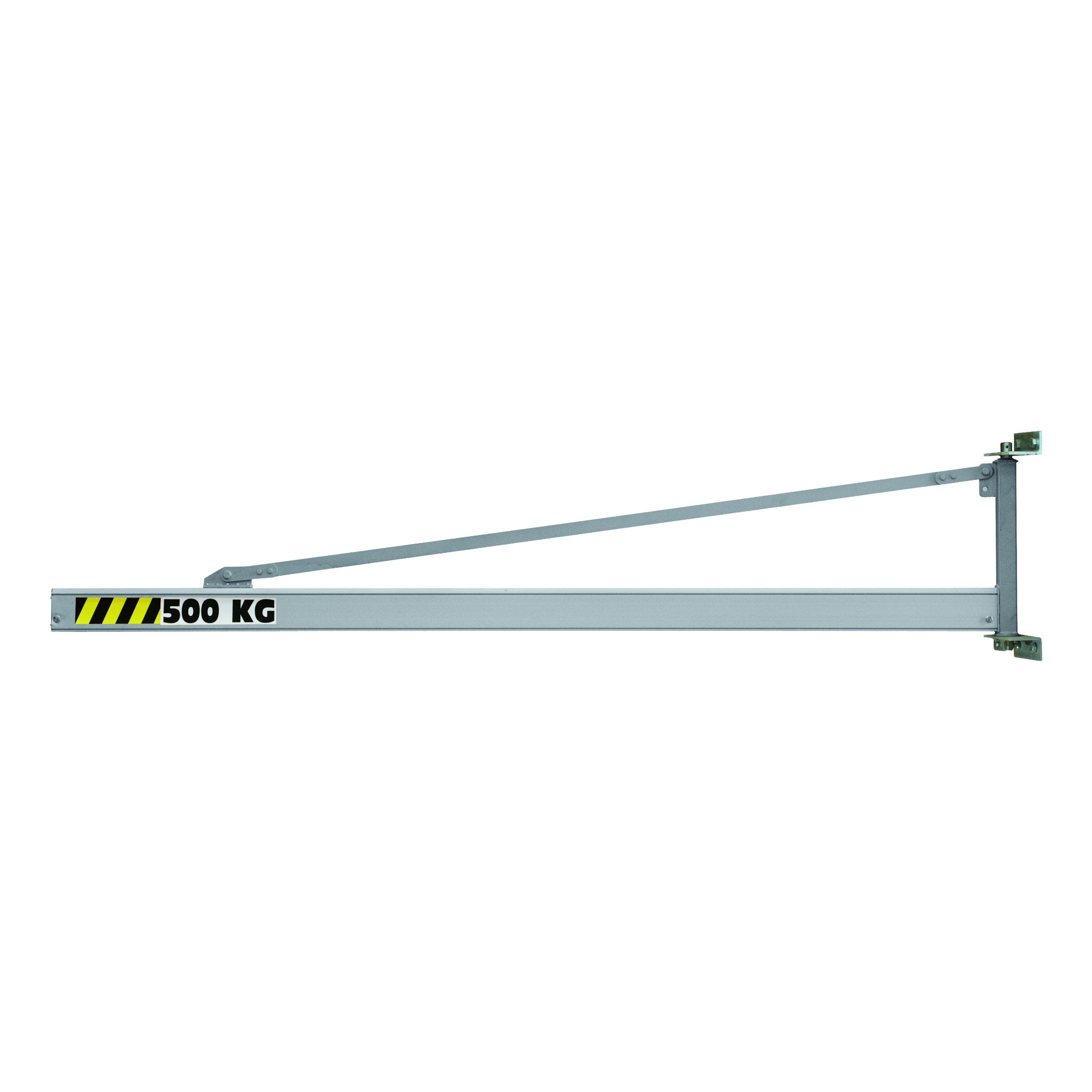
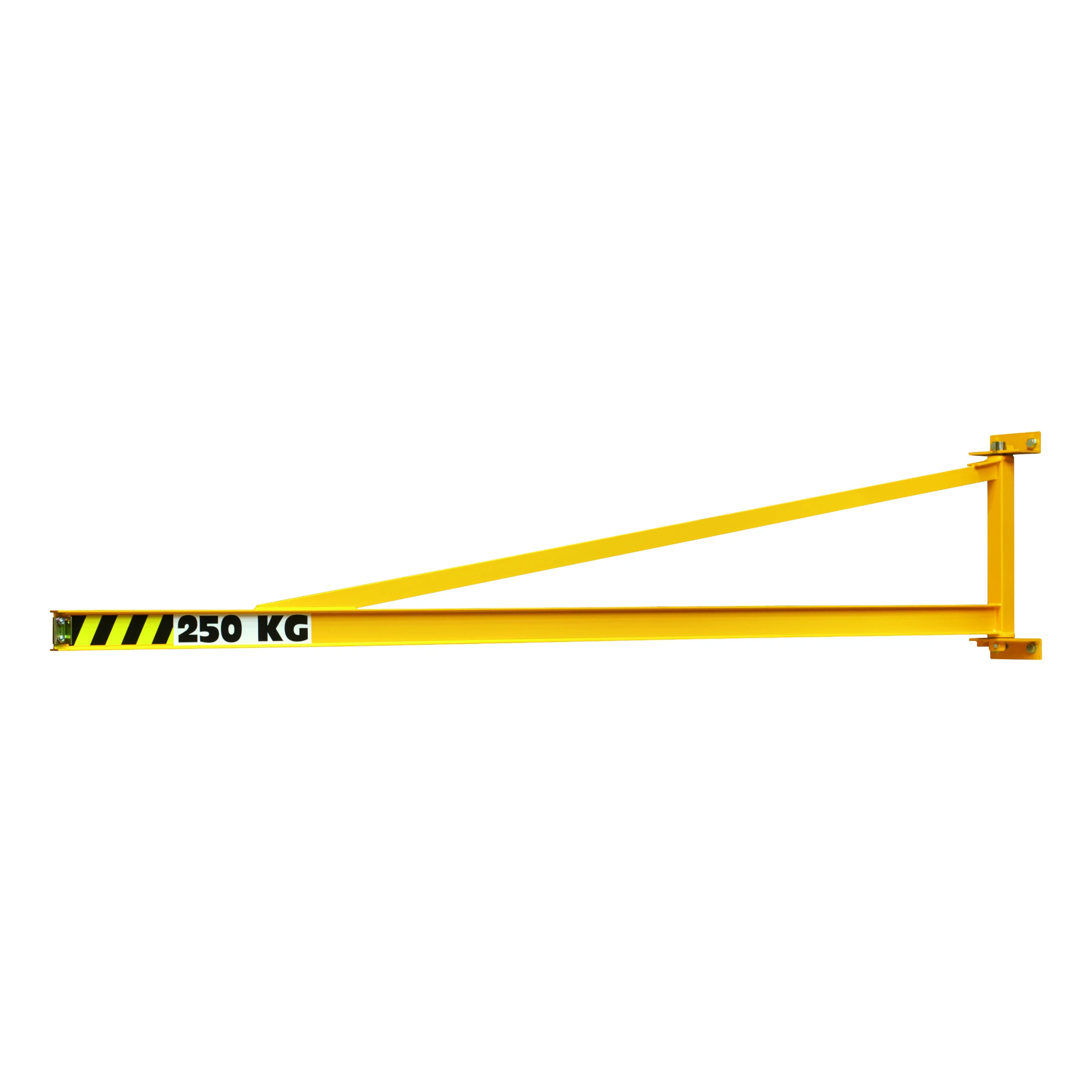
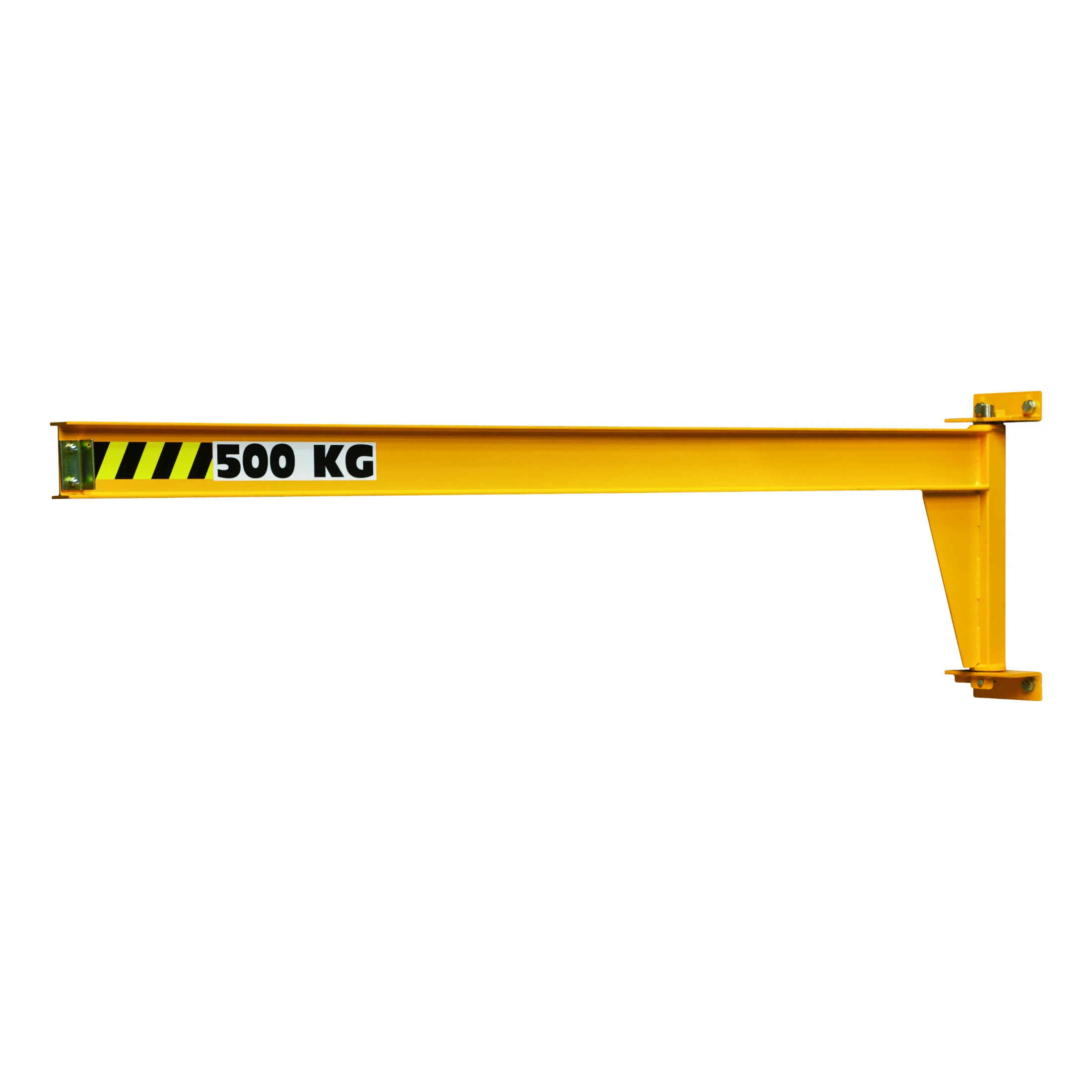
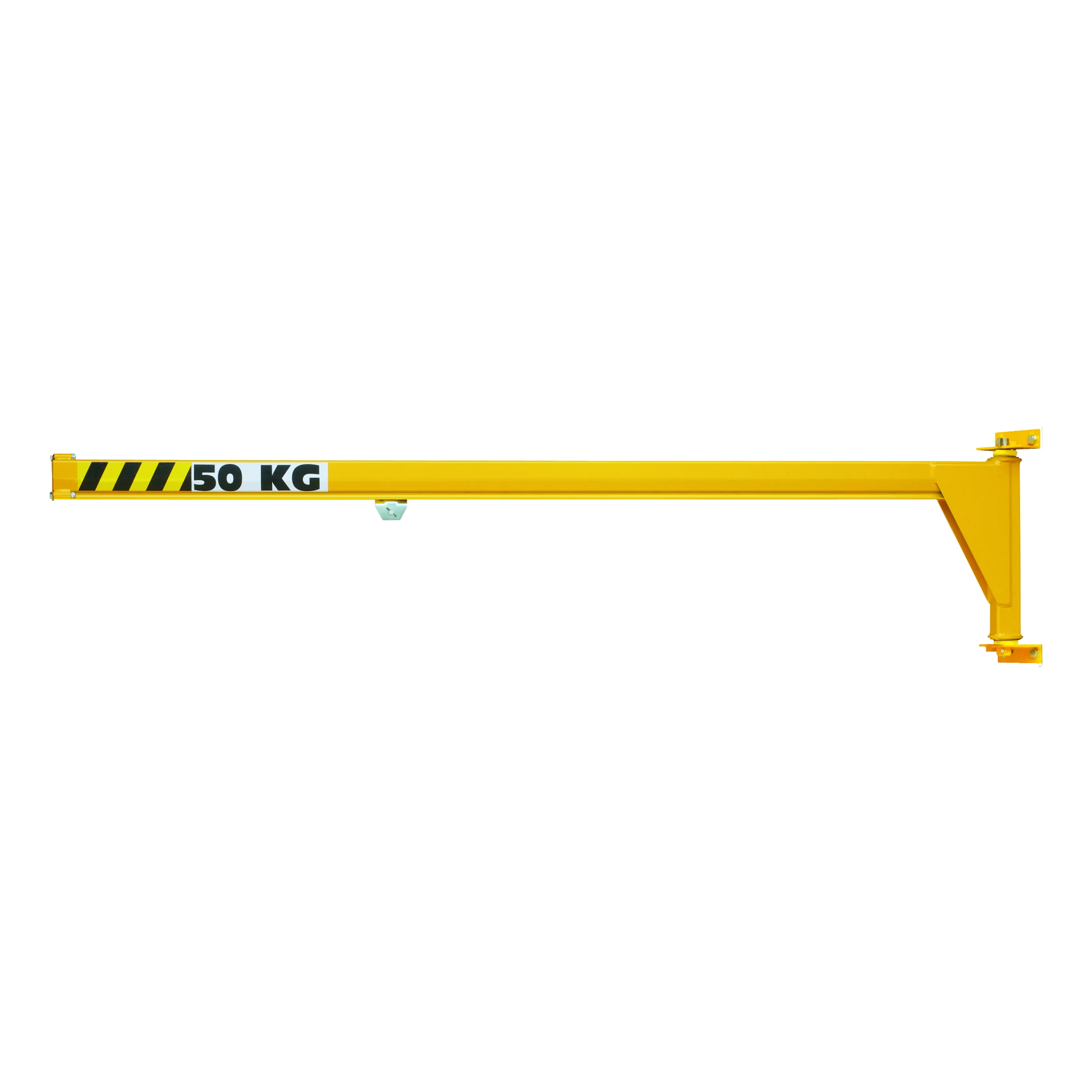
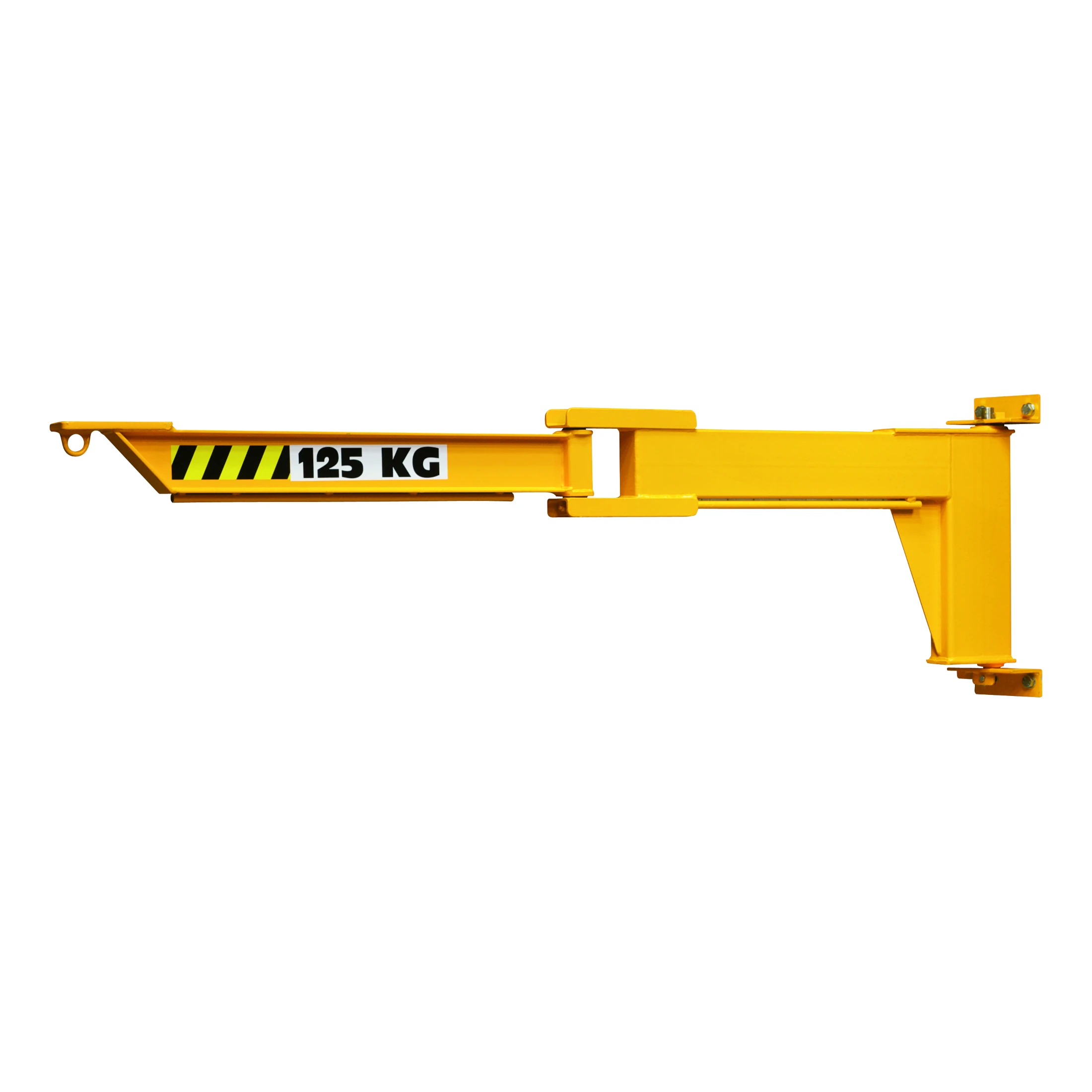
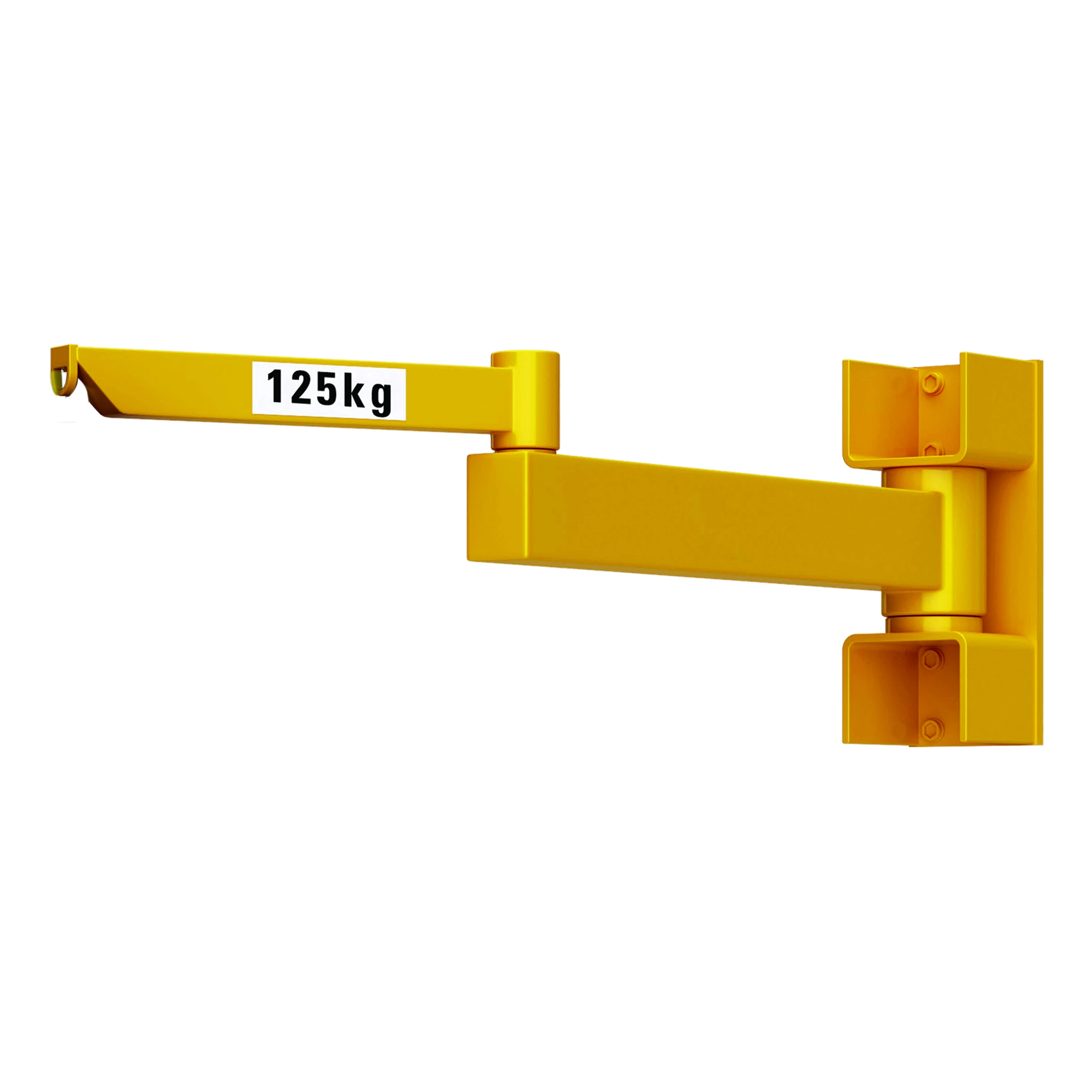
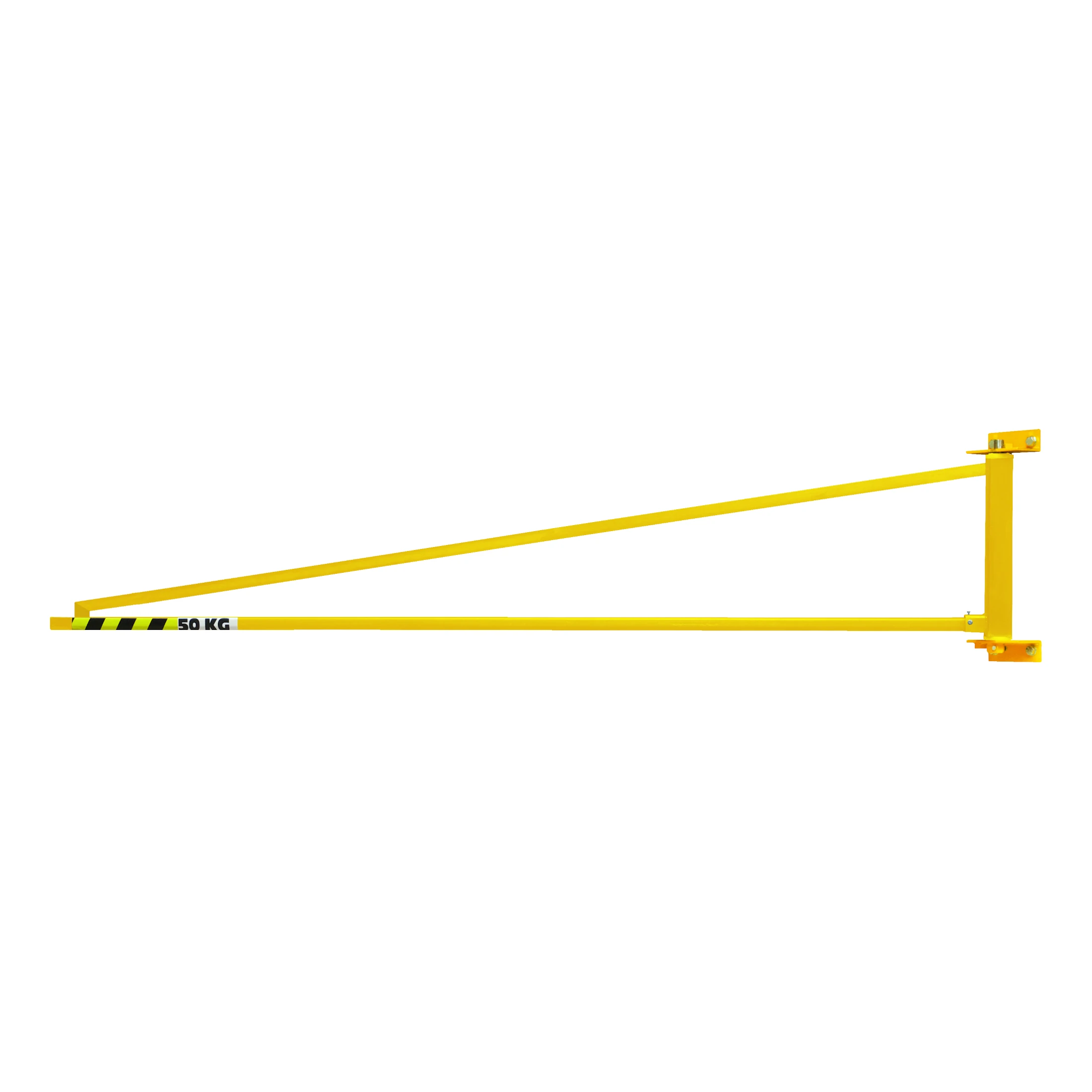
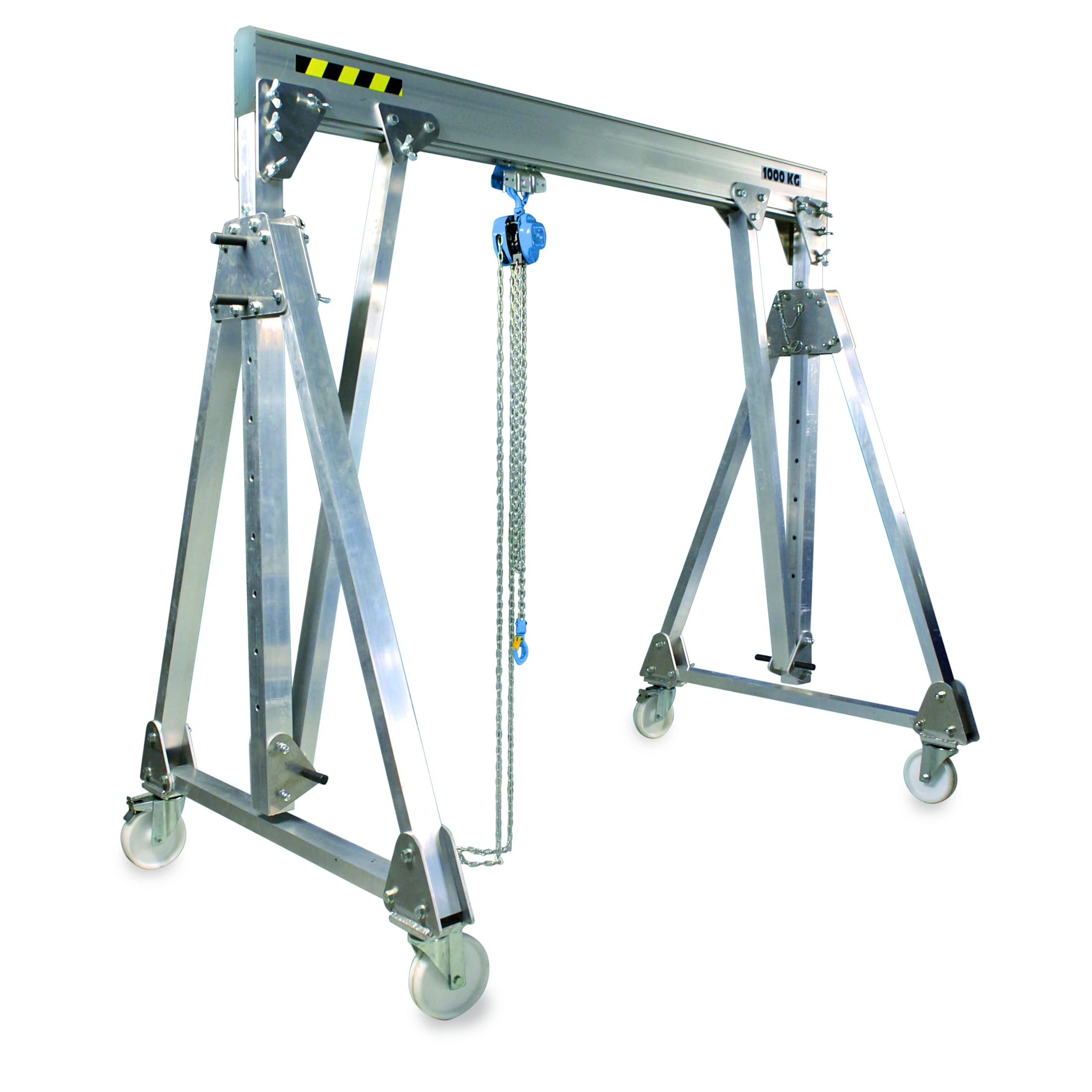
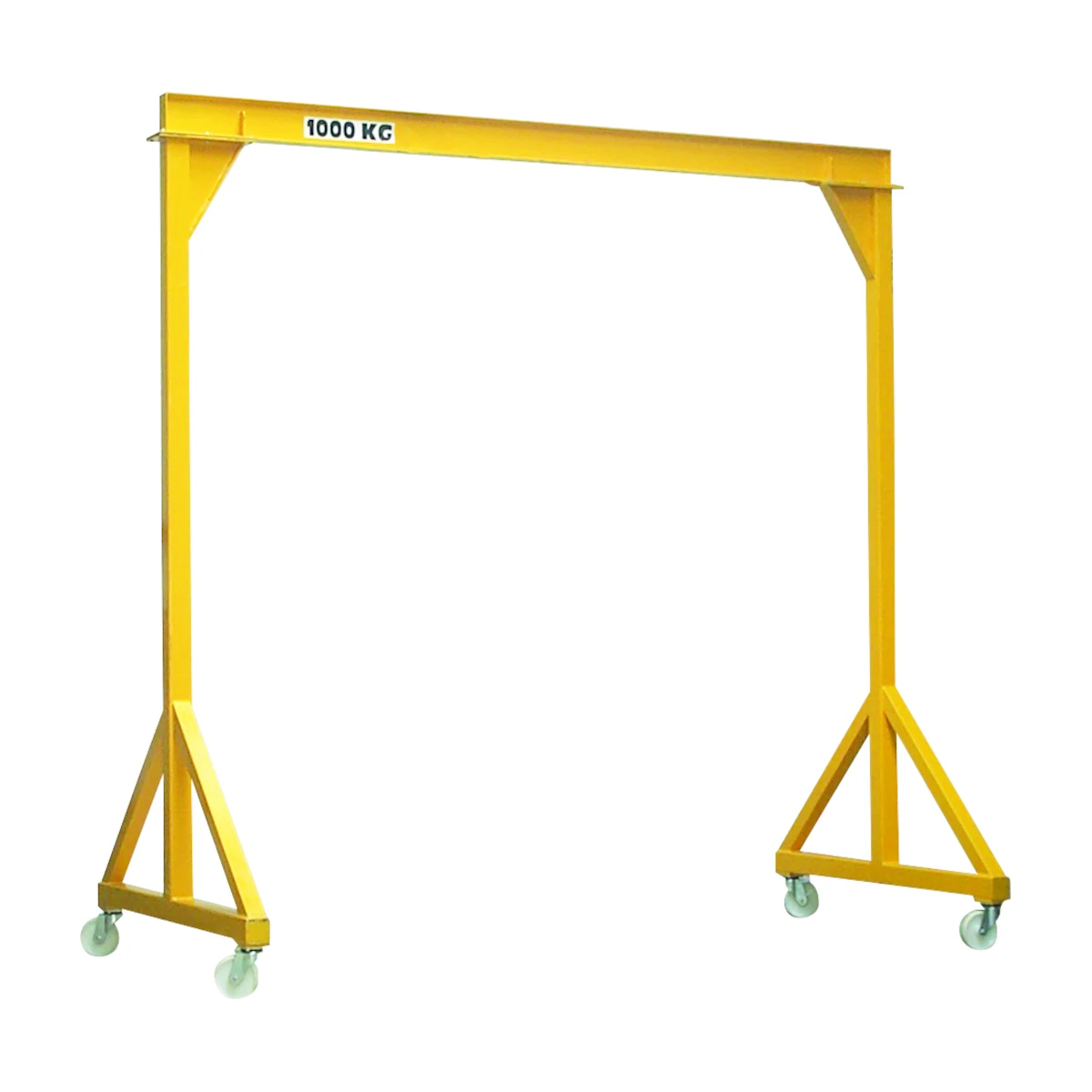
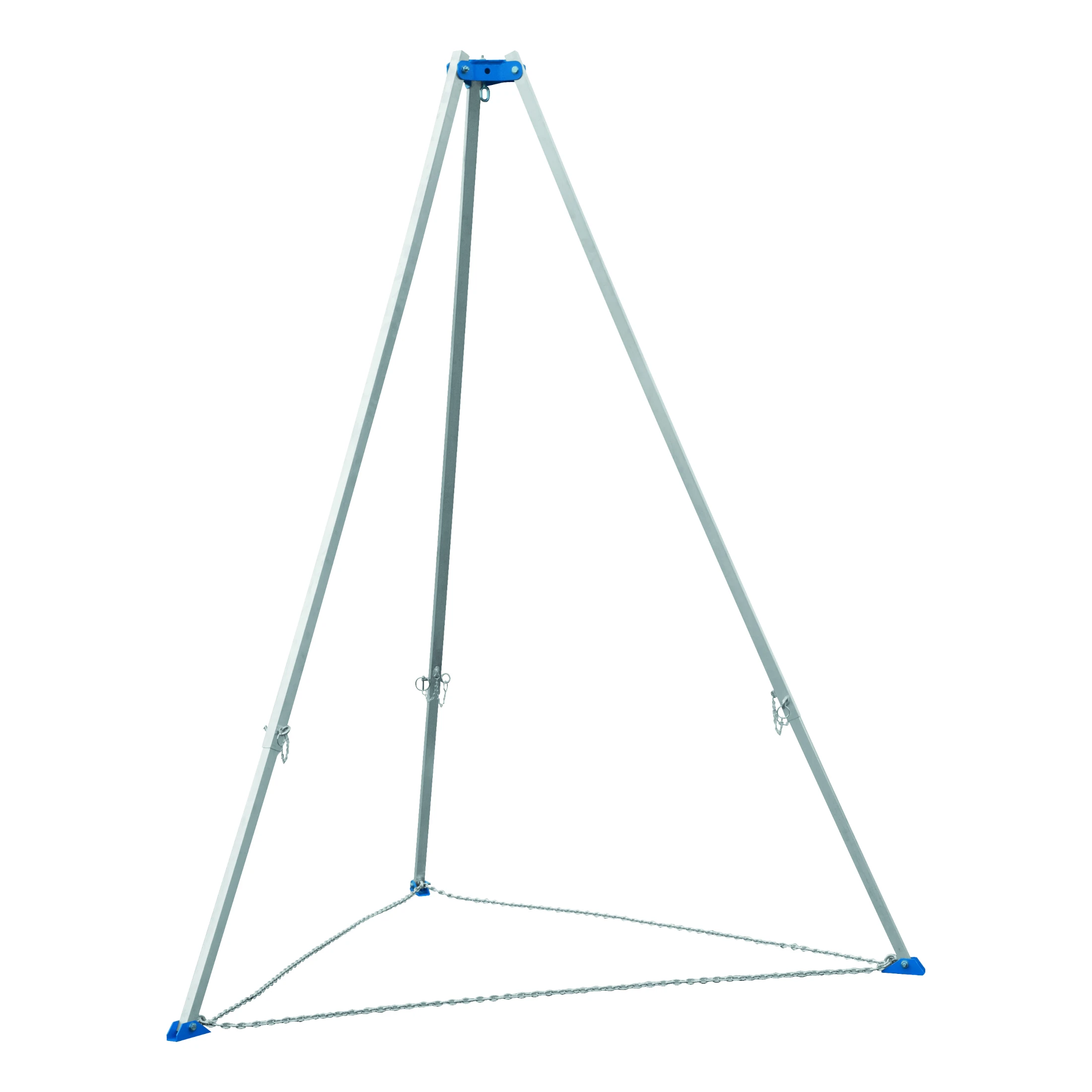
The steel structures of our pillar, wall and full-rotation jib cranes as well as fixed and mobile gantry cranes are designed and verified to the EN 13001 series; the installed electric chain hoists comply with EN 14492-2.
EN 13001-1:2015
Cranes — General design — Part 1: General principles and requirements
First part of the EN 13001 crane design series, used together with the Machinery Directive to prevent mechanical hazards of cranes by design. It establishes the general principles, the limit state method and the proof-of-competence framework that the other parts of the series build on.
EN 13001-2:2021
Crane safety — General design — Part 2: Load actions
Specifies the load actions and load combinations for the calculation of load effects used as the basis for the proof of competence of a crane and its components — covering hazards such as rigid-body instability (tilting), exceeding the limits of strength (yield, ultimate, fatigue) and elastic instability (buckling, bulging).
EN 13001-3-1:2025
Cranes — General design — Part 3-1: Limit states and proof competence of steel structure
Specifies the limit states and the proof of competence of the steel structures of cranes: proof of static strength, fatigue strength and elastic stability of structural members and connections (welded, bolted and pinned). Applied to the steel structures of our jib and gantry cranes together with parts 1 and 2 of the series.
Electric and pneumatic chain hoists, powered winches
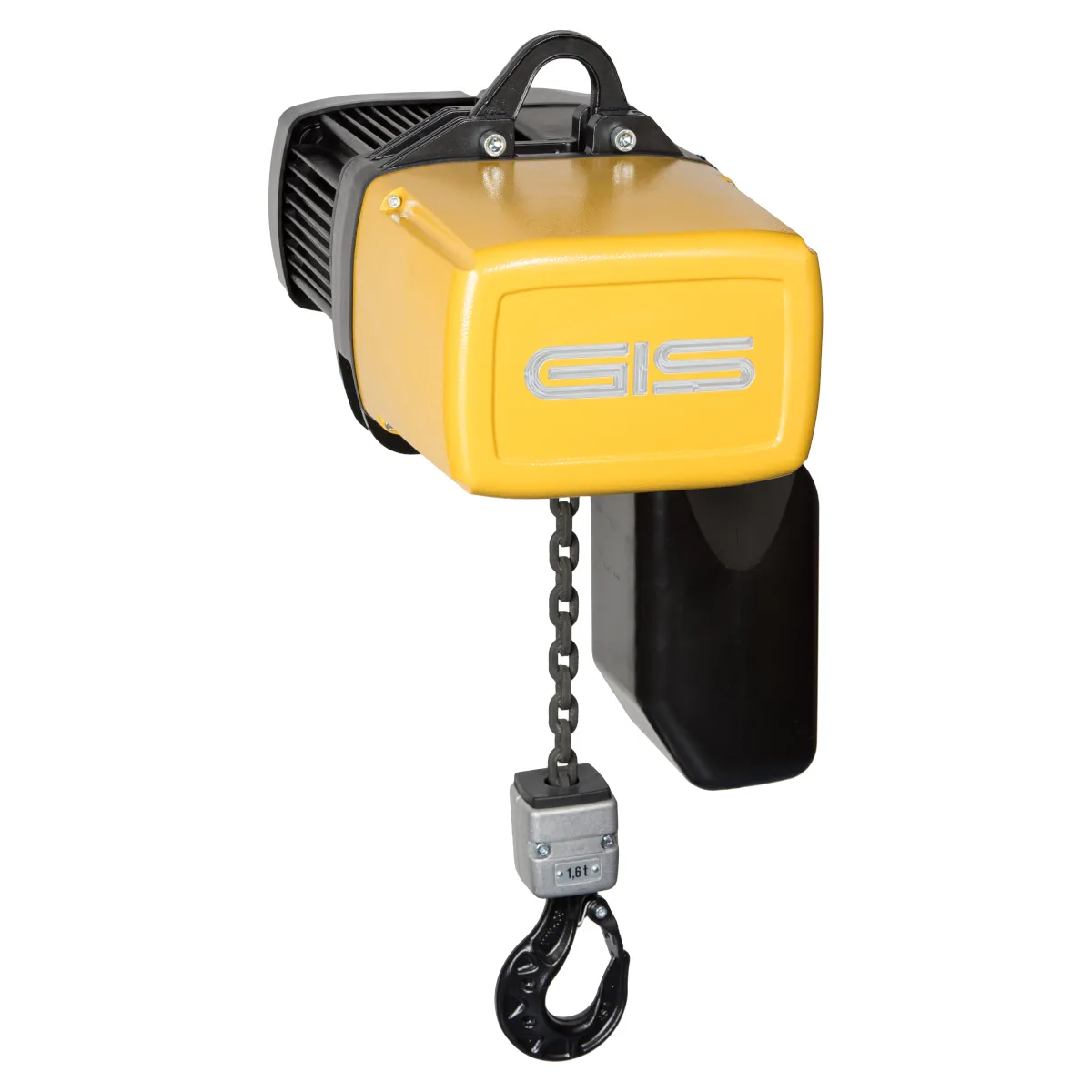
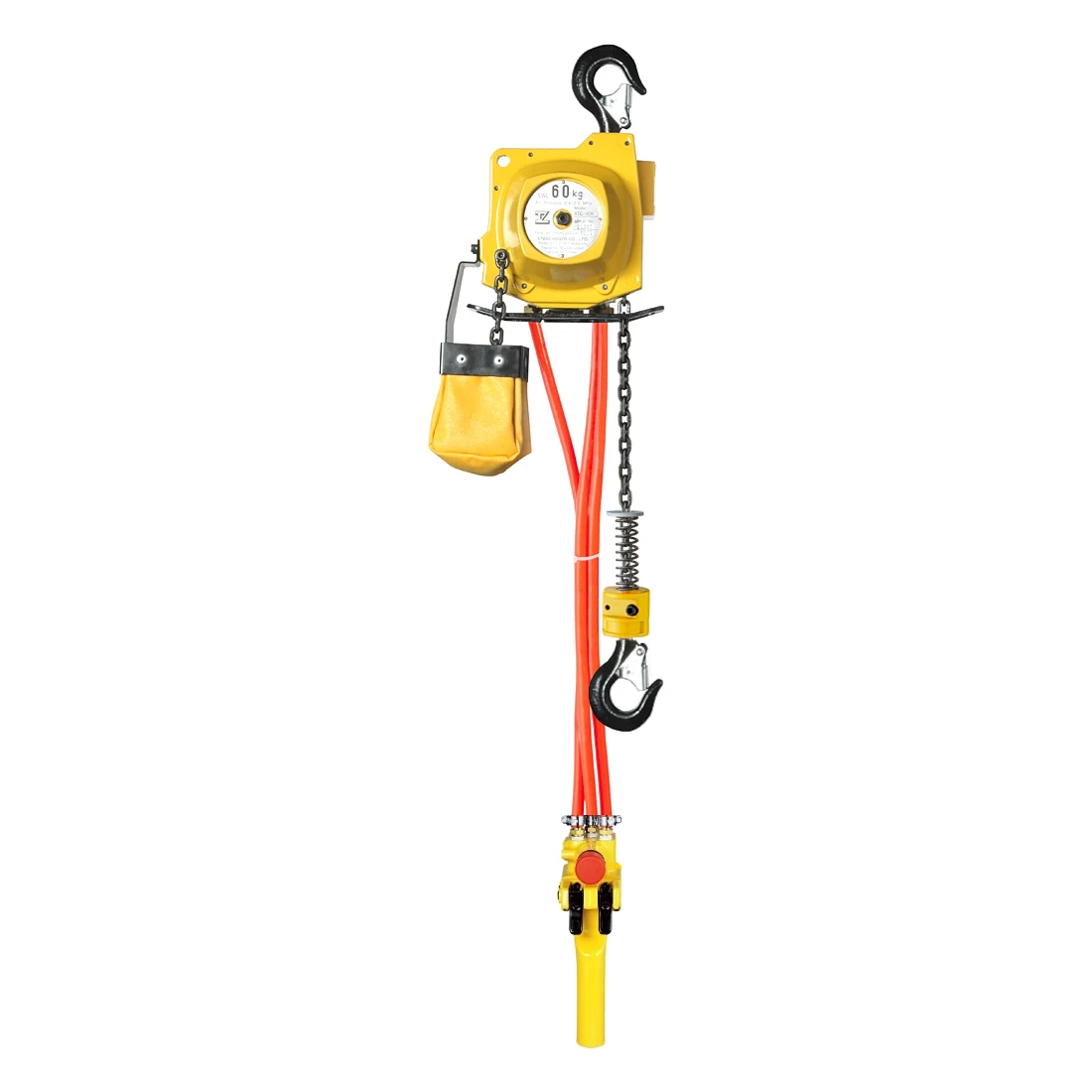
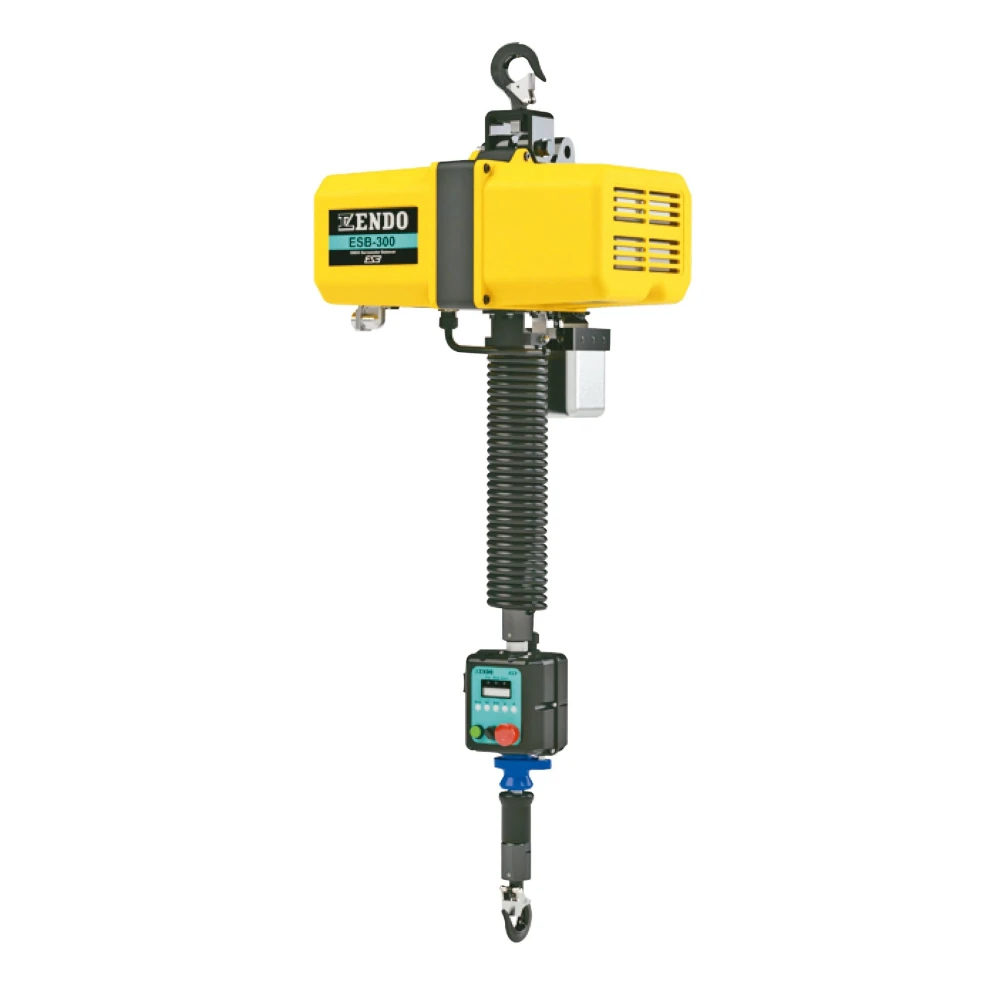
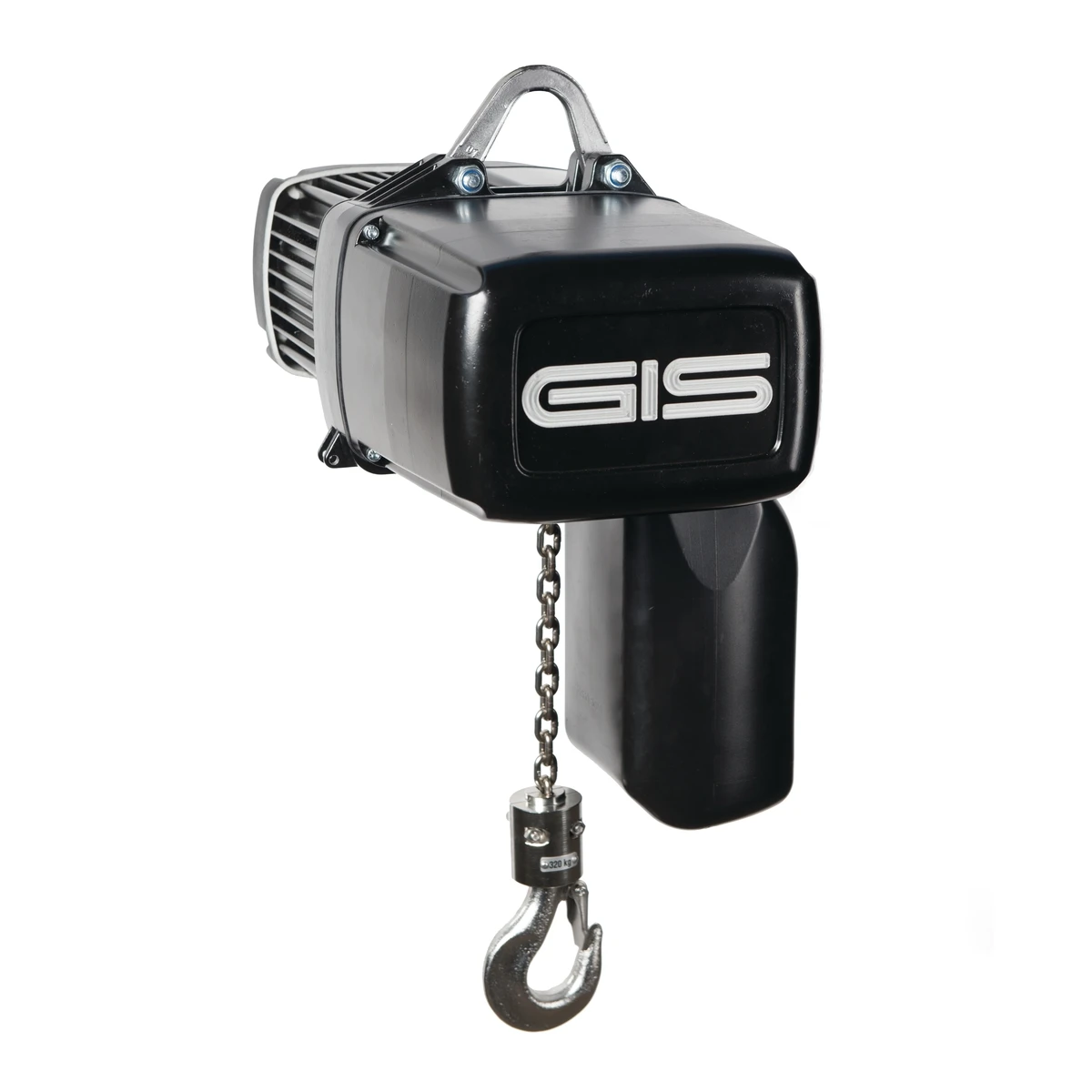
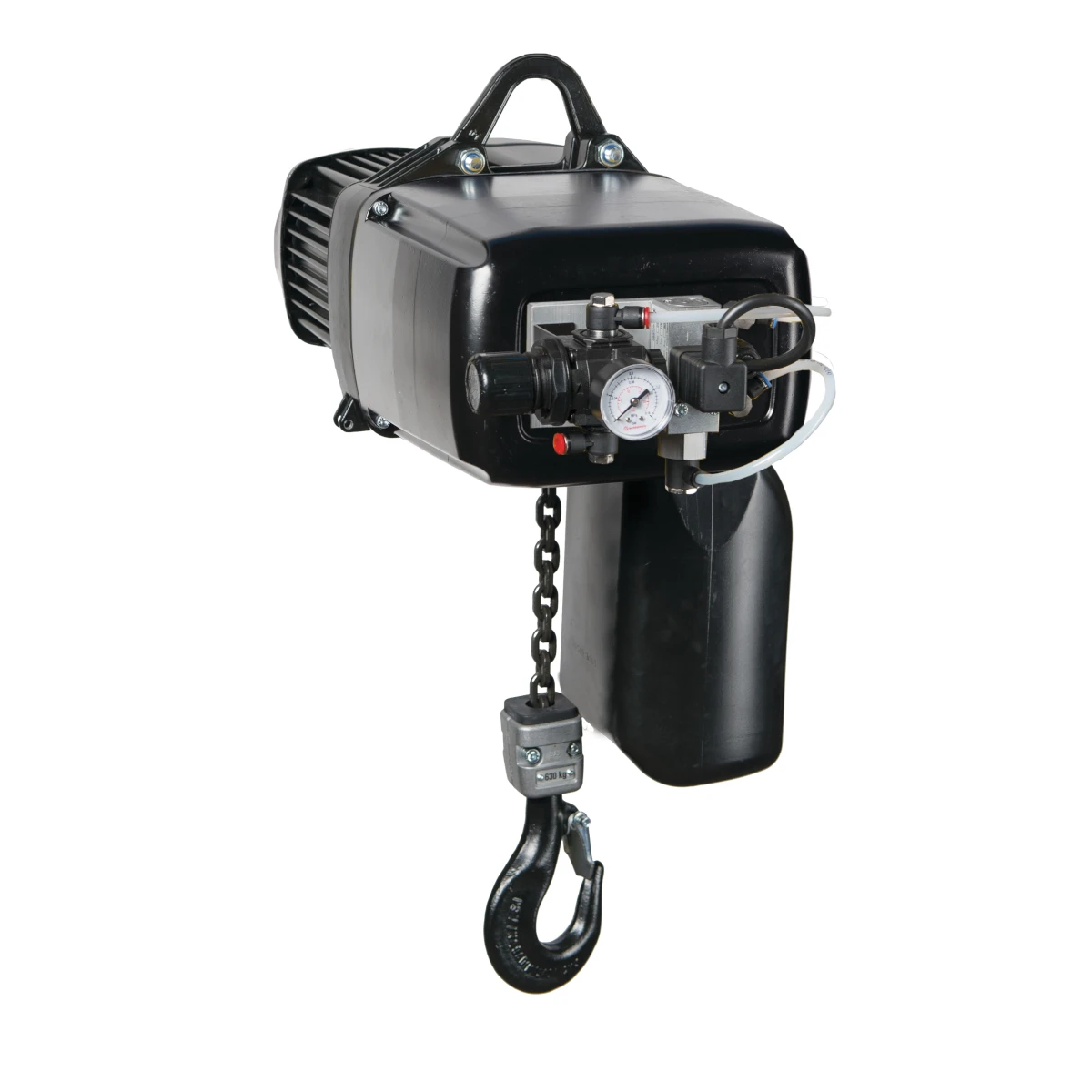
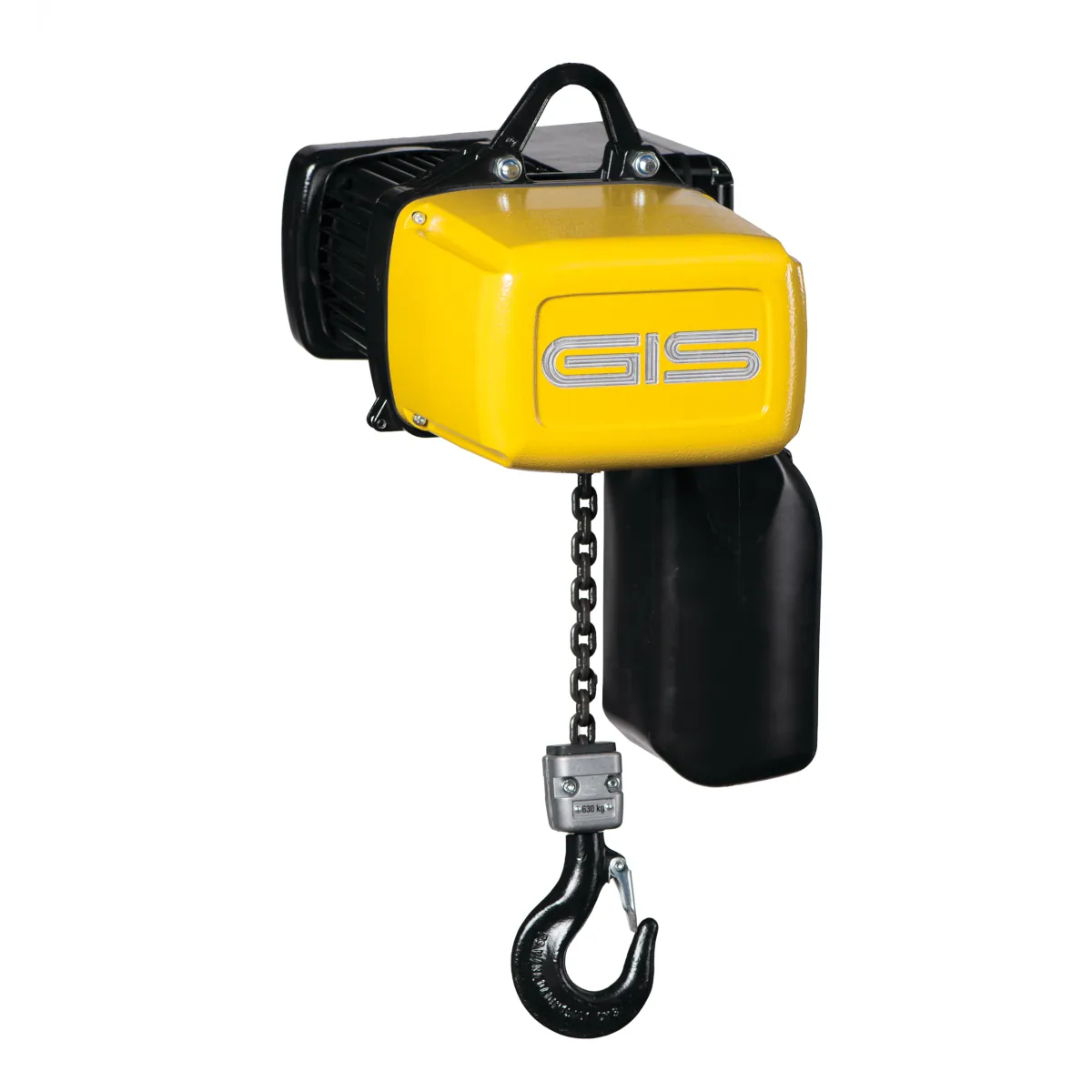
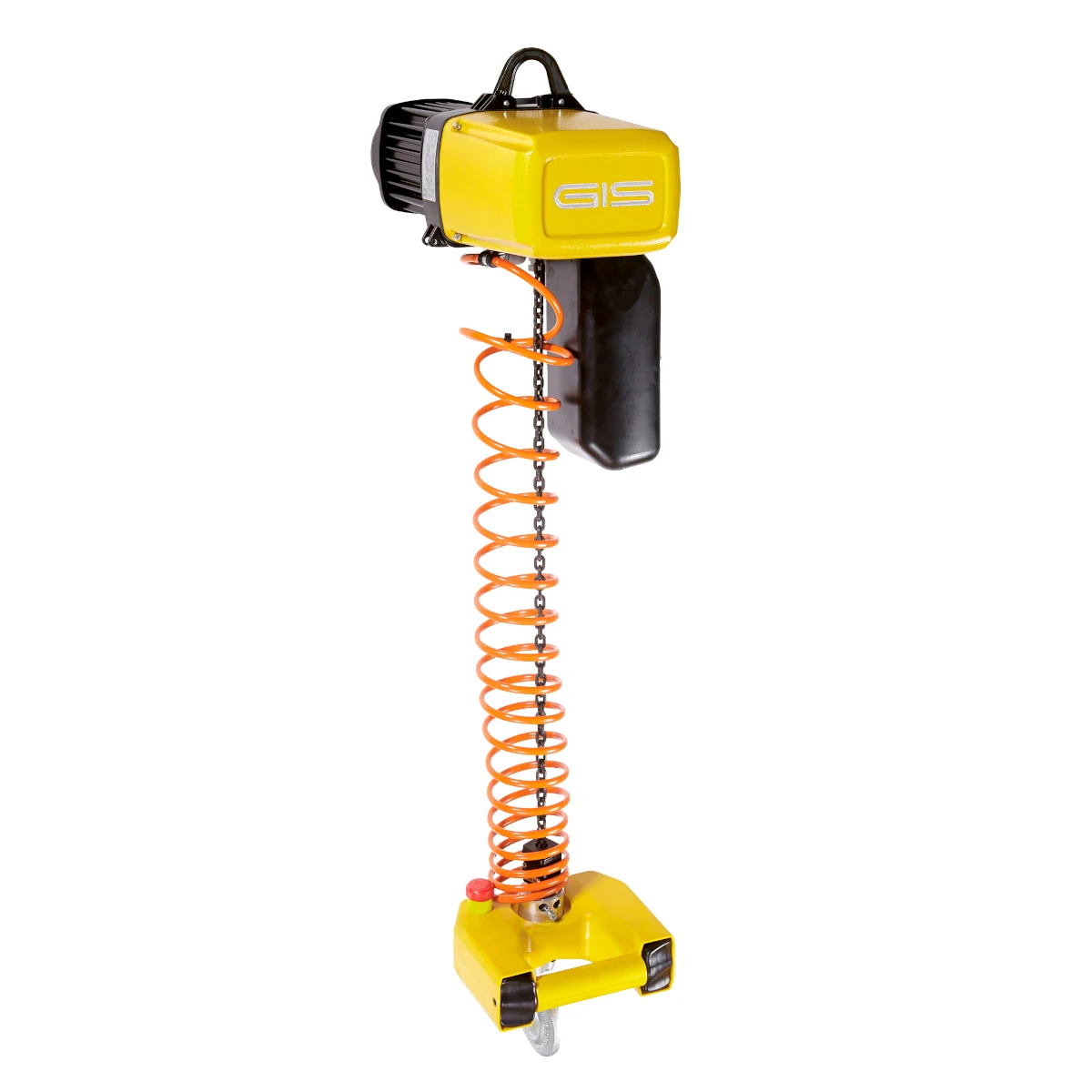
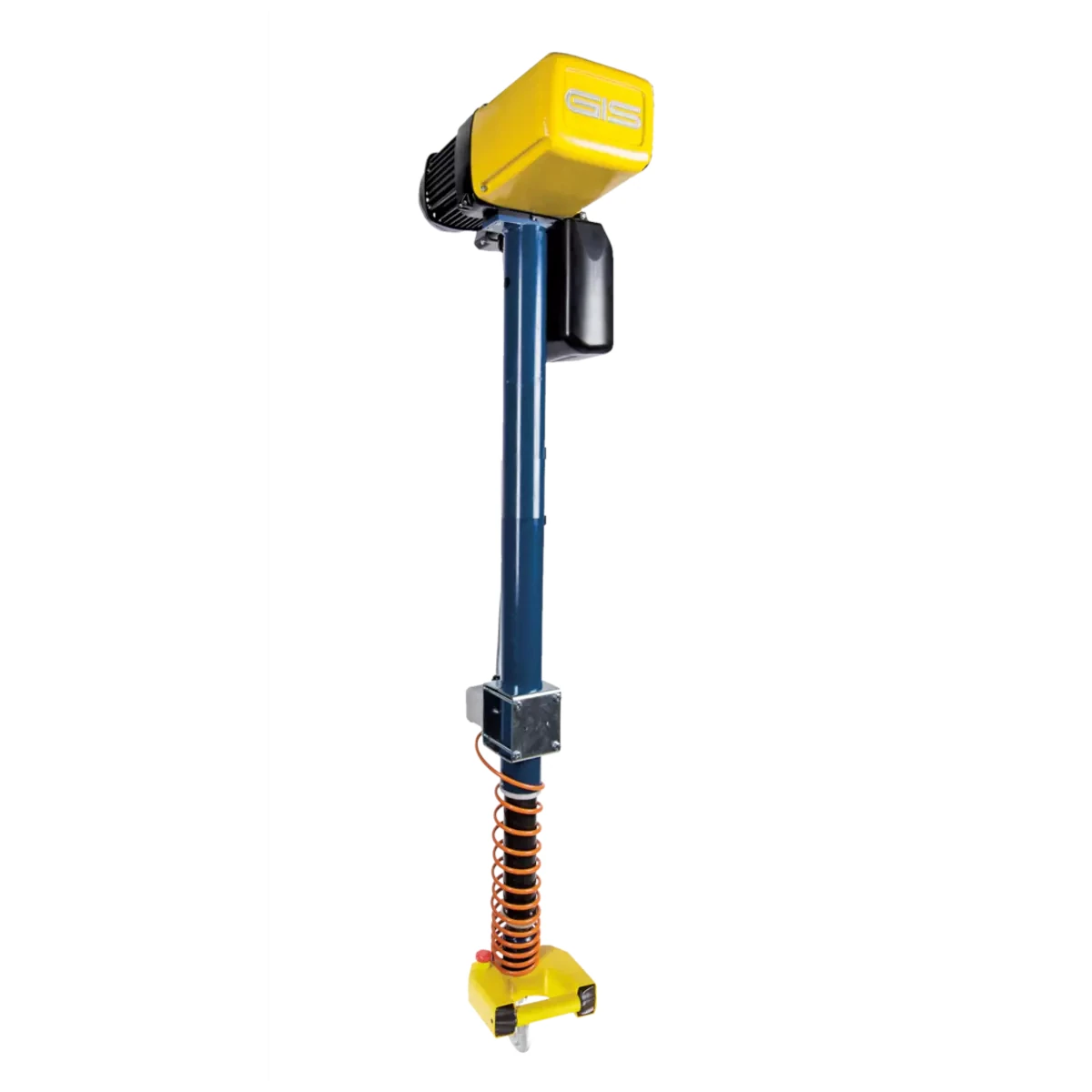
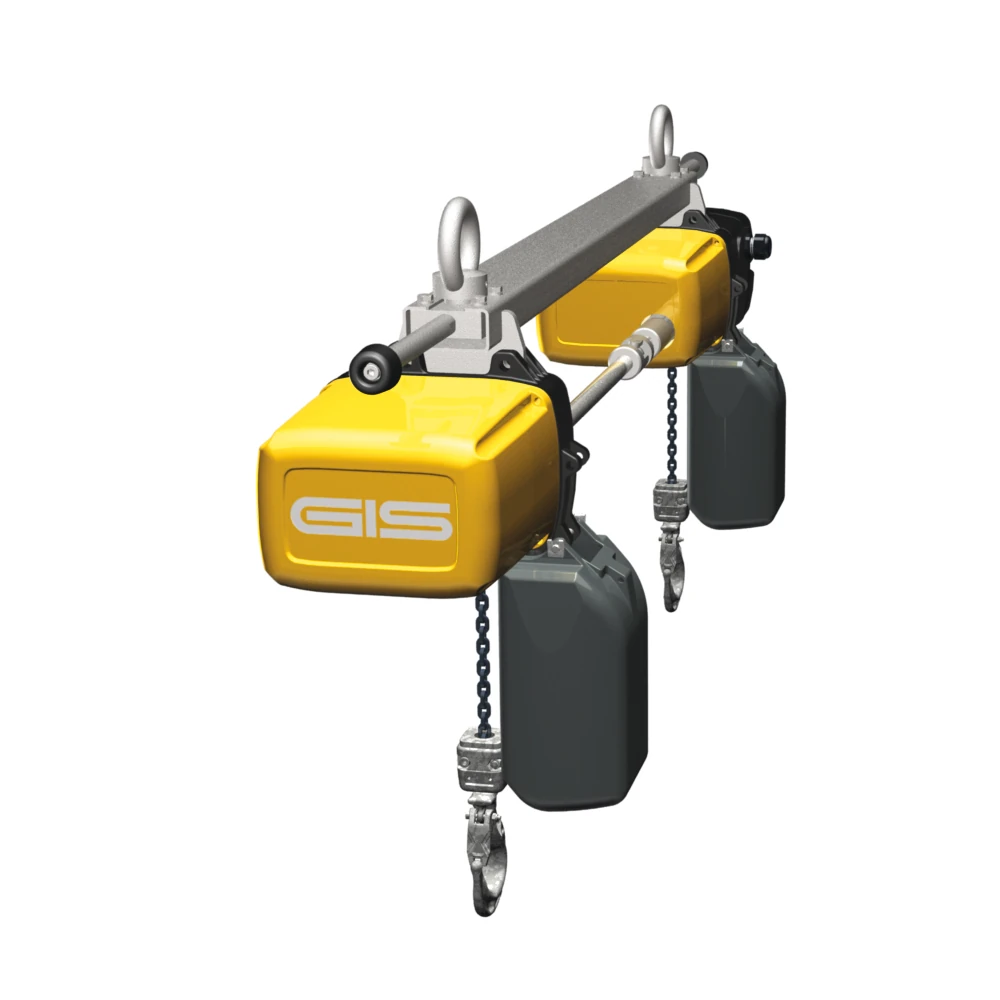
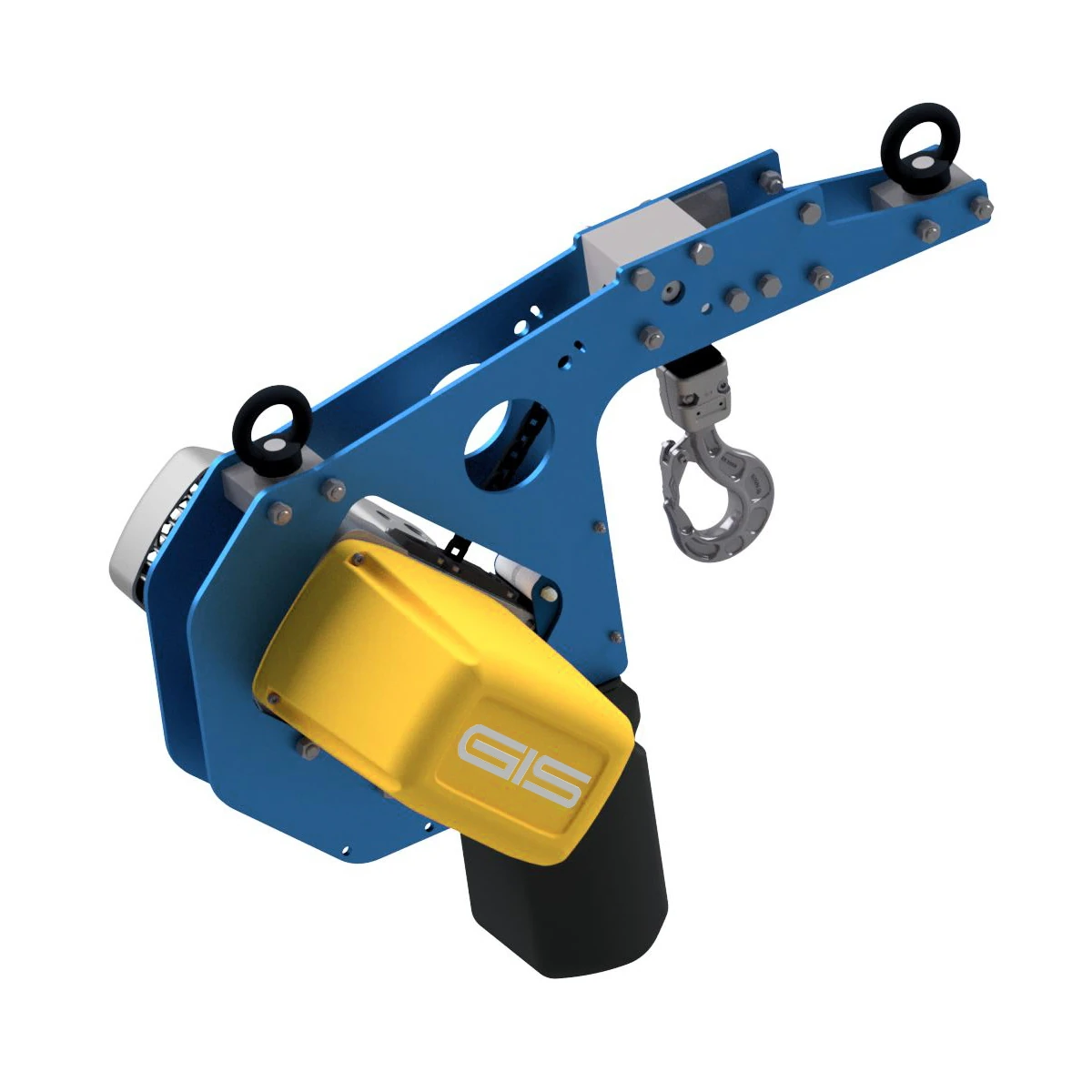
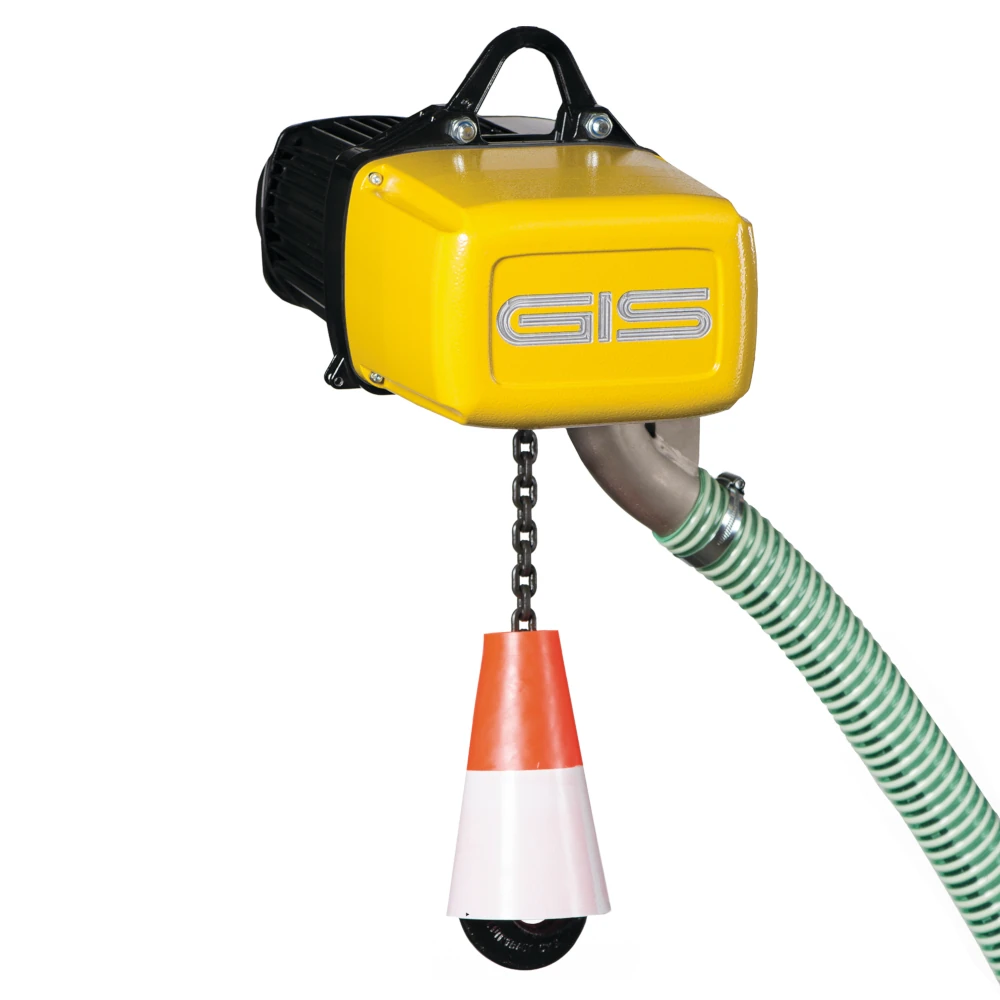
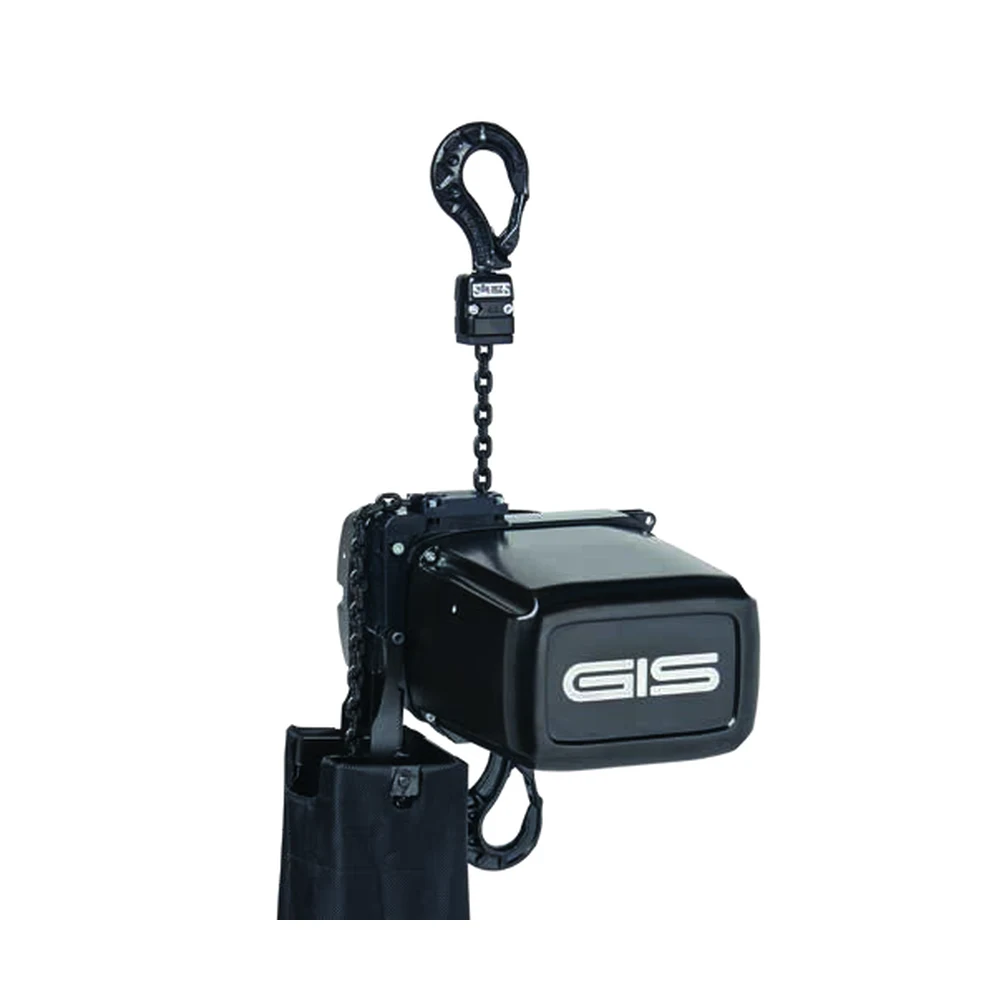
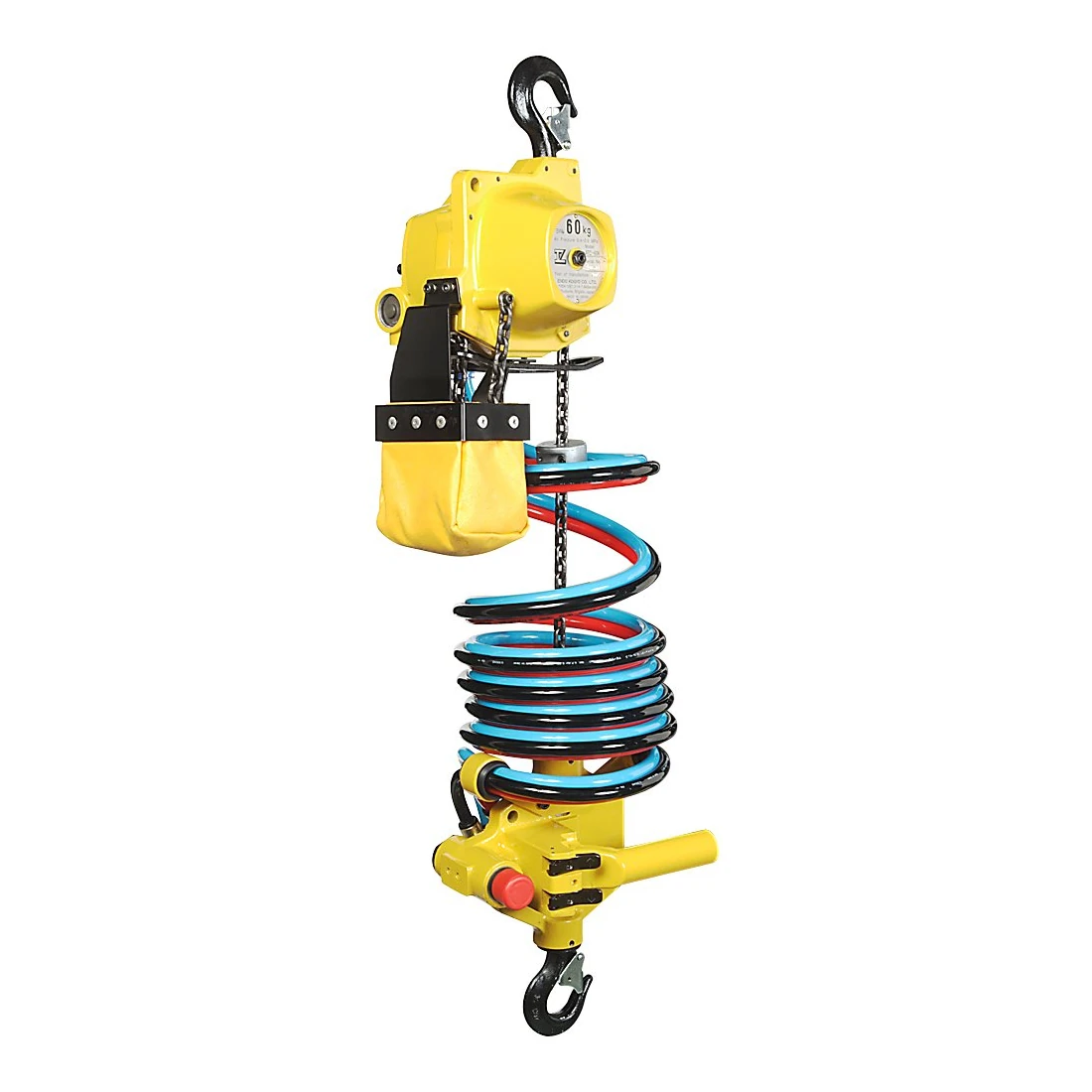
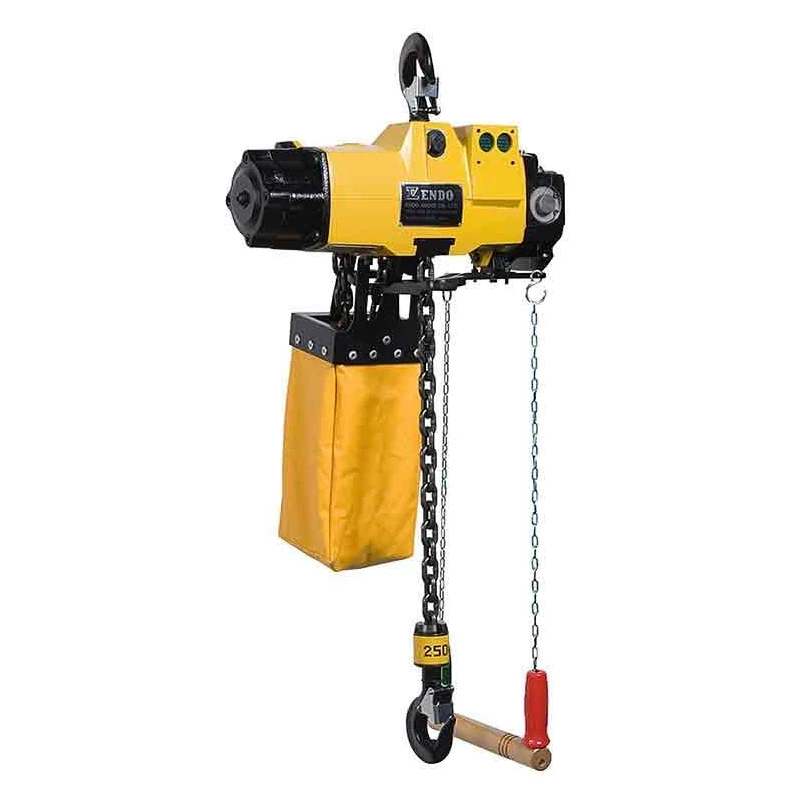
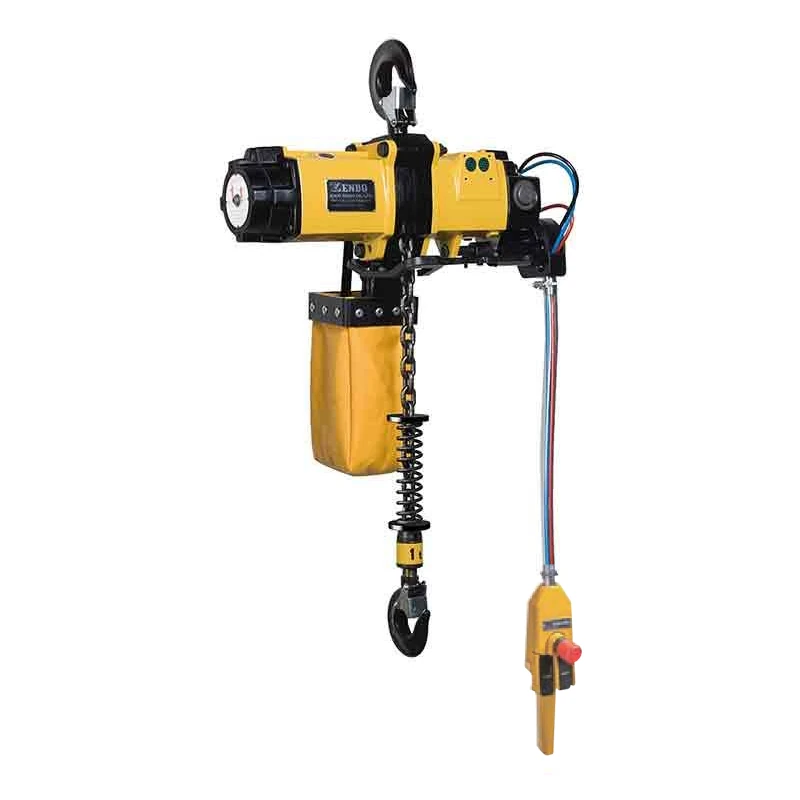
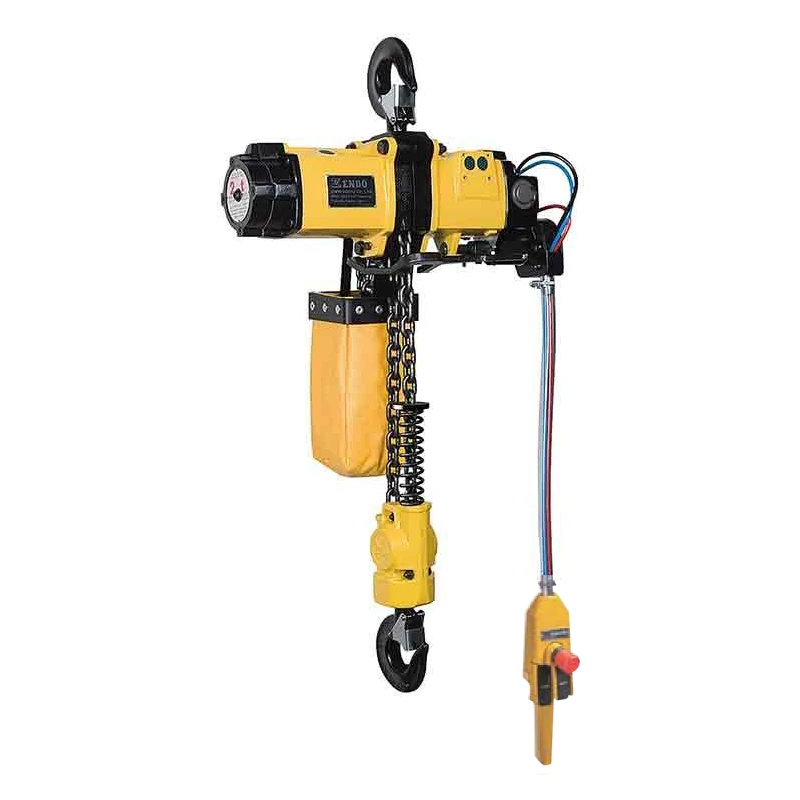
Applies to GIS electric chain hoists (including synchronised, low-headroom, wind-turbine and entertainment models), pneumatic chain hoists and powered lifting winches.
EN 14492-2:2019
Cranes — Power driven winches and hoists — Part 2: Power driven hoists
Applies to the design, information for use, maintenance and testing of power driven hoists — compact or open construction, with or without trolleys — for which the prime mover is an electric, hydraulic or pneumatic motor. Covers rope hoists, chain hoists and lifting winches used either in cranes, in other machines or on their own, including rated capacity limiters, brakes and safety-related control functions.
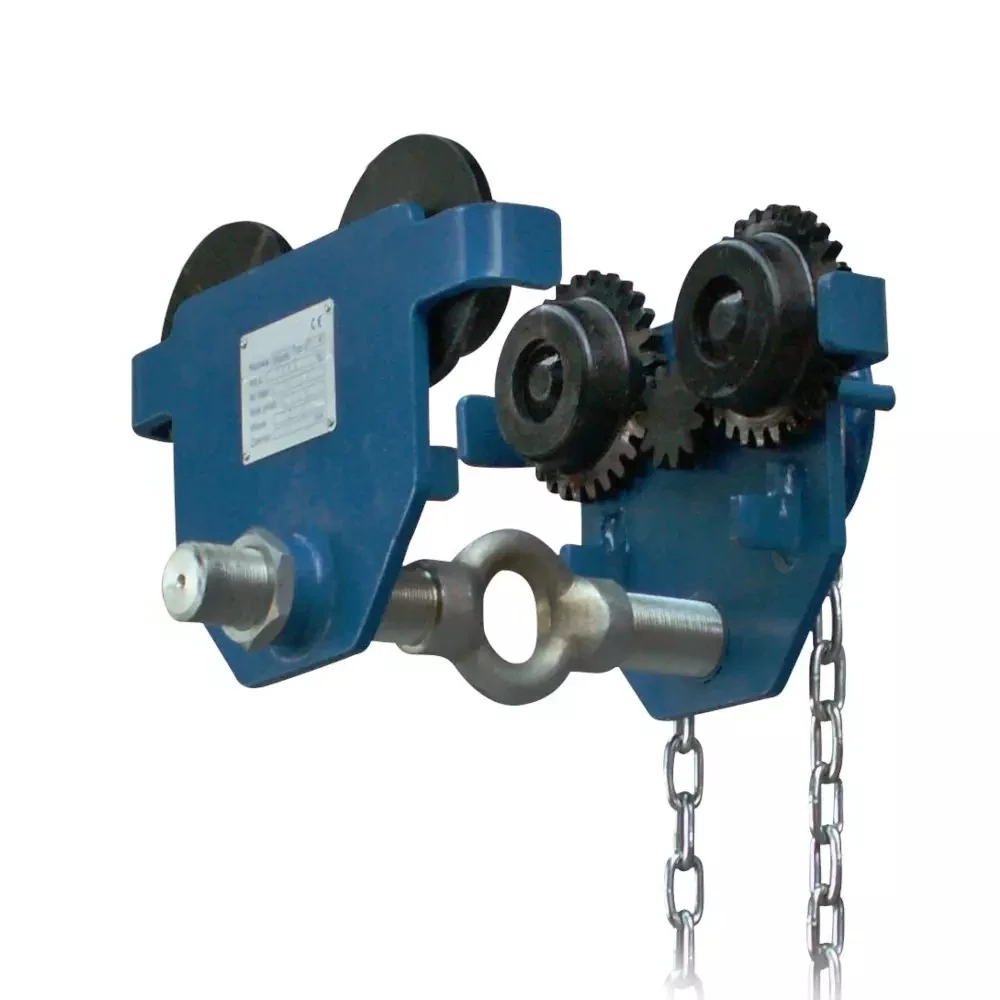
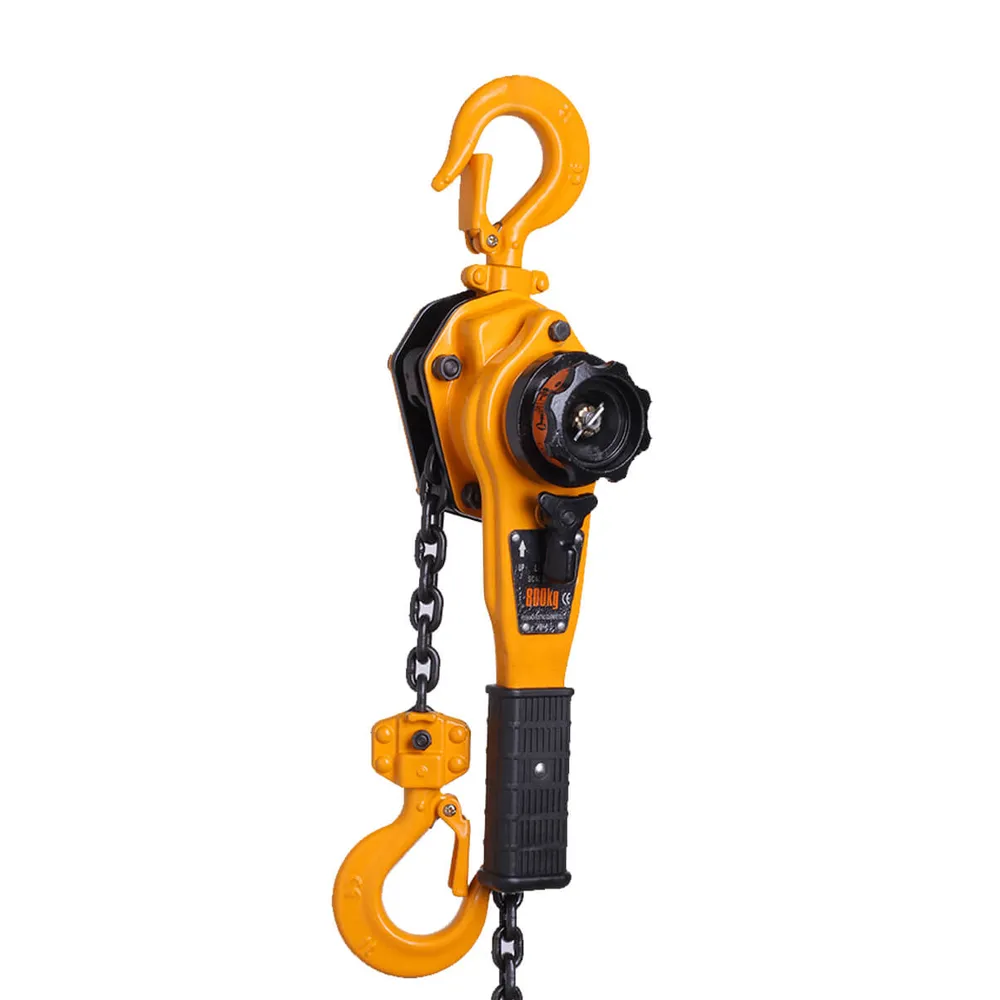
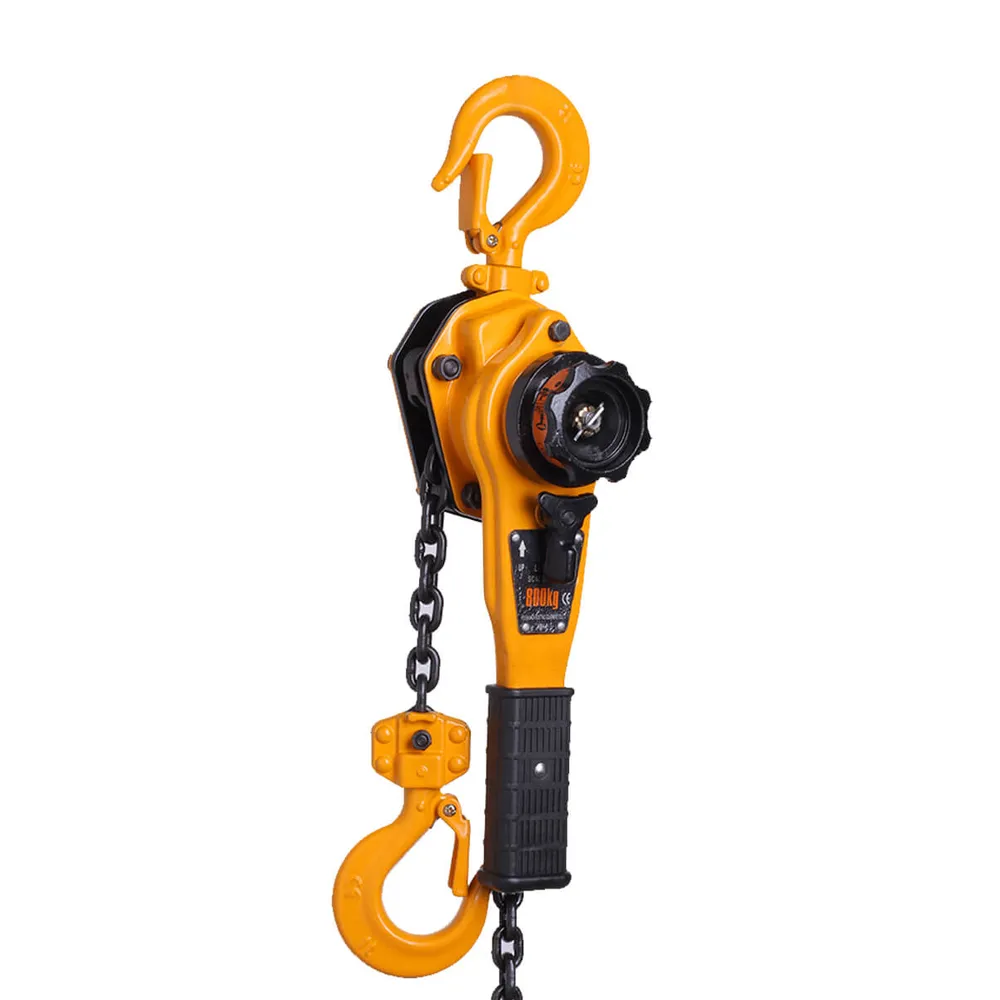
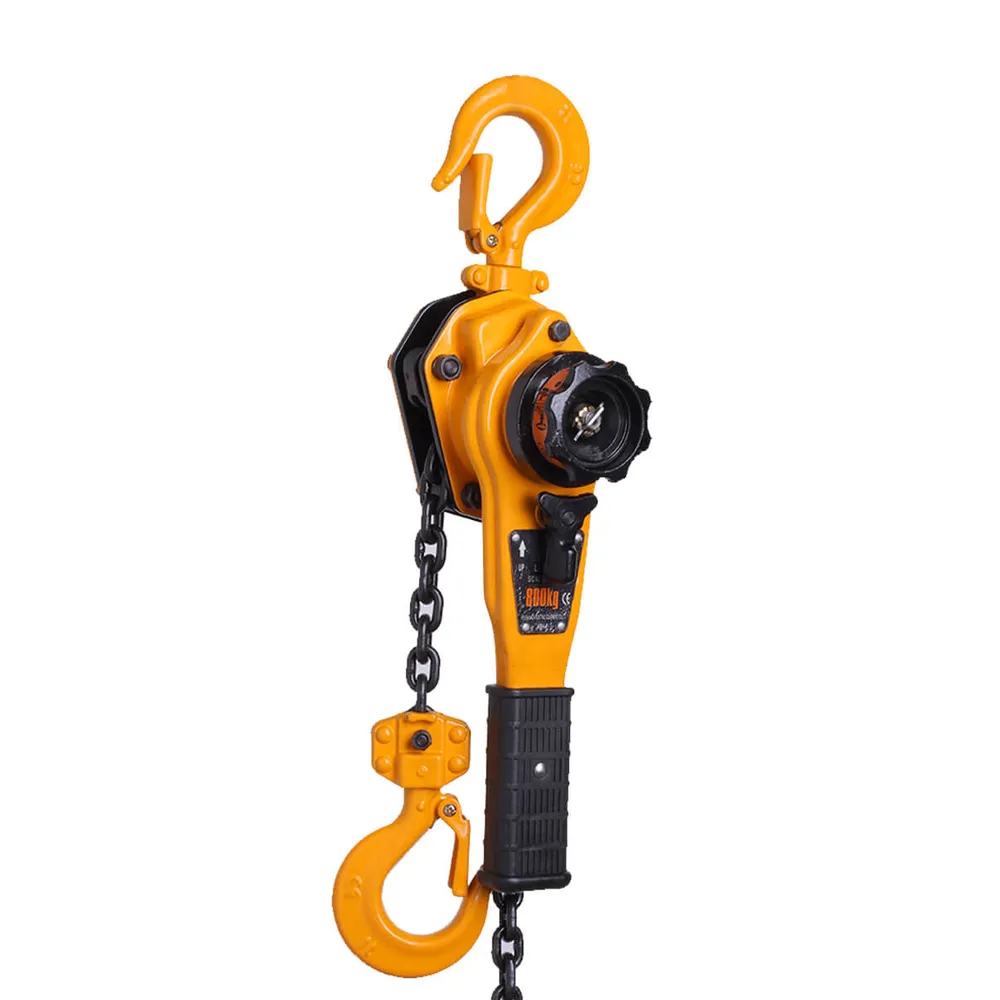
Manual hoists, trolleys and rack jacks
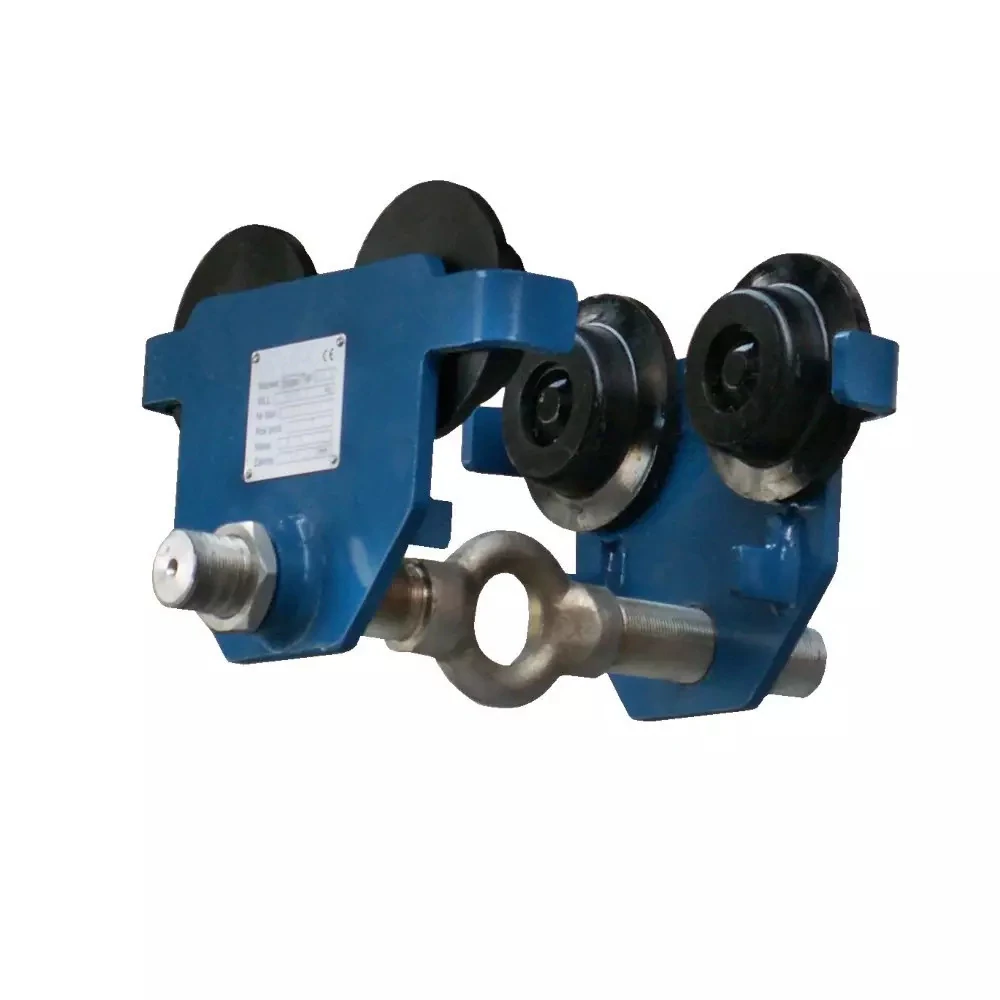
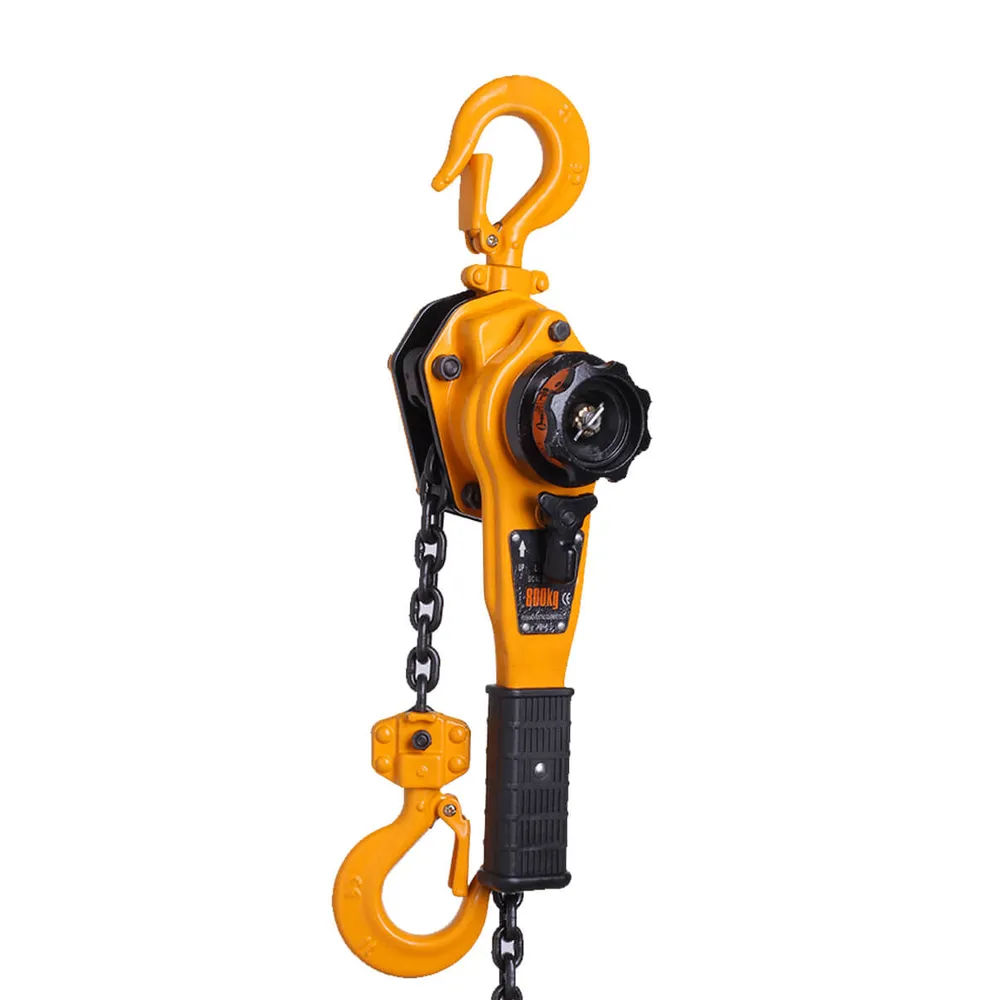
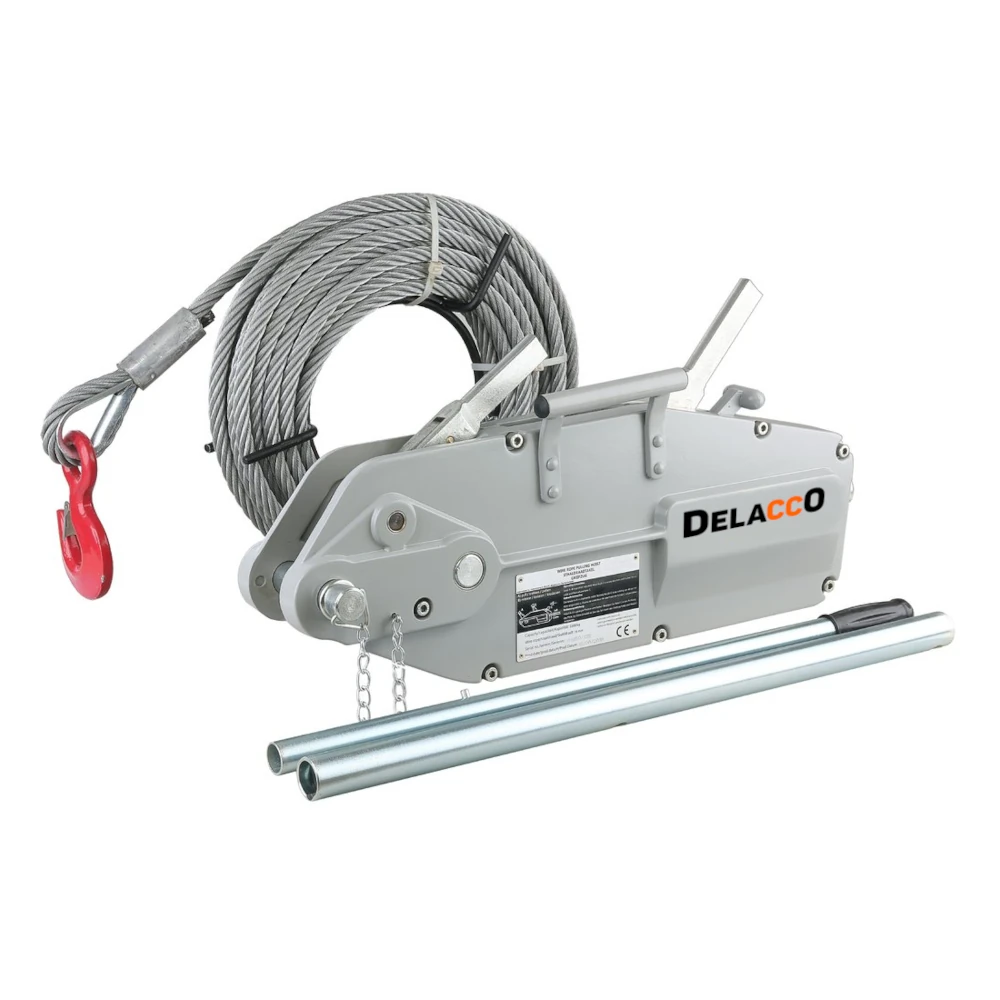
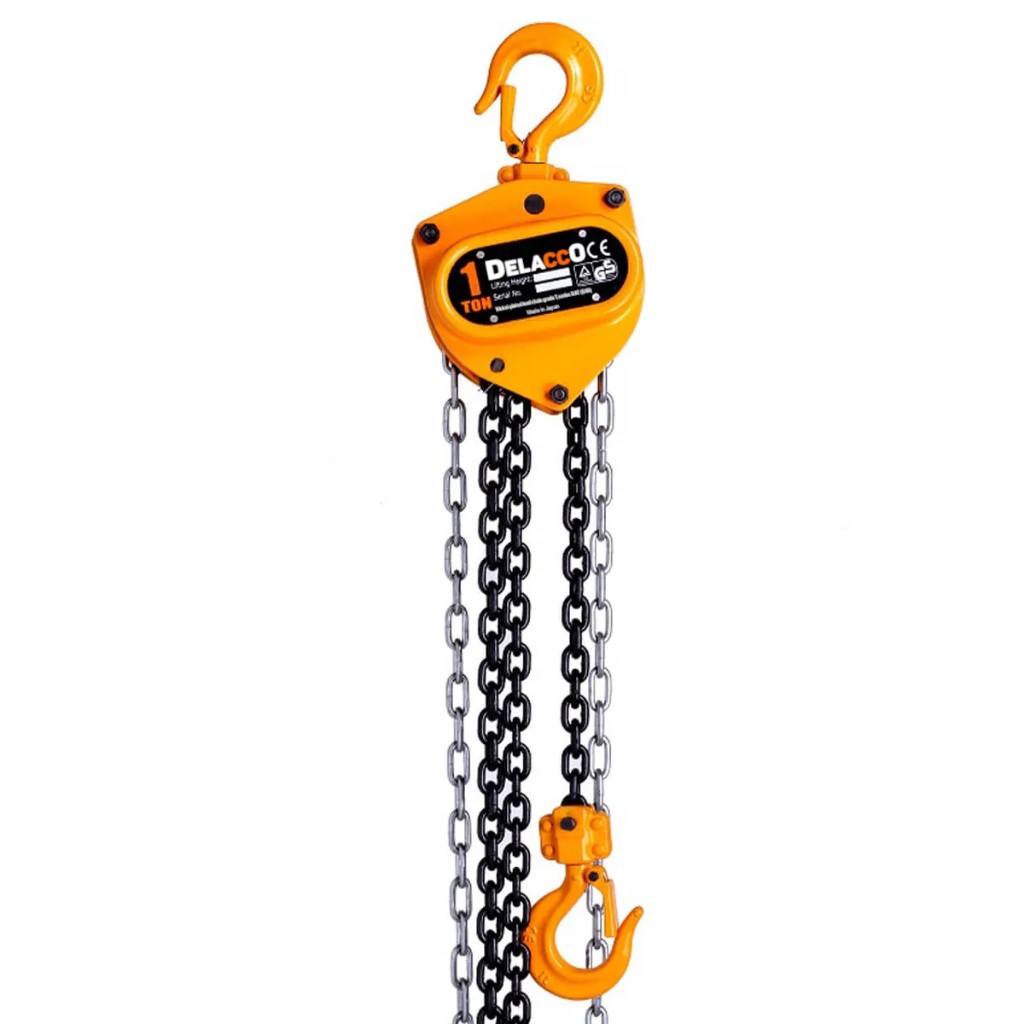
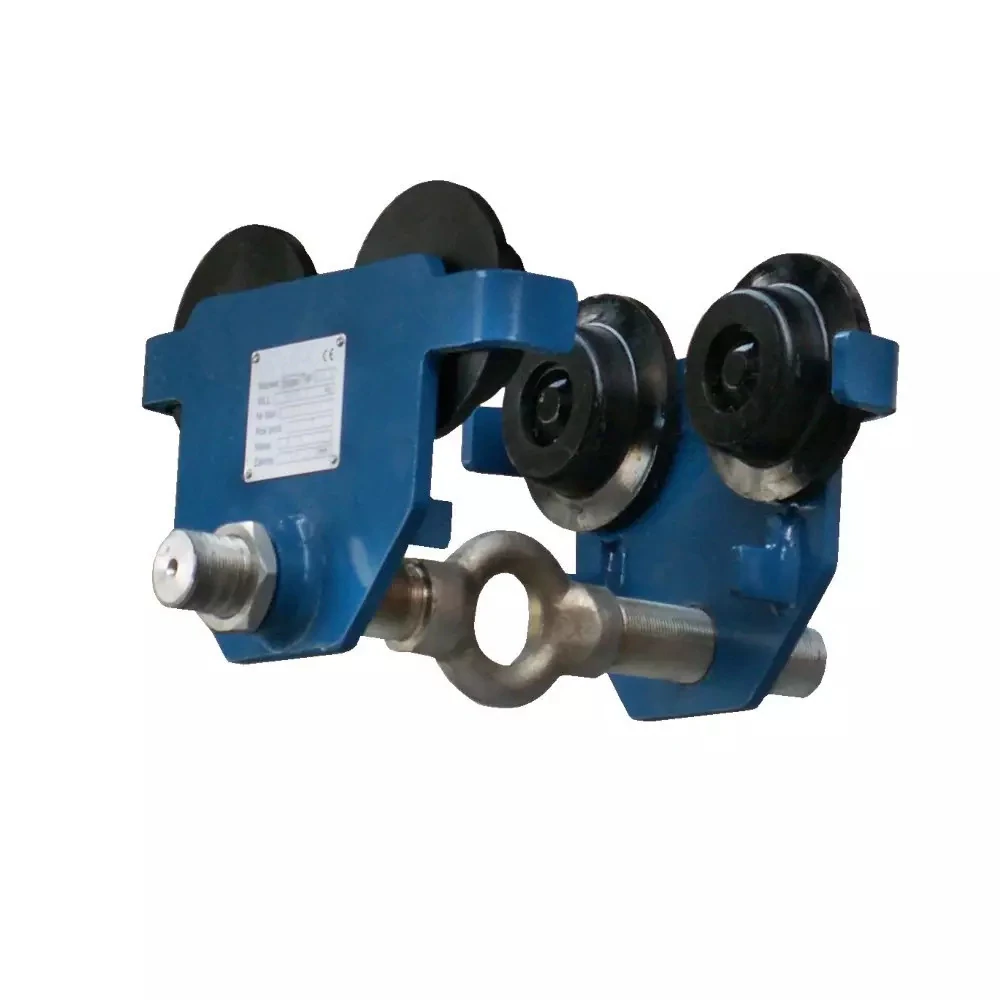
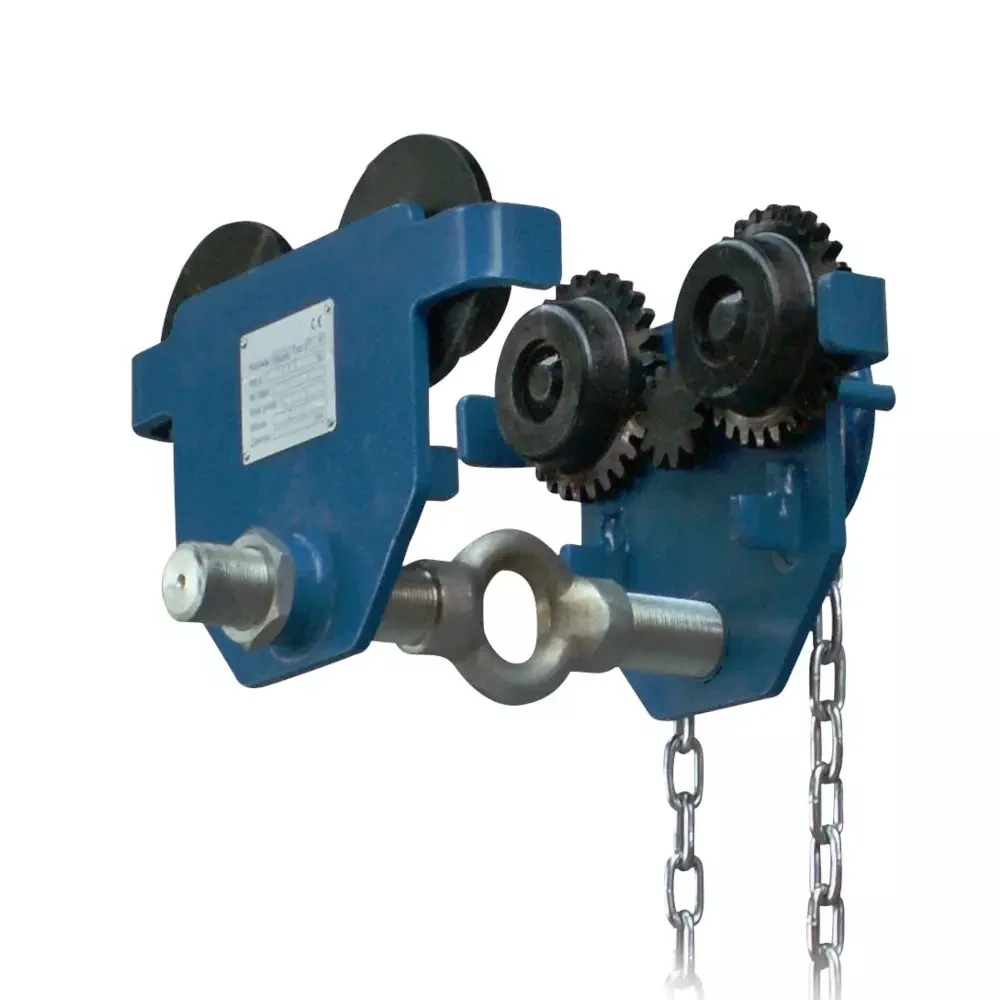
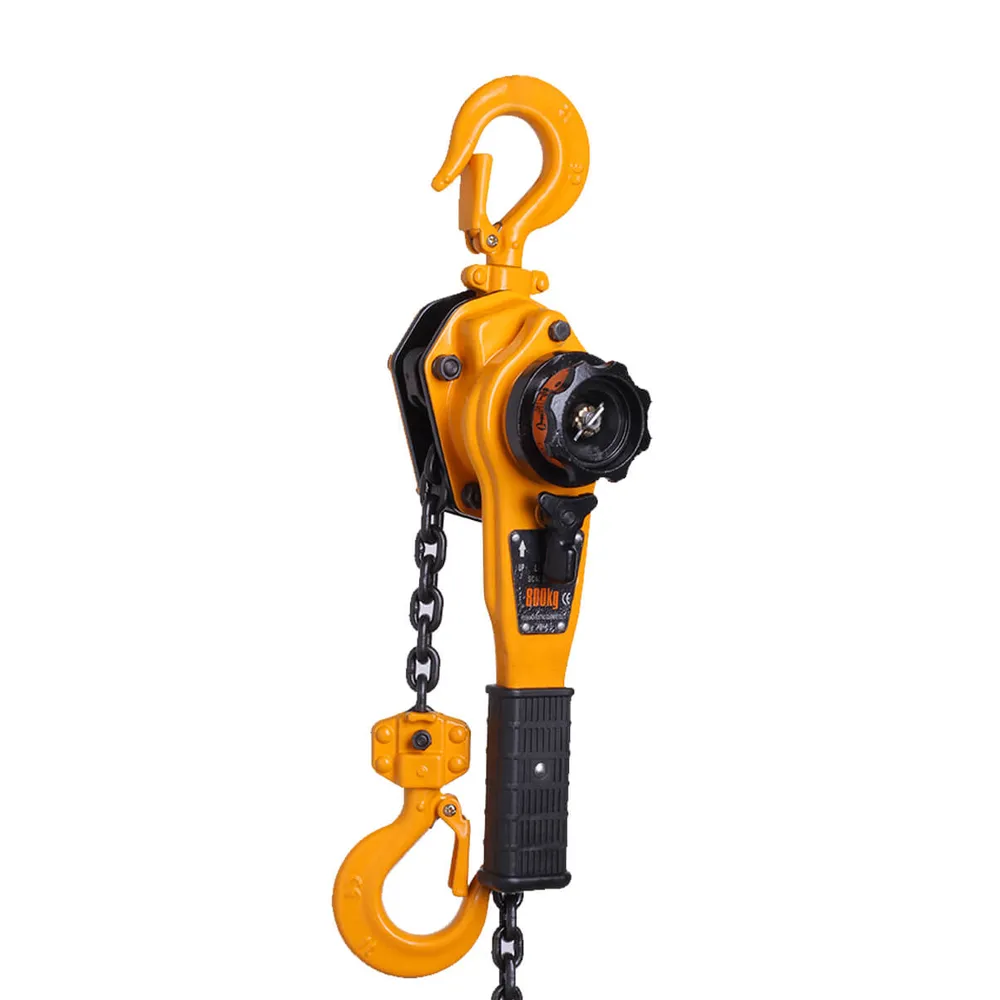
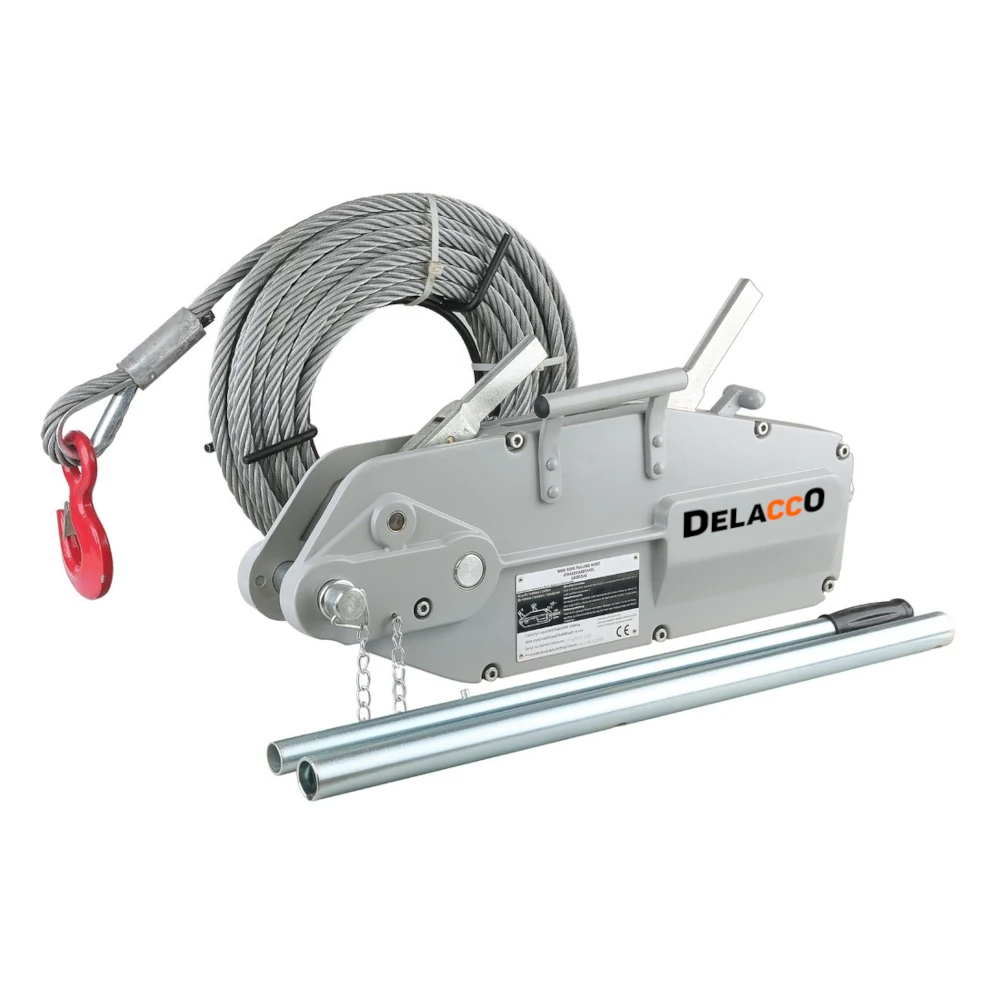
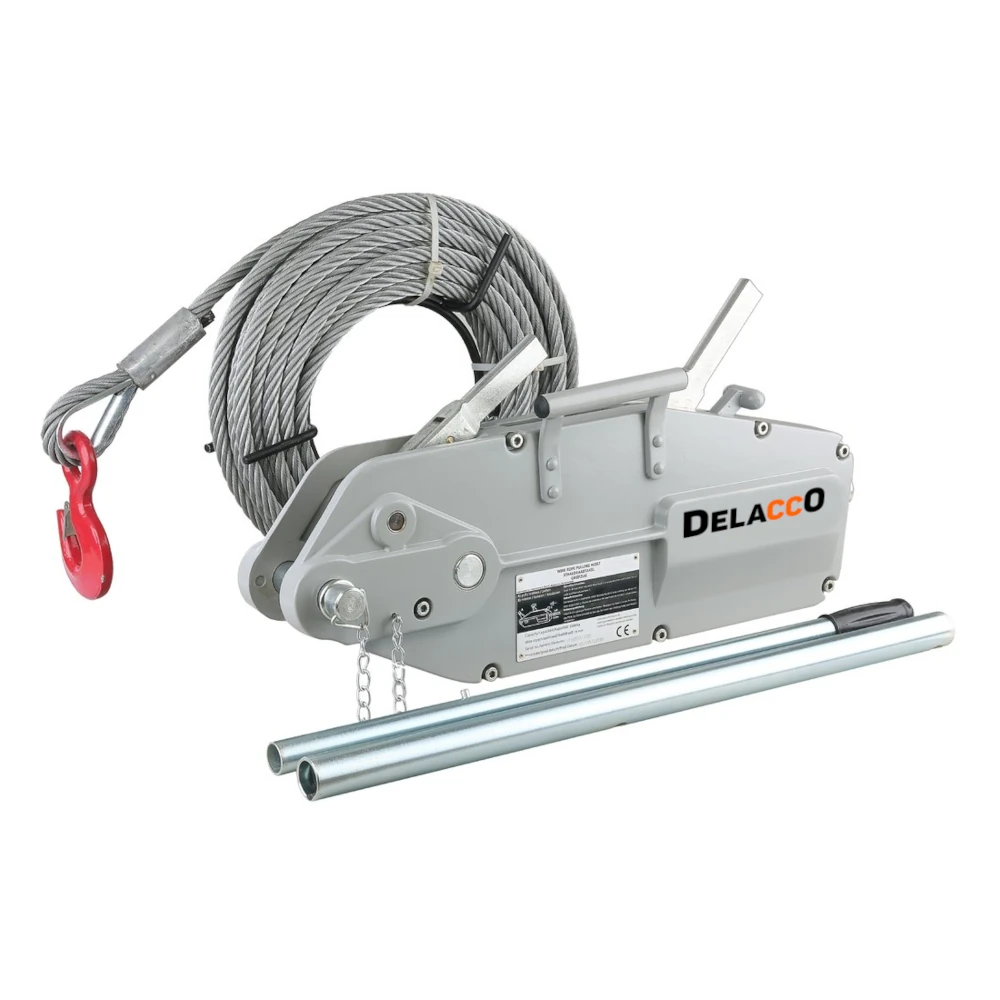
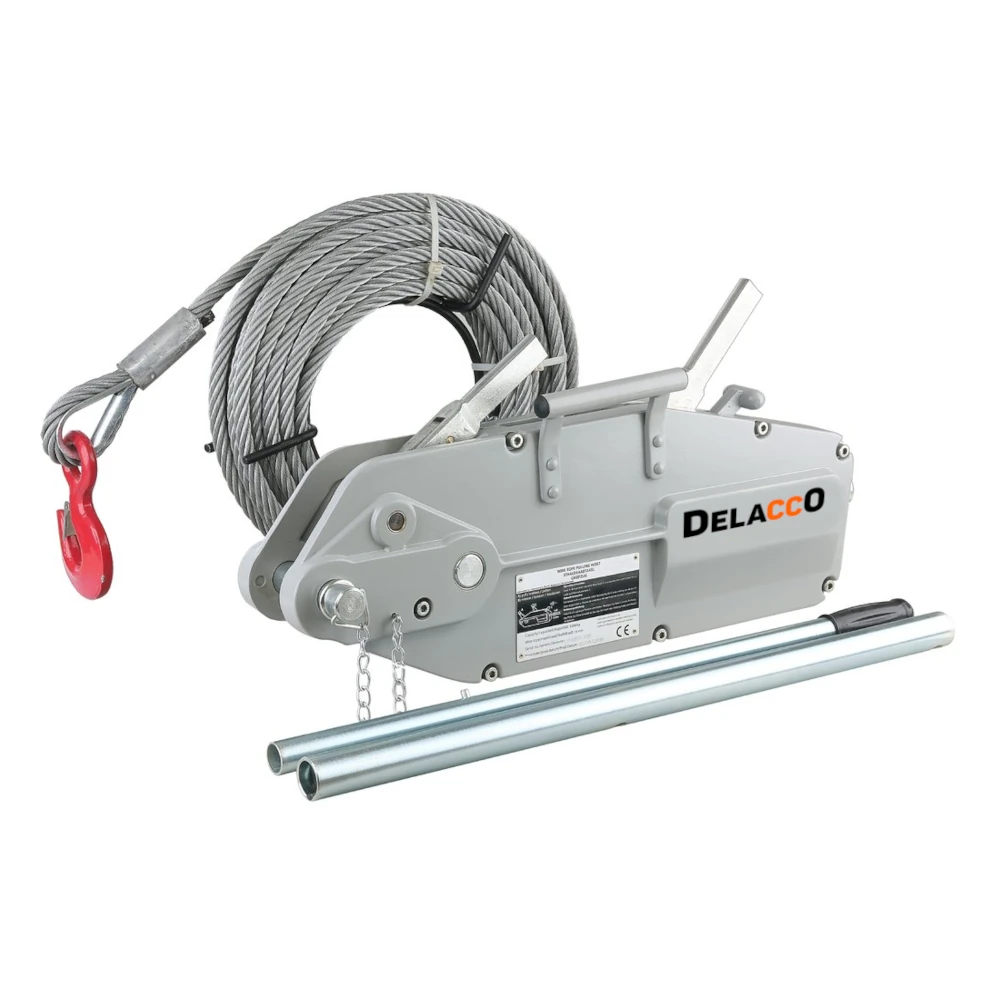
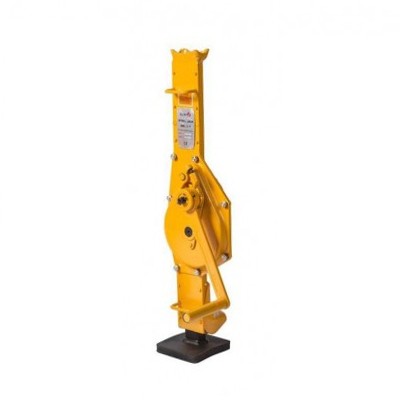
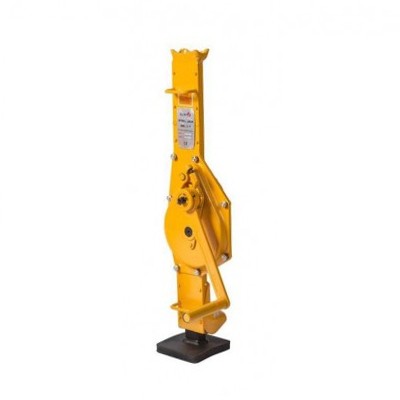
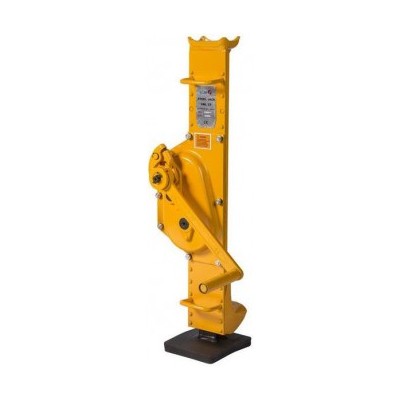
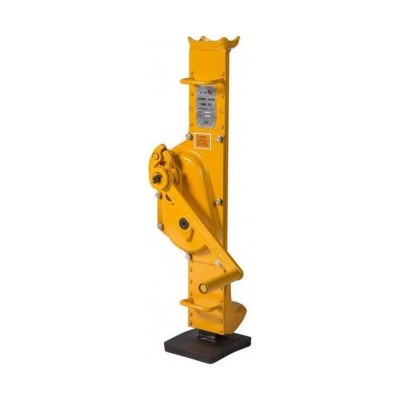
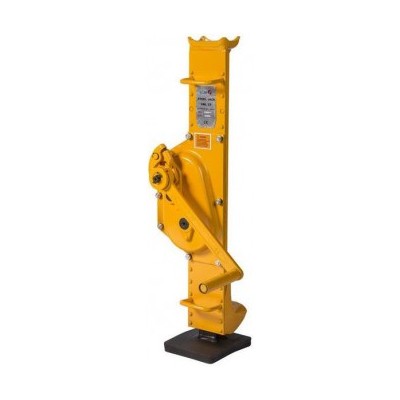
Applies to hand chain blocks, lever hoists, wire-rope pulling hoists, manual trolleys and rack-and-pinion jacks.
EN 13157:2004+A1:2009
Cranes — Safety — Hand powered cranes
Specifies the safety requirements for hand powered lifting equipment: hand chain blocks, lever hoists, jaw winches (wire-rope pulling machines), hand powered trolleys supporting lifting machines, drum winches, pulley blocks and deflection pulleys. Defines the required safety factors, brake behaviour, verification tests and user information.
Spreader beams, lifting clamps and crane forks
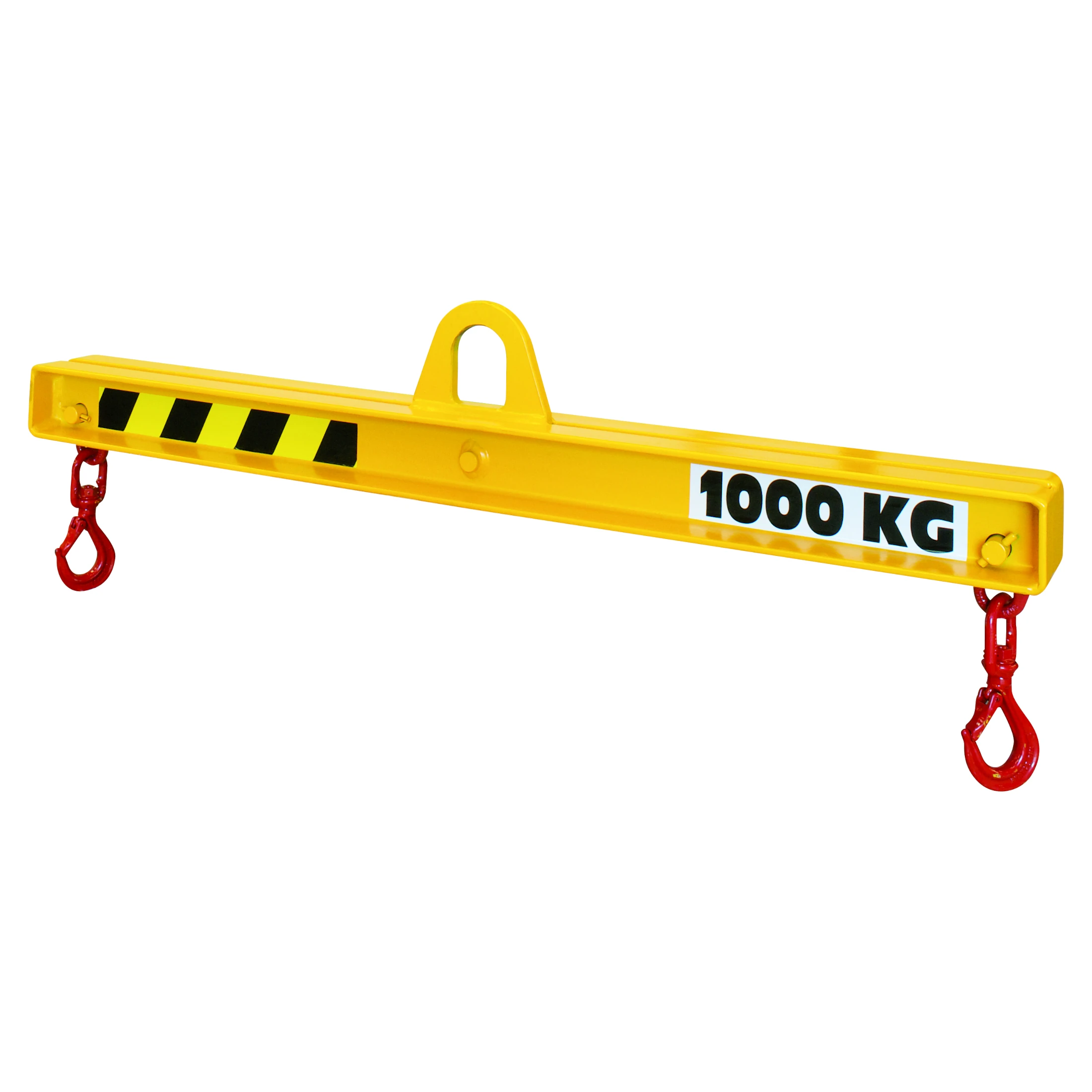
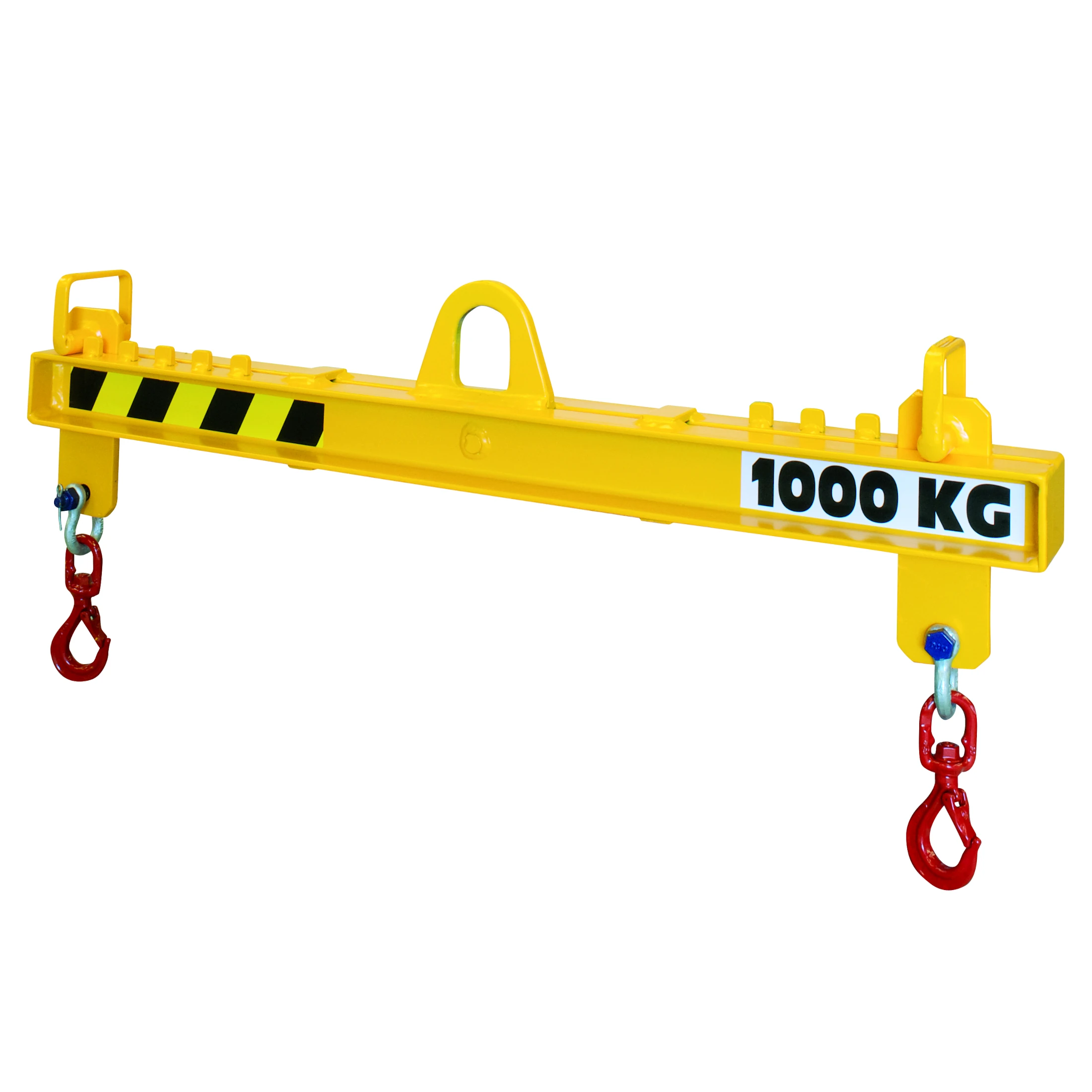
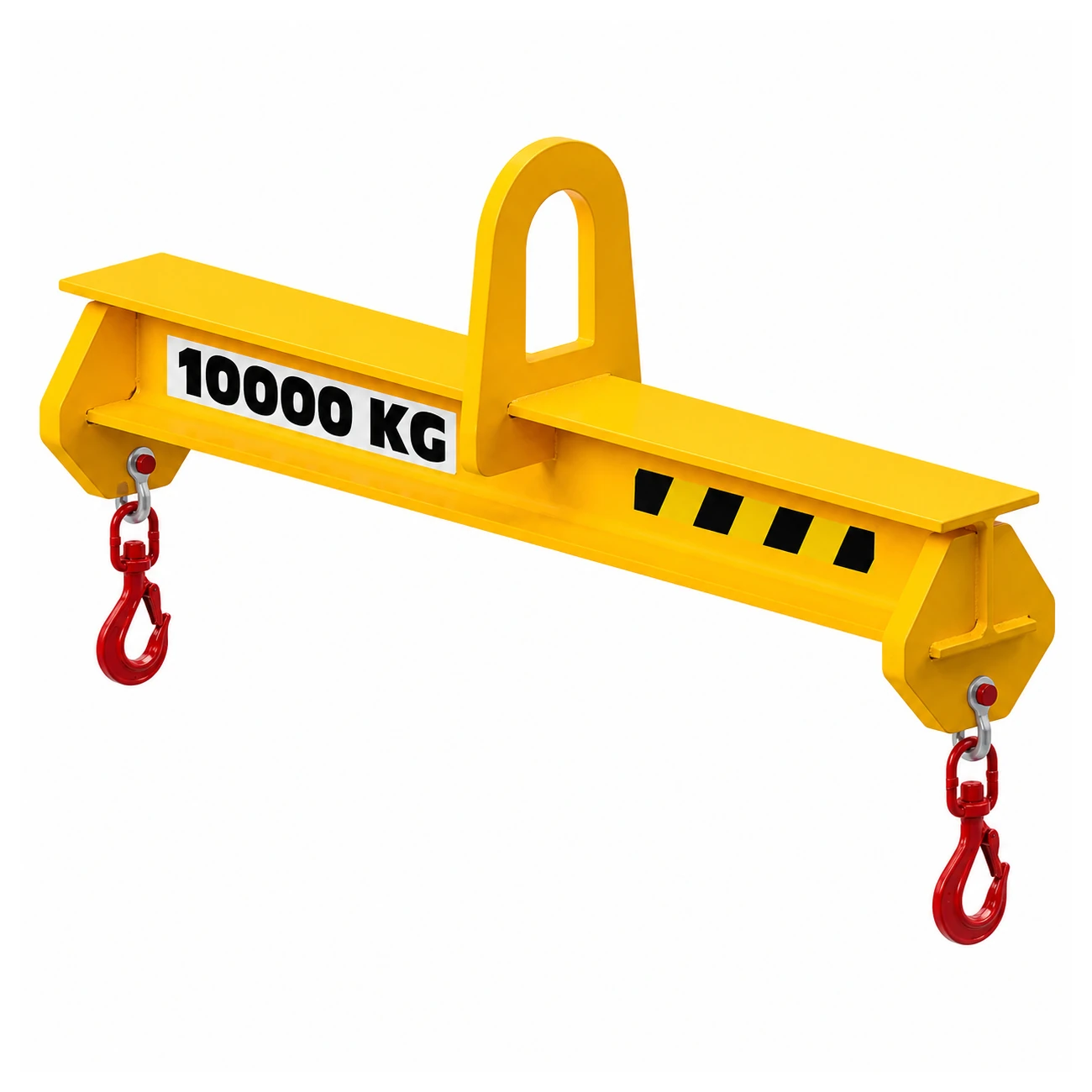
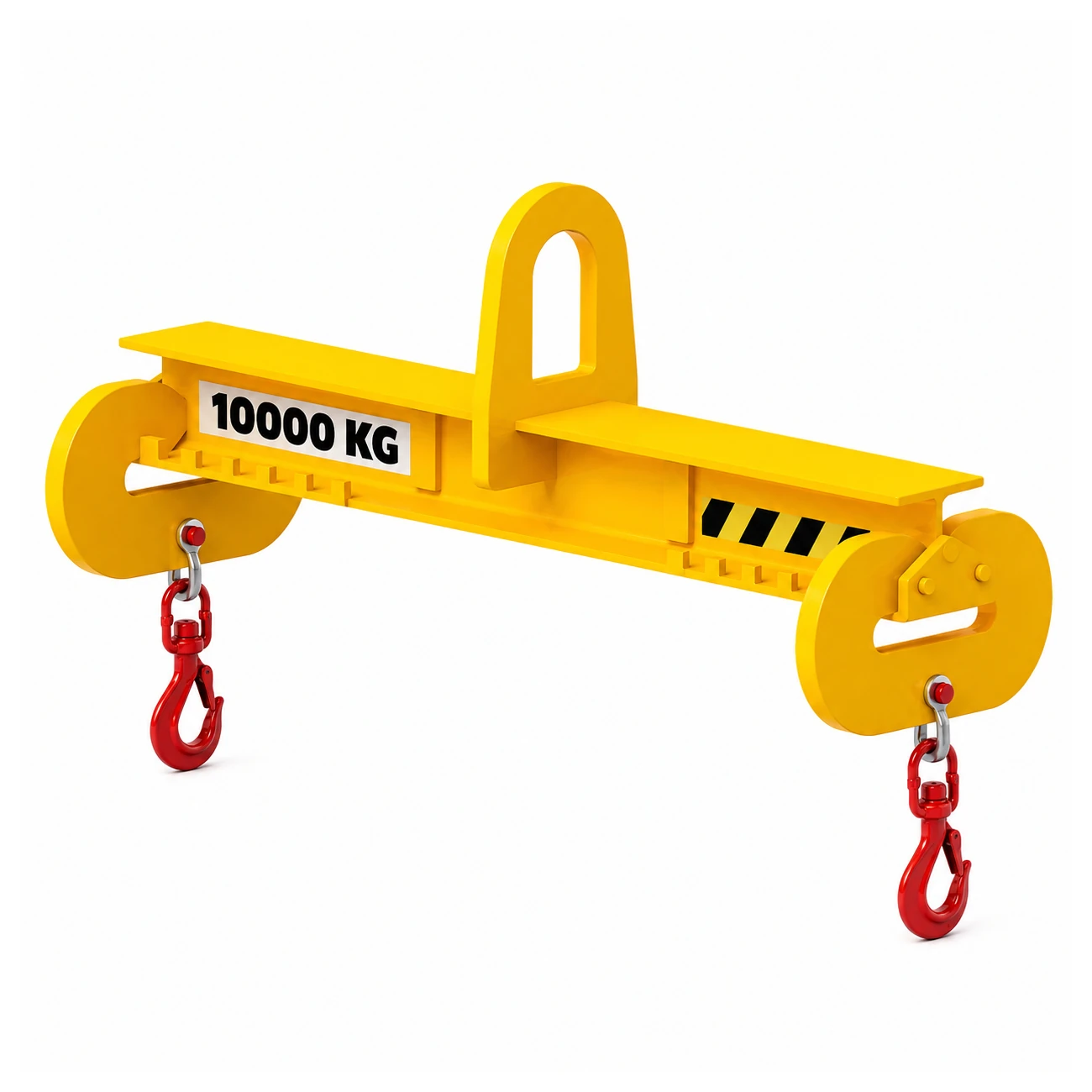
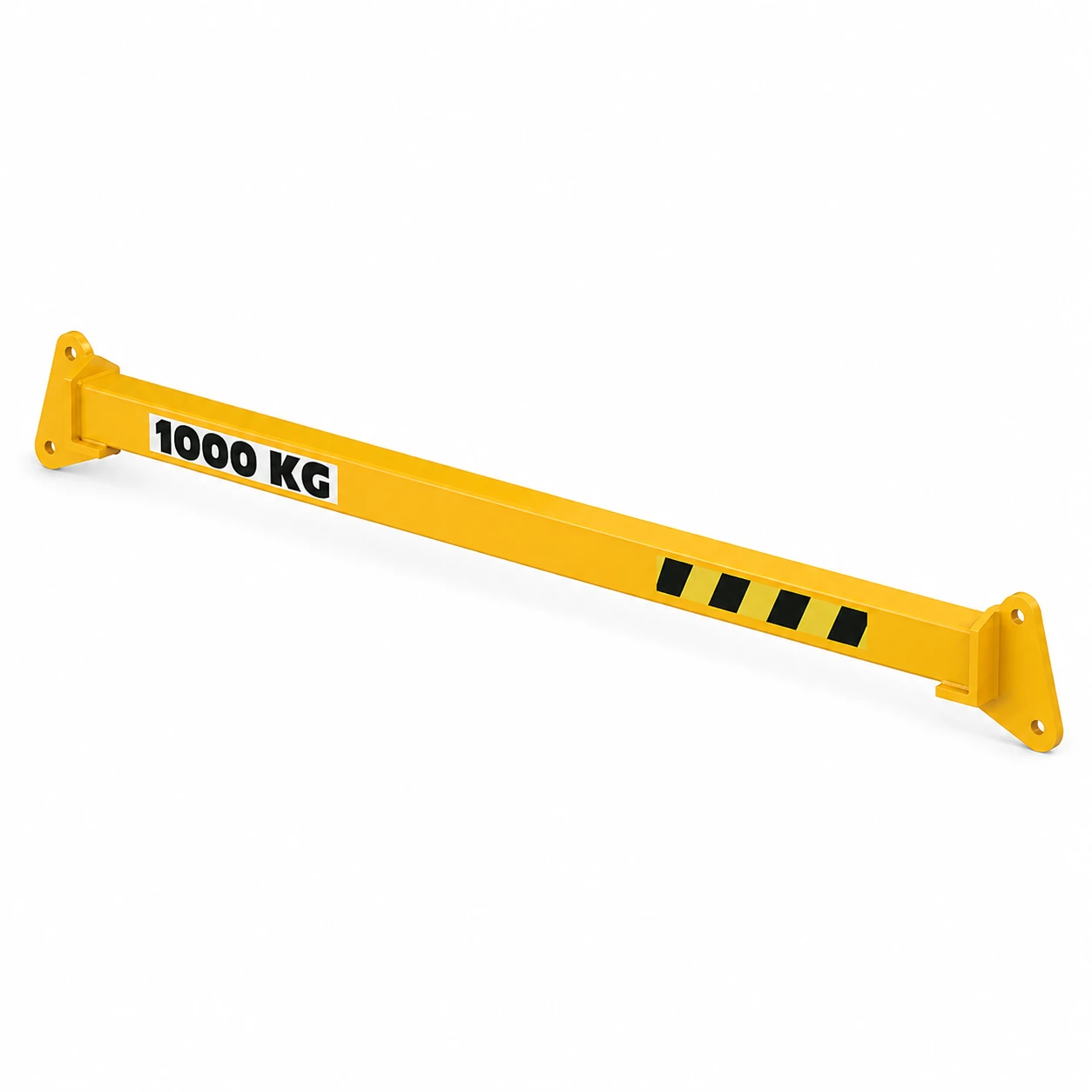
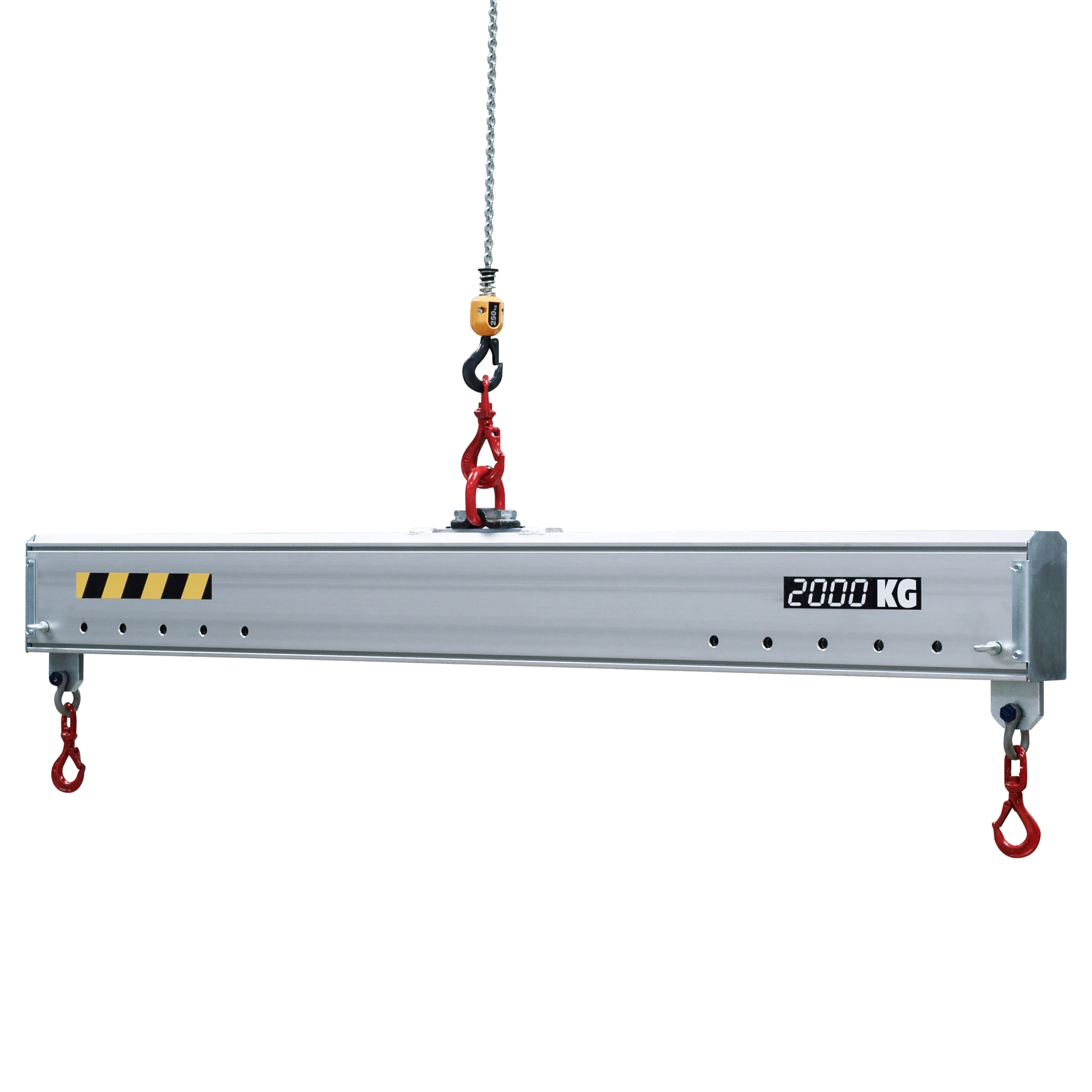
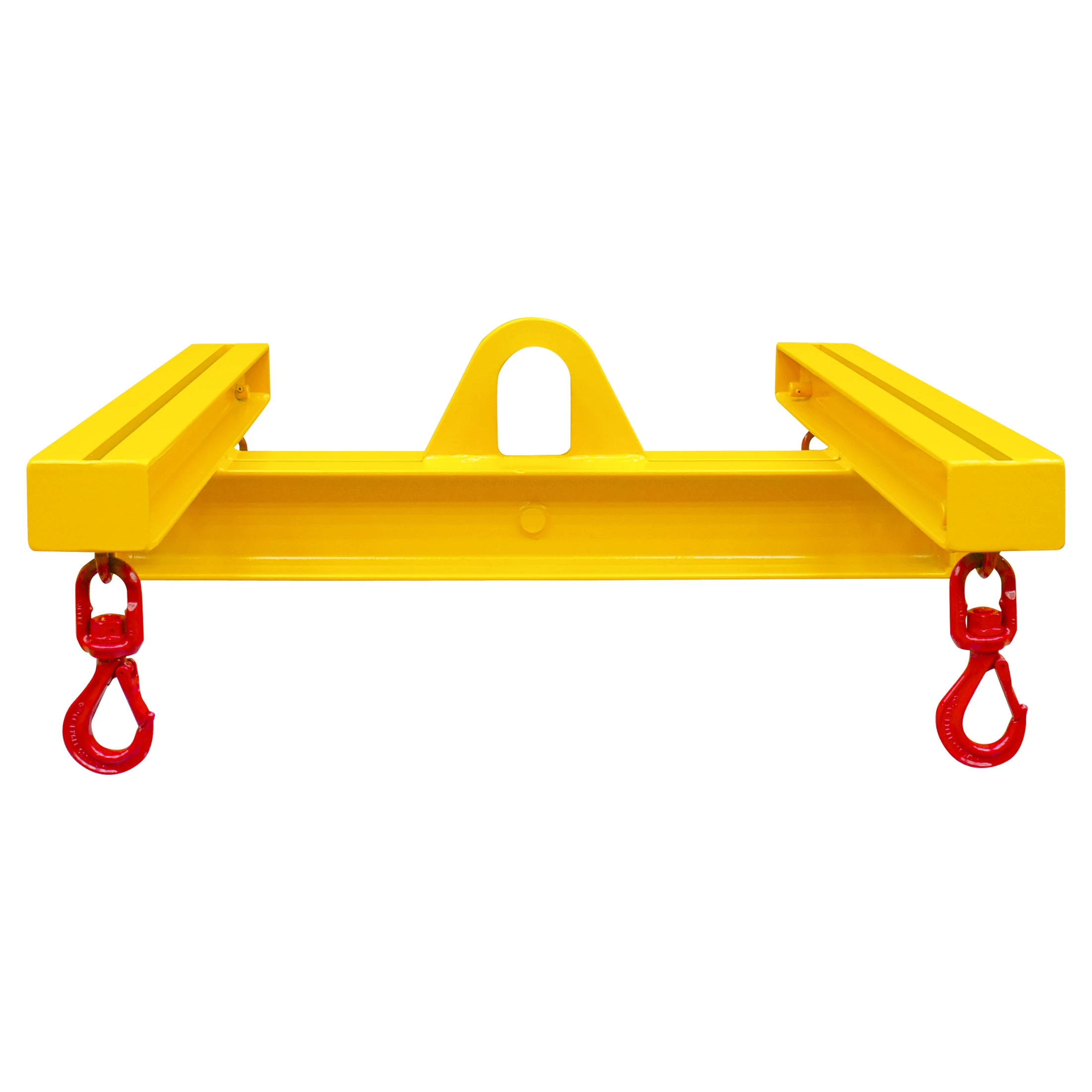
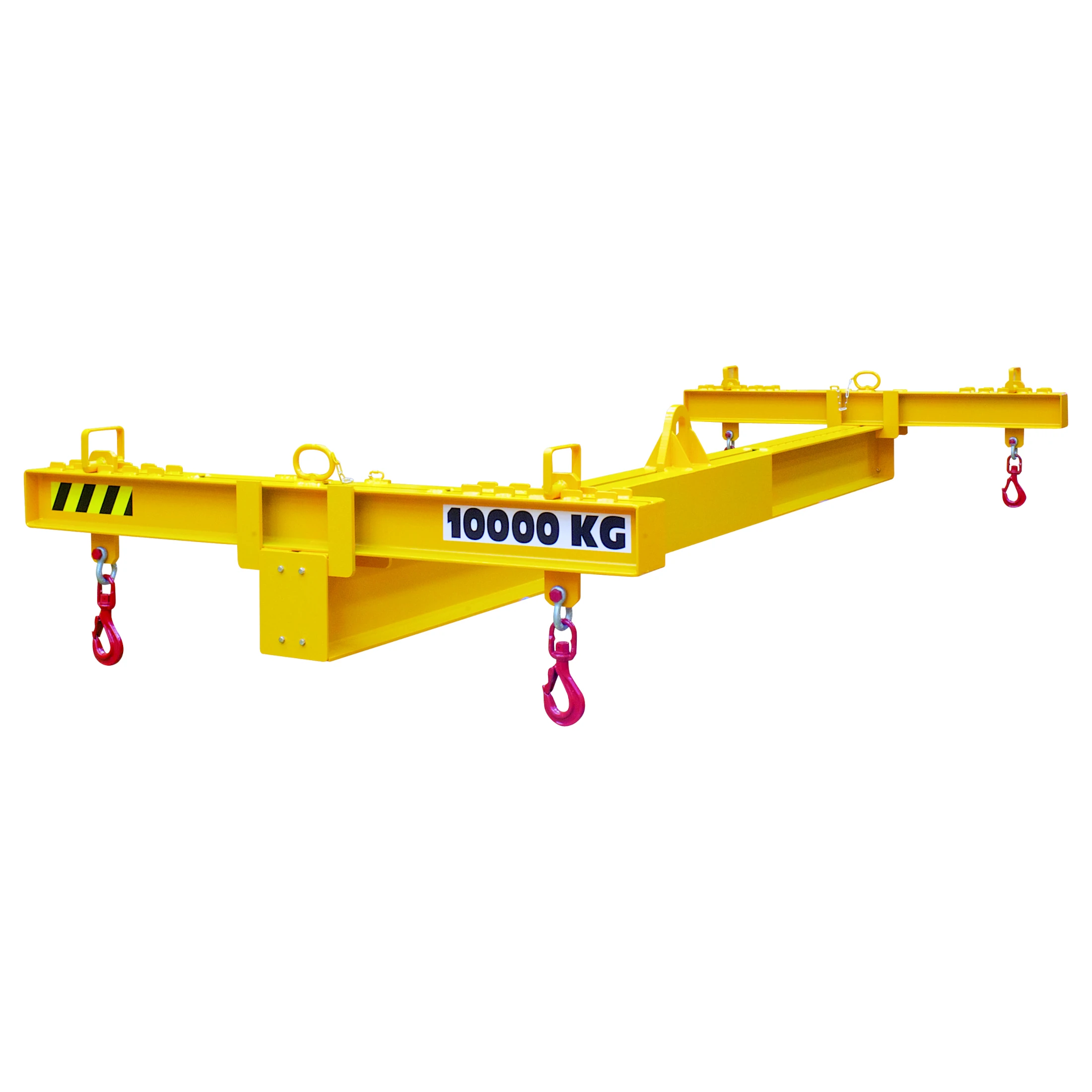
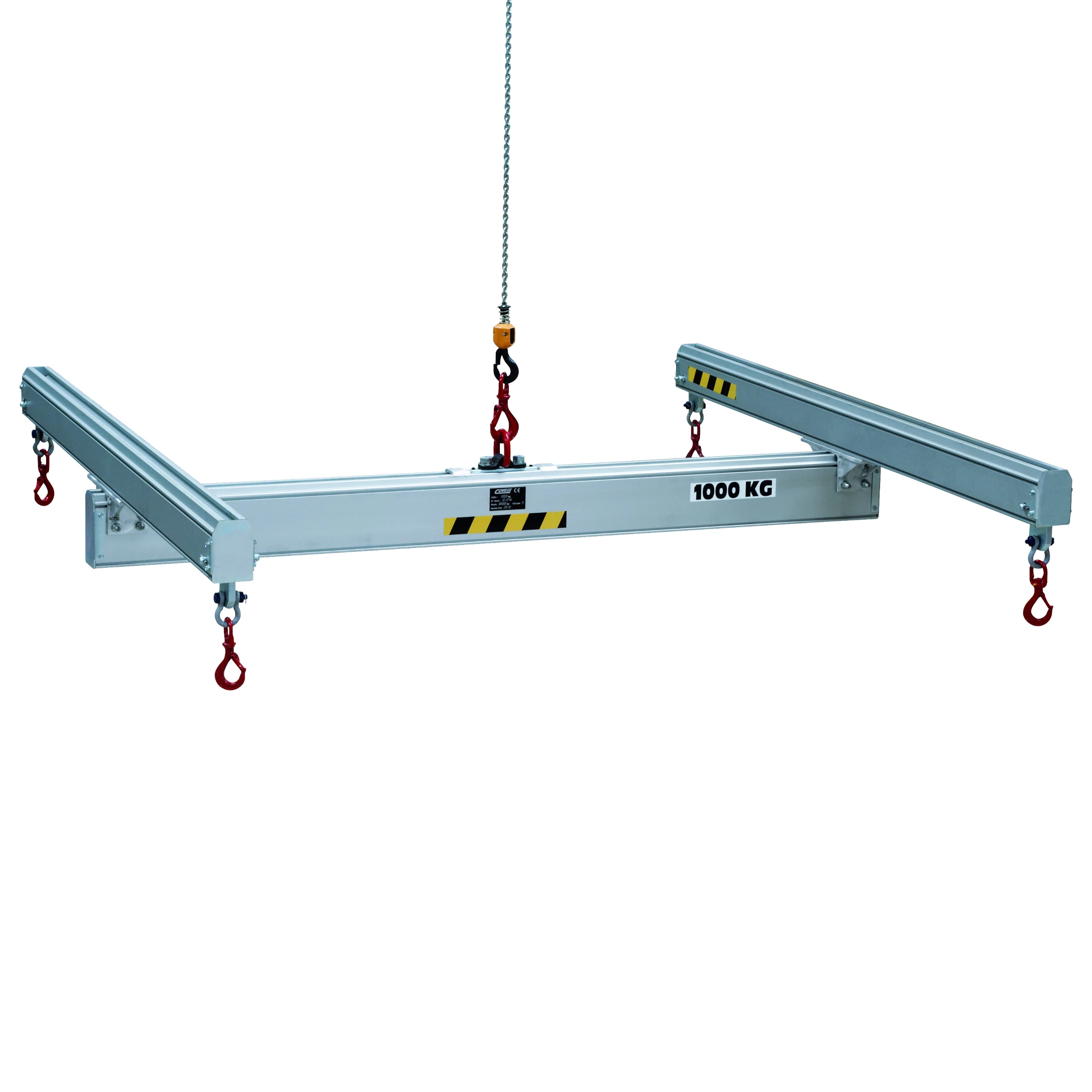
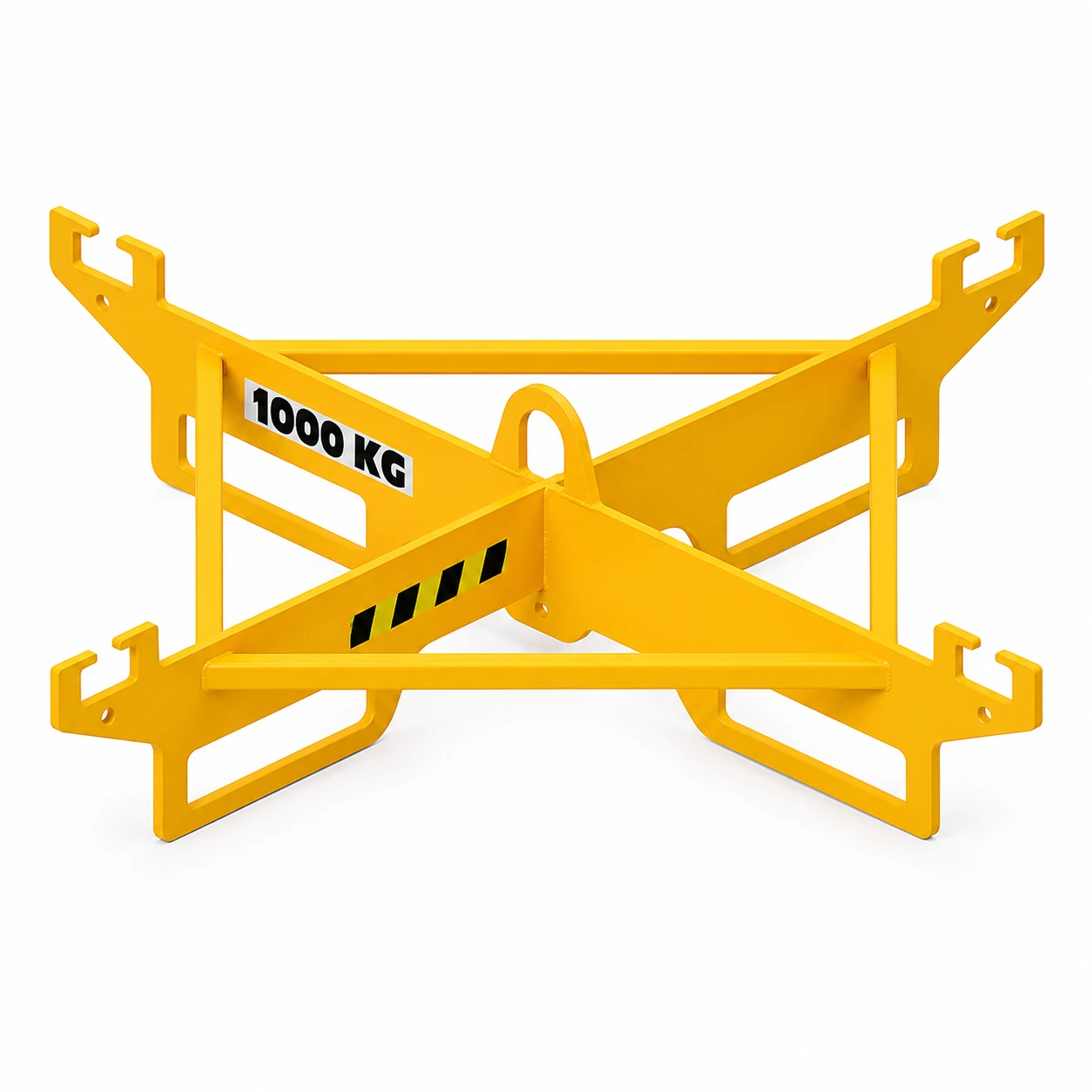
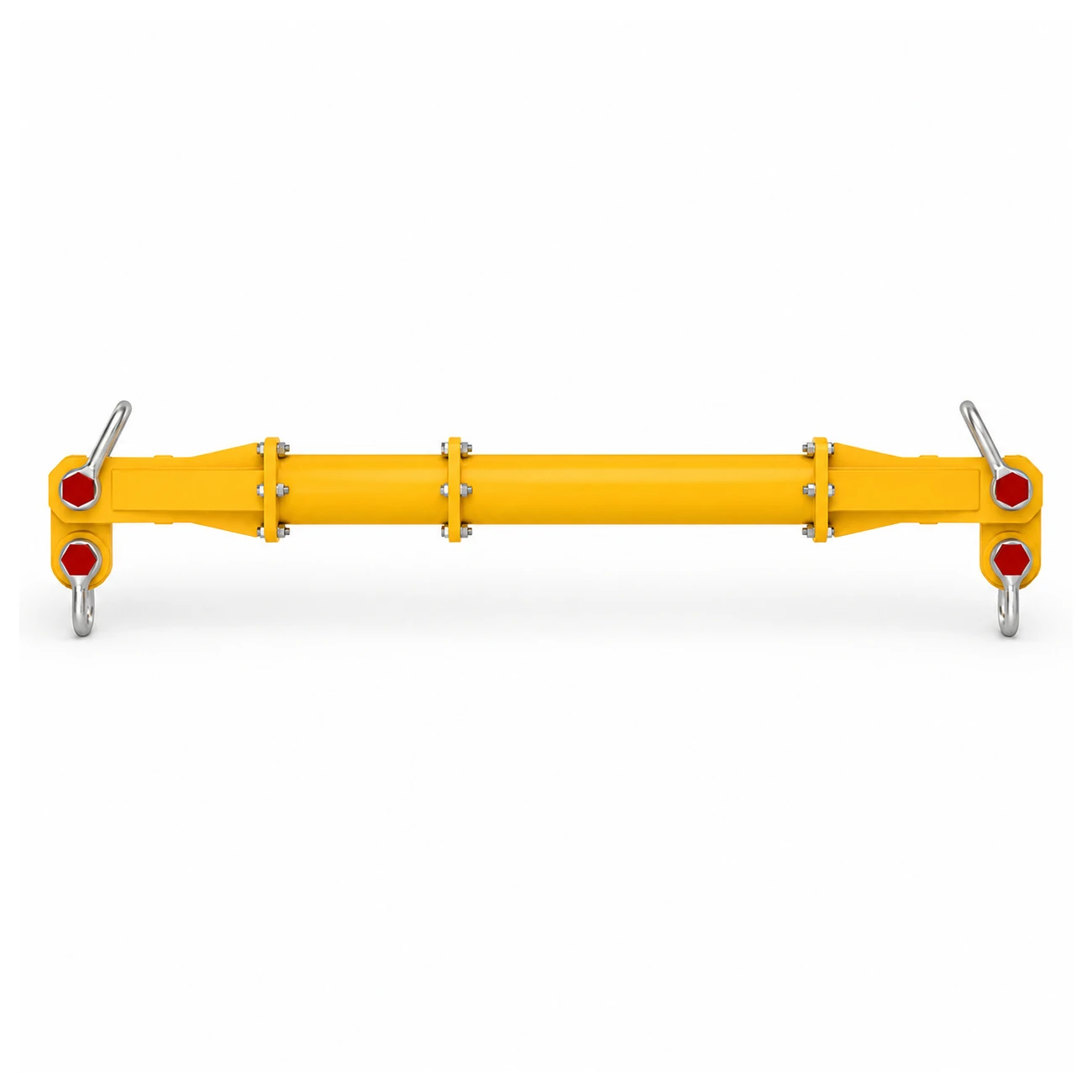
Applies to all non-fixed load lifting attachments: fixed, adjustable, modular and big-bag spreader beams, load-bearing beams, lifting clamps, C-hooks and crane forks.
Specifies safety requirements for non-fixed load lifting attachments for cranes, hoists and manually controlled load manipulating devices: lifting beams (spreader beams and traverses), plate clamps, other clamps, C-hooks, lifting forks, vacuum lifters and lifting magnets. Covers the proof of static strength, elastic stability and fatigue strength as well as marking and instructions.
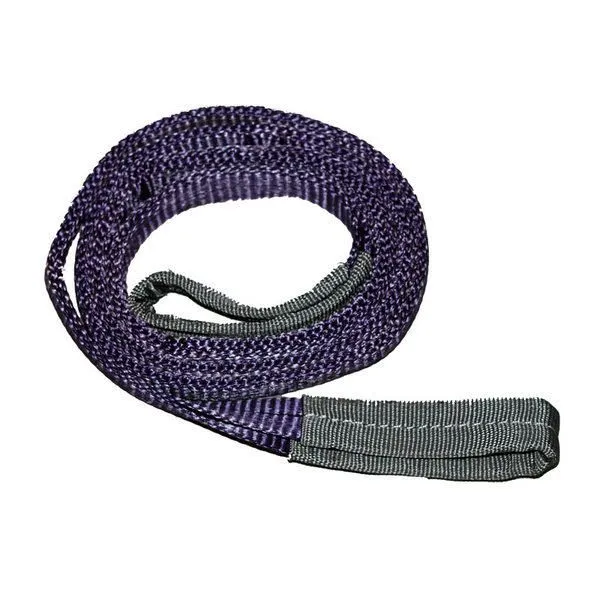
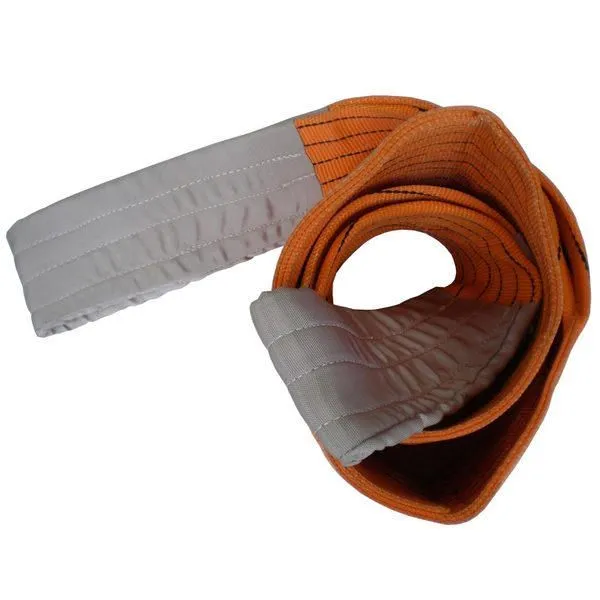
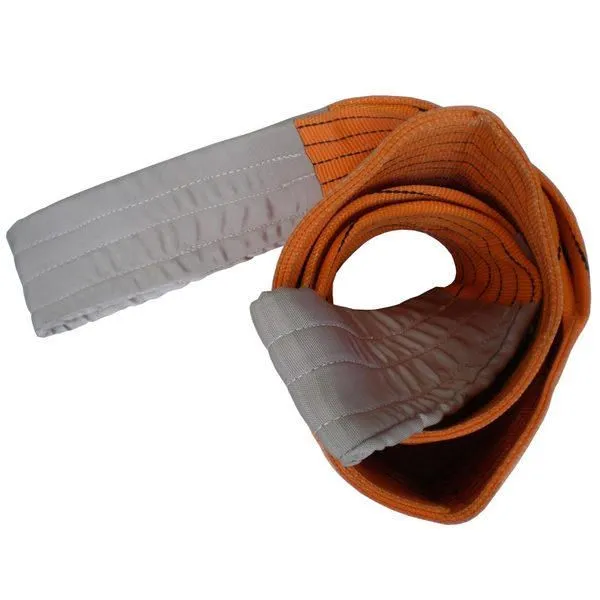
Chain and textile slings
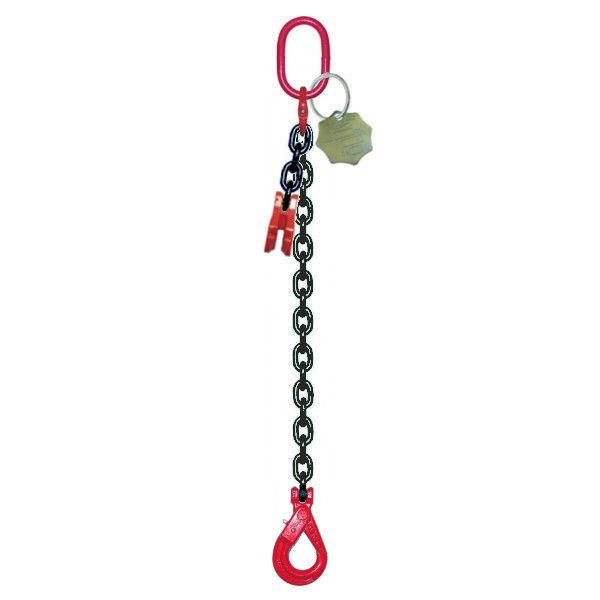
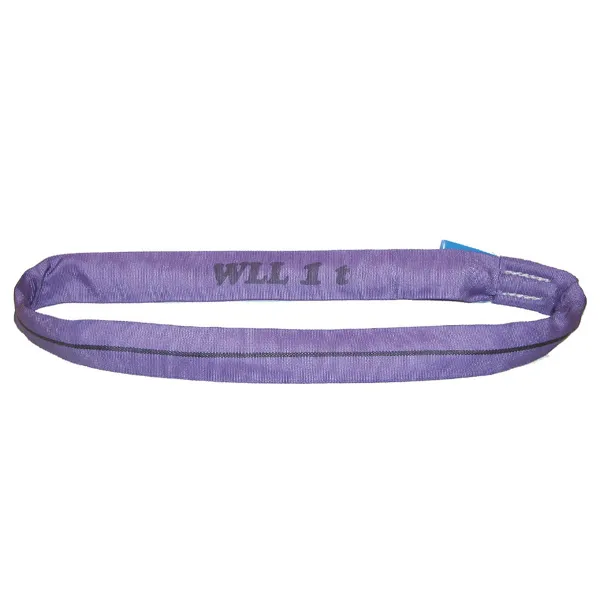
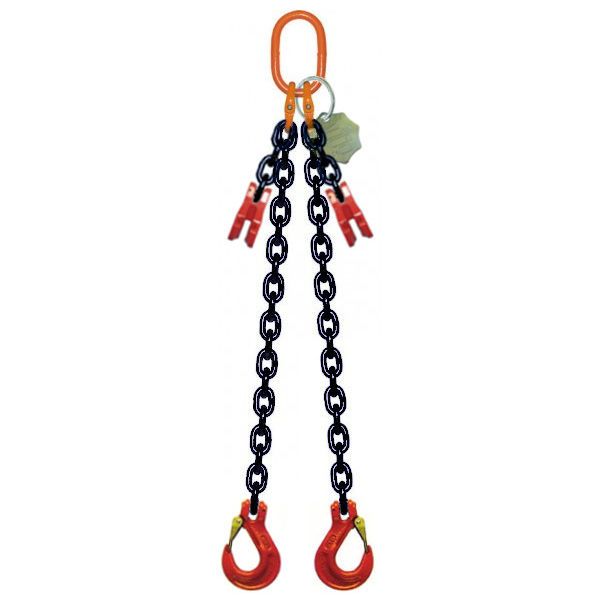
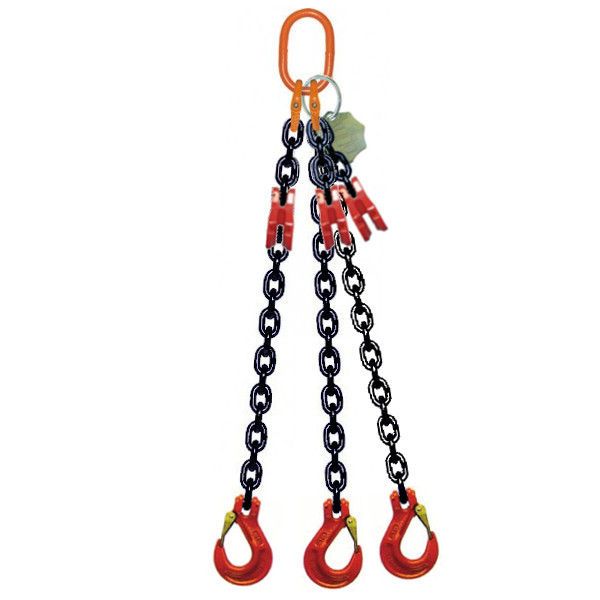
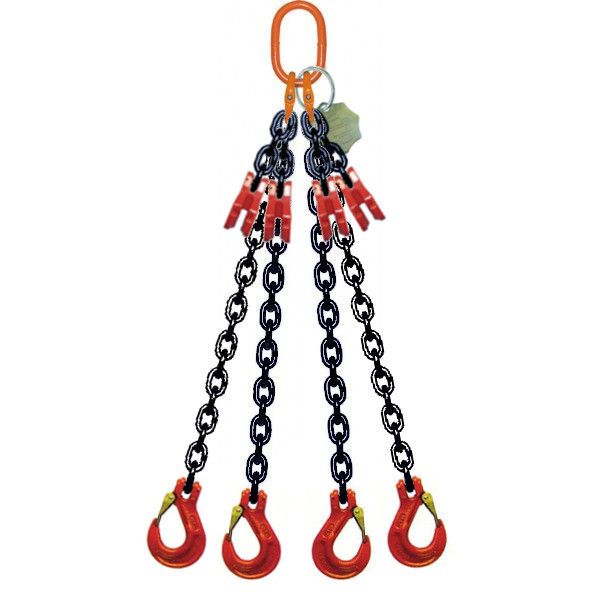
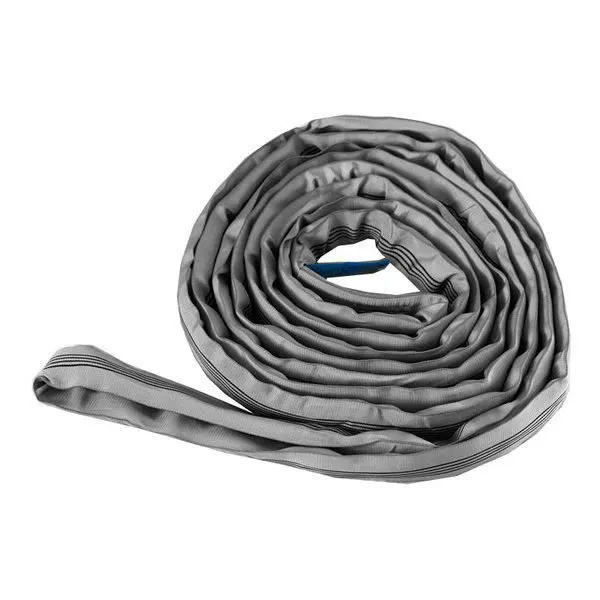
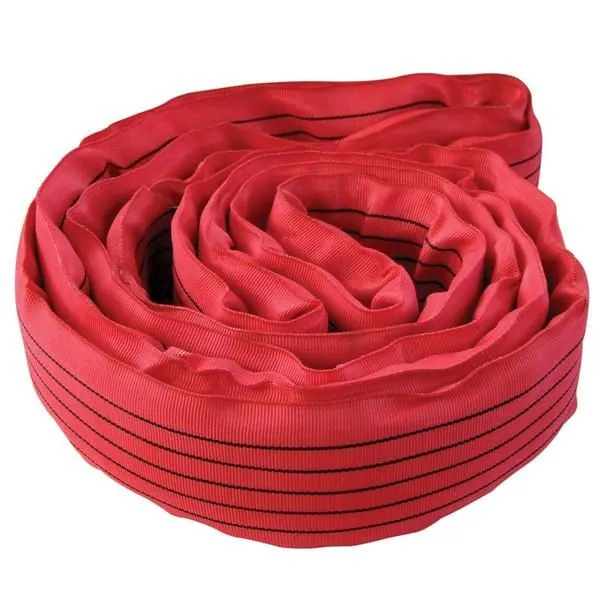
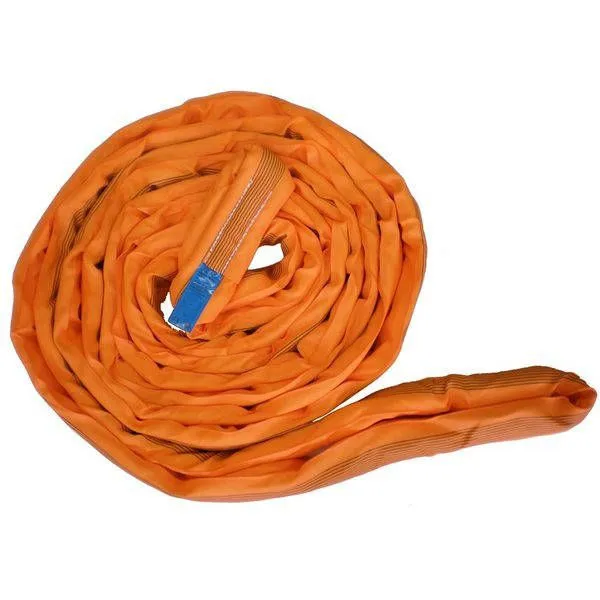
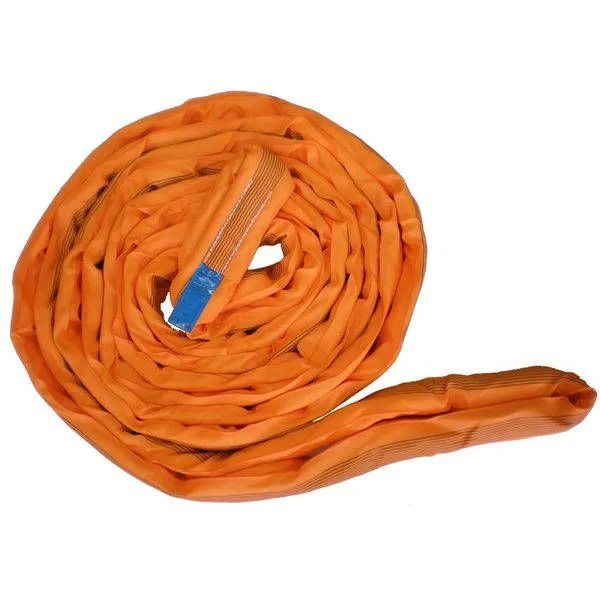
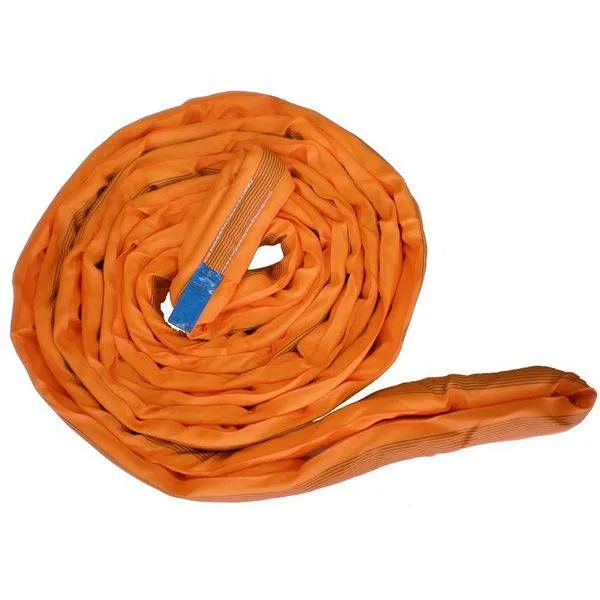
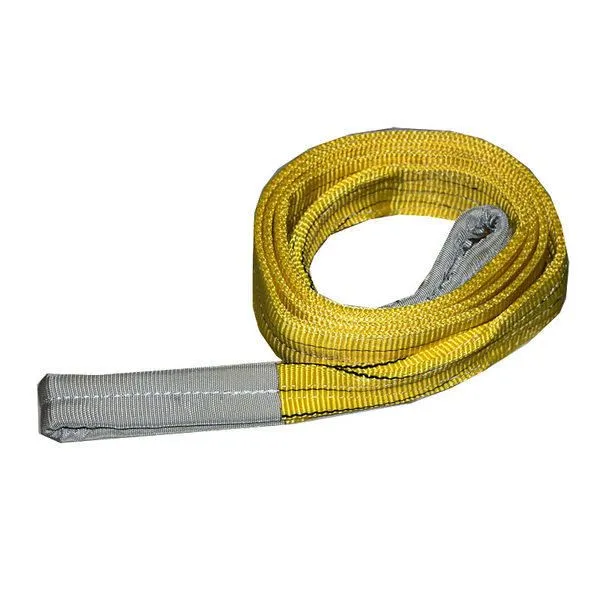
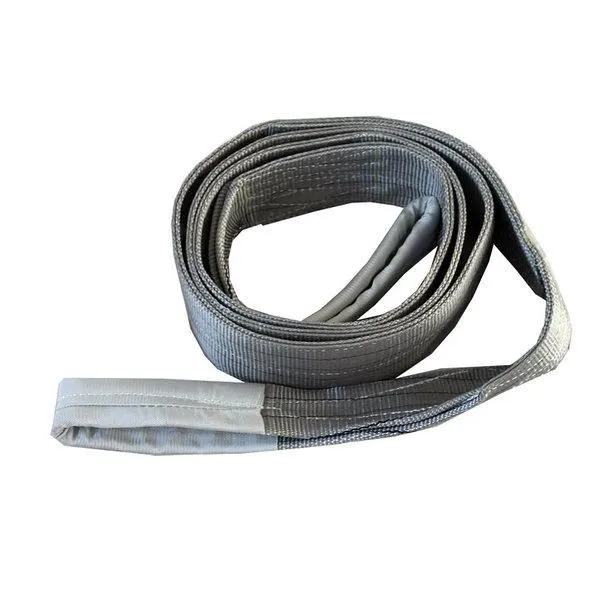
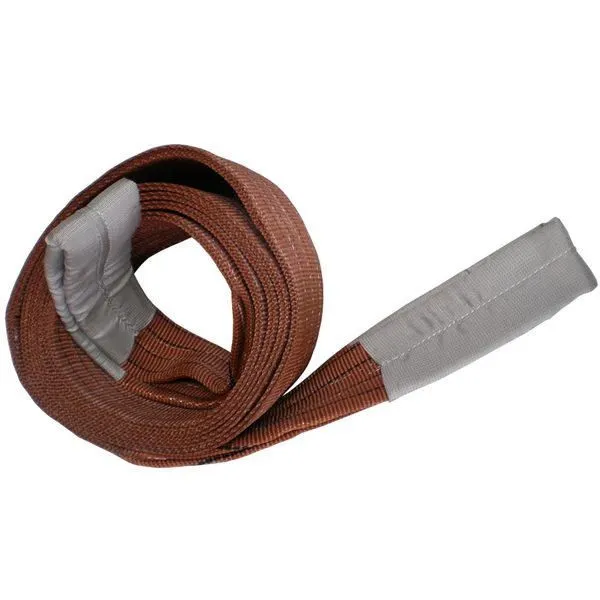
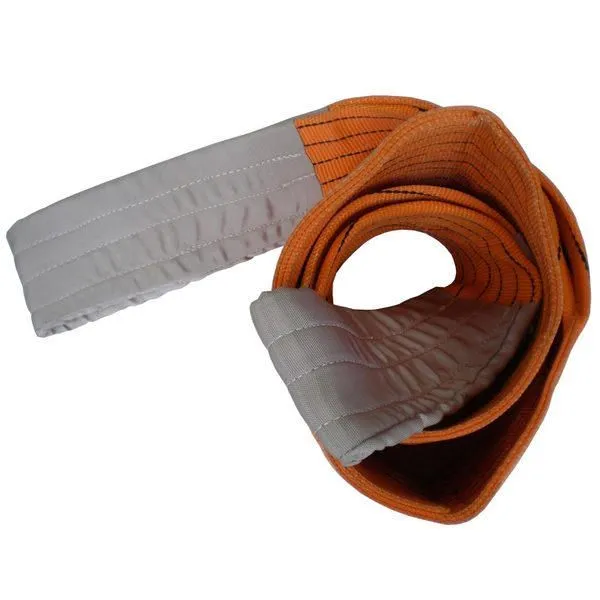
Applies to grade 8 chain slings, flat woven webbing slings and endless roundslings.
EN 818-4:1996+A1:2008
Short link chain for lifting purposes — Safety — Part 4: Chain slings — Grade 8
Specifies the safety requirements, rating and testing of grade 8 chain slings — single-, two-, three- and four-leg — assembled from short link chain and components in accordance with the EN 818 and EN 1677 series, including working load limits, marking and manufacturer's certificate.
EN 1492-1:2000+A1:2008
Textile slings — Safety — Part 1: Flat woven webbing slings made of man-made fibres for general purpose use
Specifies the requirements related to safety, including methods of rating and testing, of single-, two-, three-, four-leg and endless sewn flat woven webbing slings, with or without fittings, made of polyamide, polyester and polypropylene webbing in widths from 25 mm to 450 mm, for general purpose lifting operations.
EN 1492-2:2000+A1:2008
Textile slings — Safety — Part 2: Roundslings made of man-made fibres for general purpose use
Specifies the requirements related to safety, including methods of rating and testing, of roundslings up to 40 t working load limit in straight lift, and of two-, three- and four-leg roundsling assemblies, with or without fittings, made of polyamide, polyester and polypropylene, for general purpose lifting operations.
Balancers and load manipulators
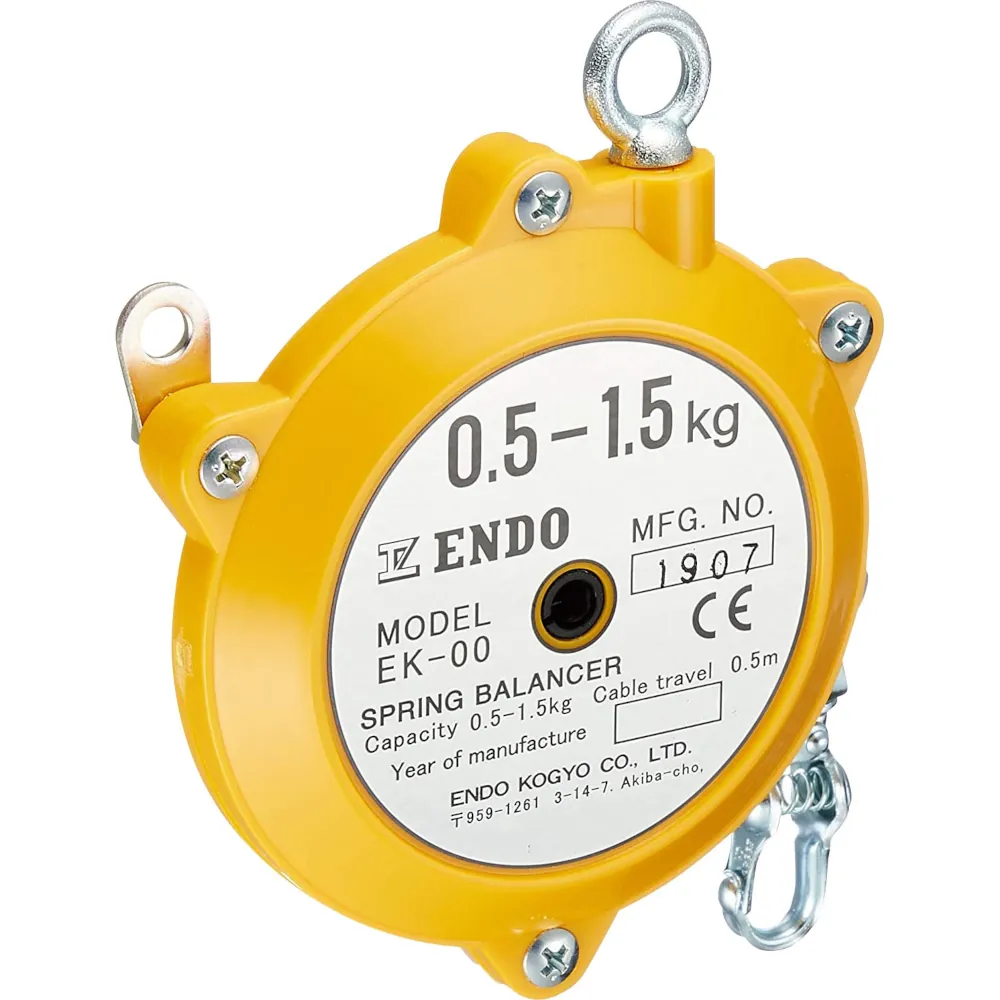
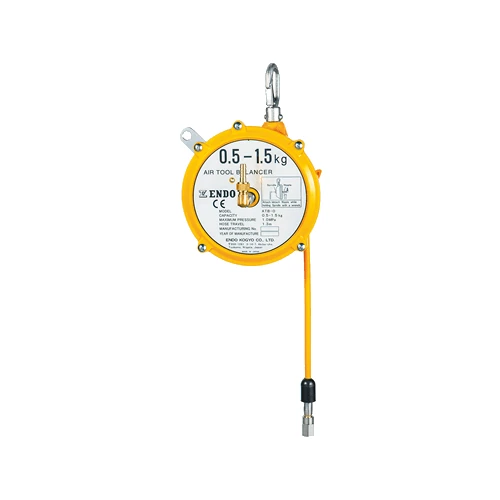
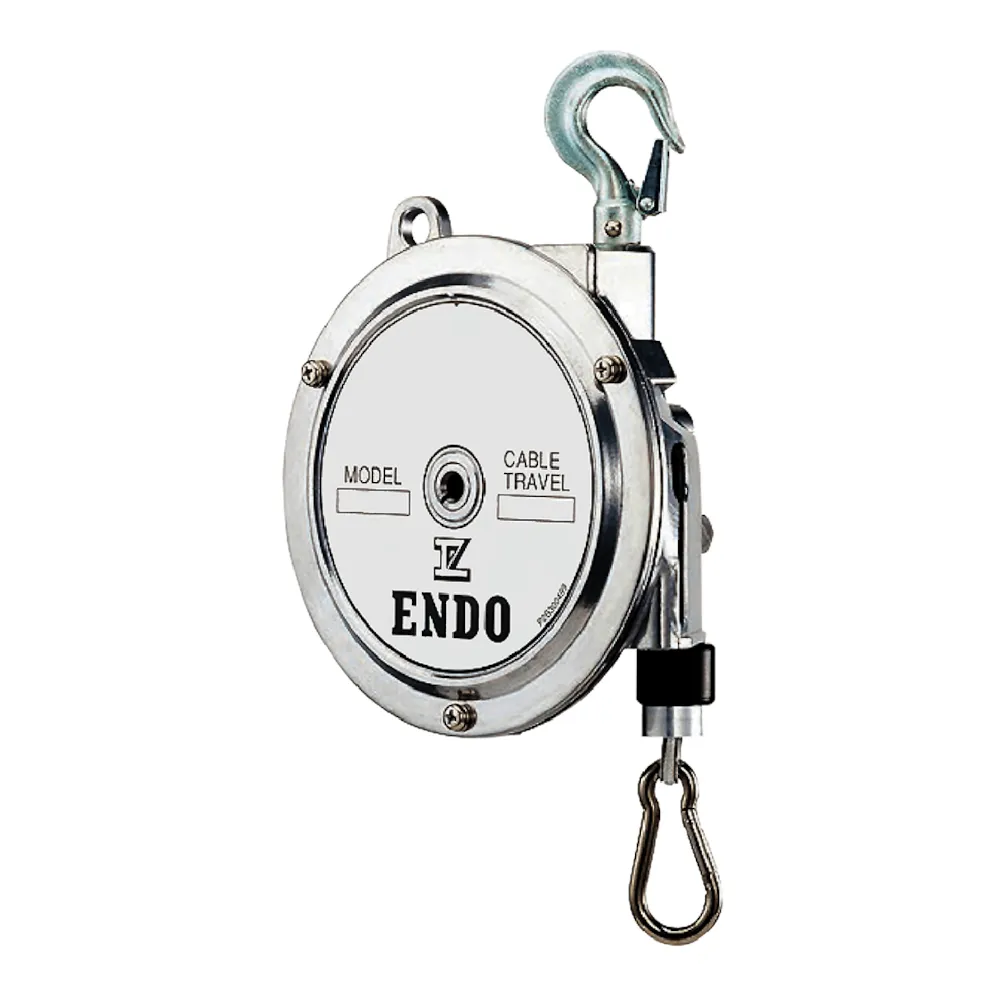
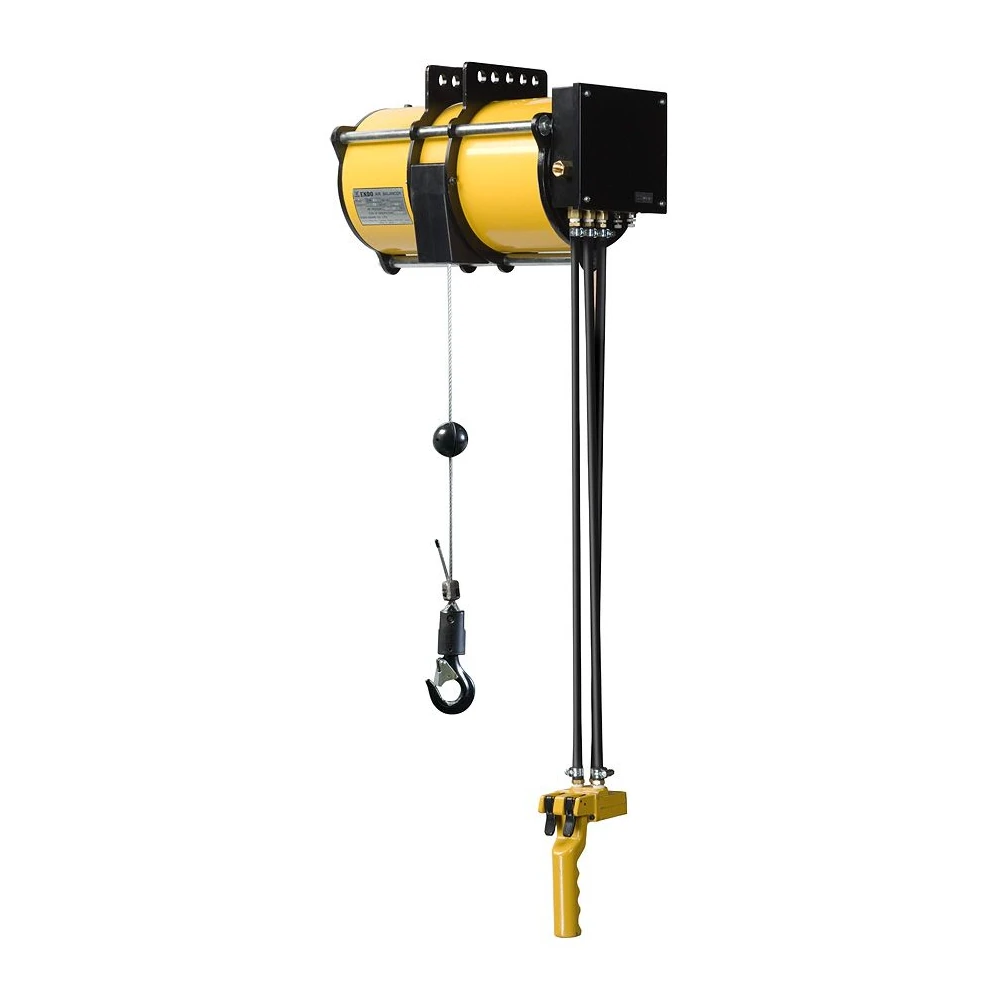
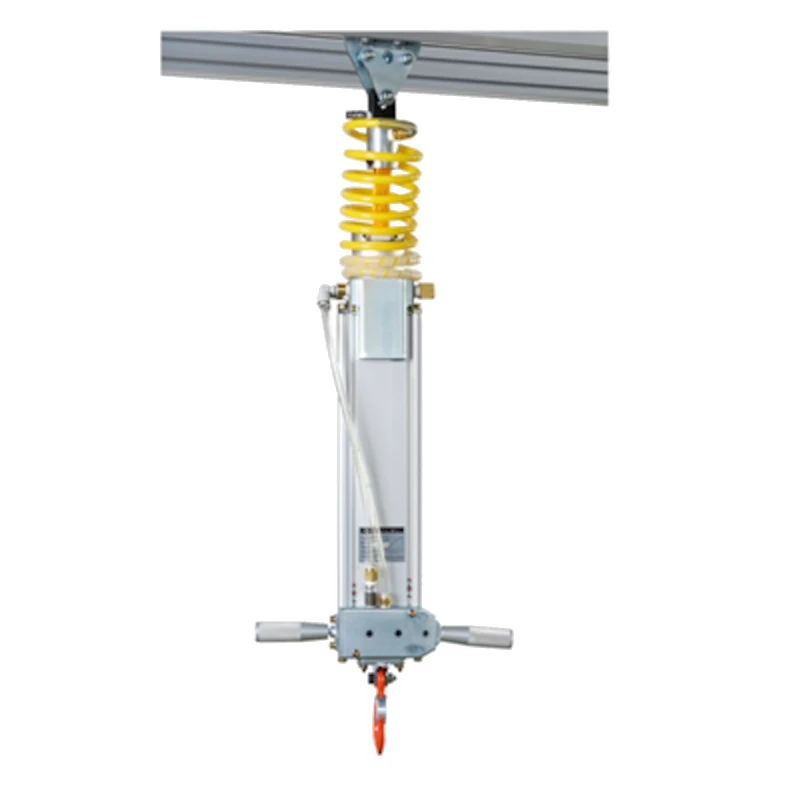
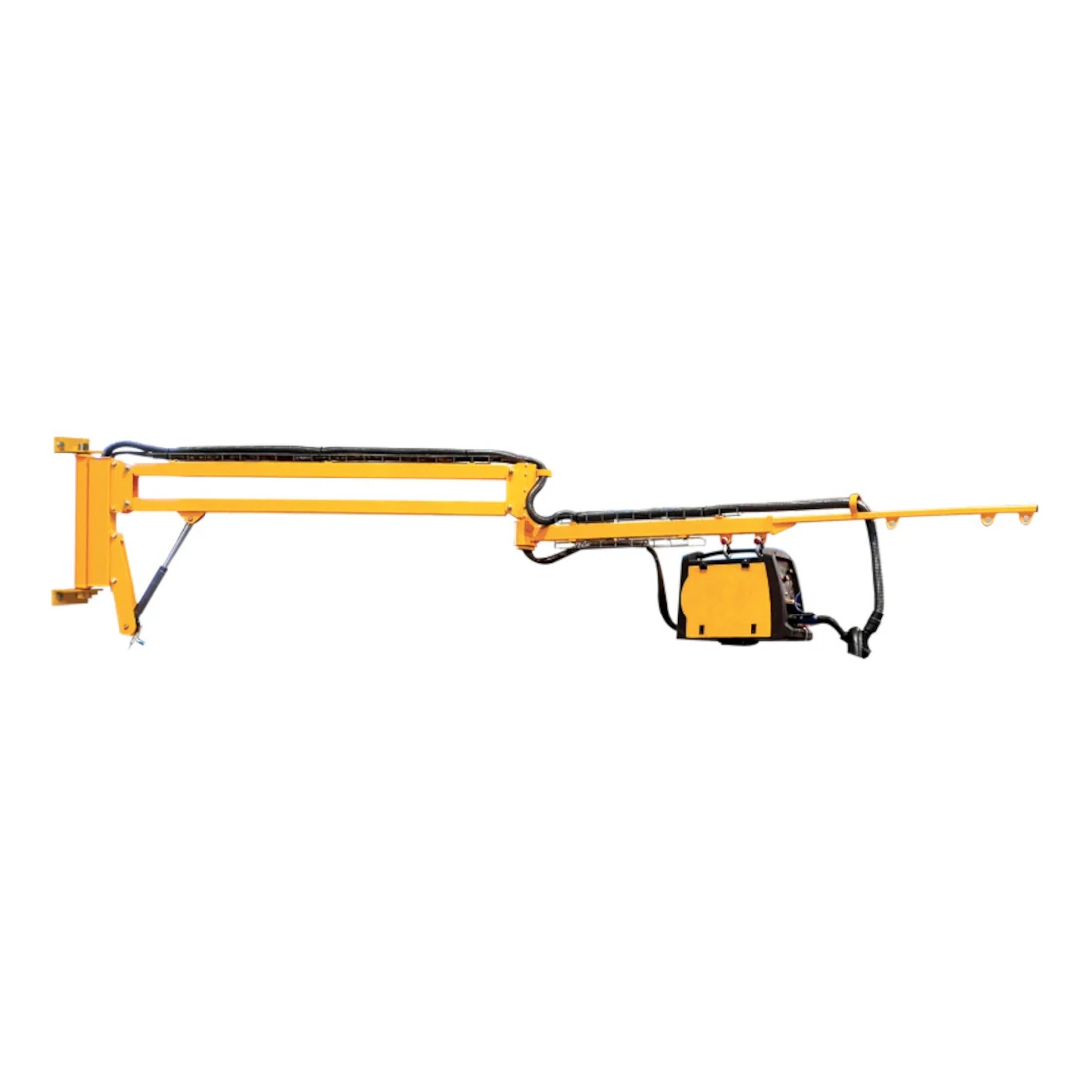
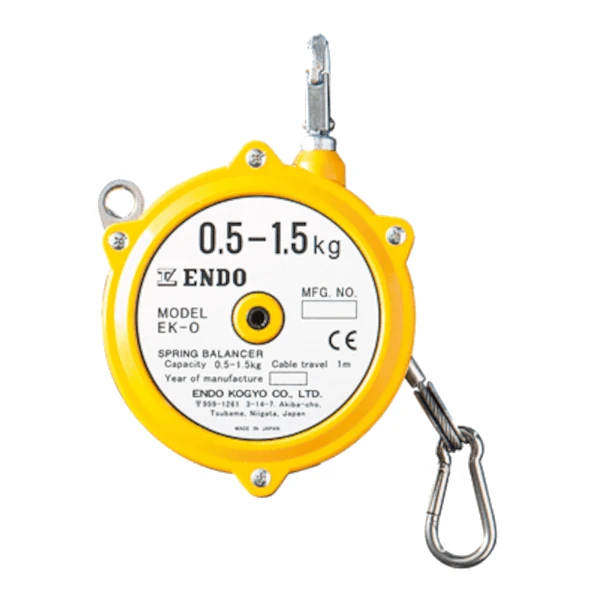
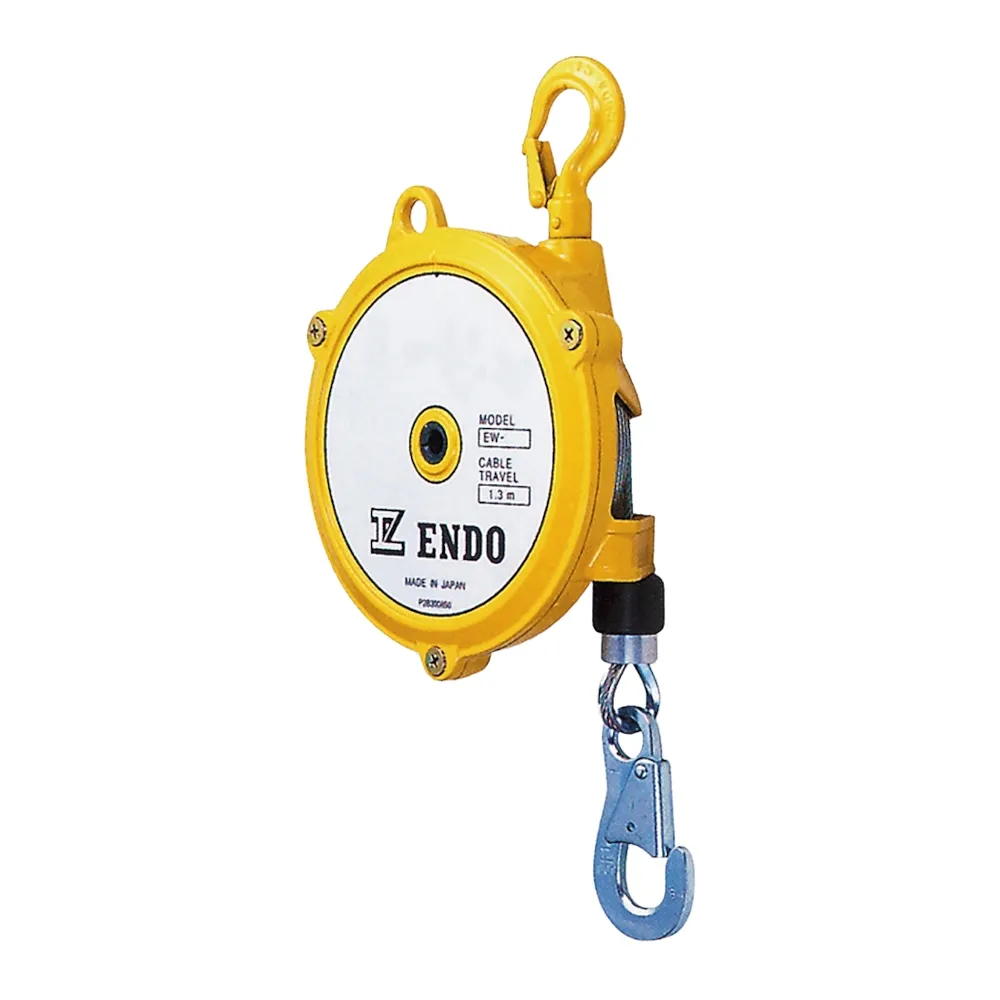
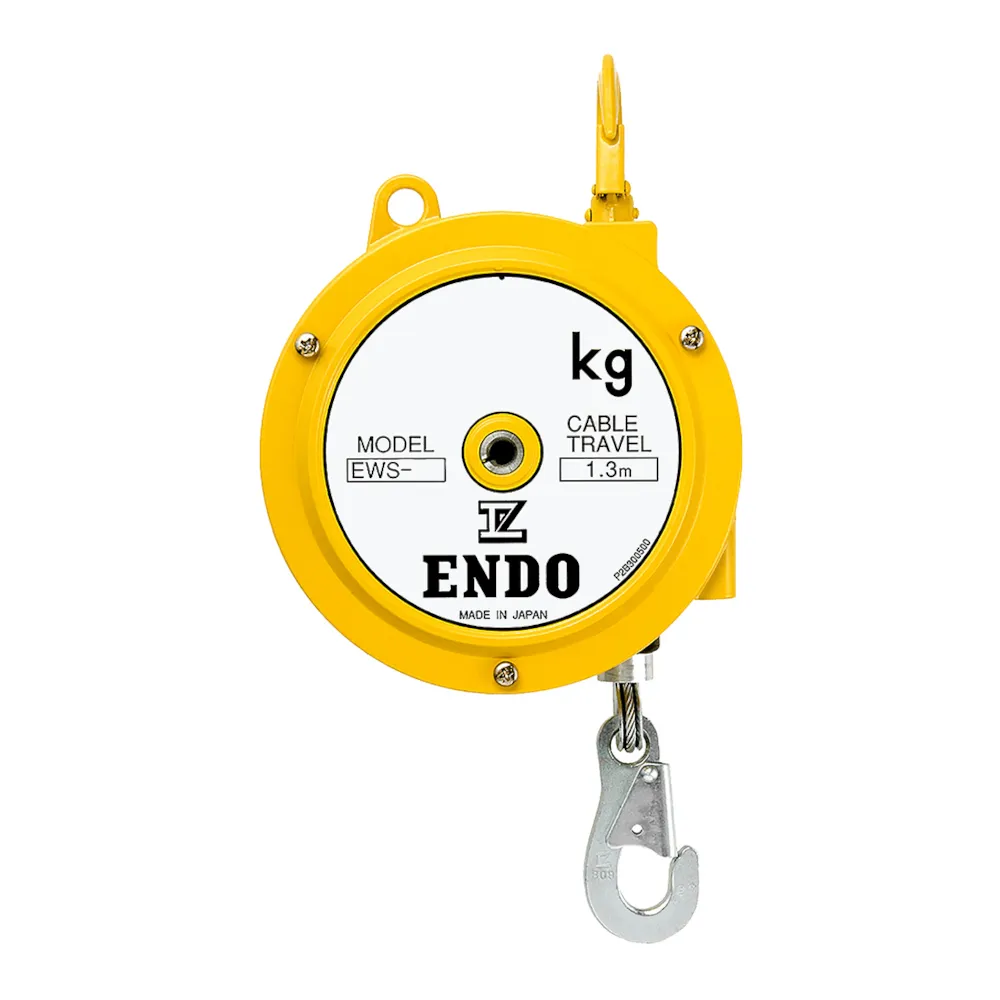
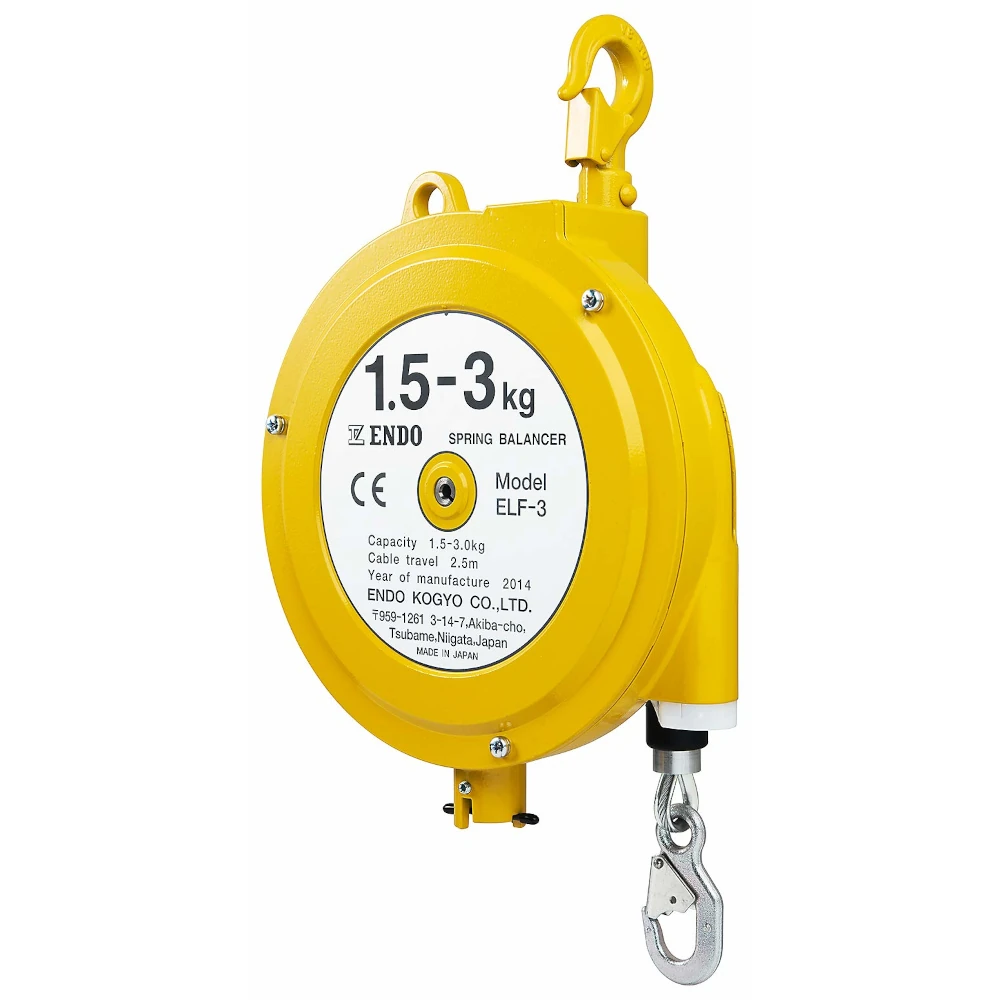
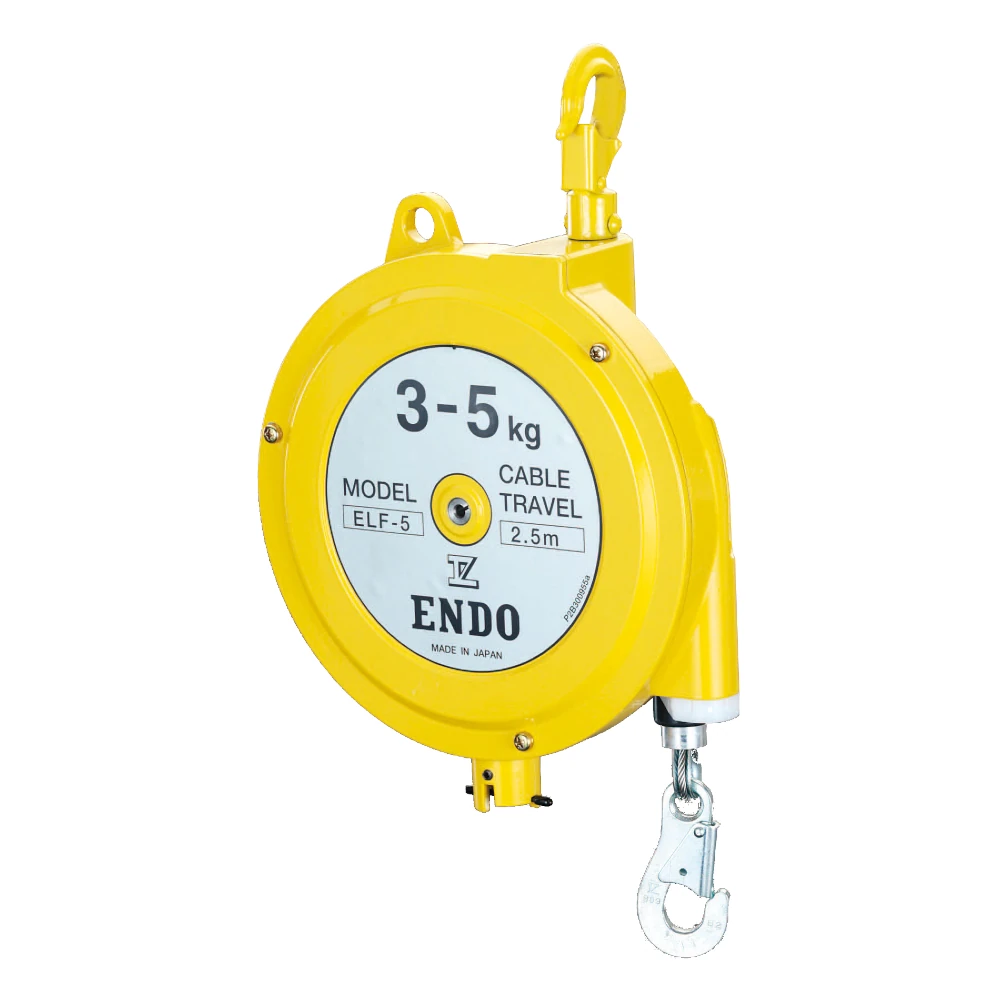
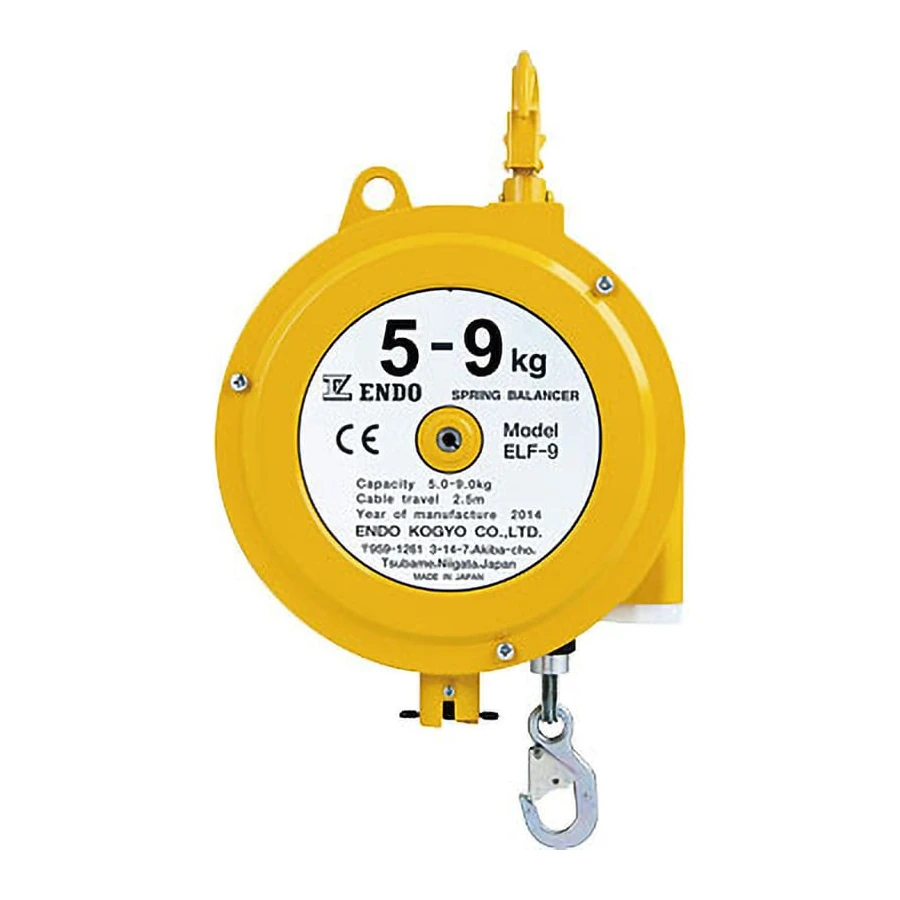
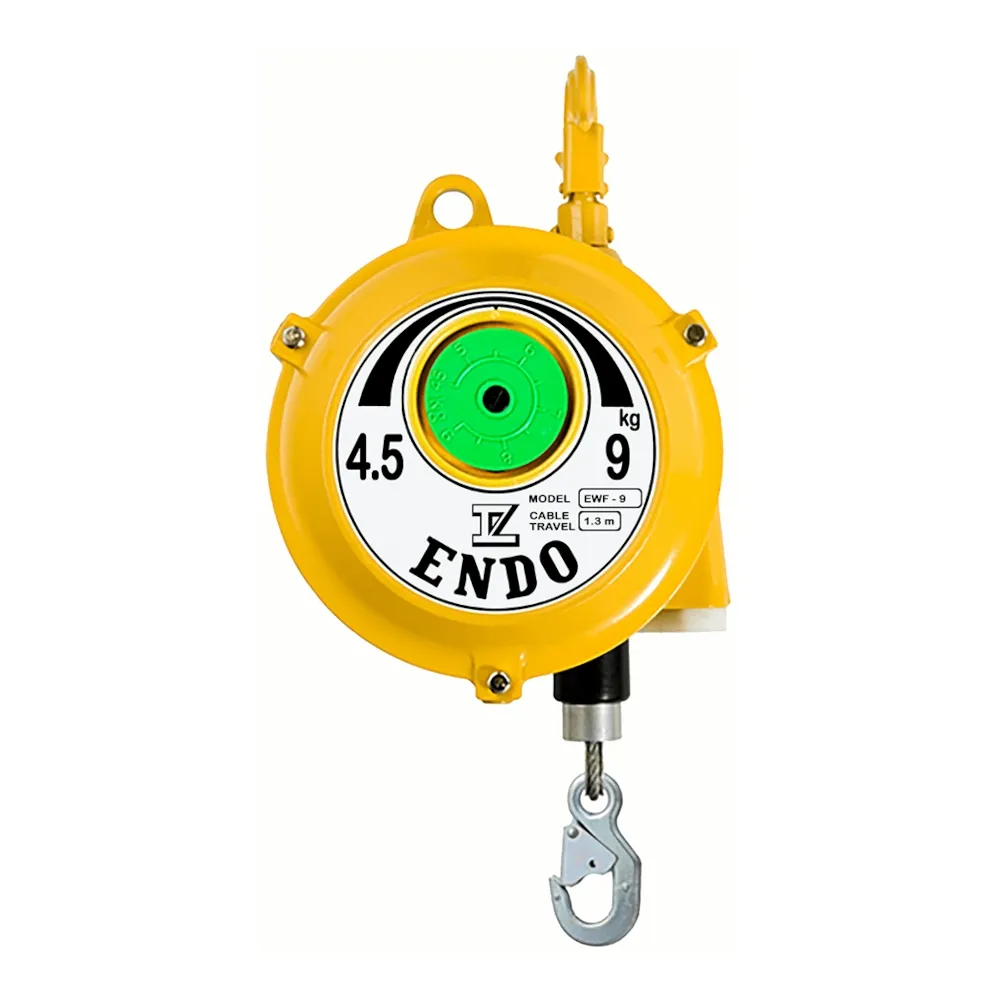
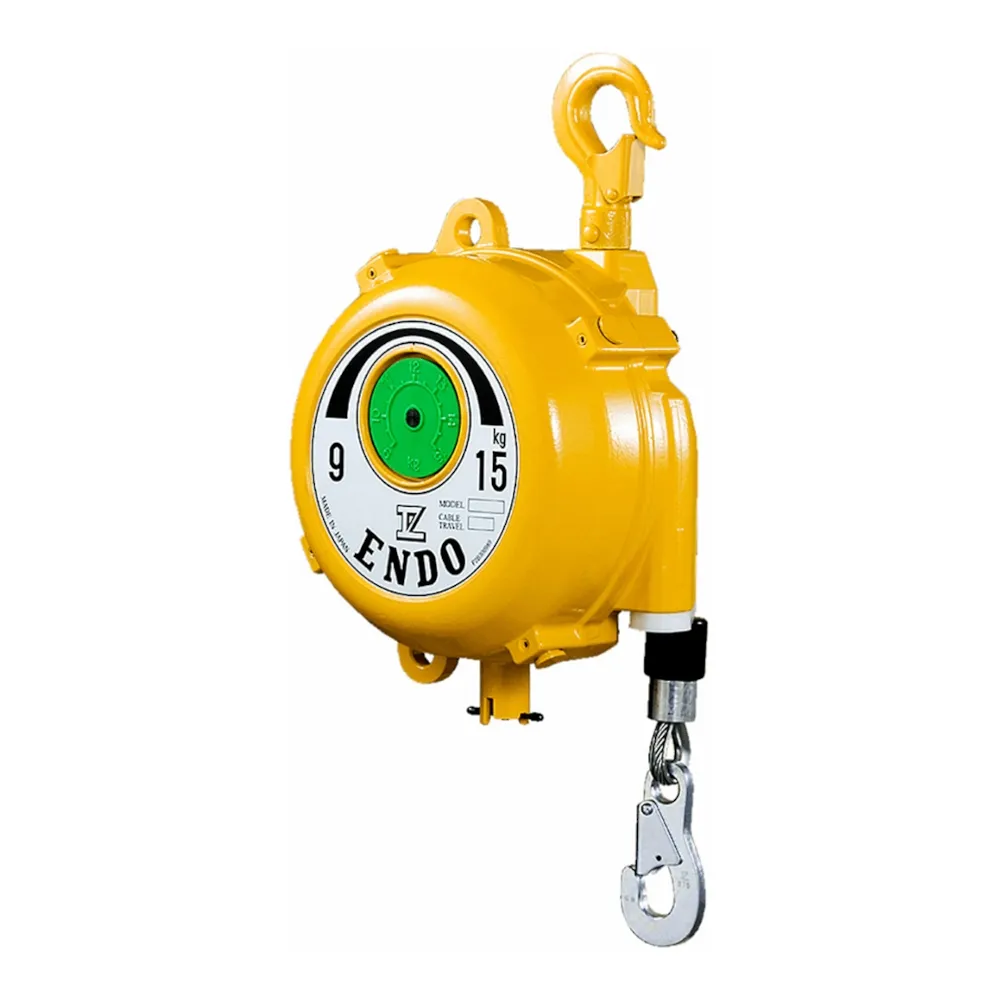
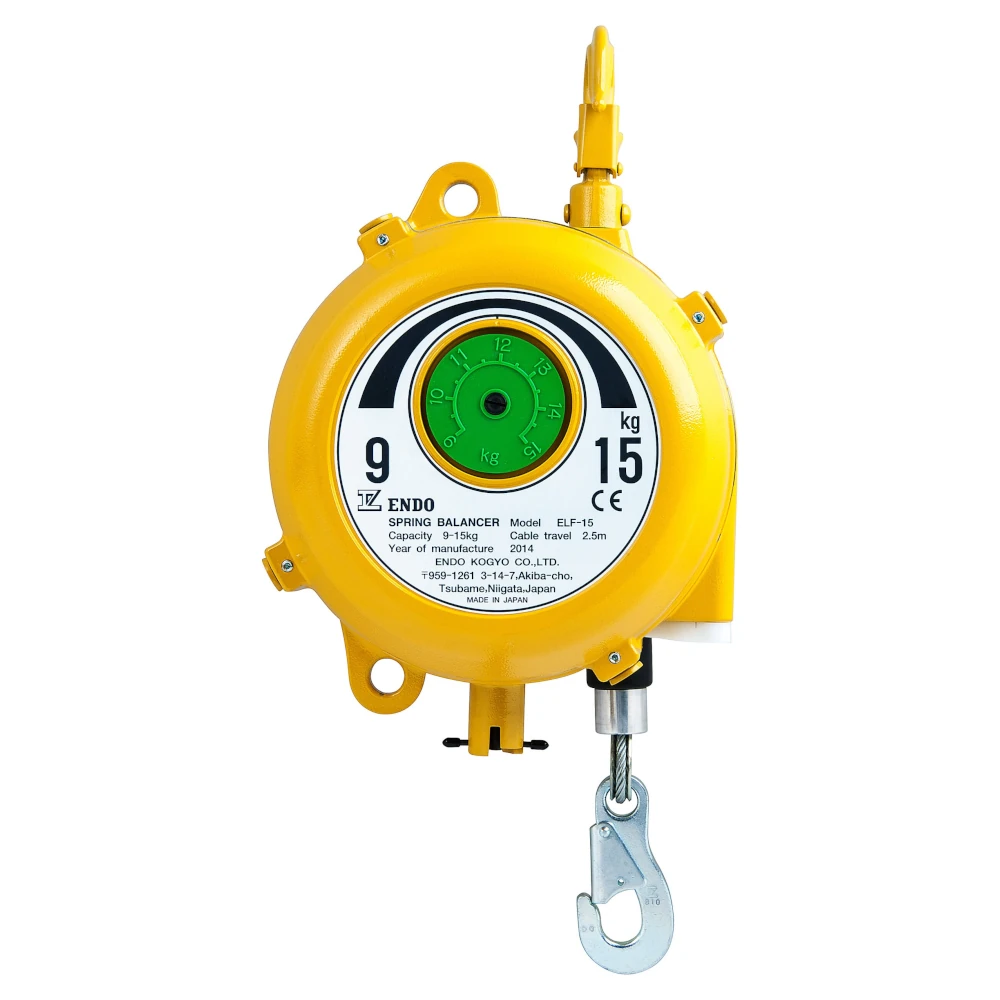
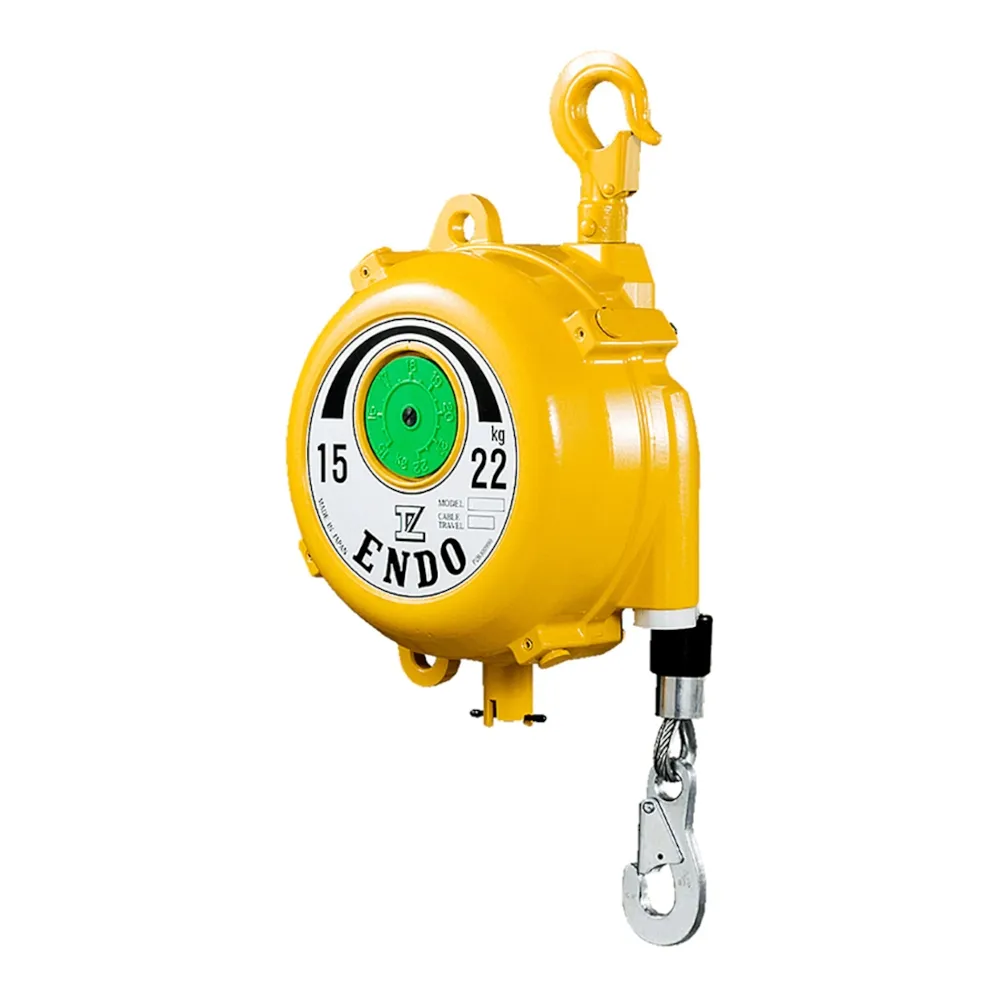
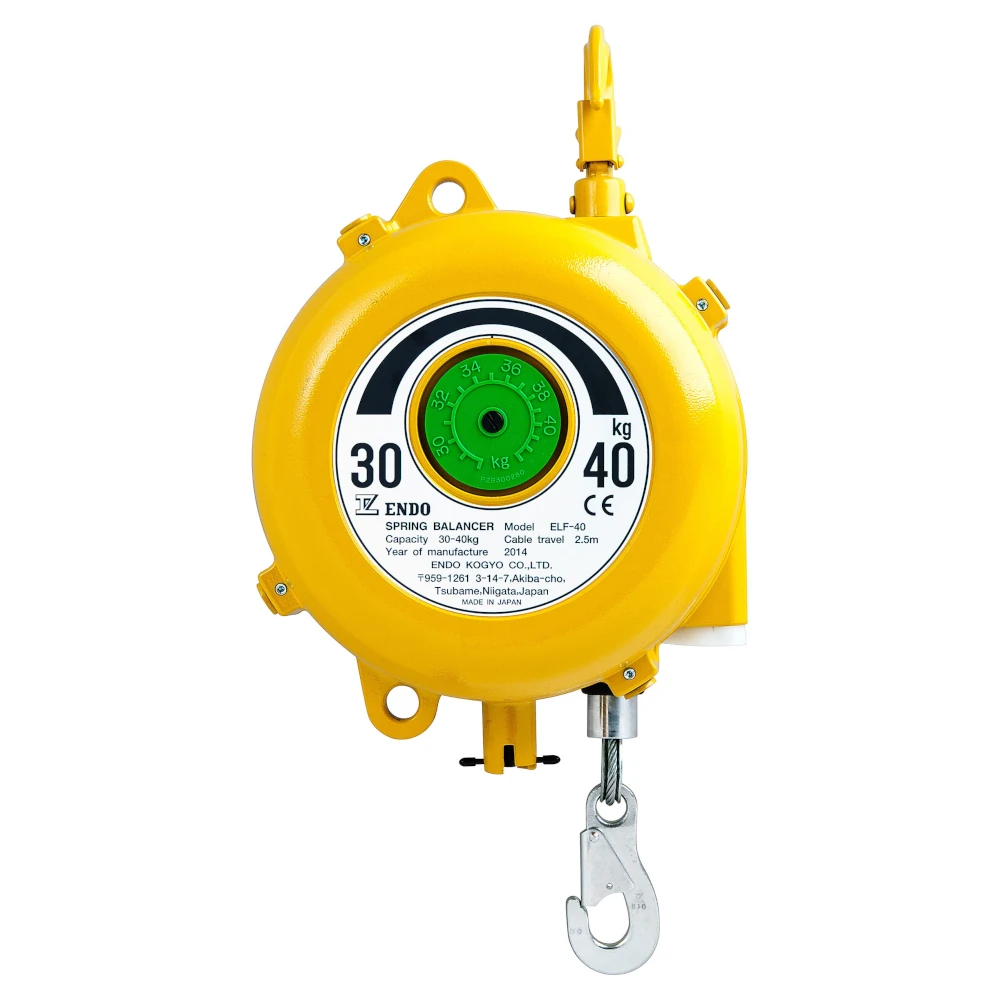
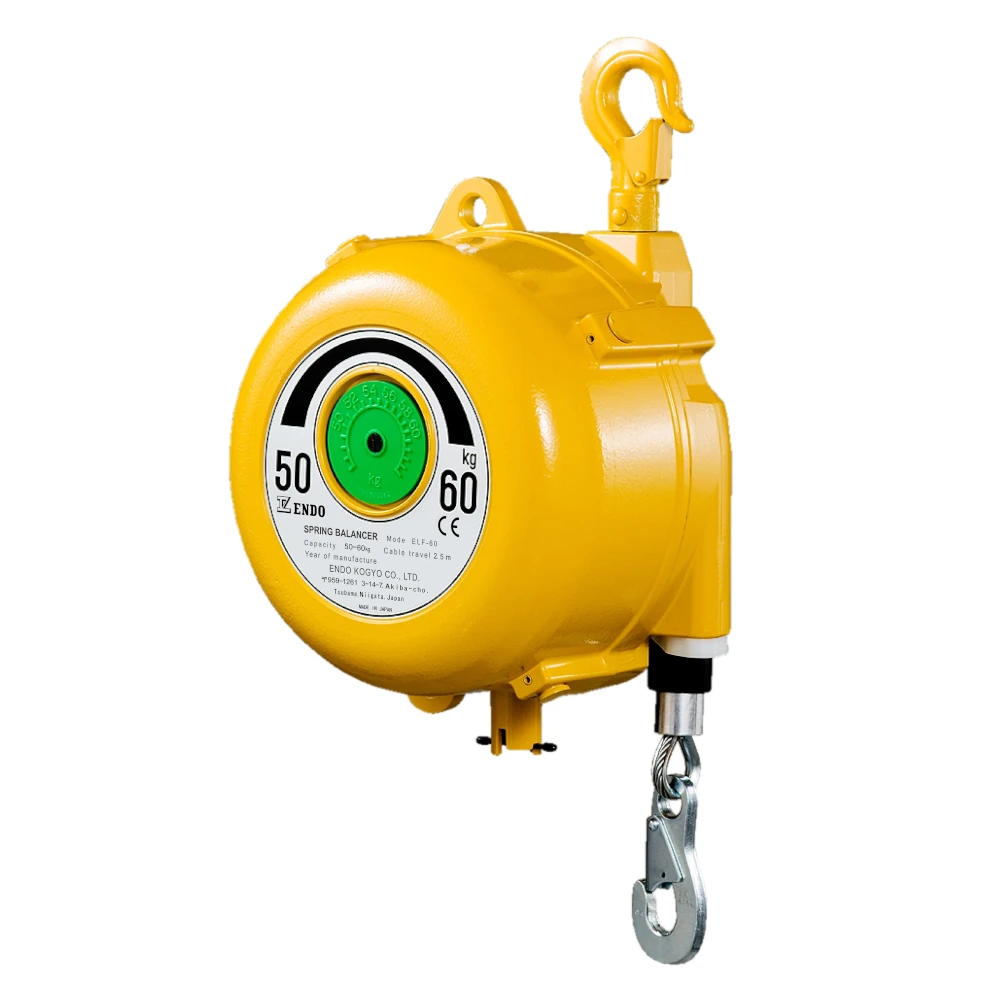
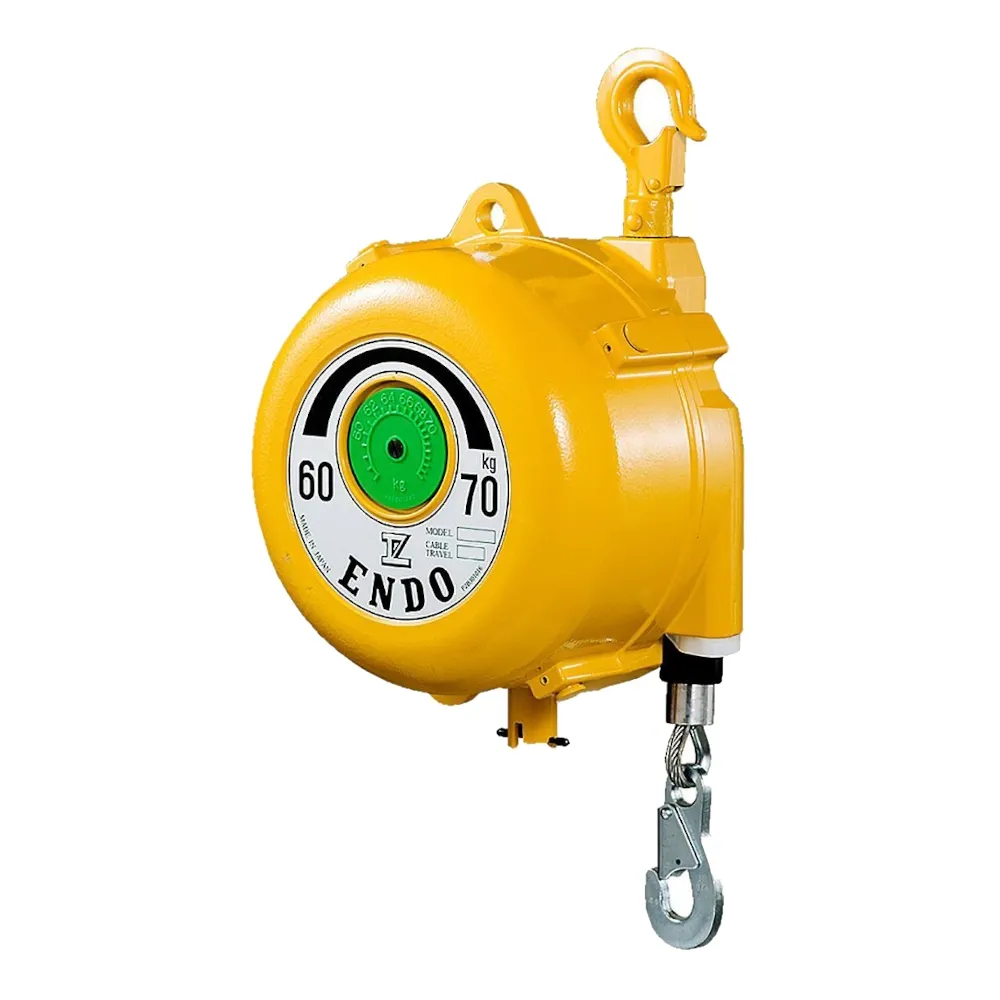
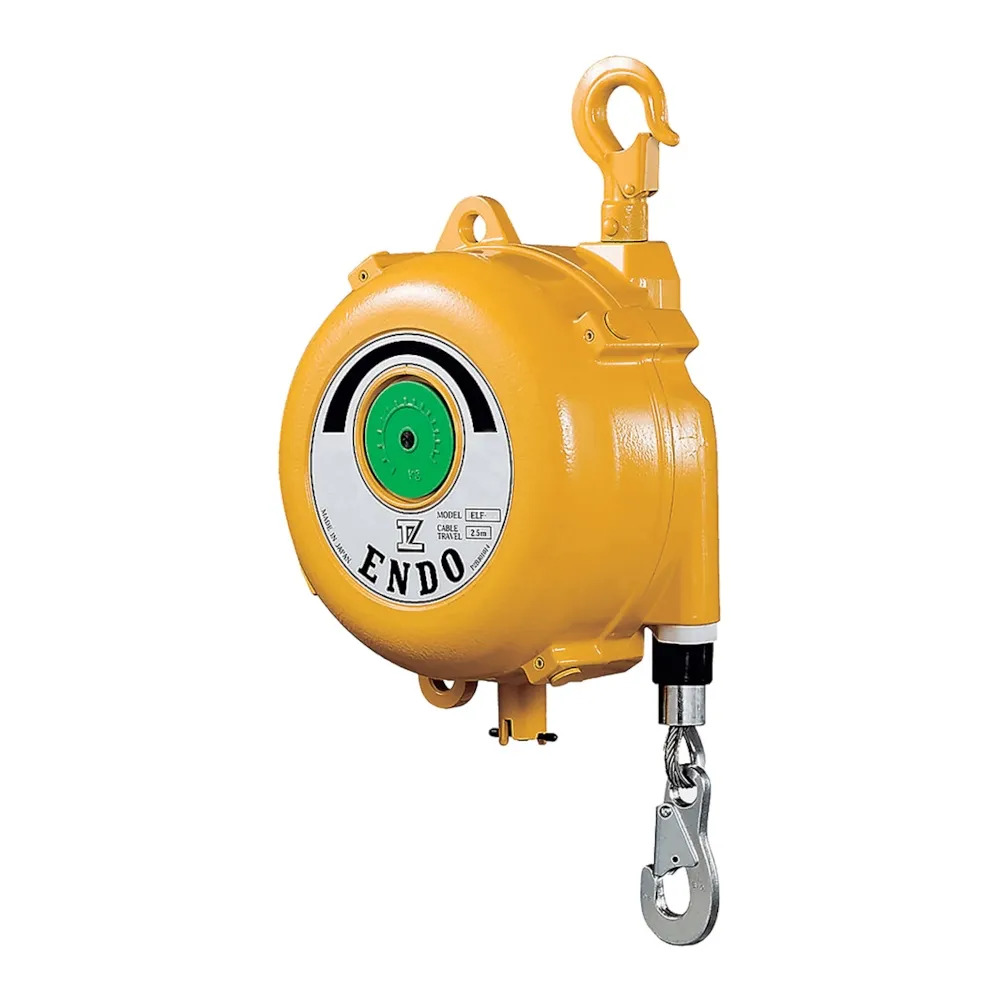
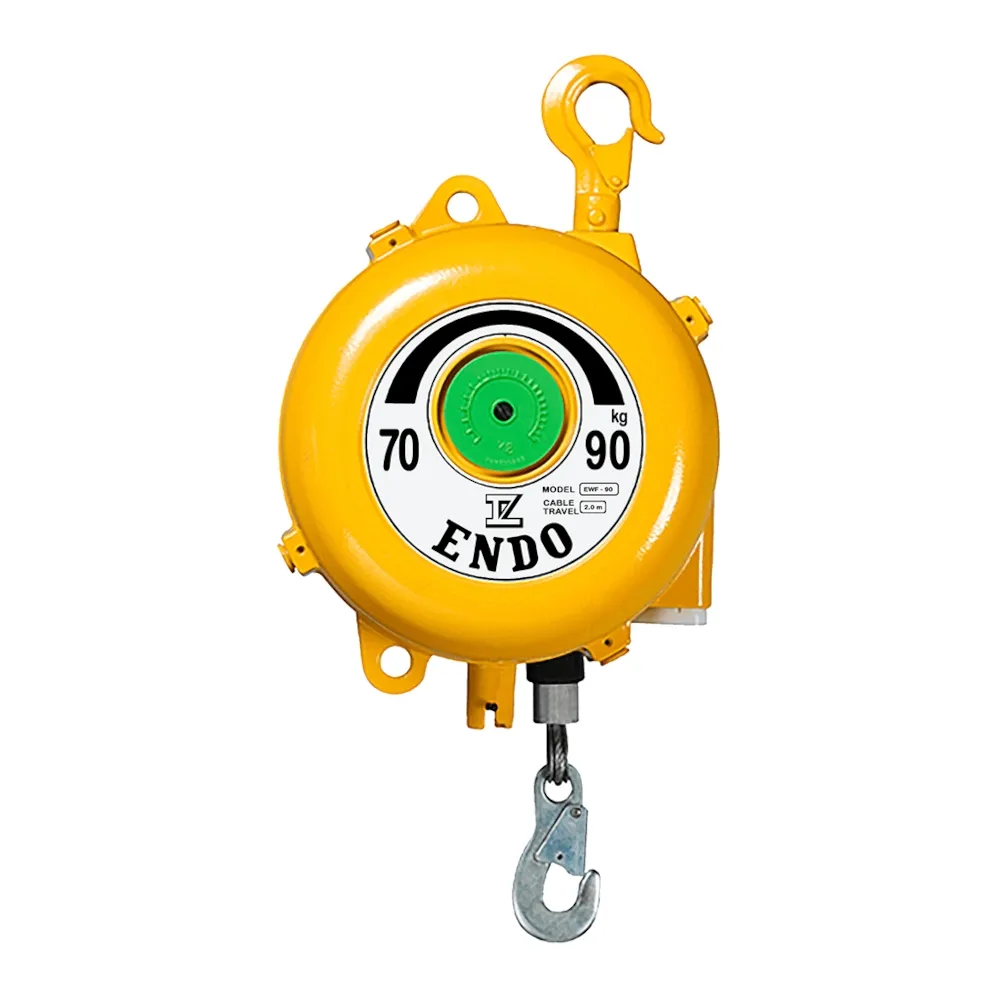
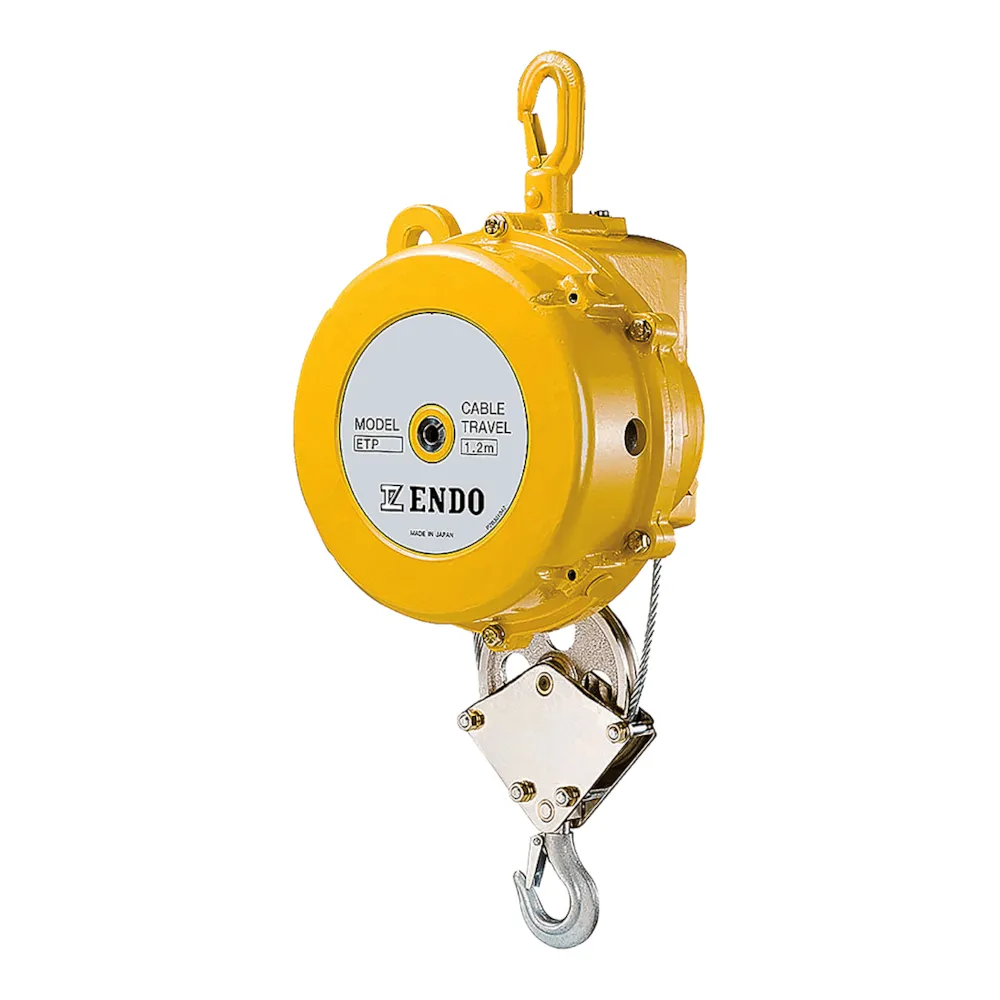
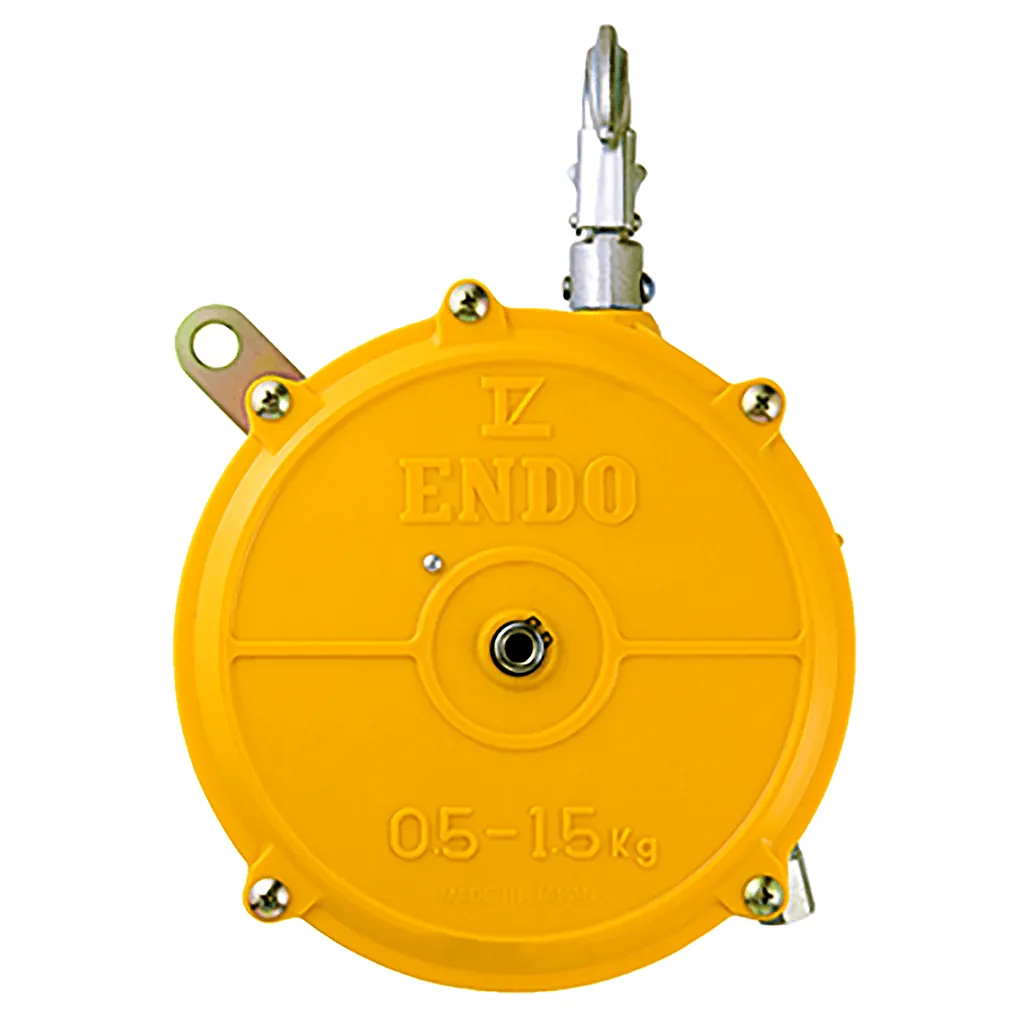
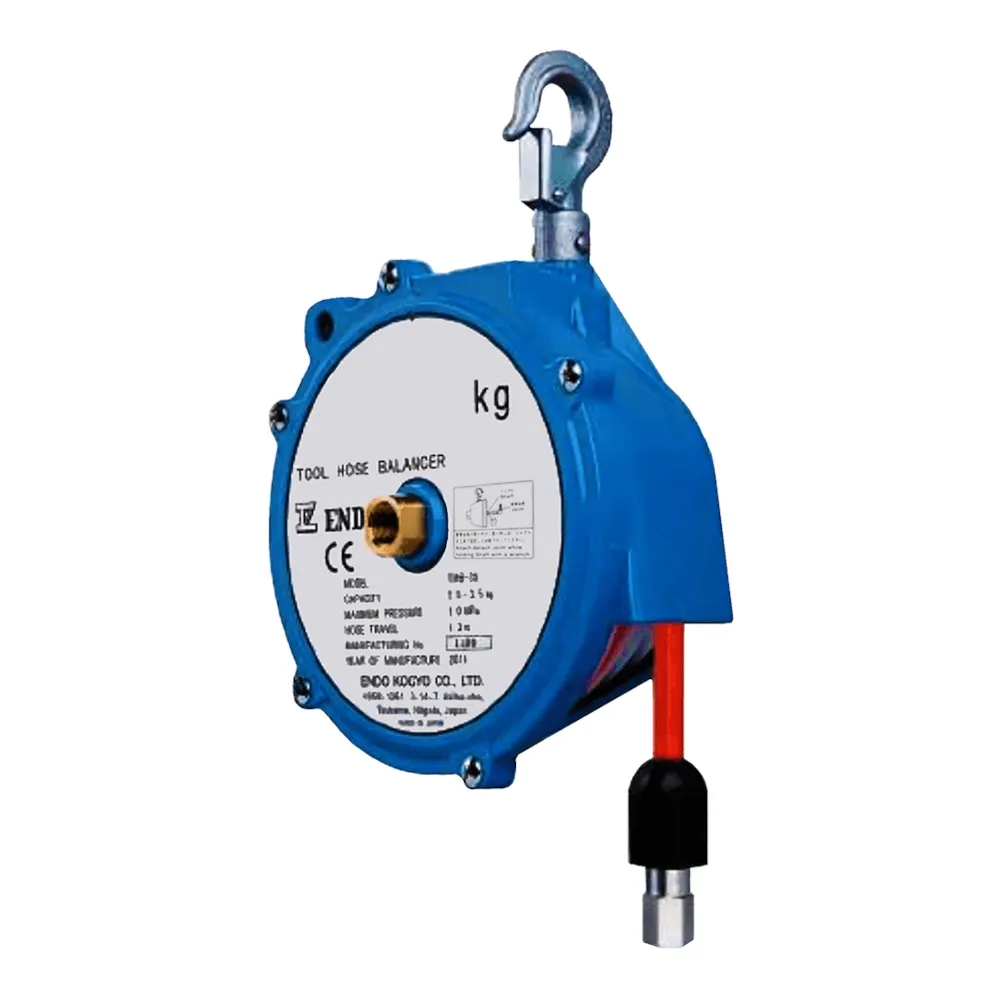
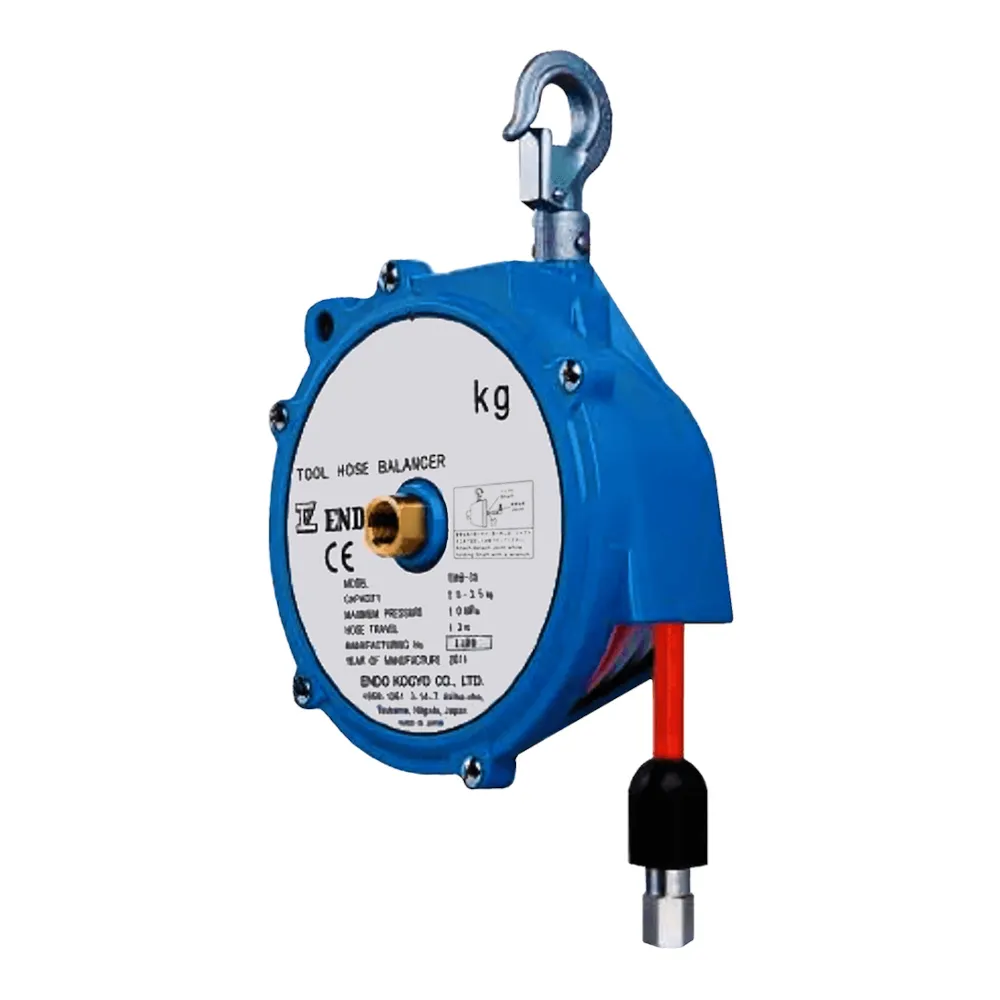
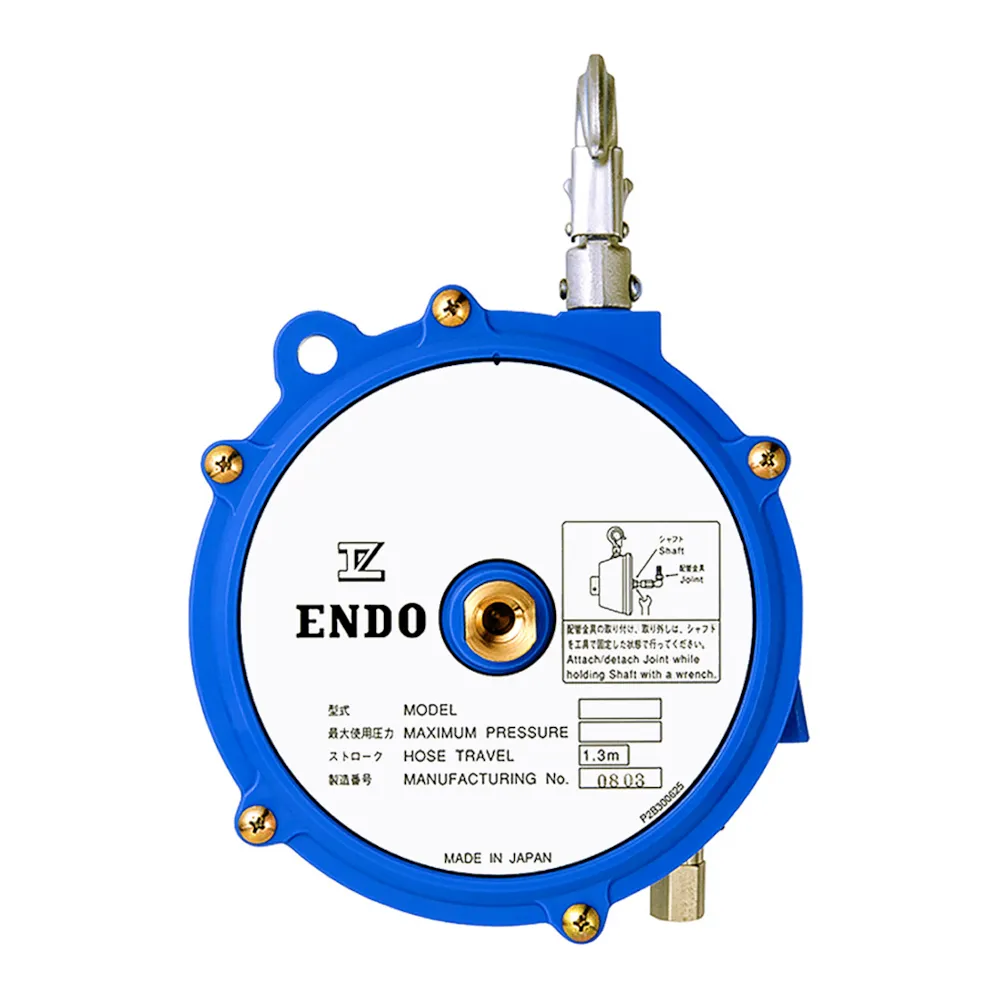
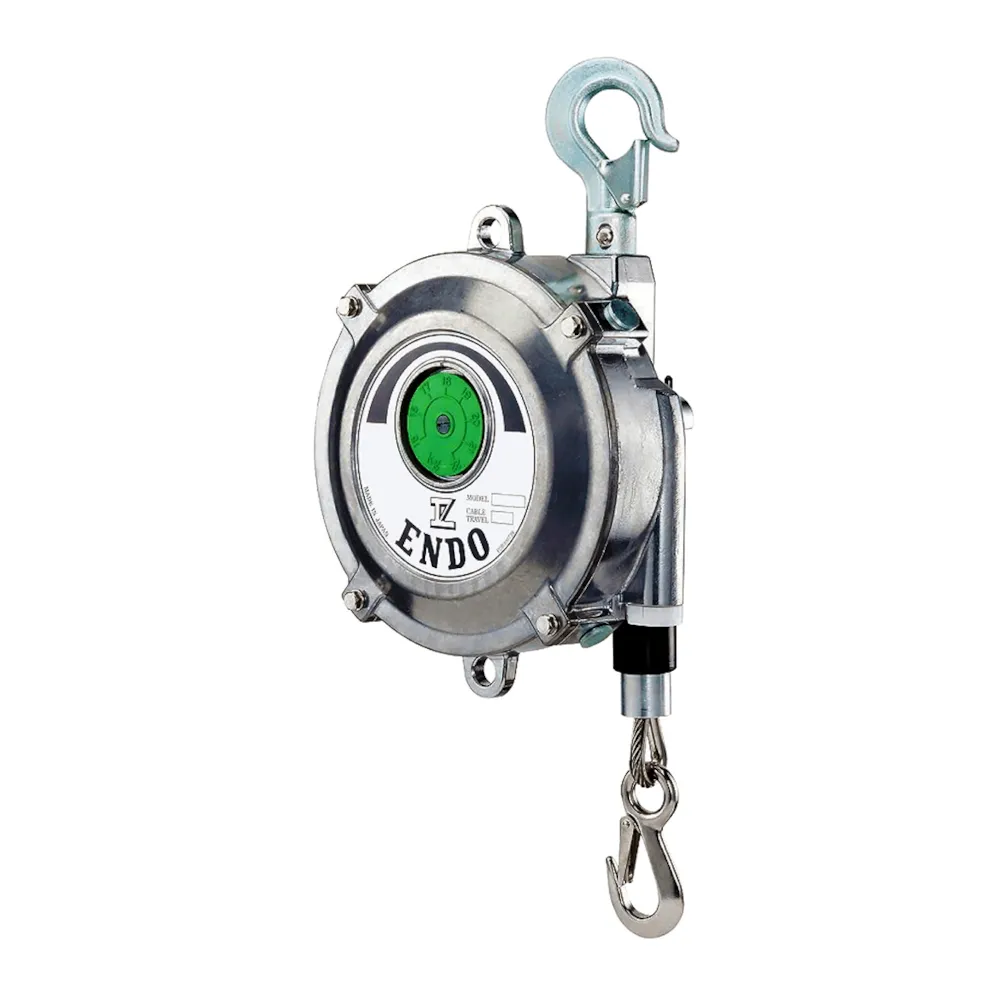
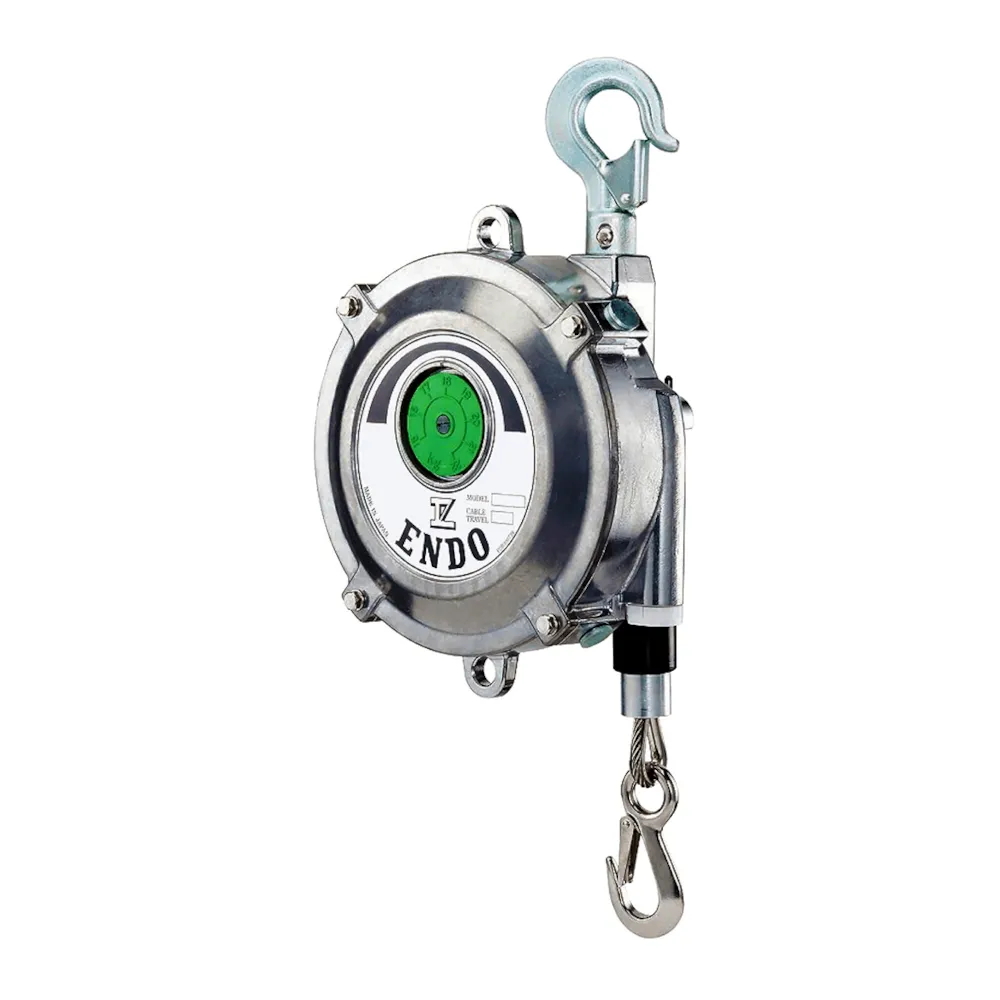
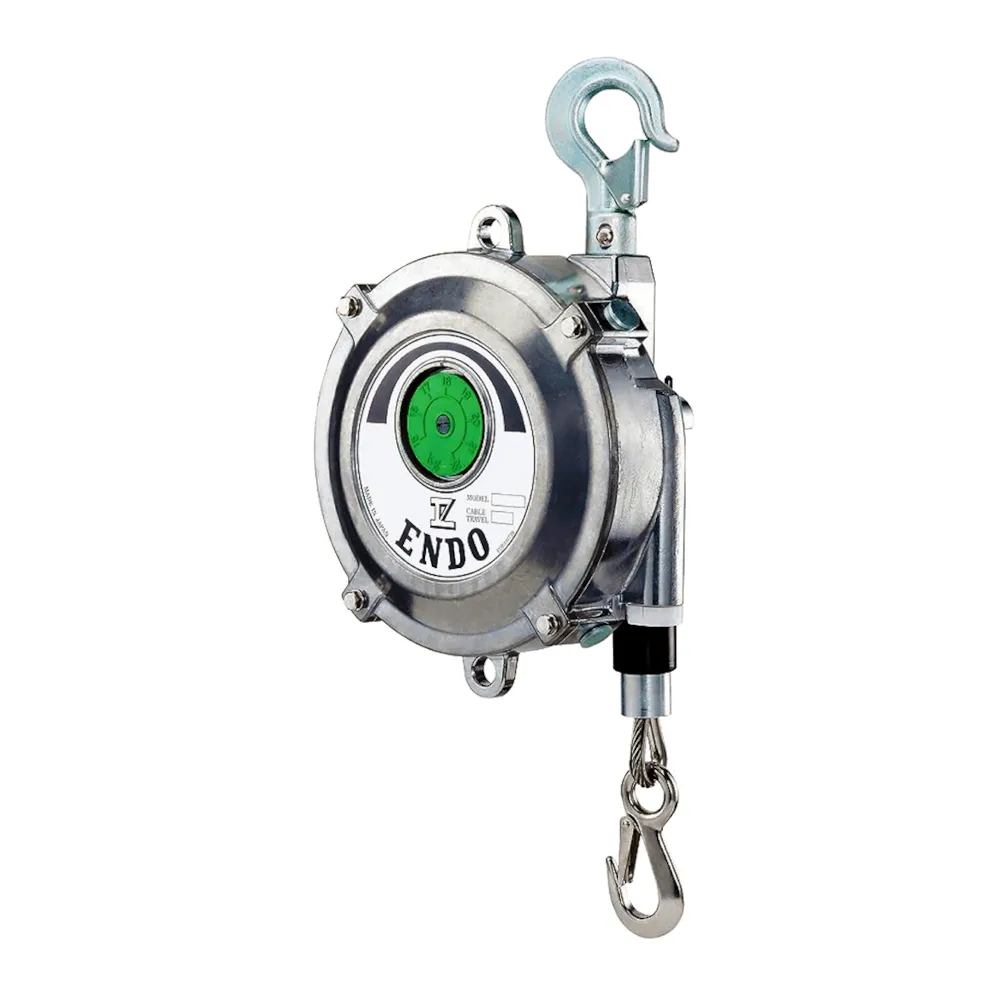
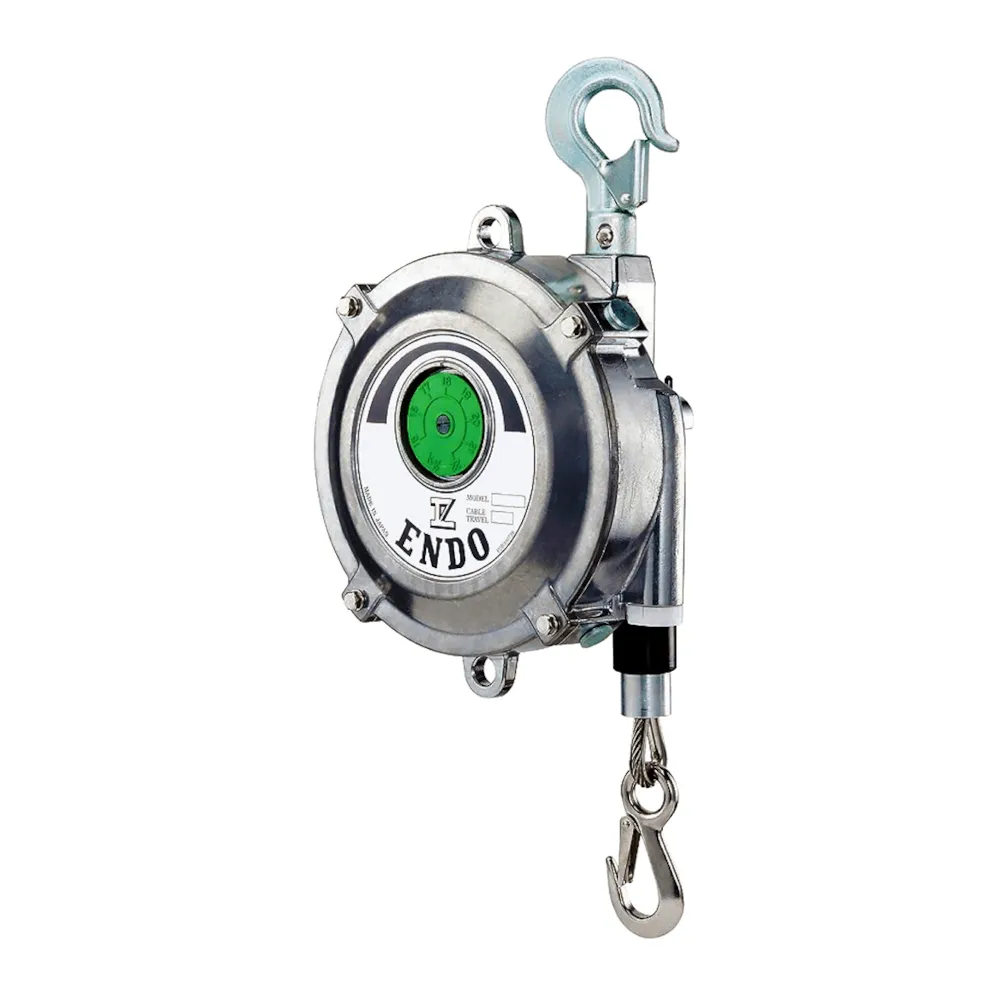
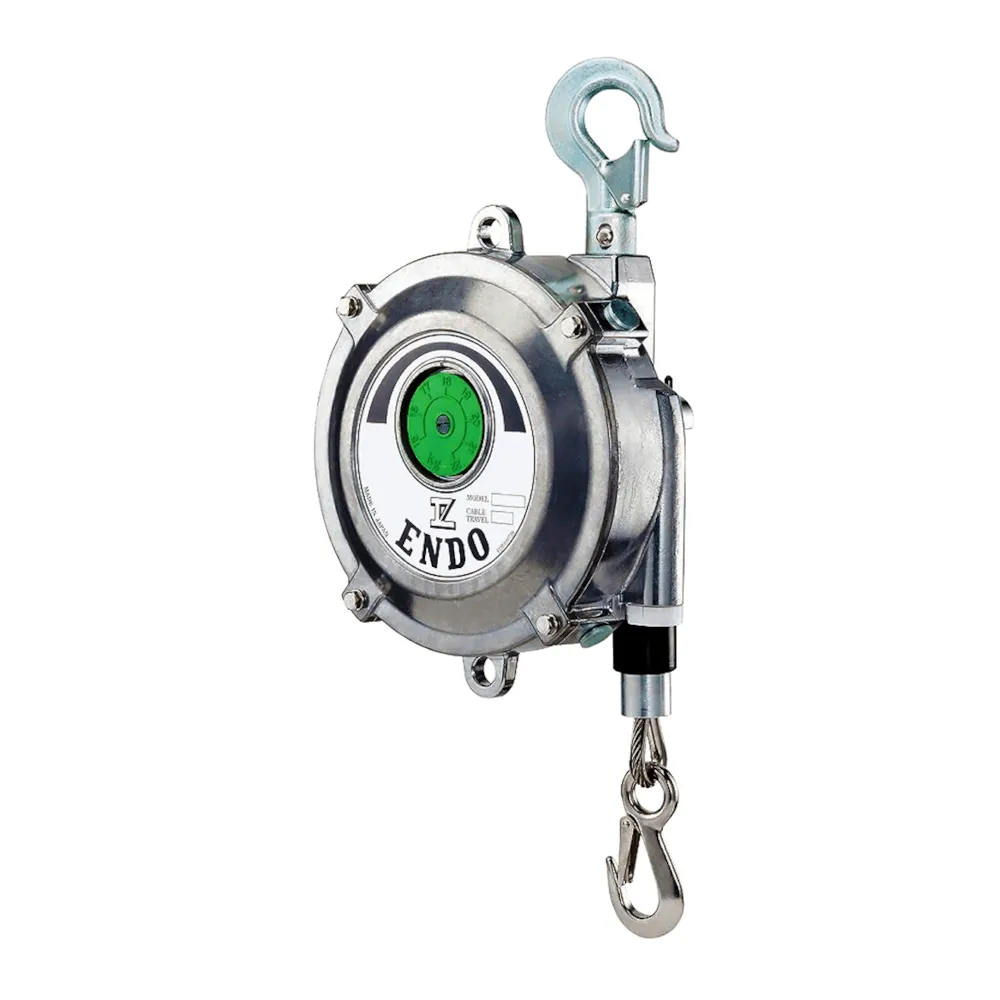
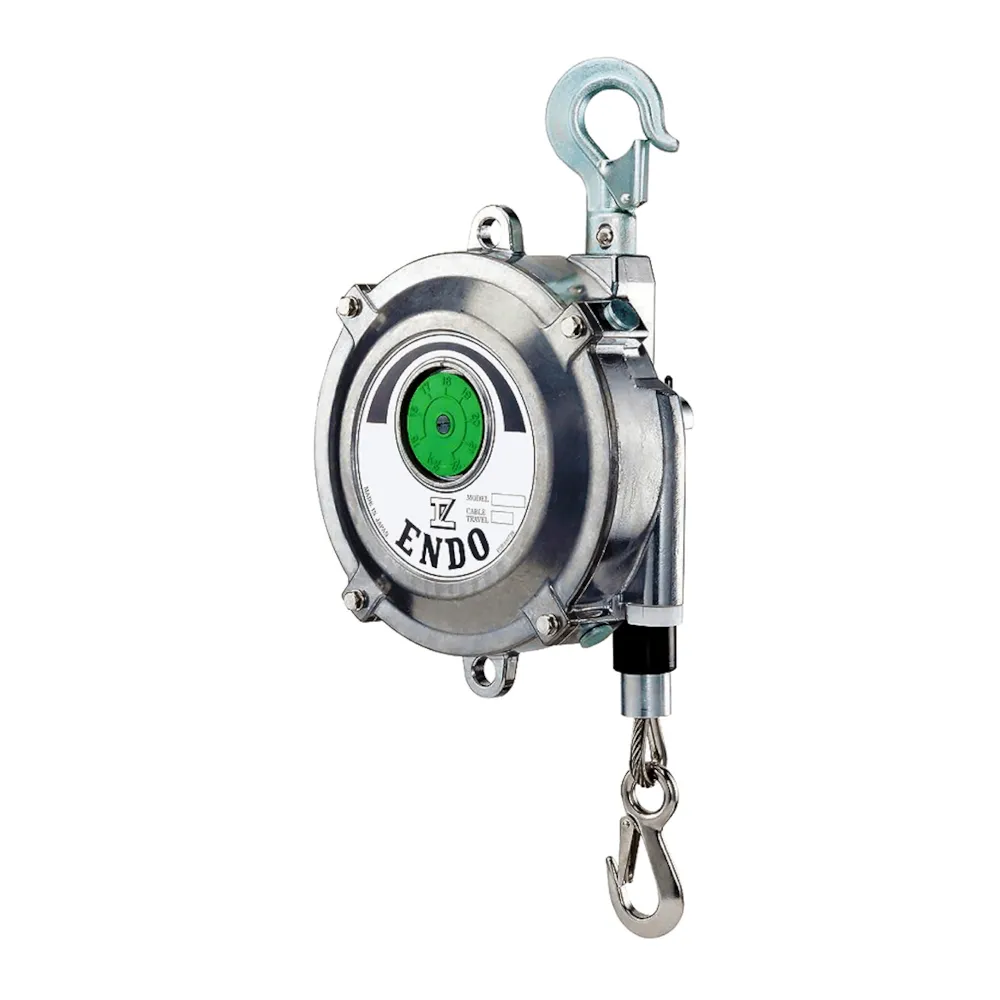
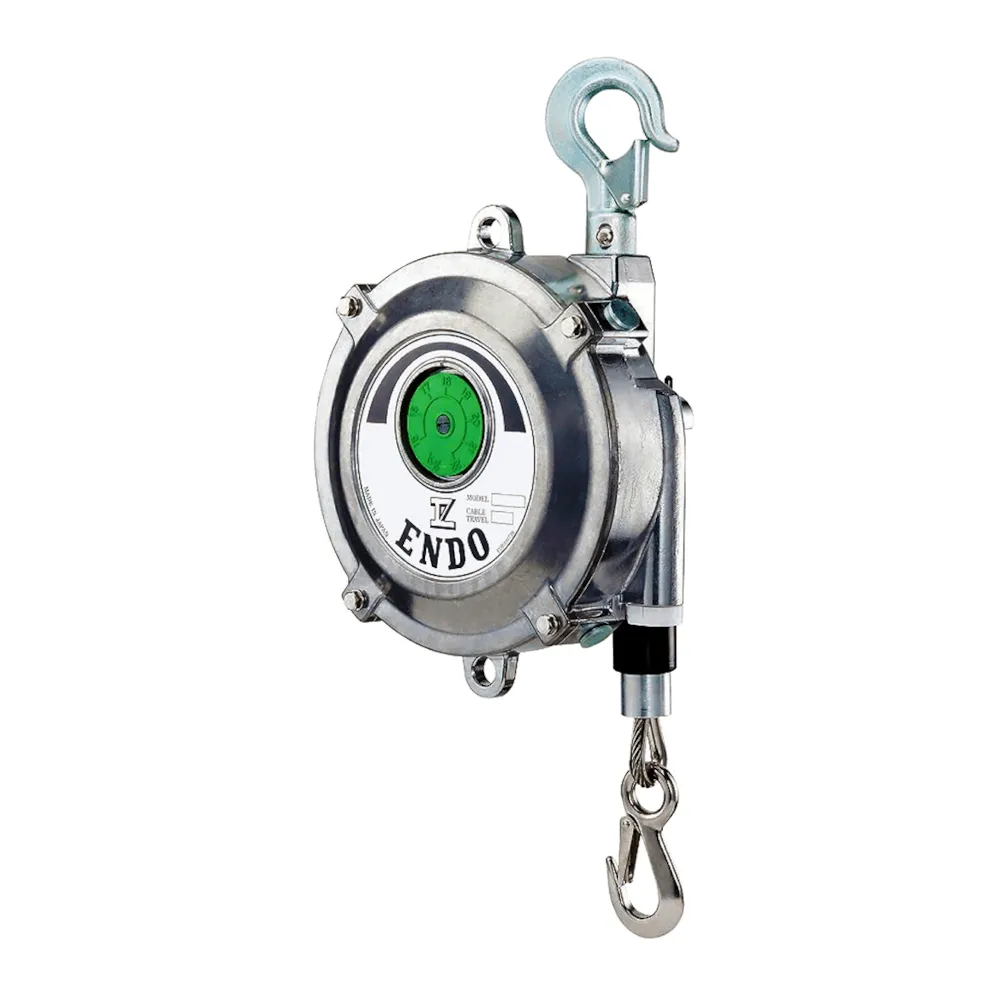
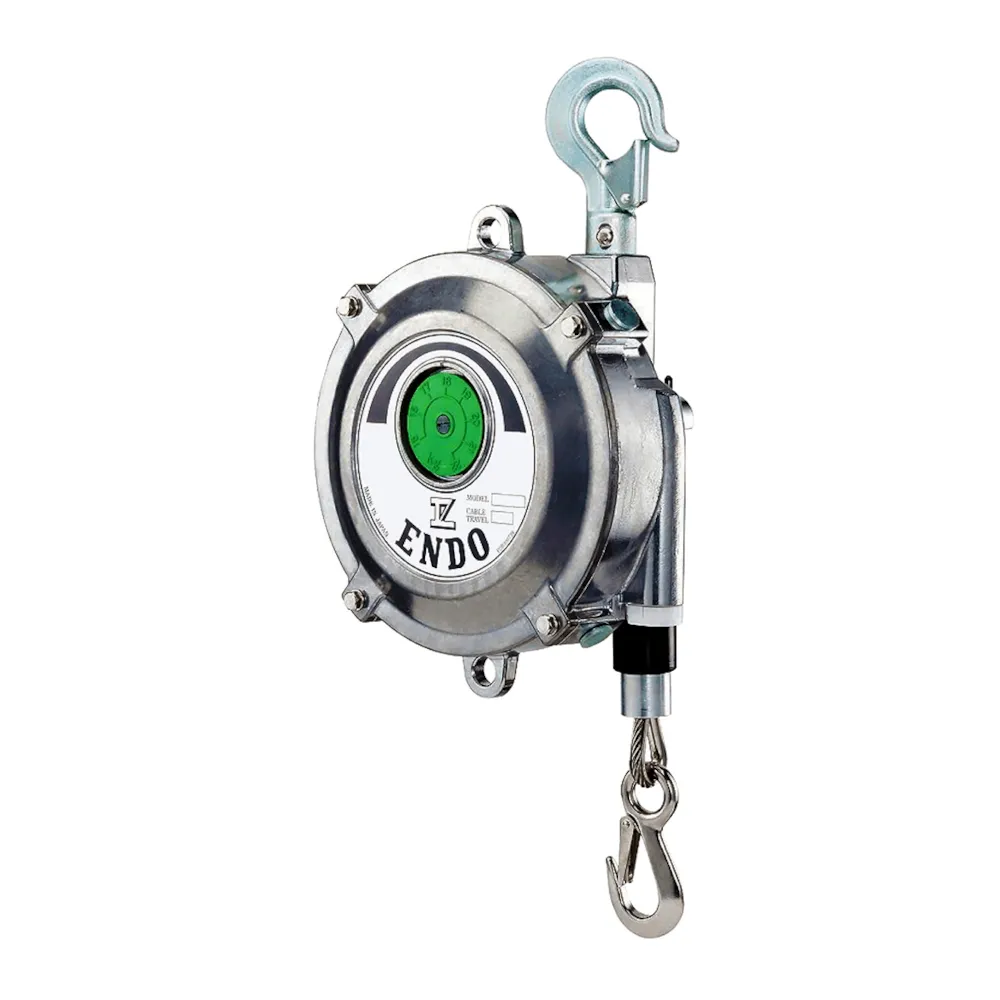
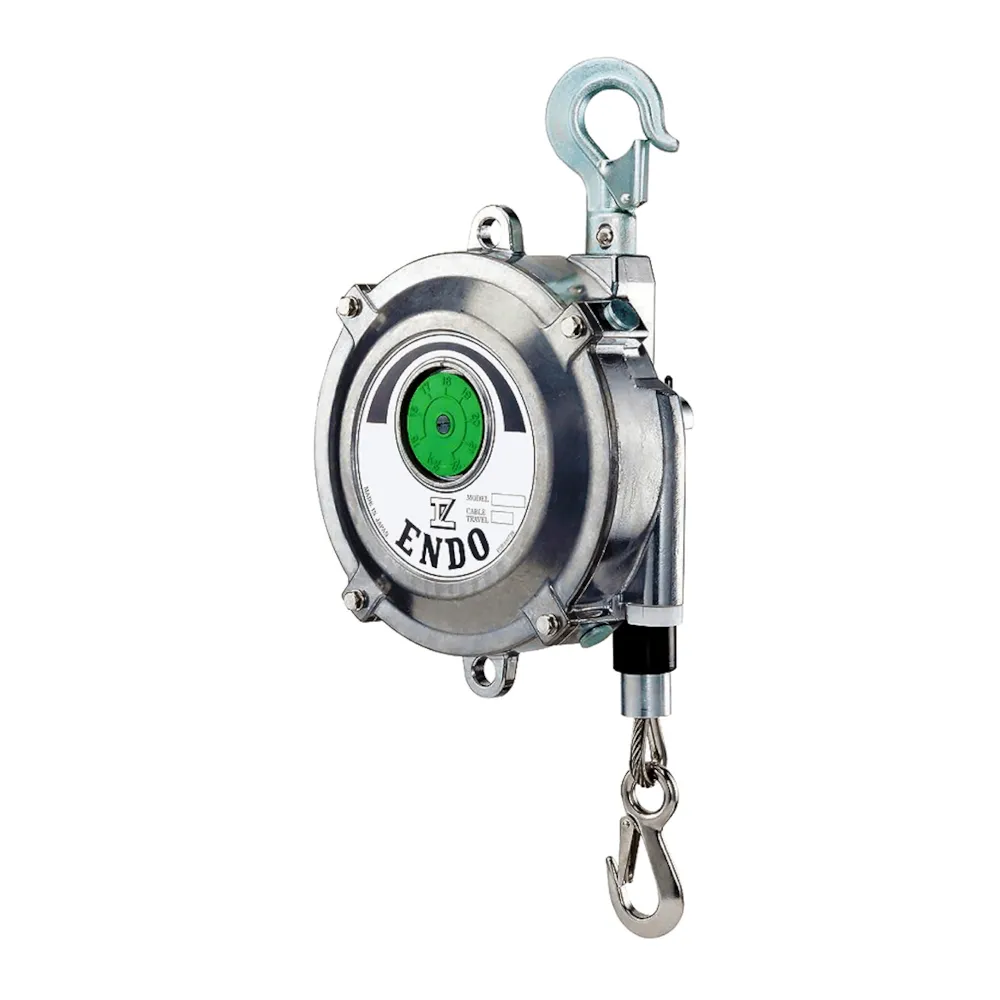
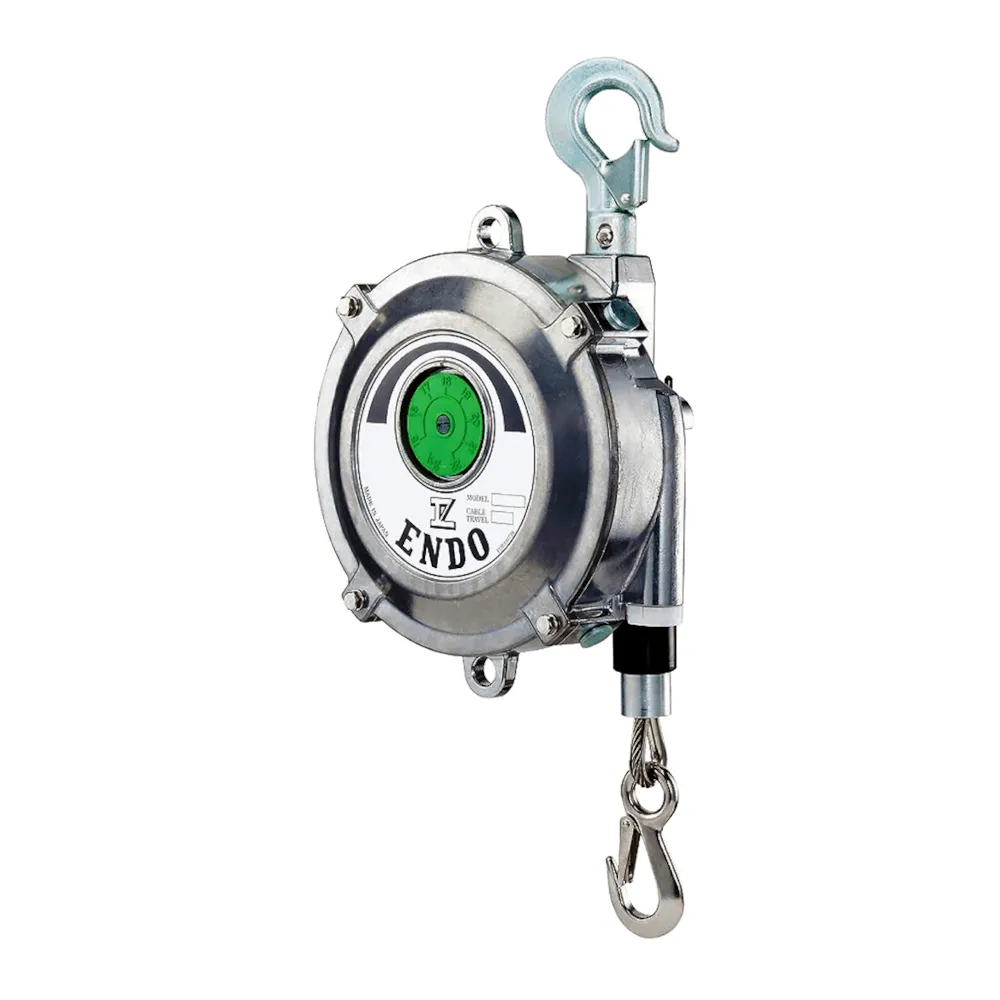
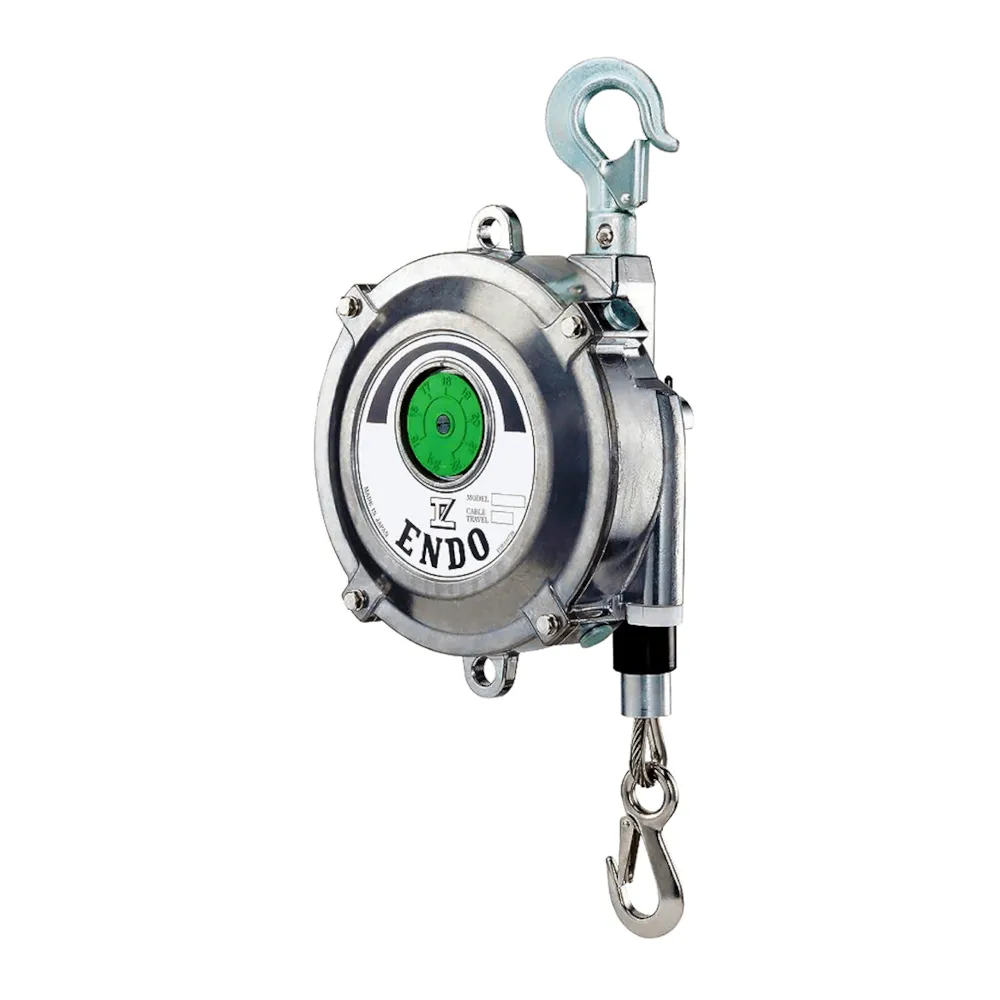
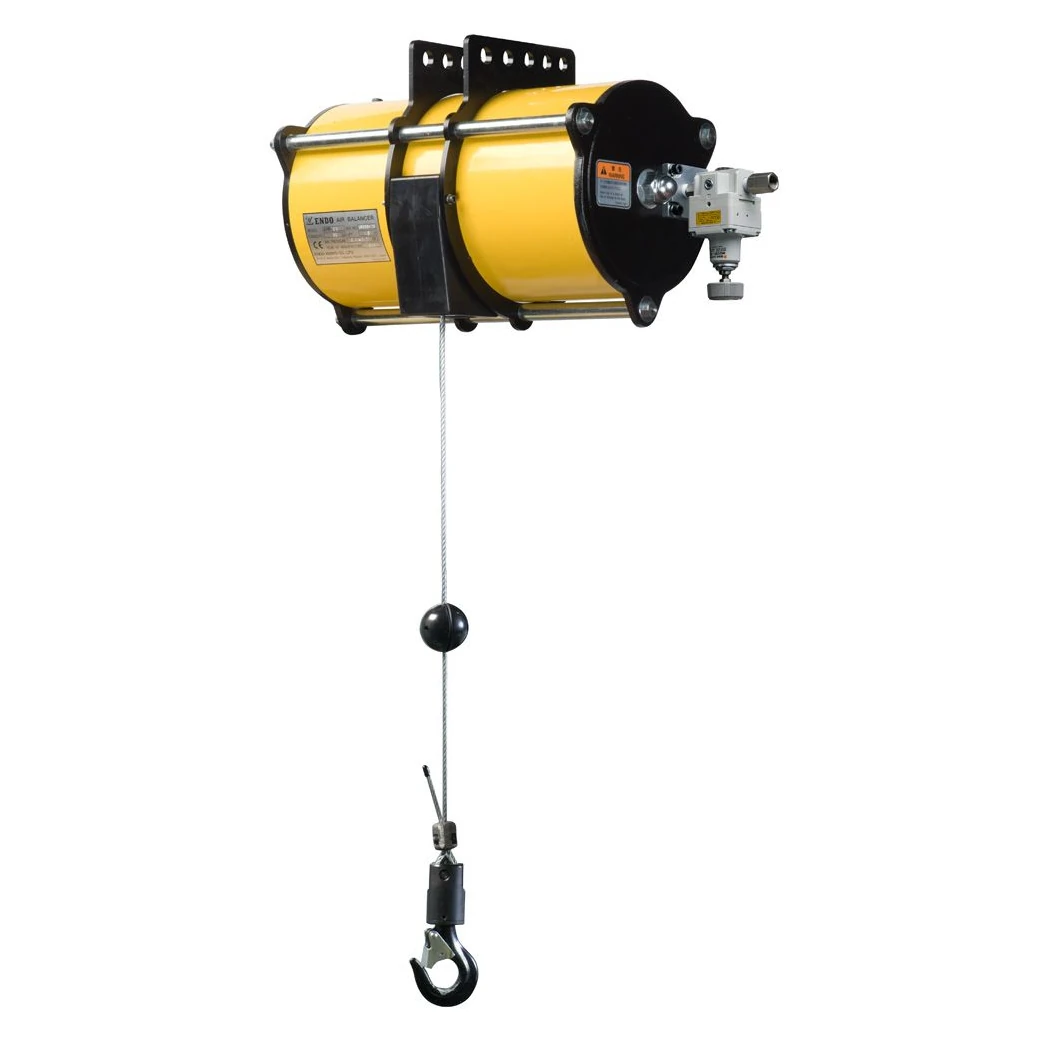
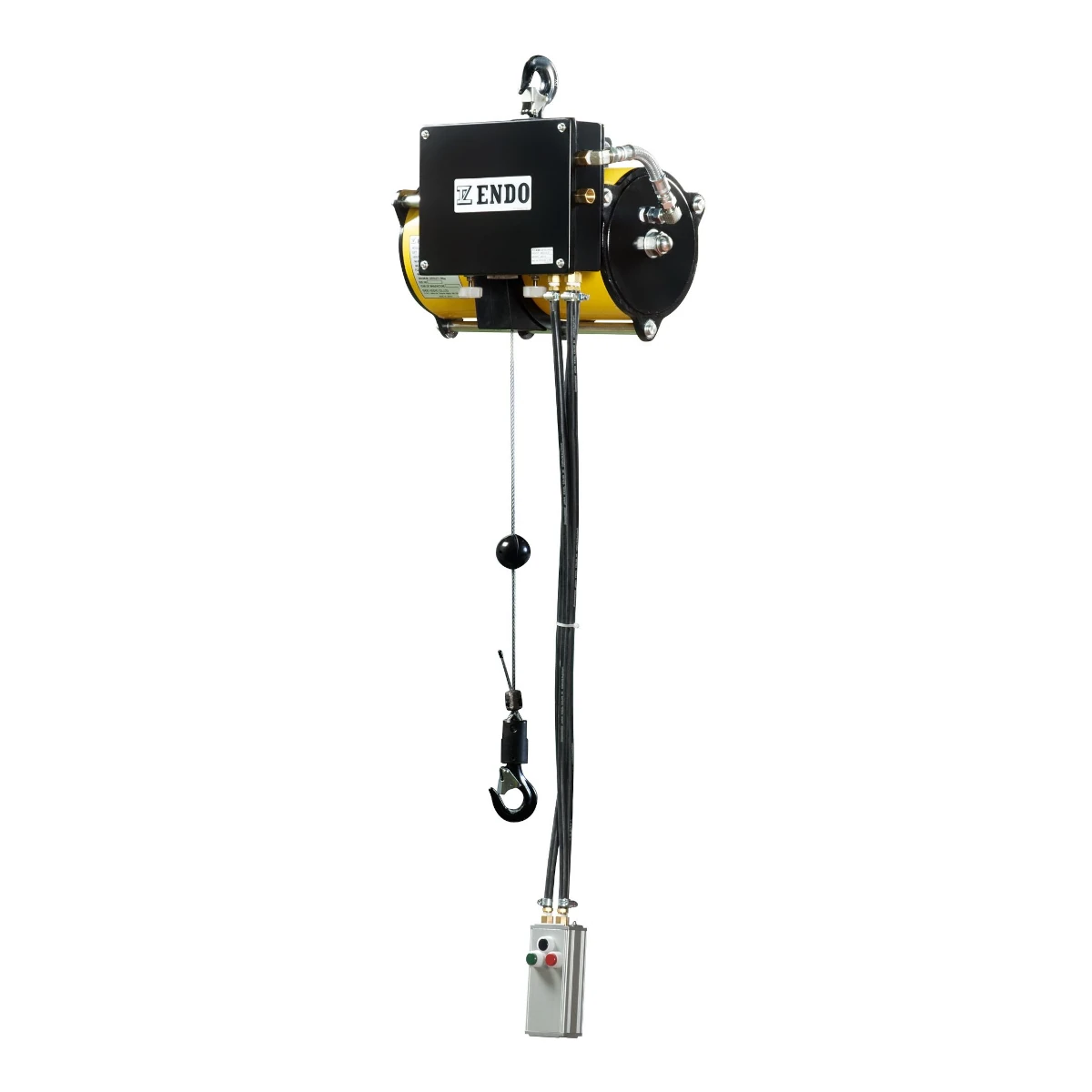
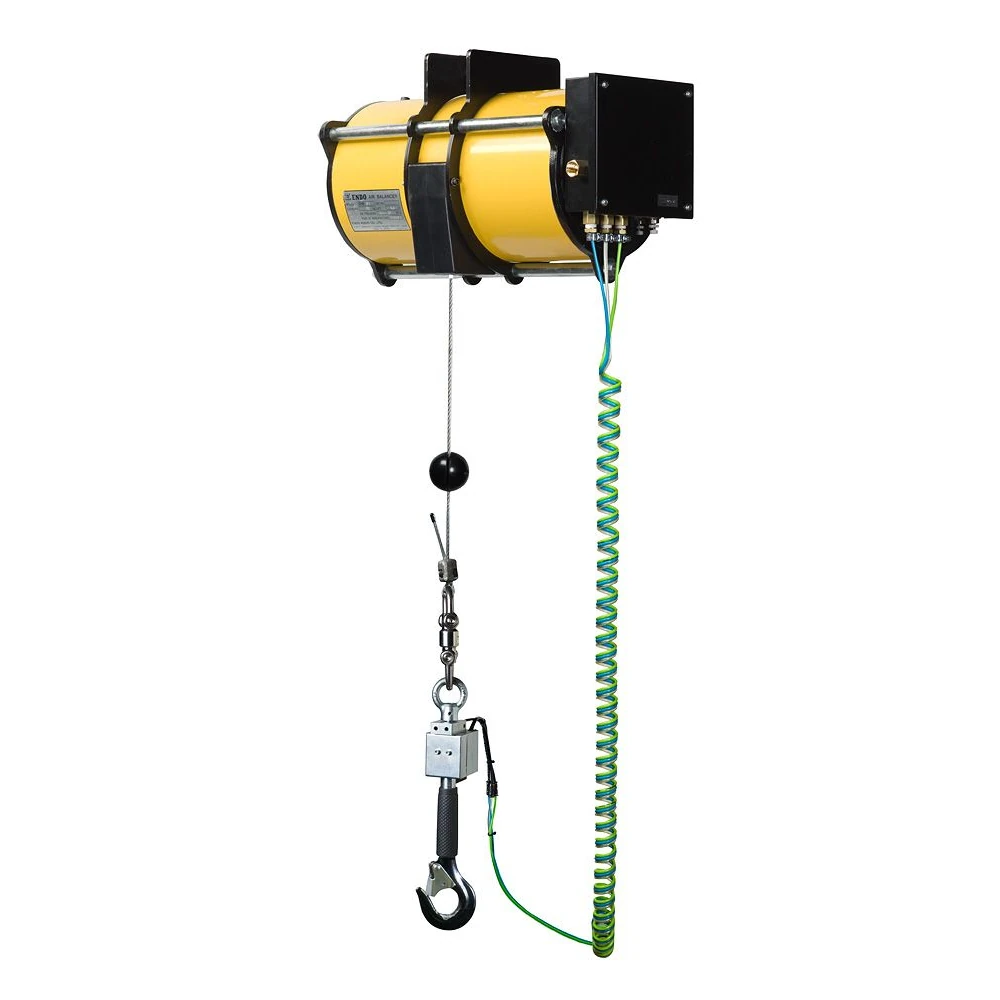
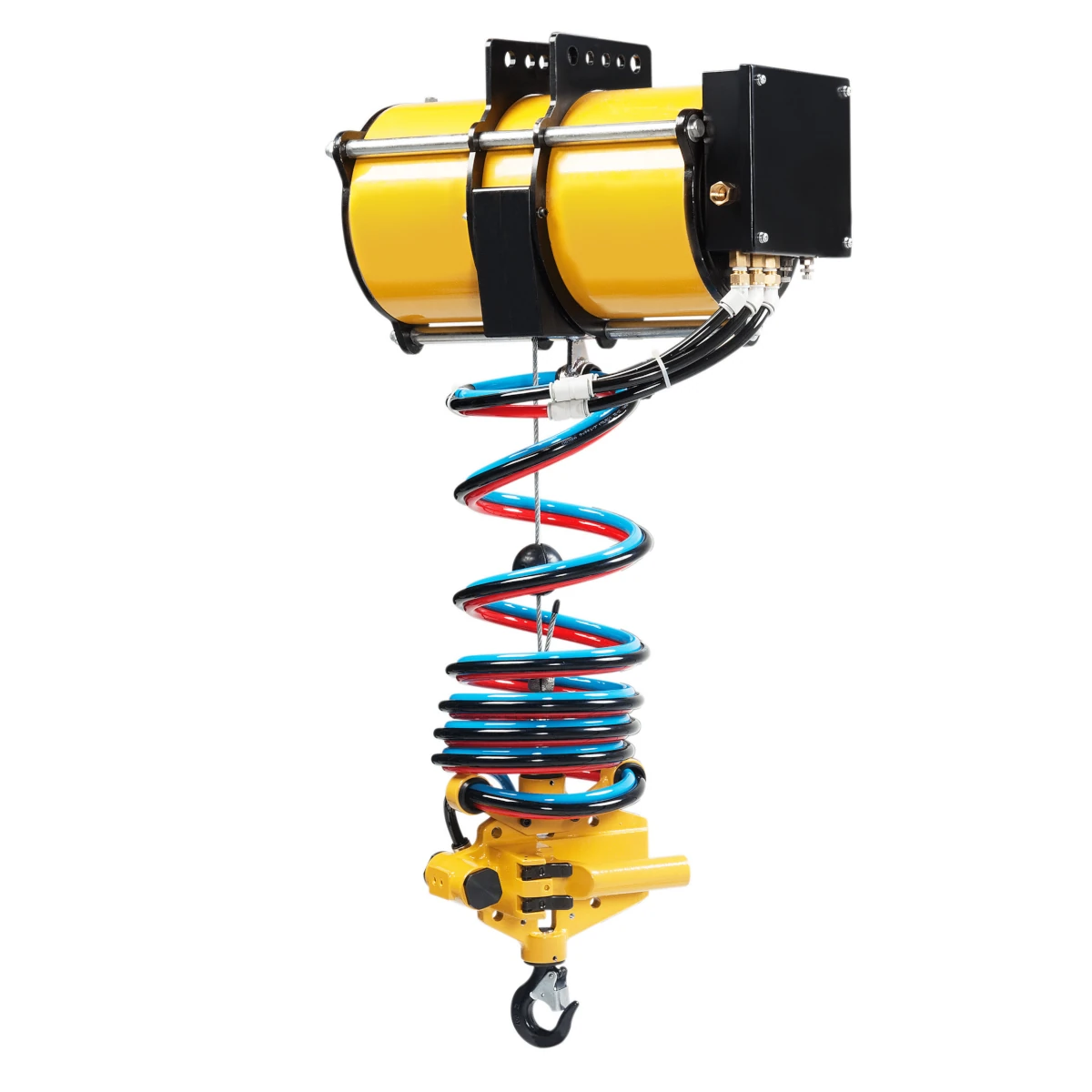
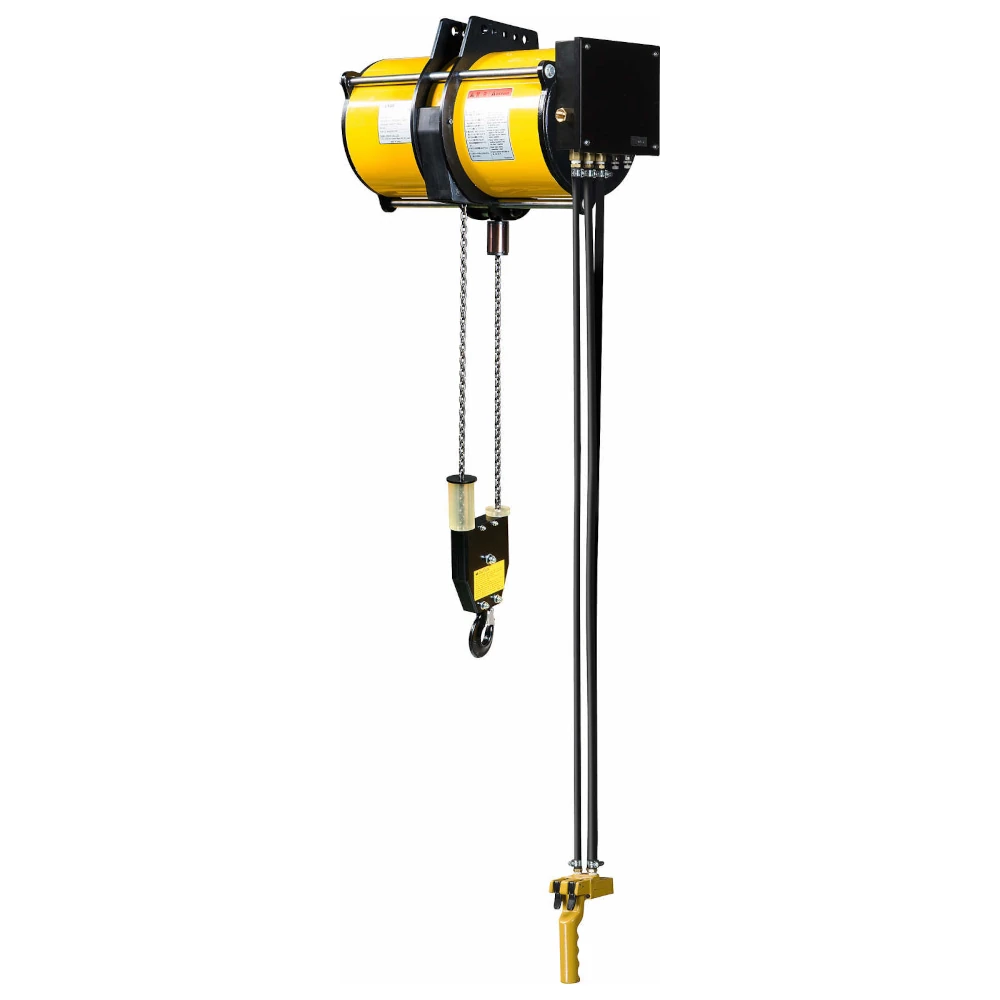
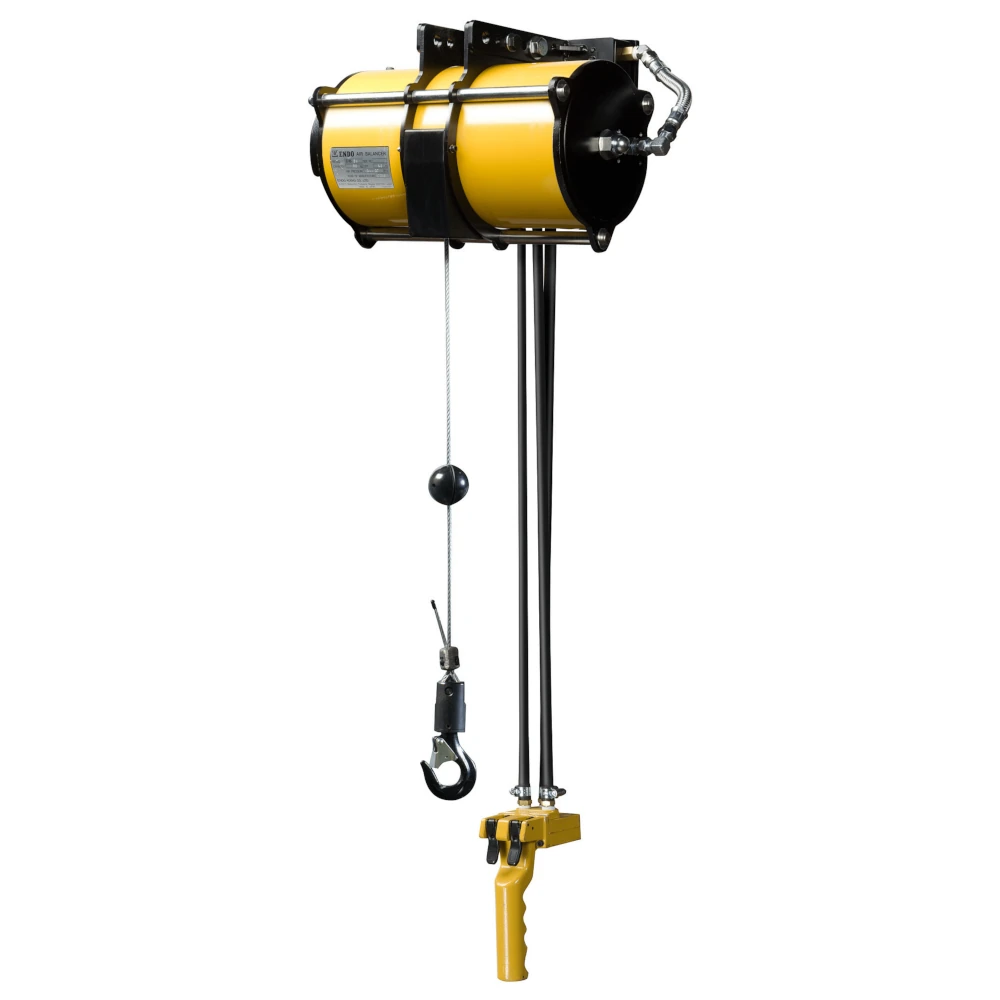
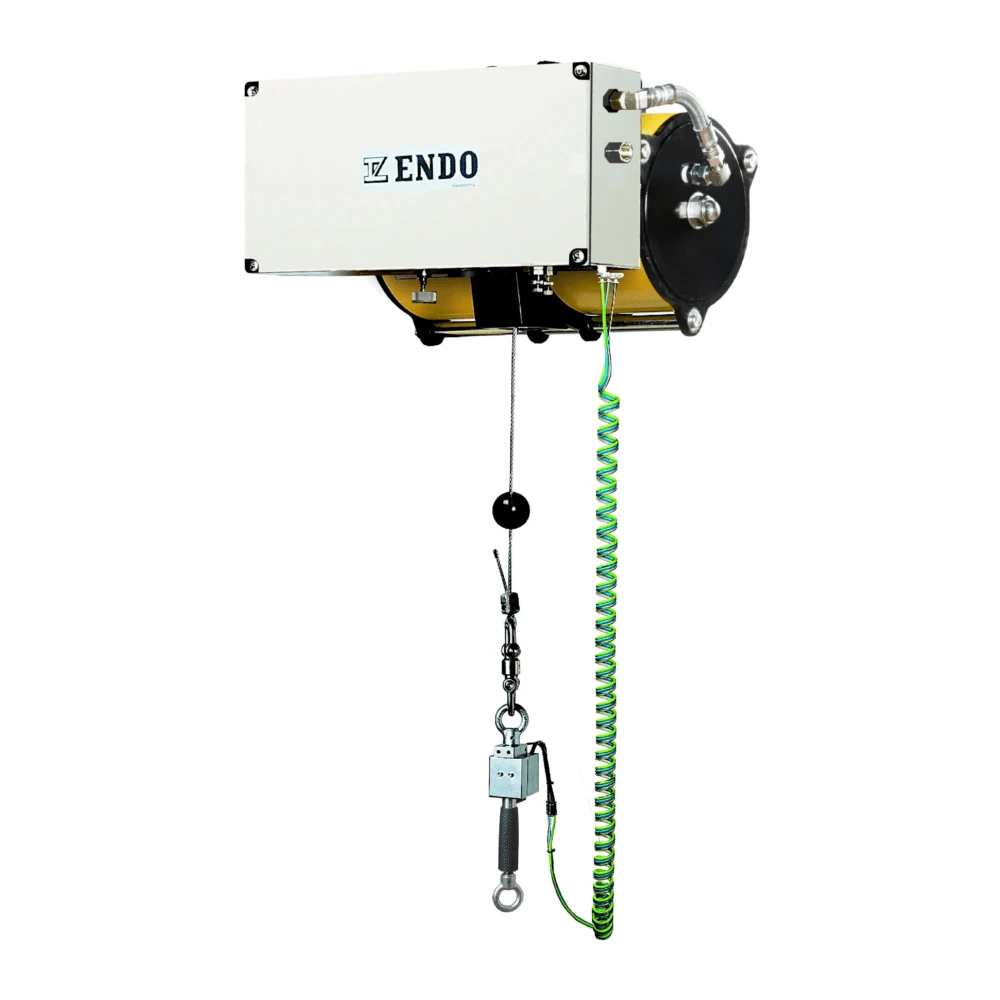
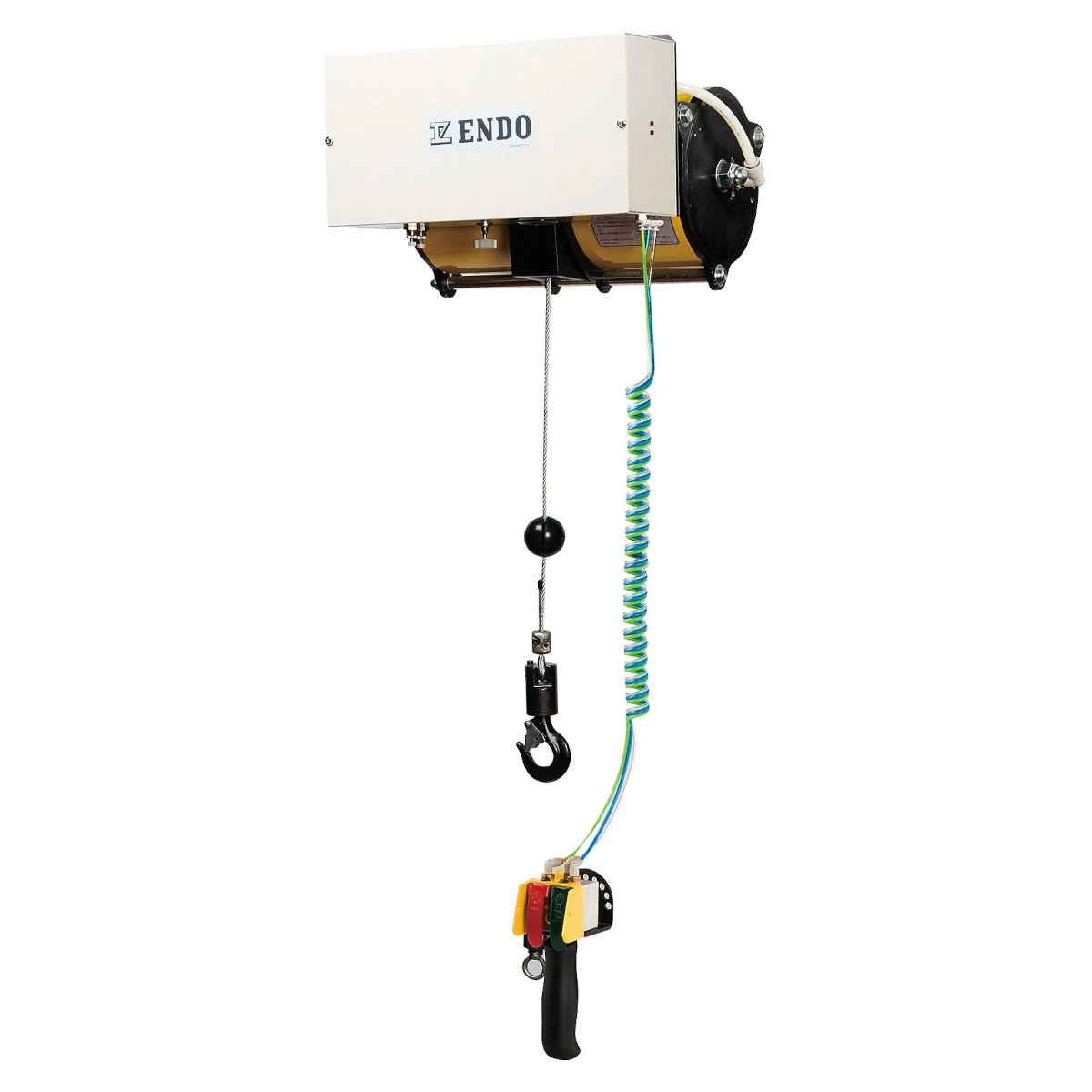
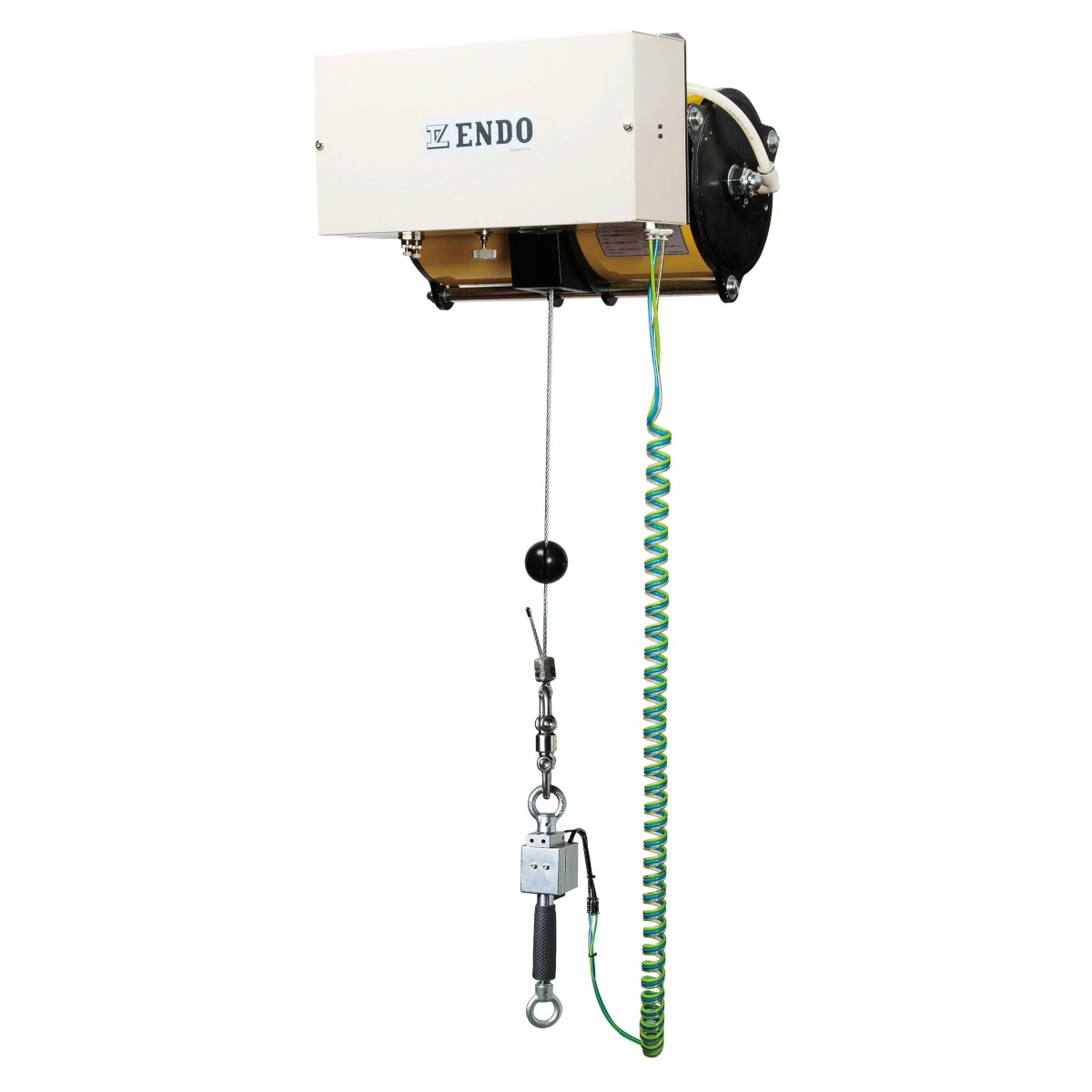
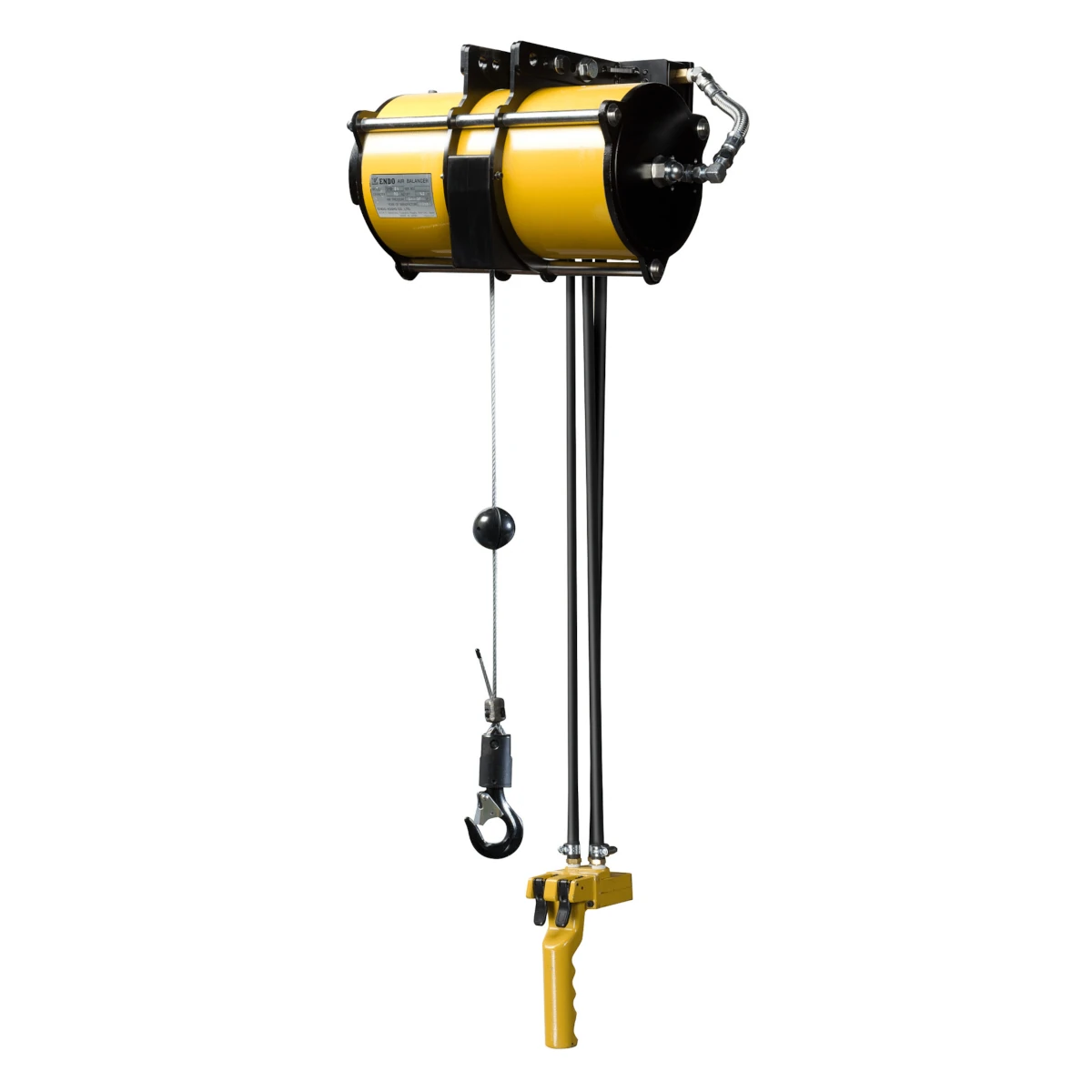
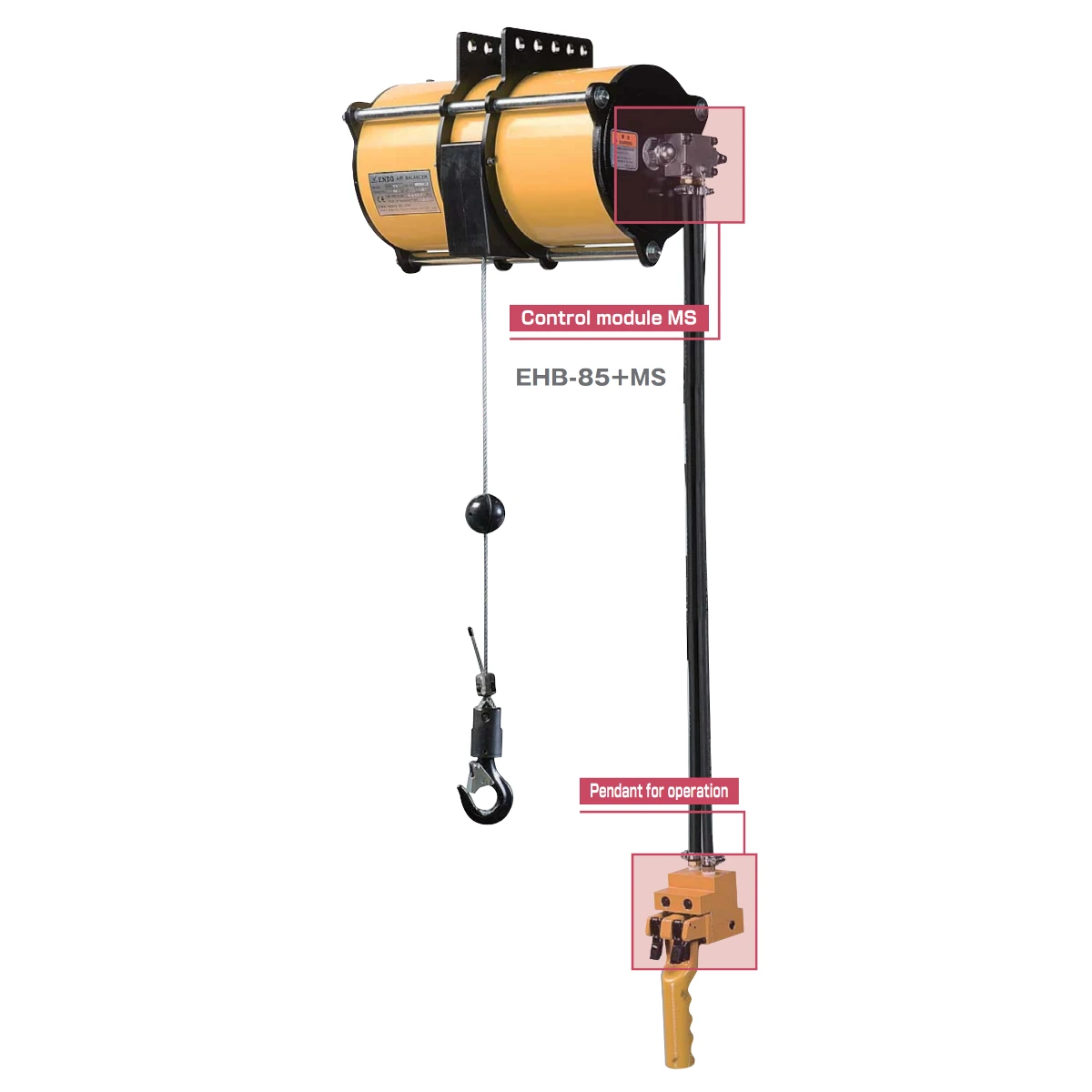
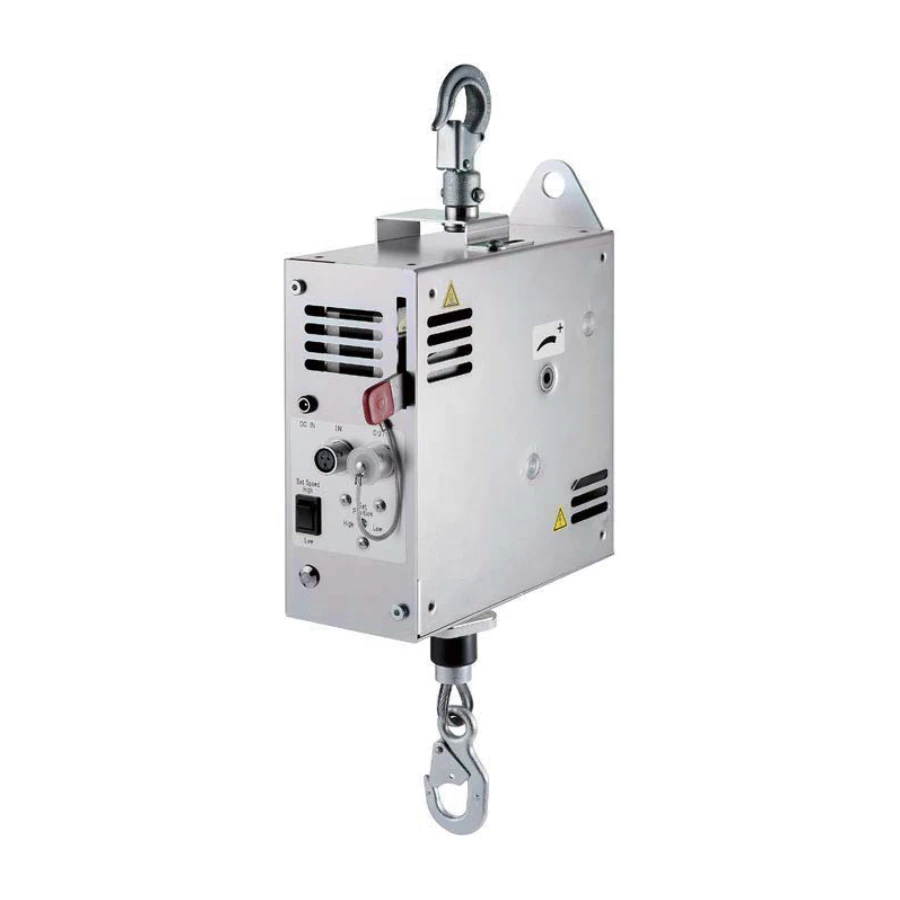
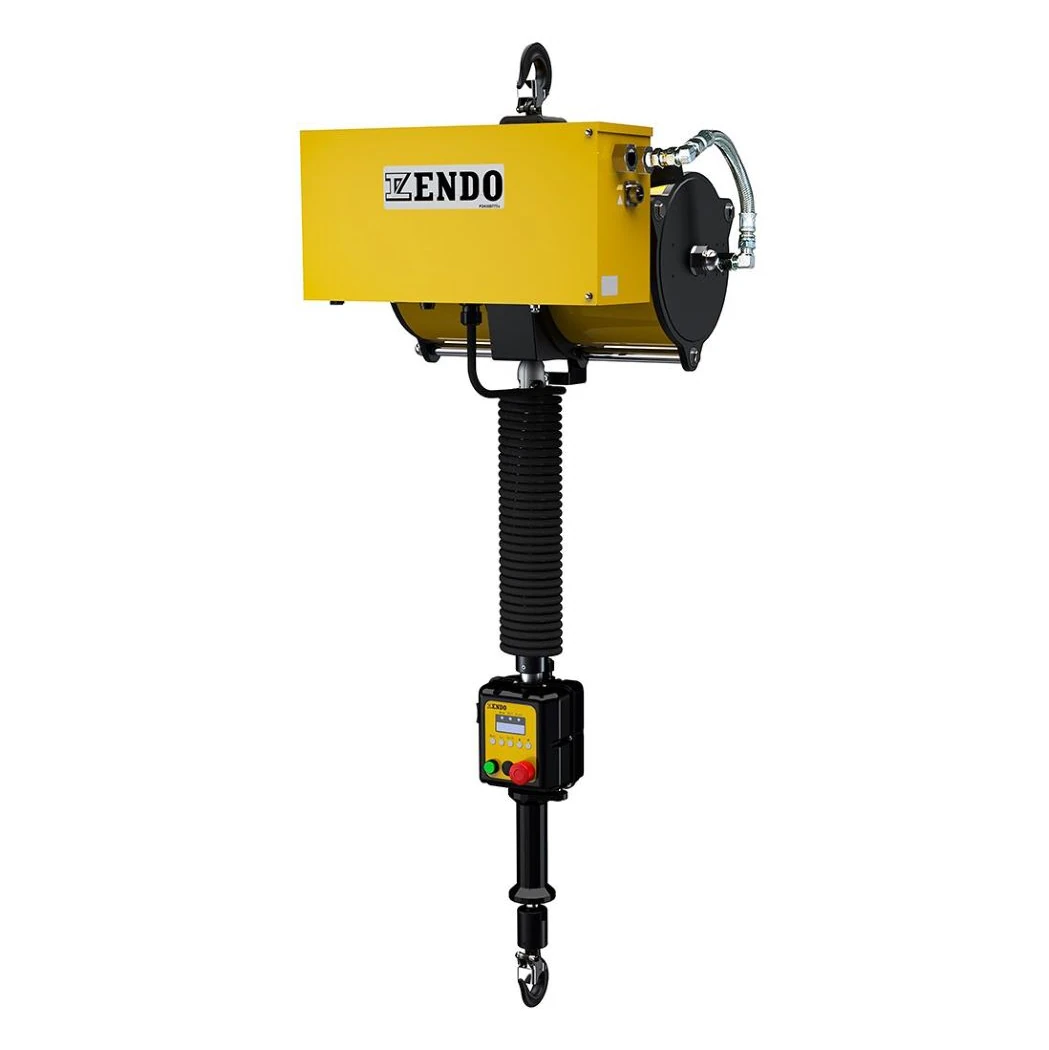
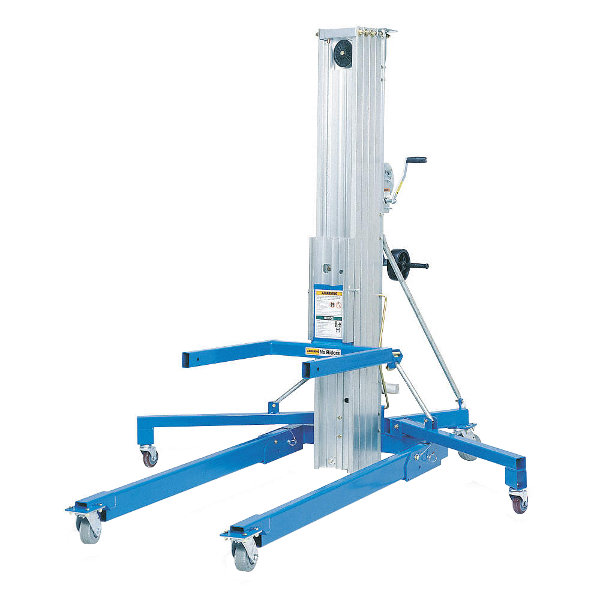
Pneumatic and electric balancers are manually controlled load manipulators under EN 14238; spring balancers (for which no harmonised EN standard exists) follow DIN 15112.
EN 14238:2024
Cranes — Manually controlled load manipulators
Specifies requirements for manually controlled load manipulating cranes powered by an energy other than human energy — such as our pneumatic and electric balancers — that assist an operator in the handling of loads, including load-holding on power failure, control forces and verification.
DIN 15112:1979-05
Federzüge; Sicherheitstechnische Anforderungen und Prüfung (Spring balancers — safety requirements and testing)
German national standard for spring balancers (spring pulls) used to suspend tools and equipment: requirements for the suspension secured against unintentional unhooking, provisions for an independent fall arrester, securing of connecting elements and the applicable tests. There is no harmonised EN standard dedicated to spring balancers, so DIN 15112 is applied together with the Machinery Directive 2006/42/EC and EN ISO 12100.
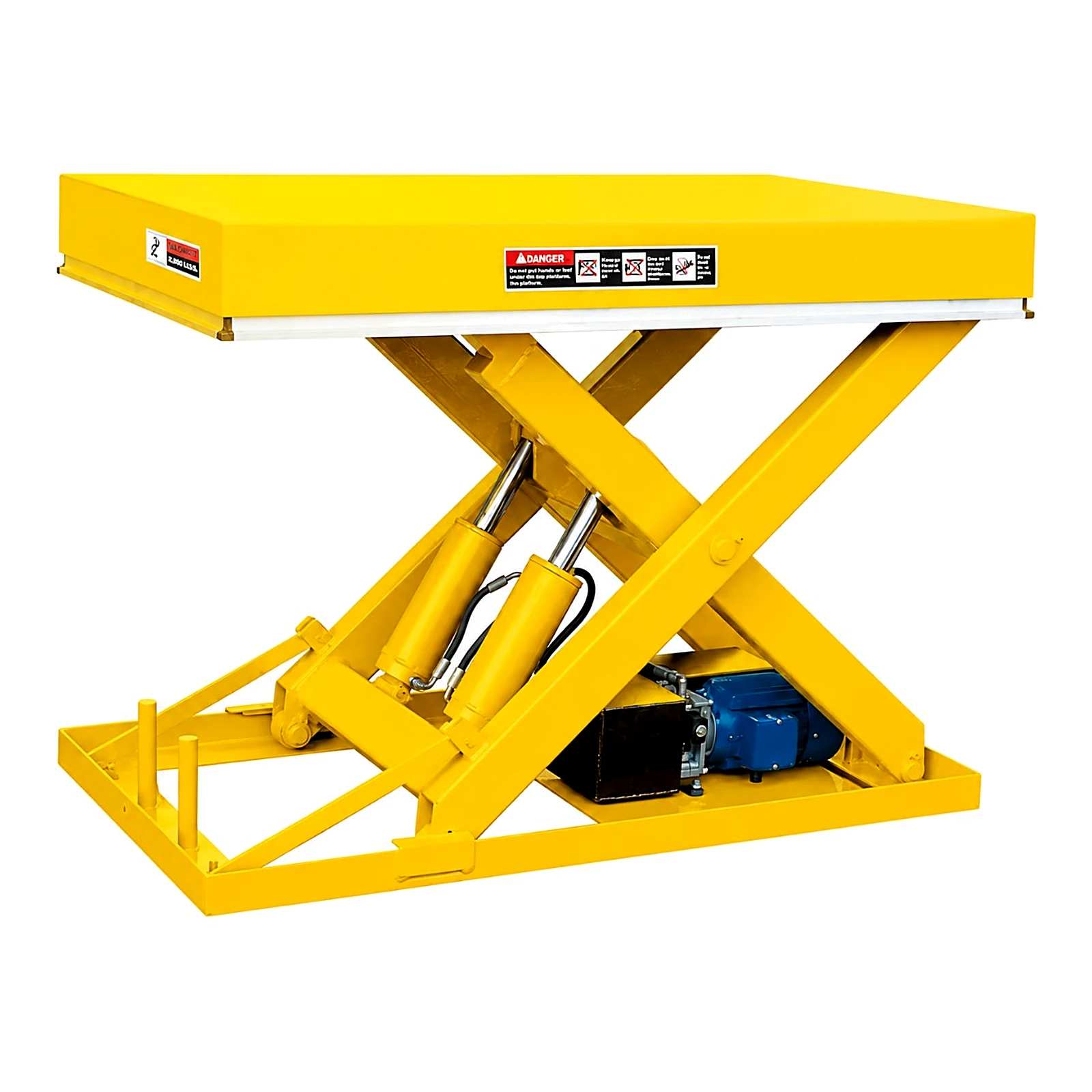
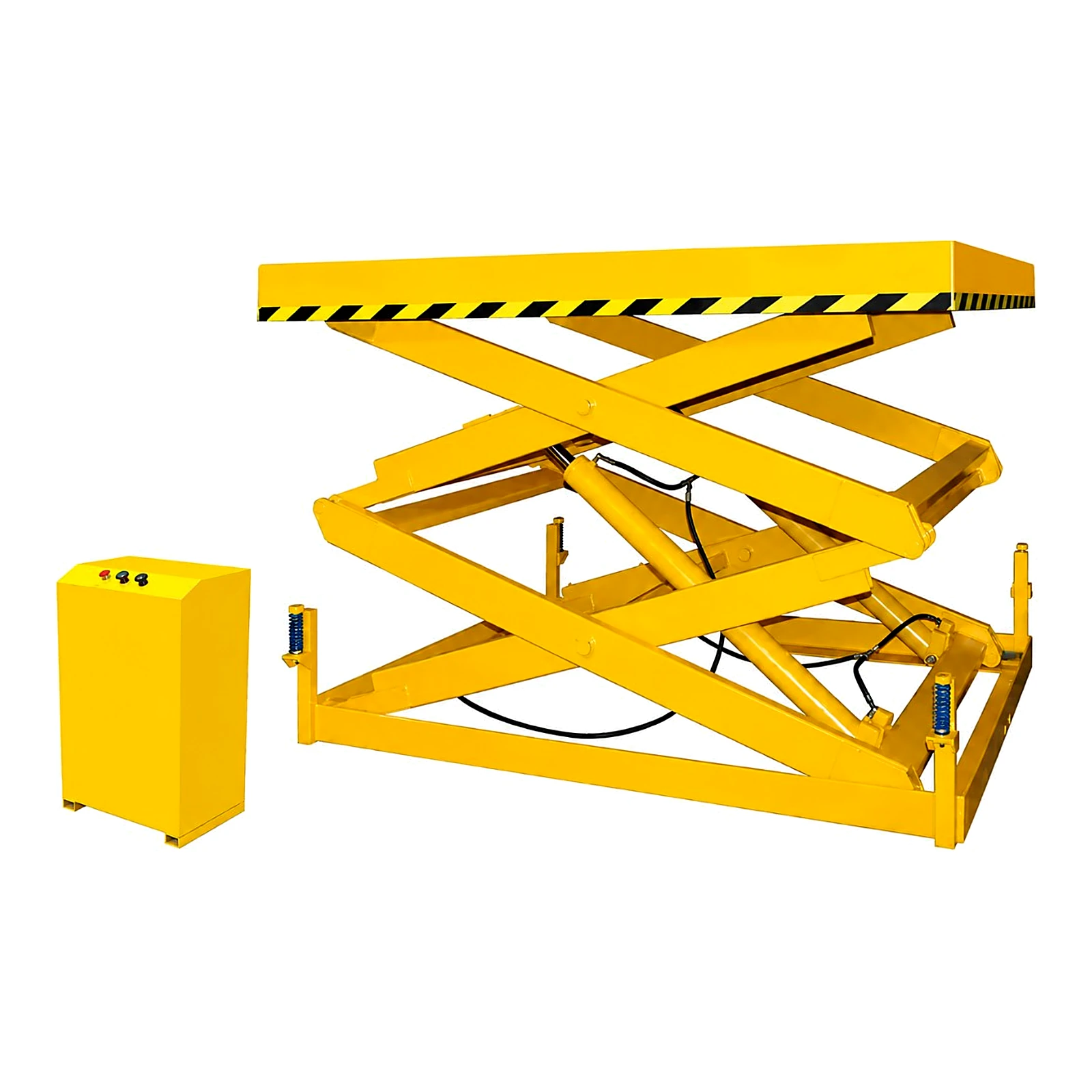
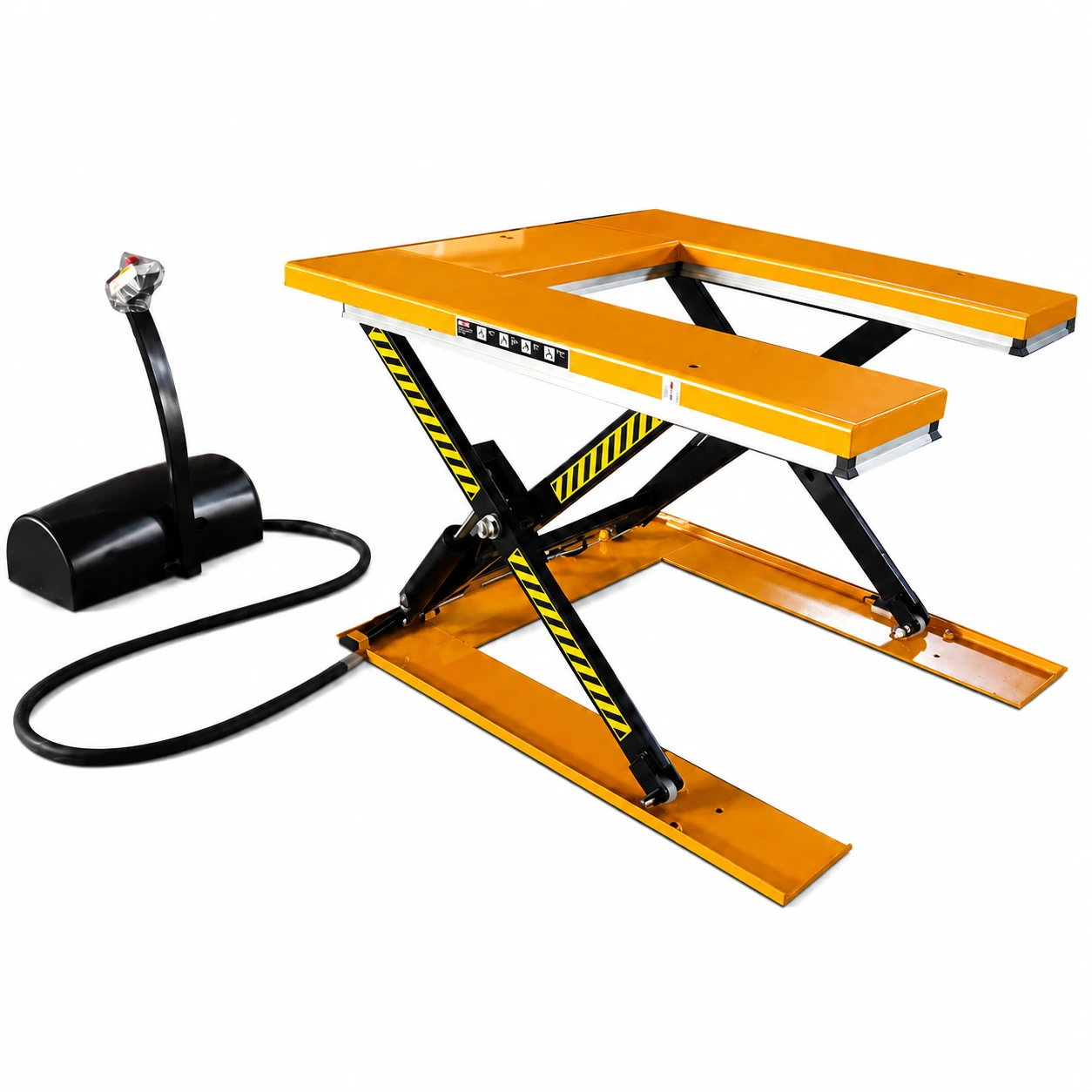
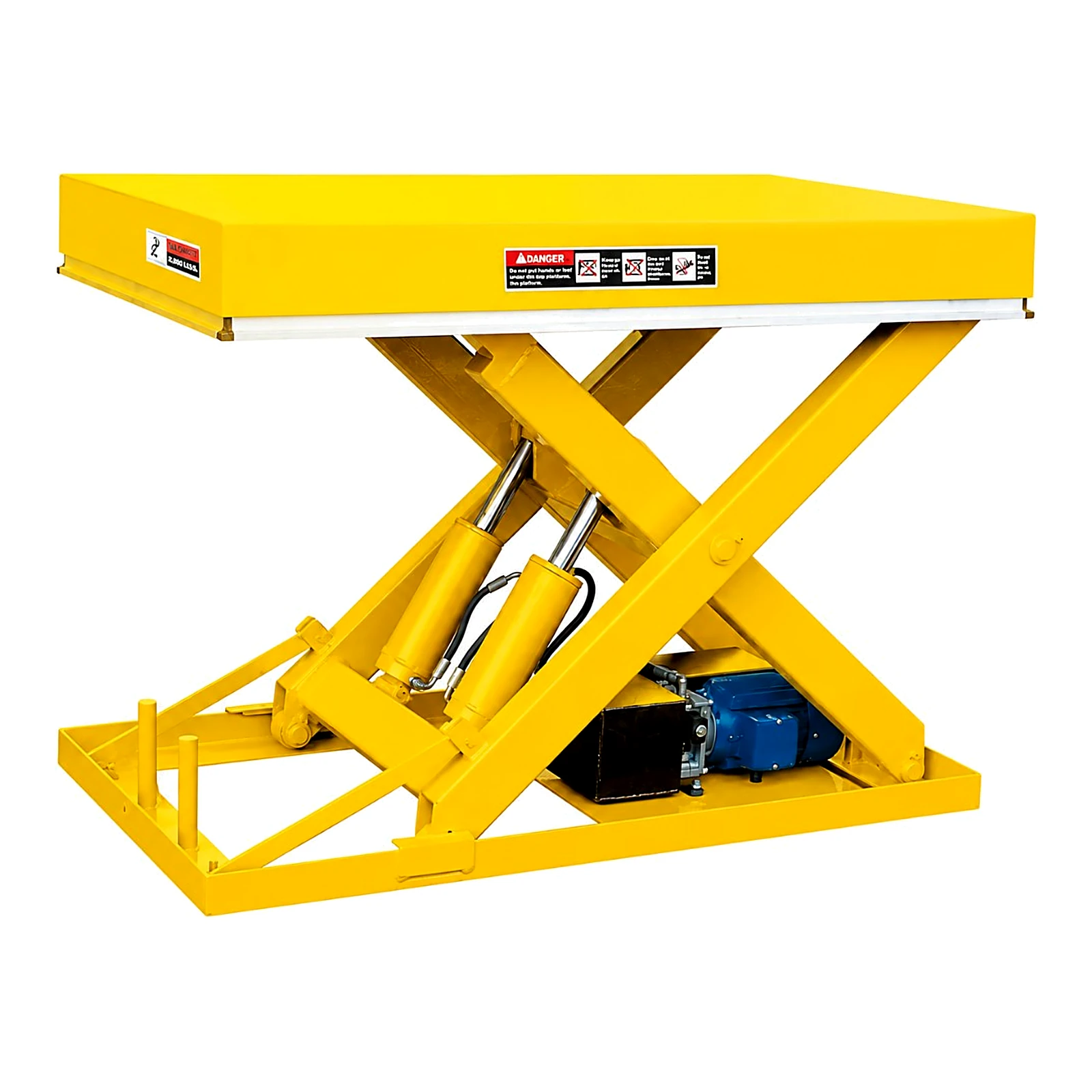
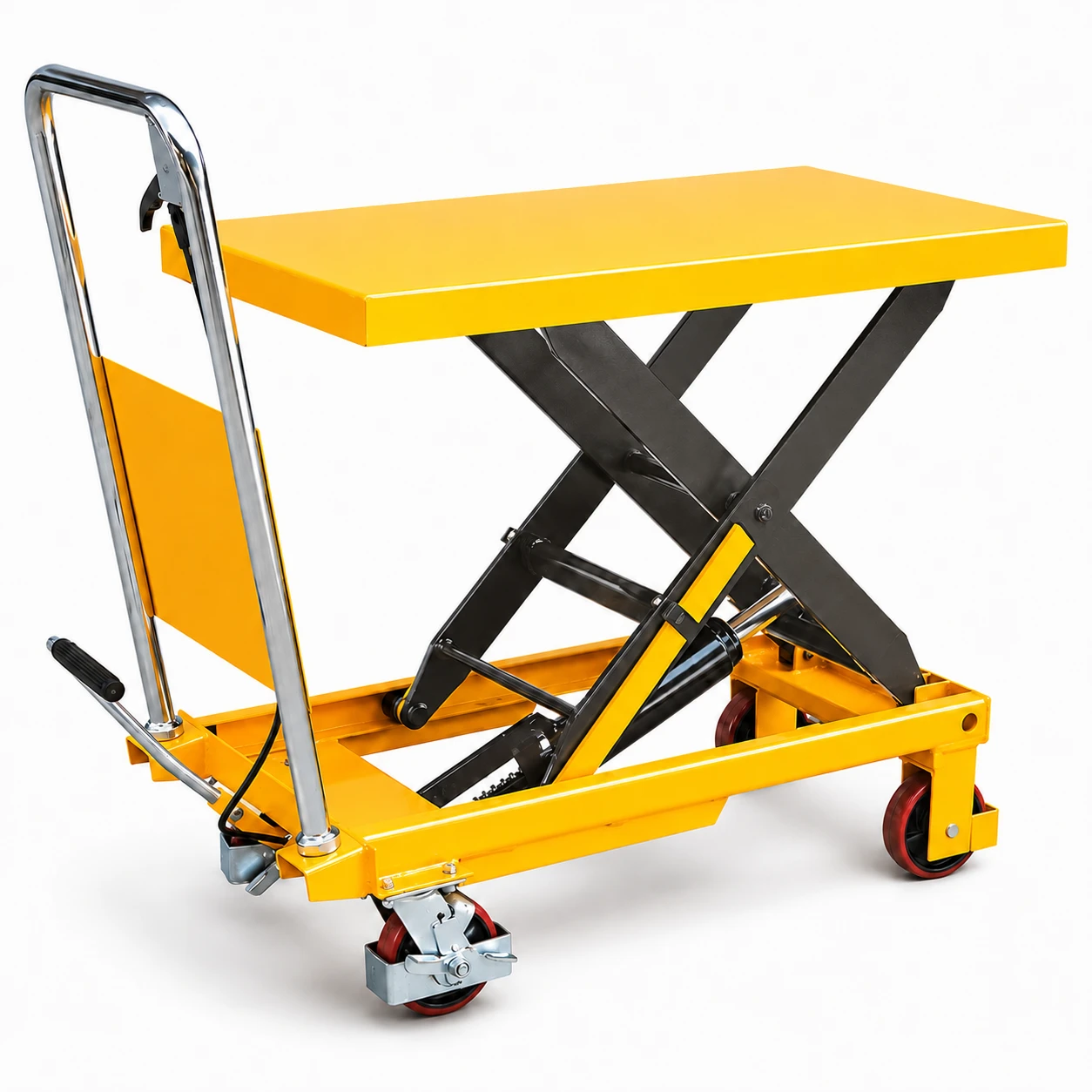
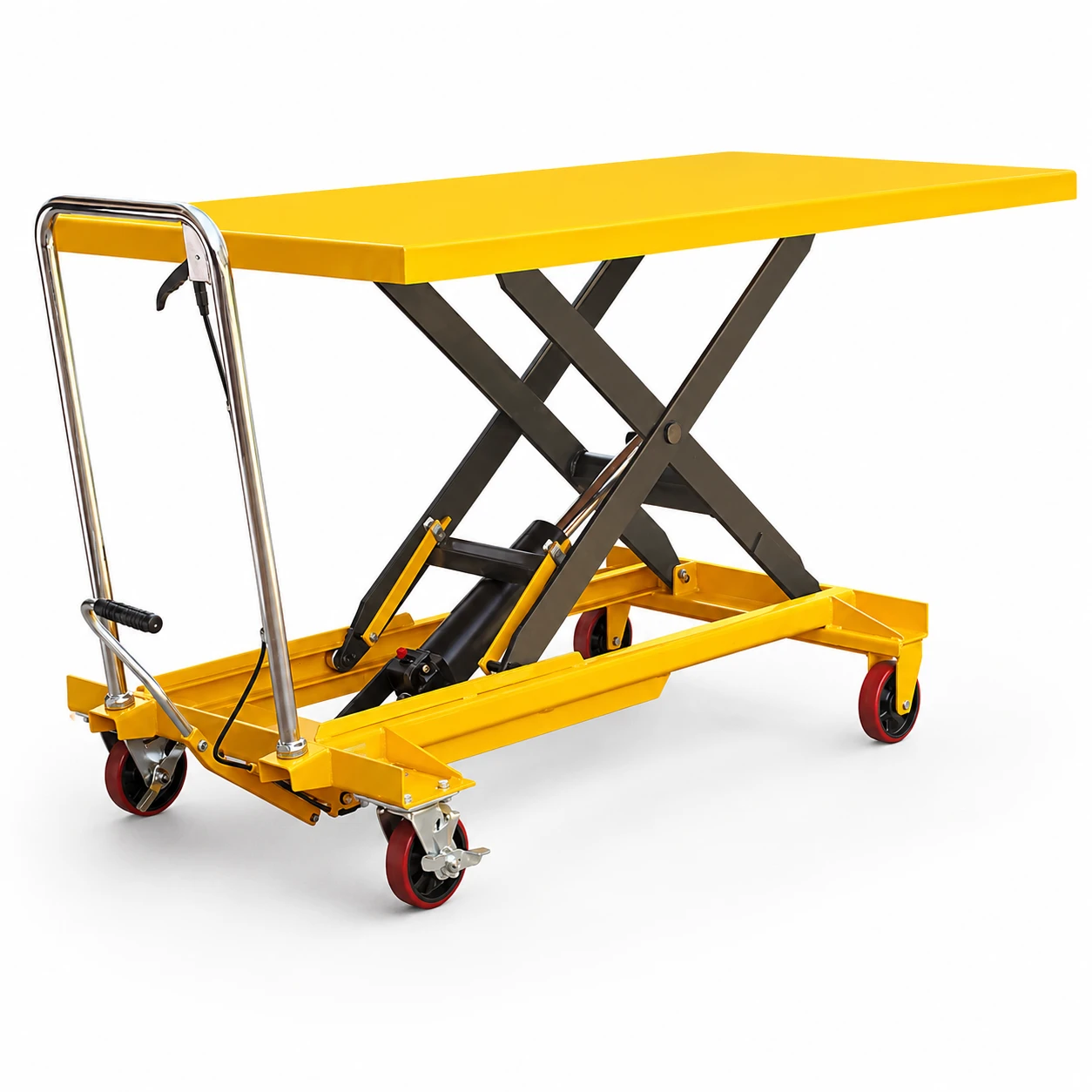
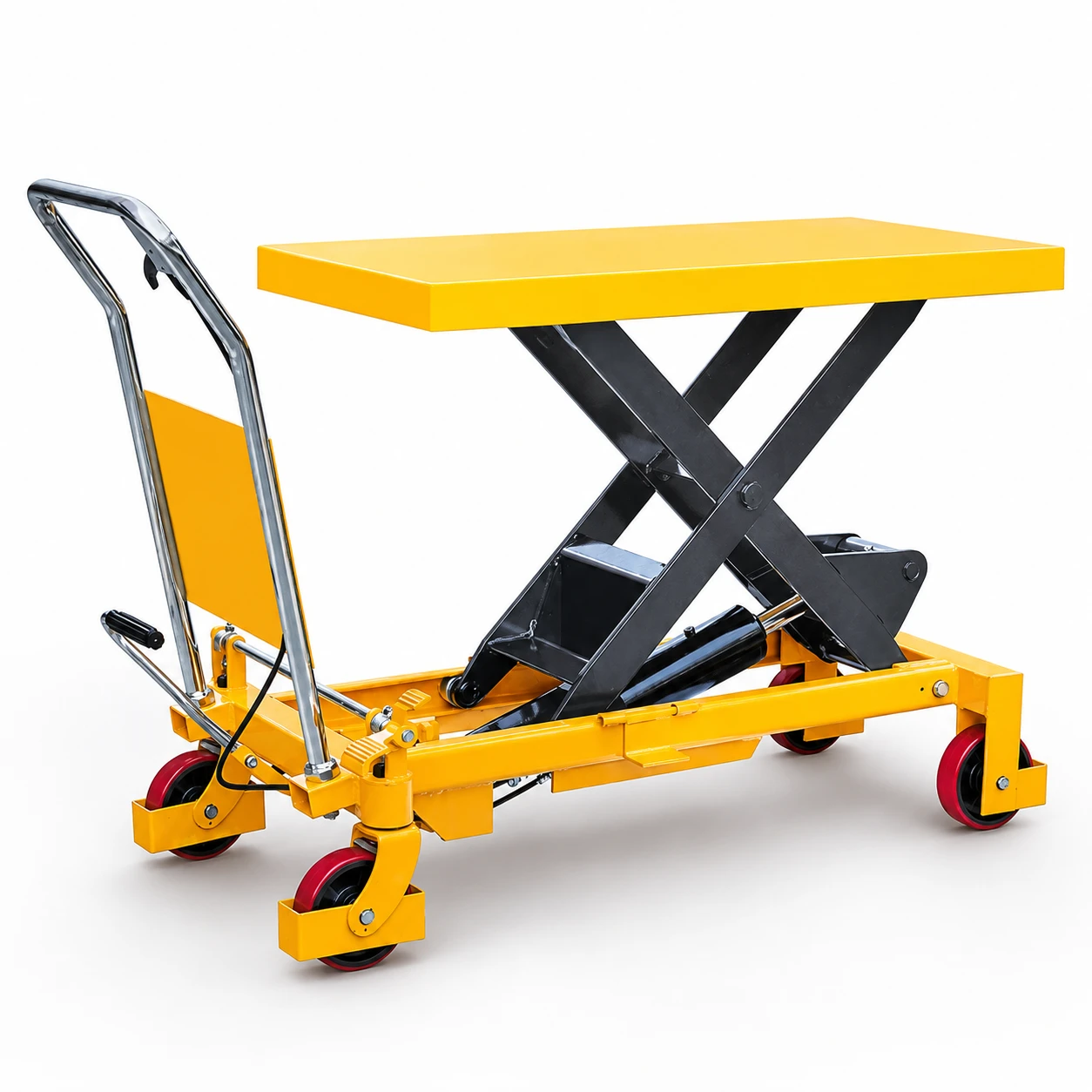
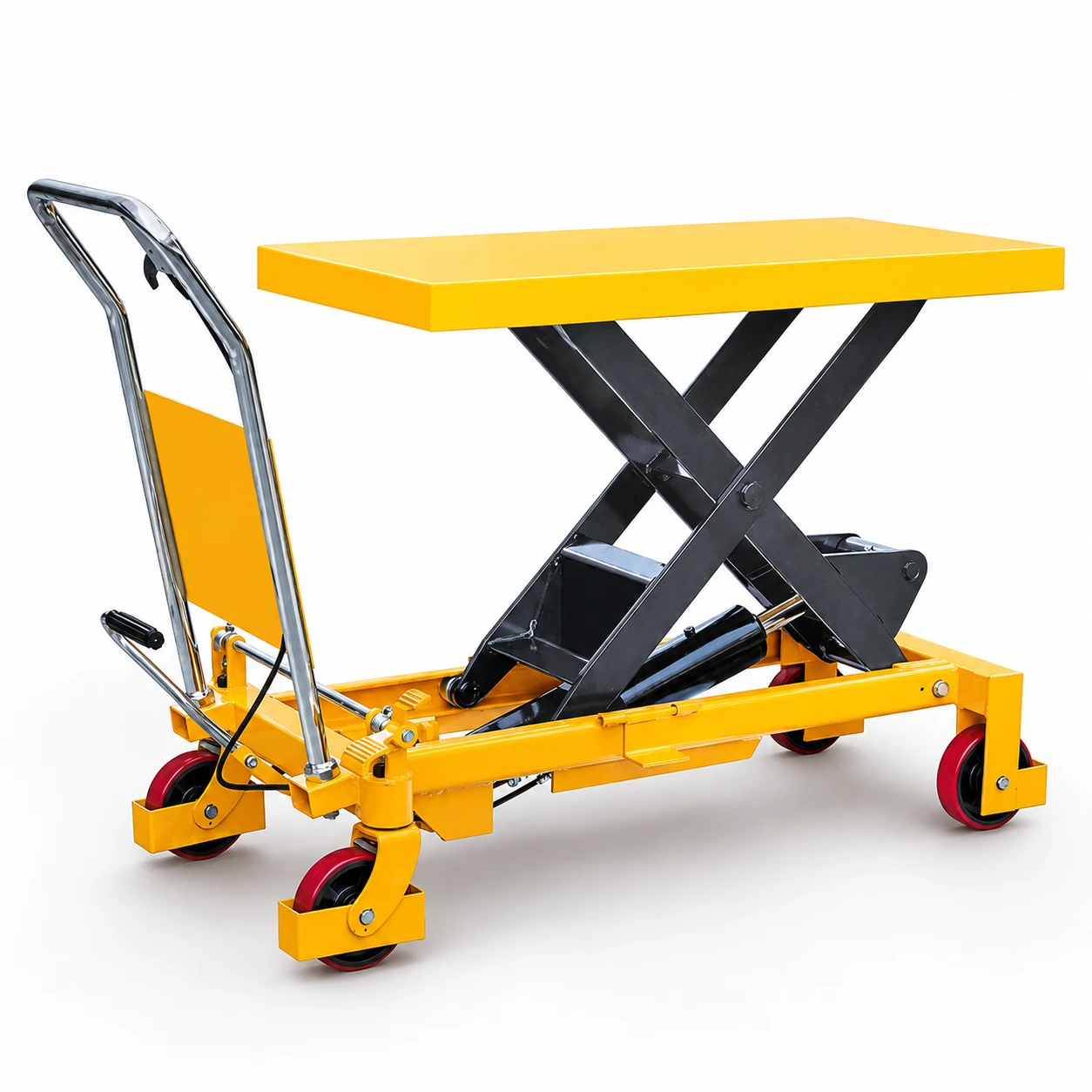
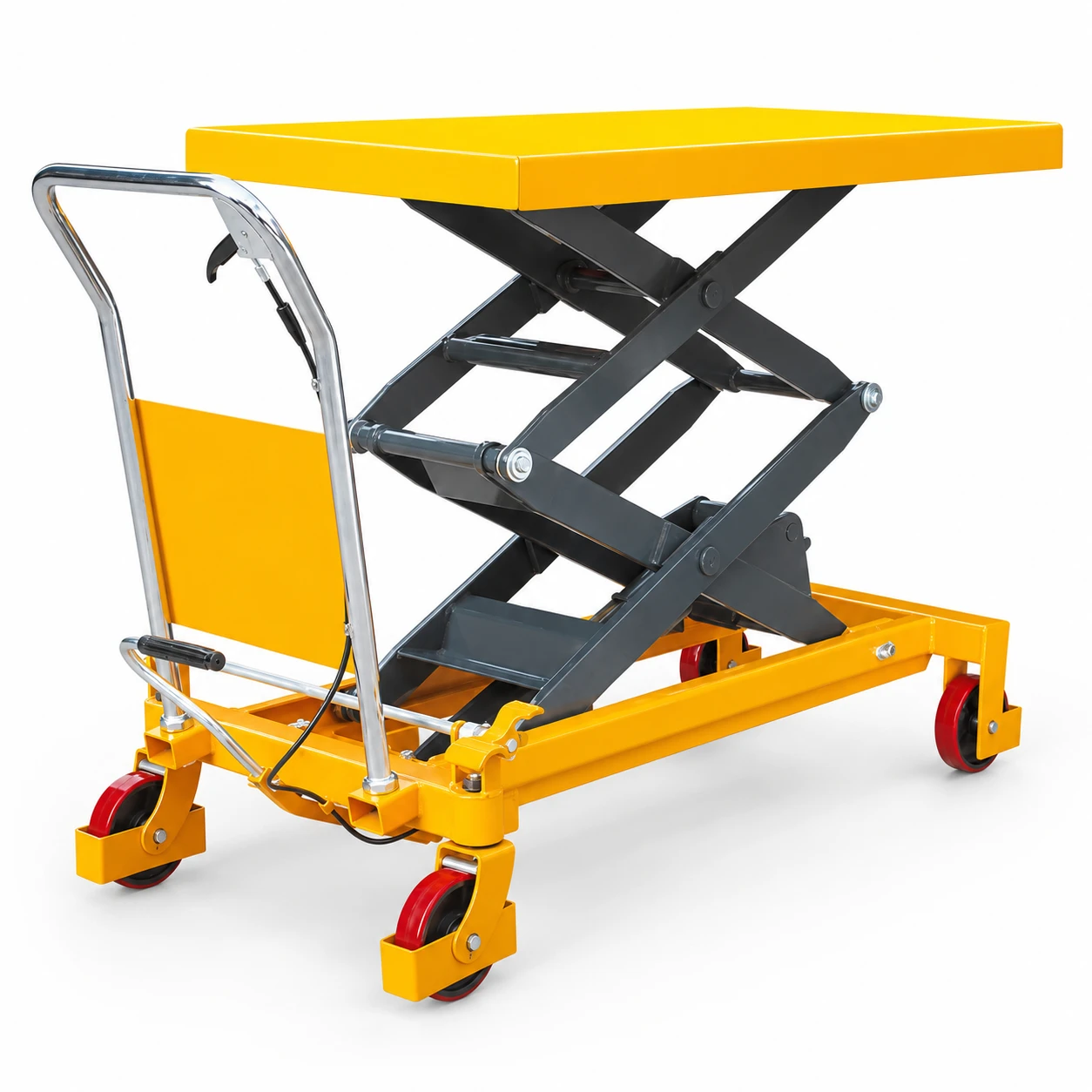
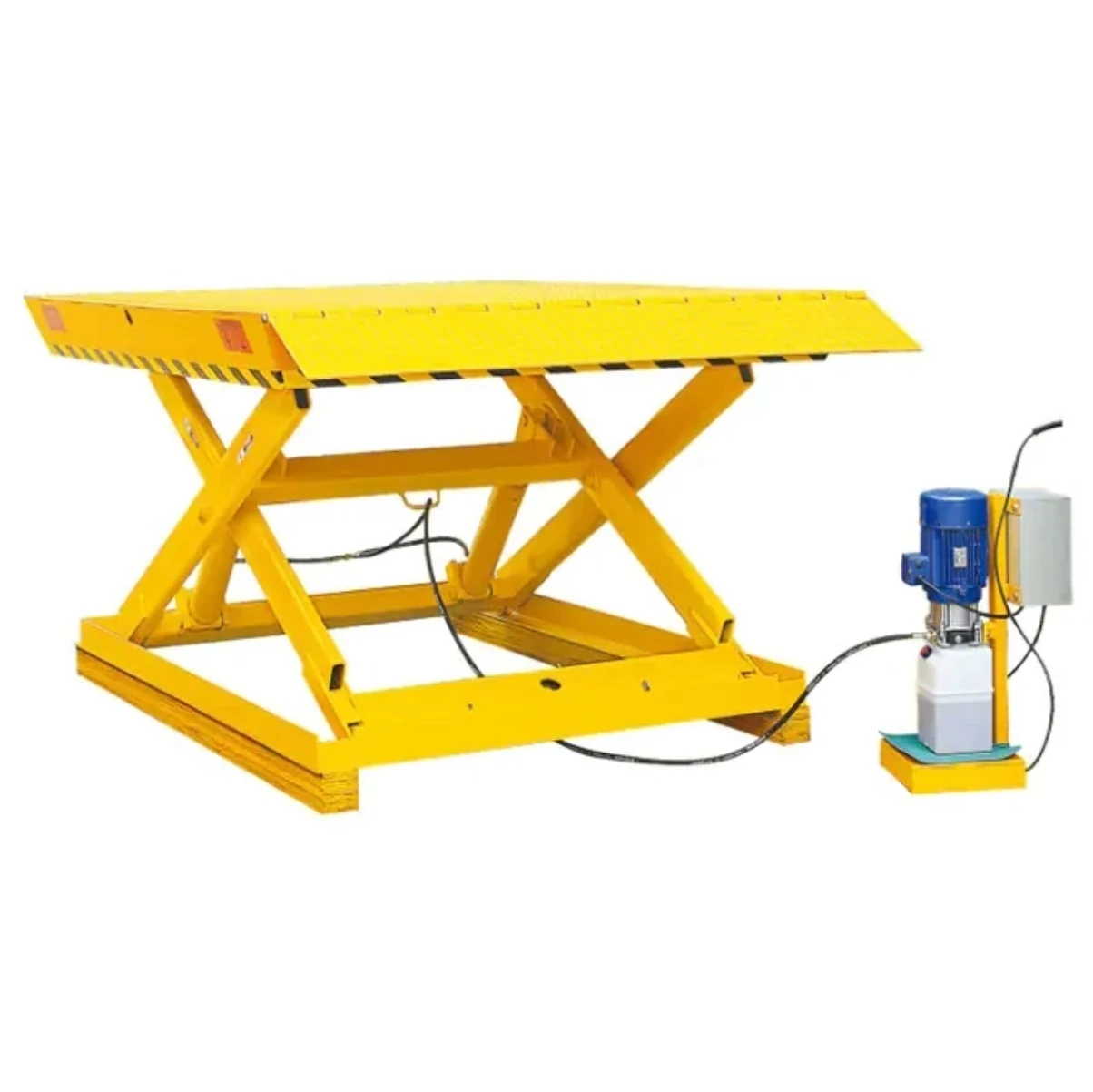
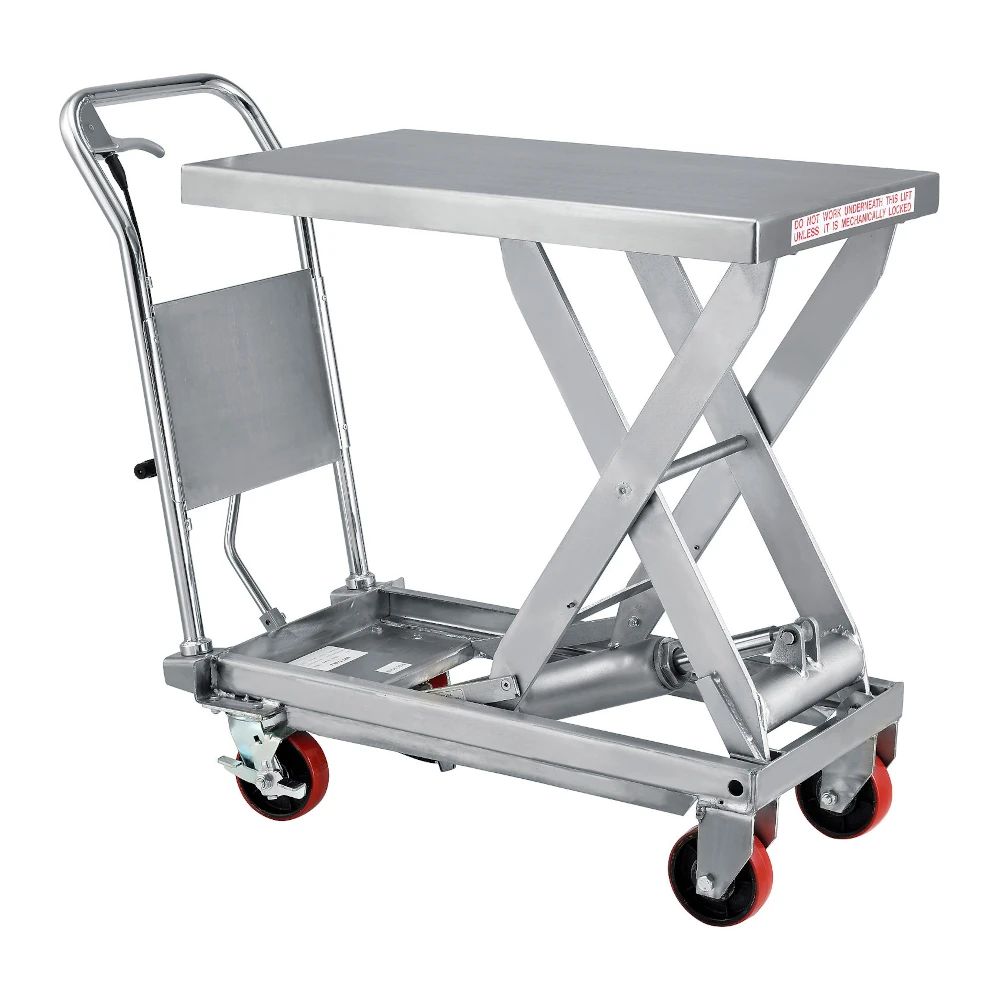
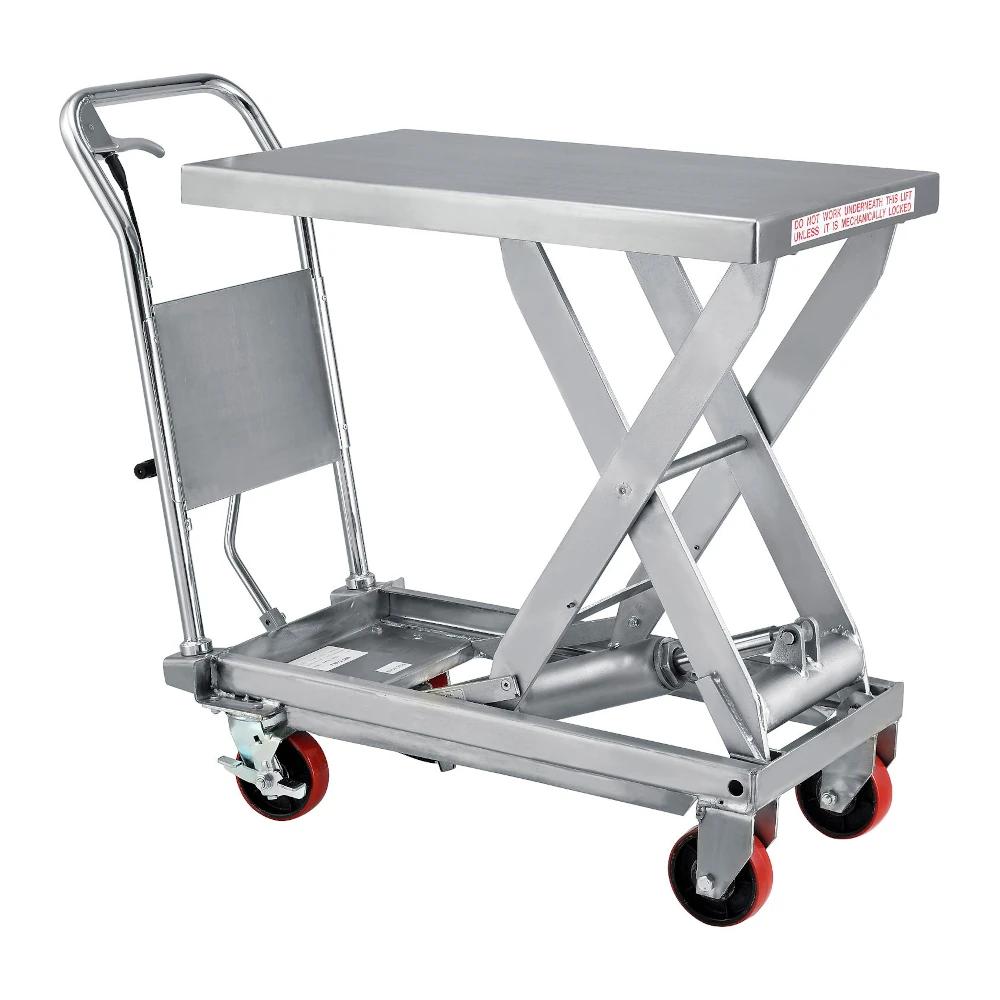
Hydraulic lift tables and loading ramps
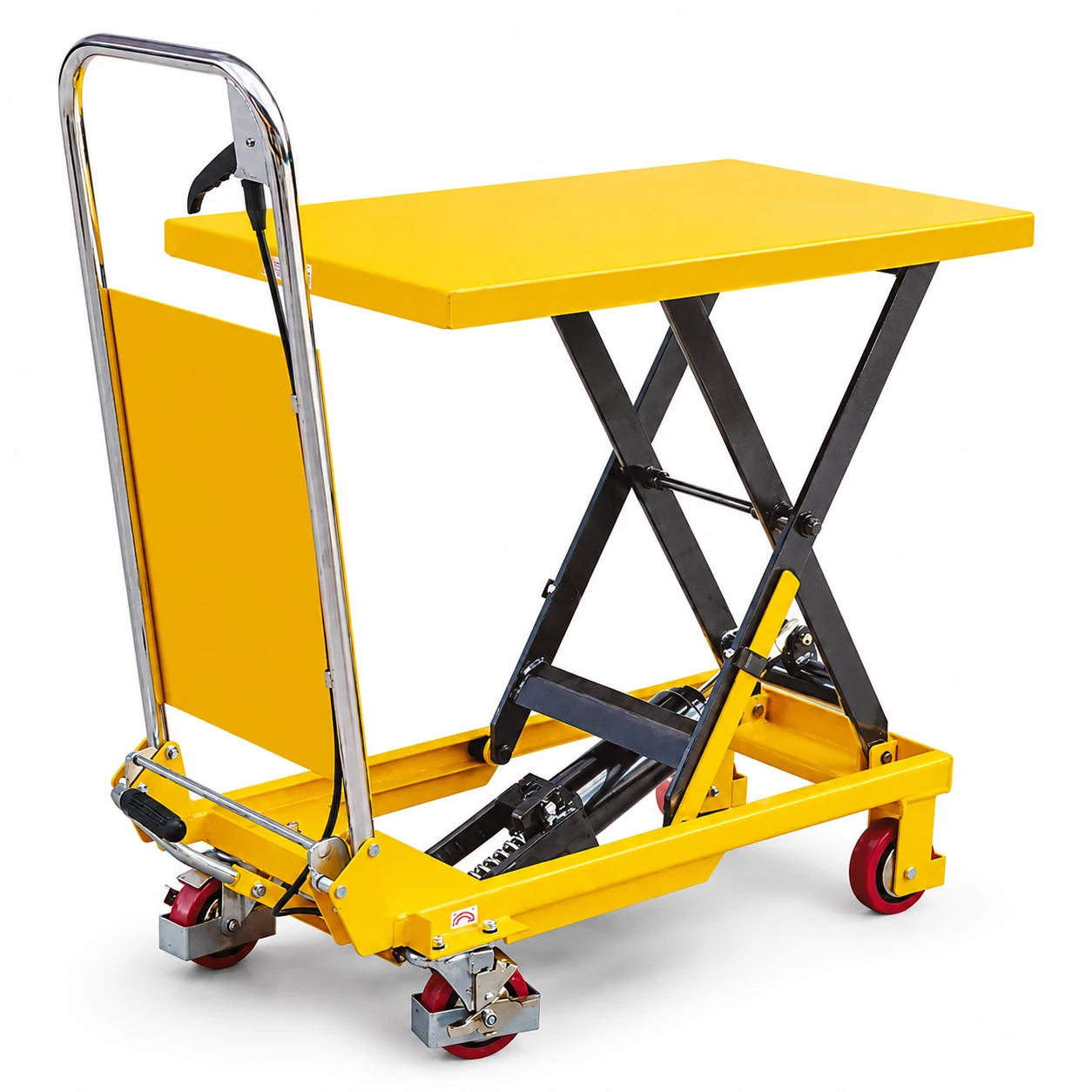
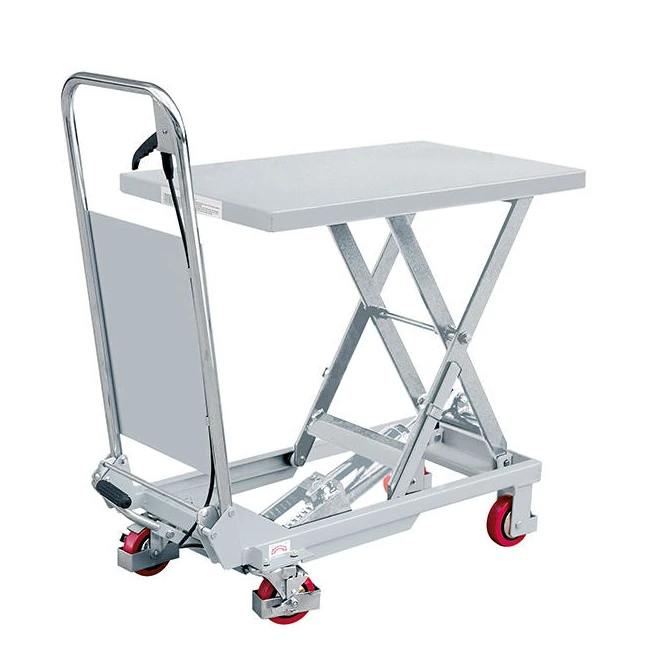
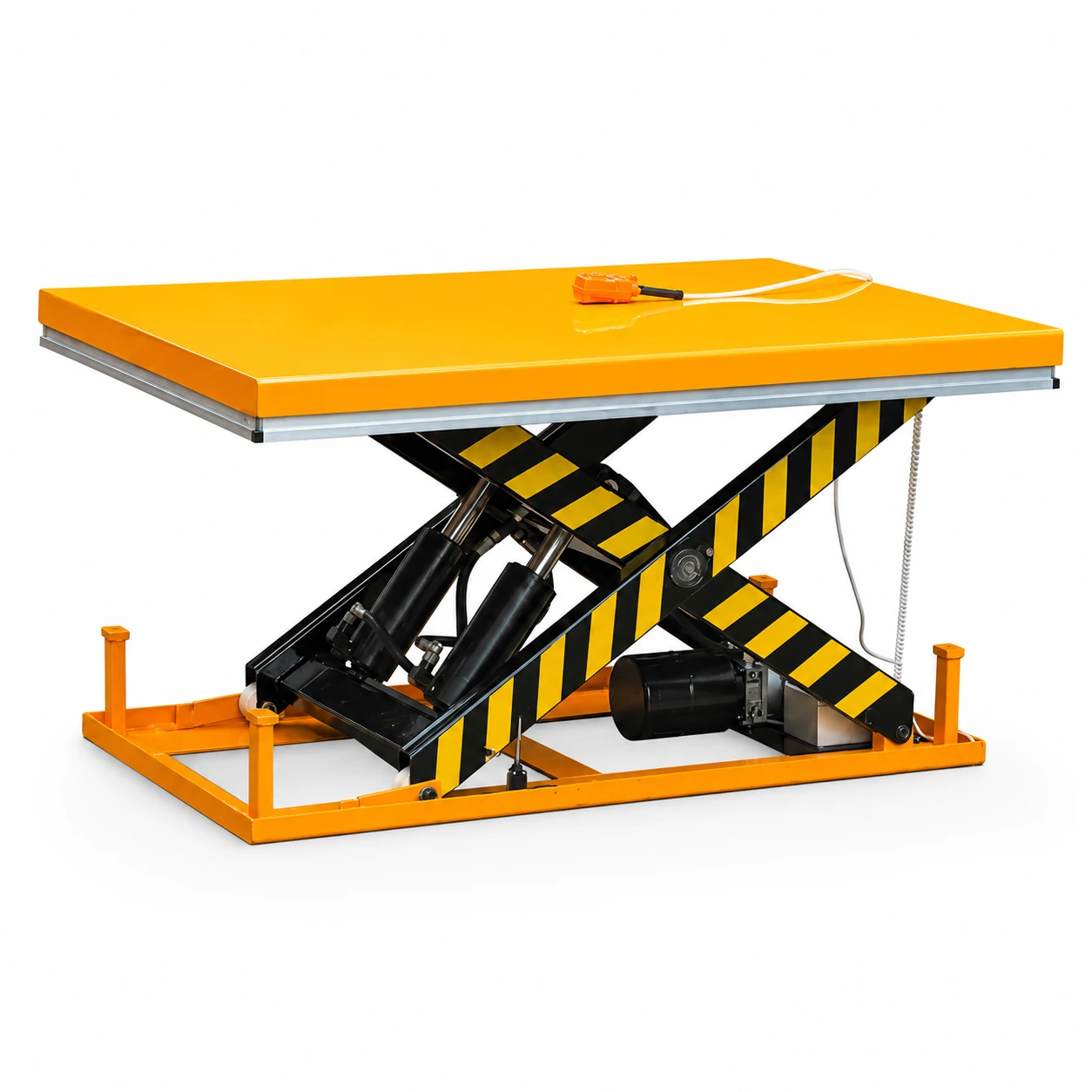
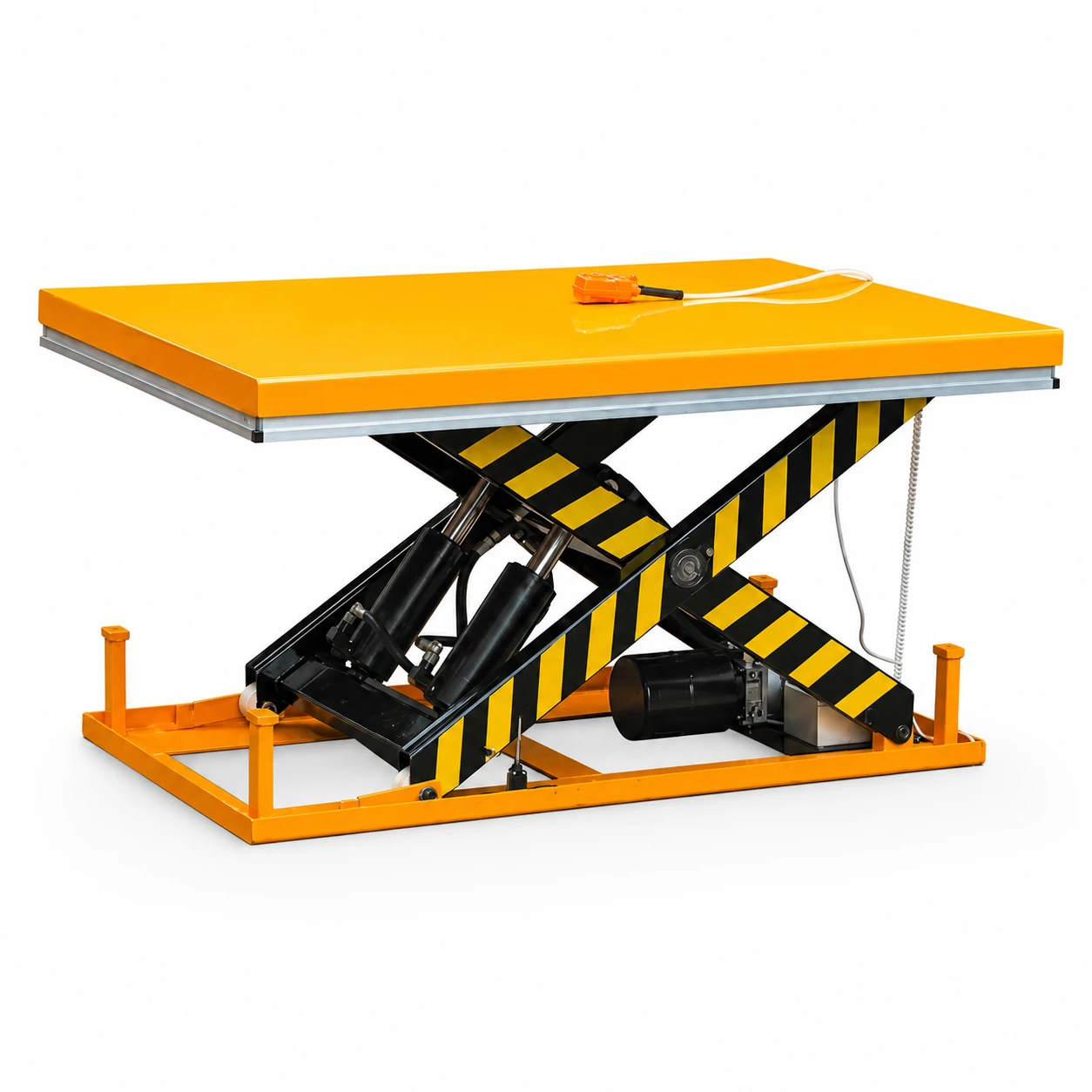
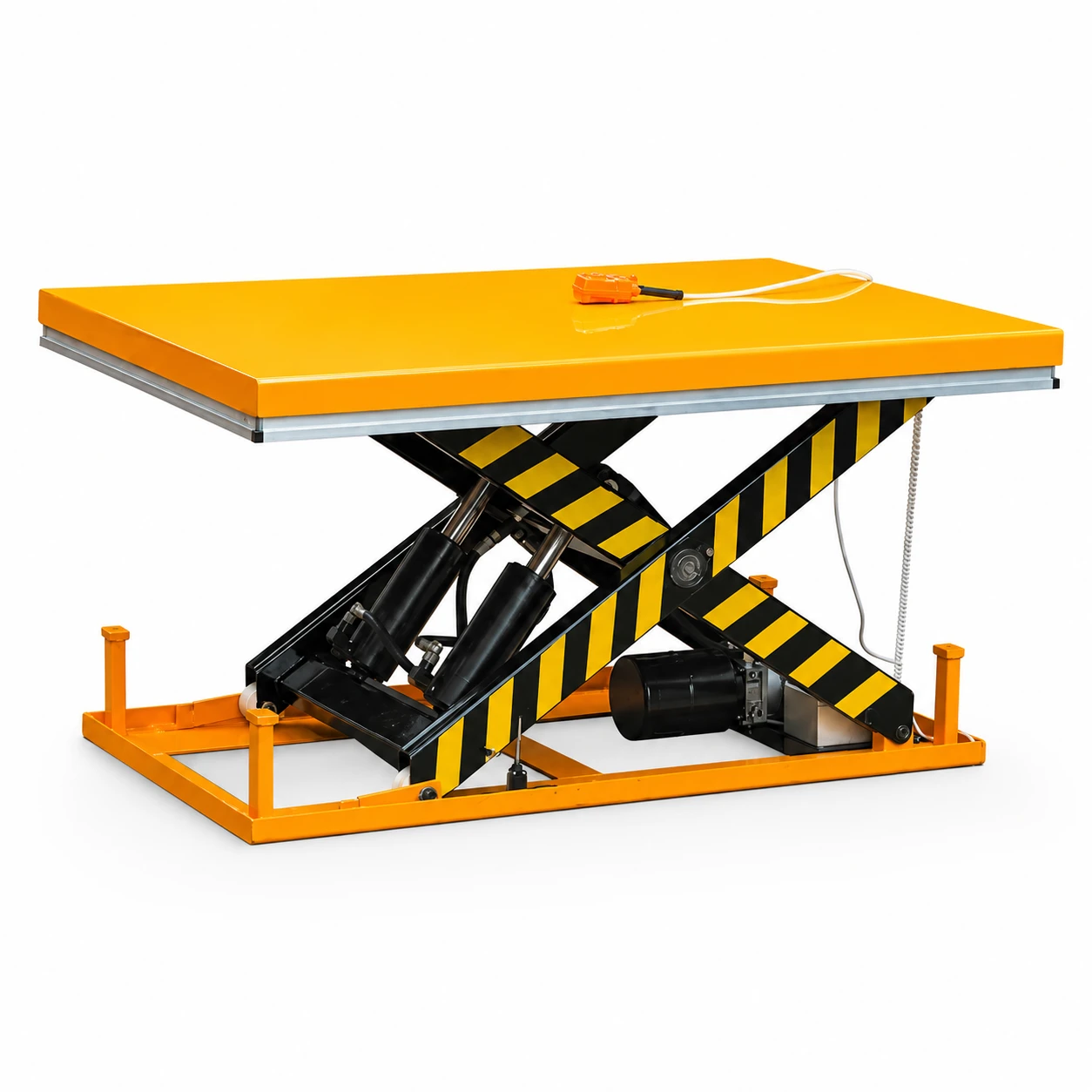
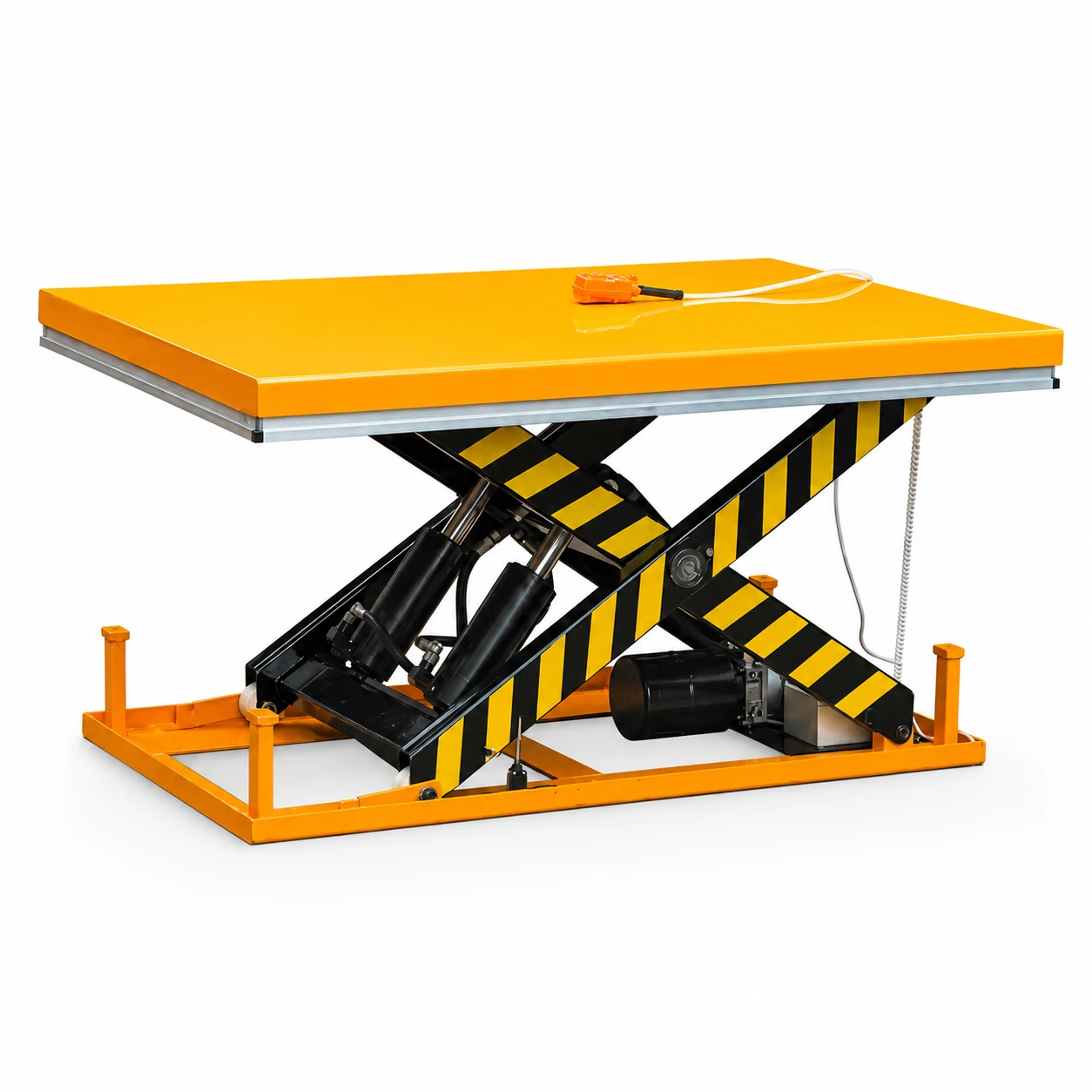
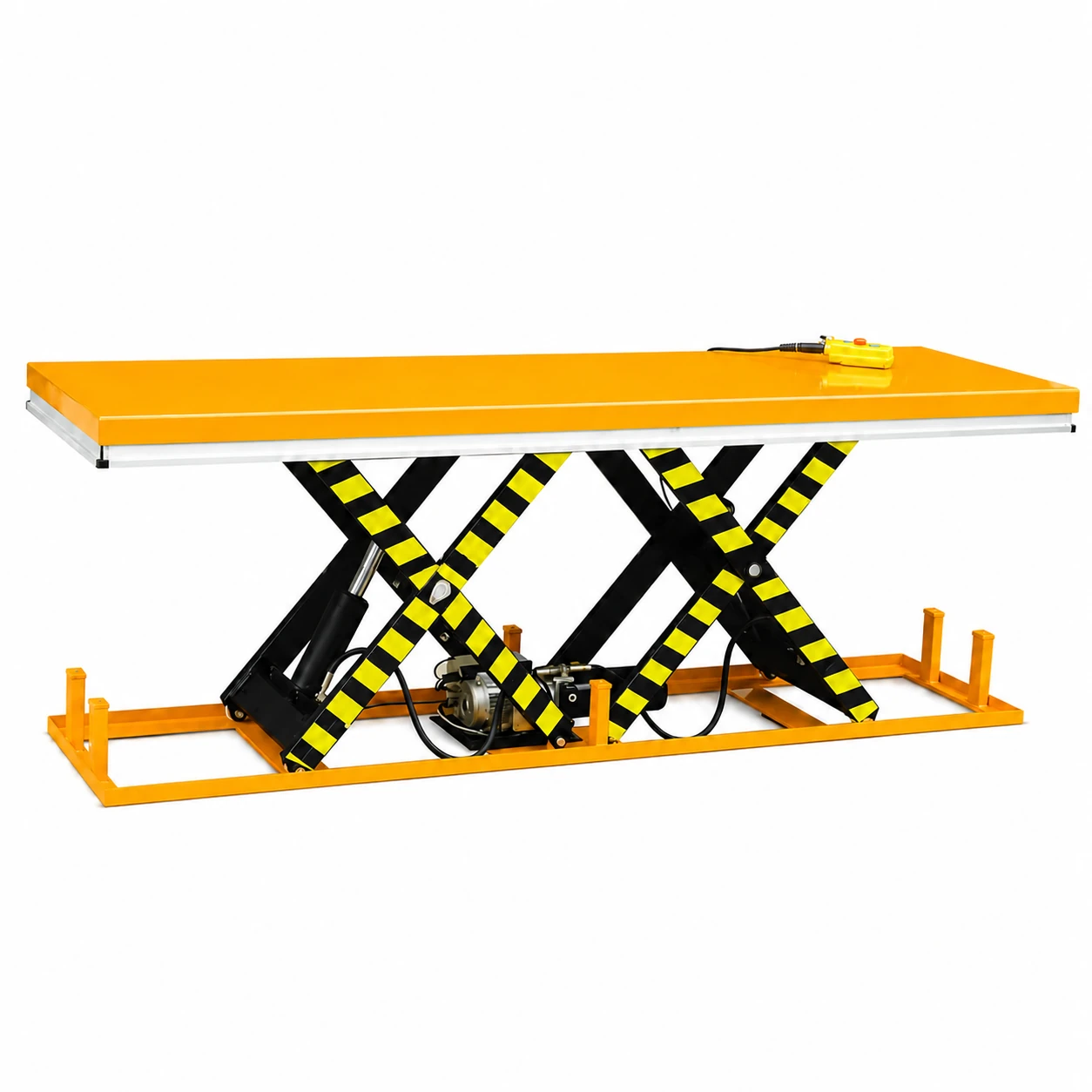
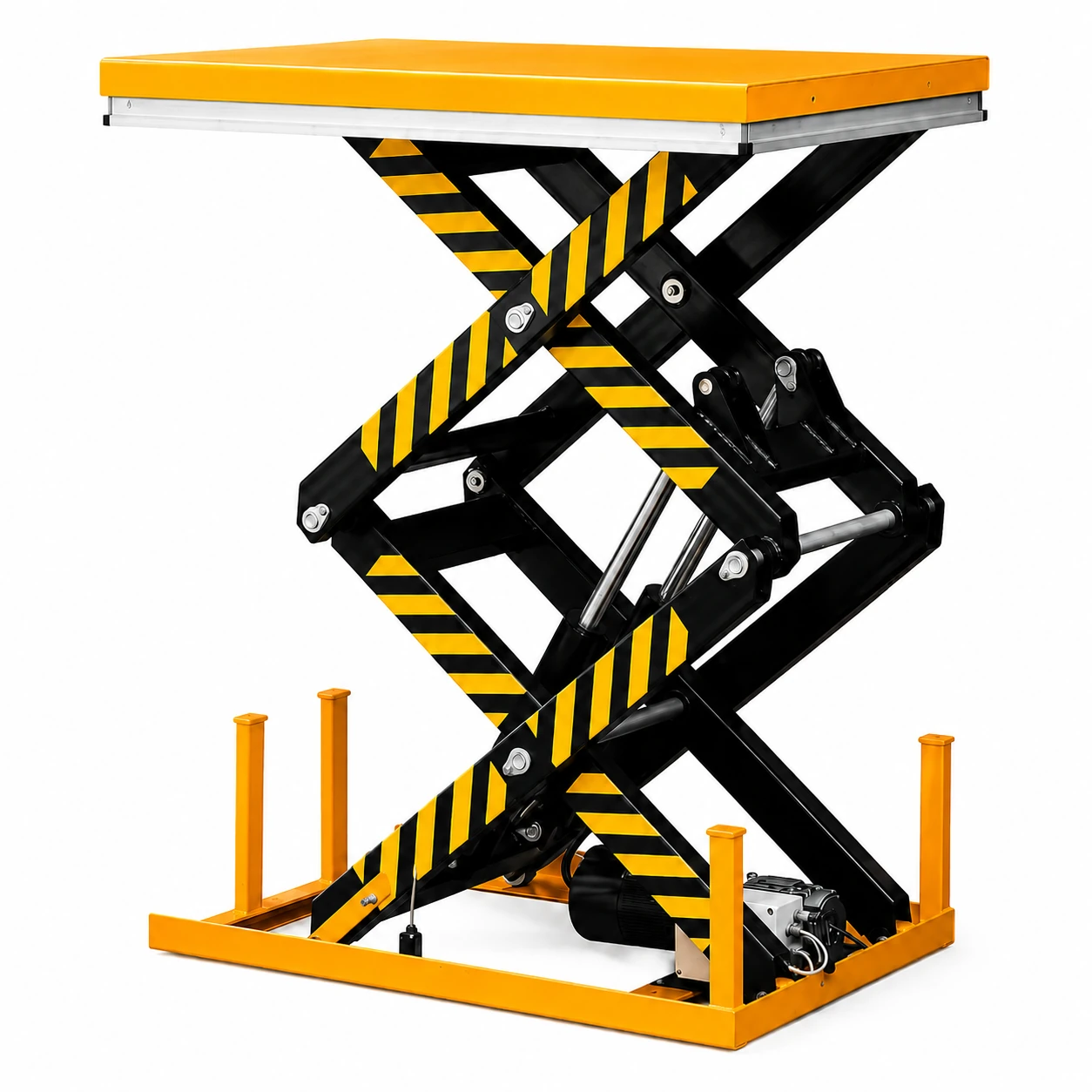
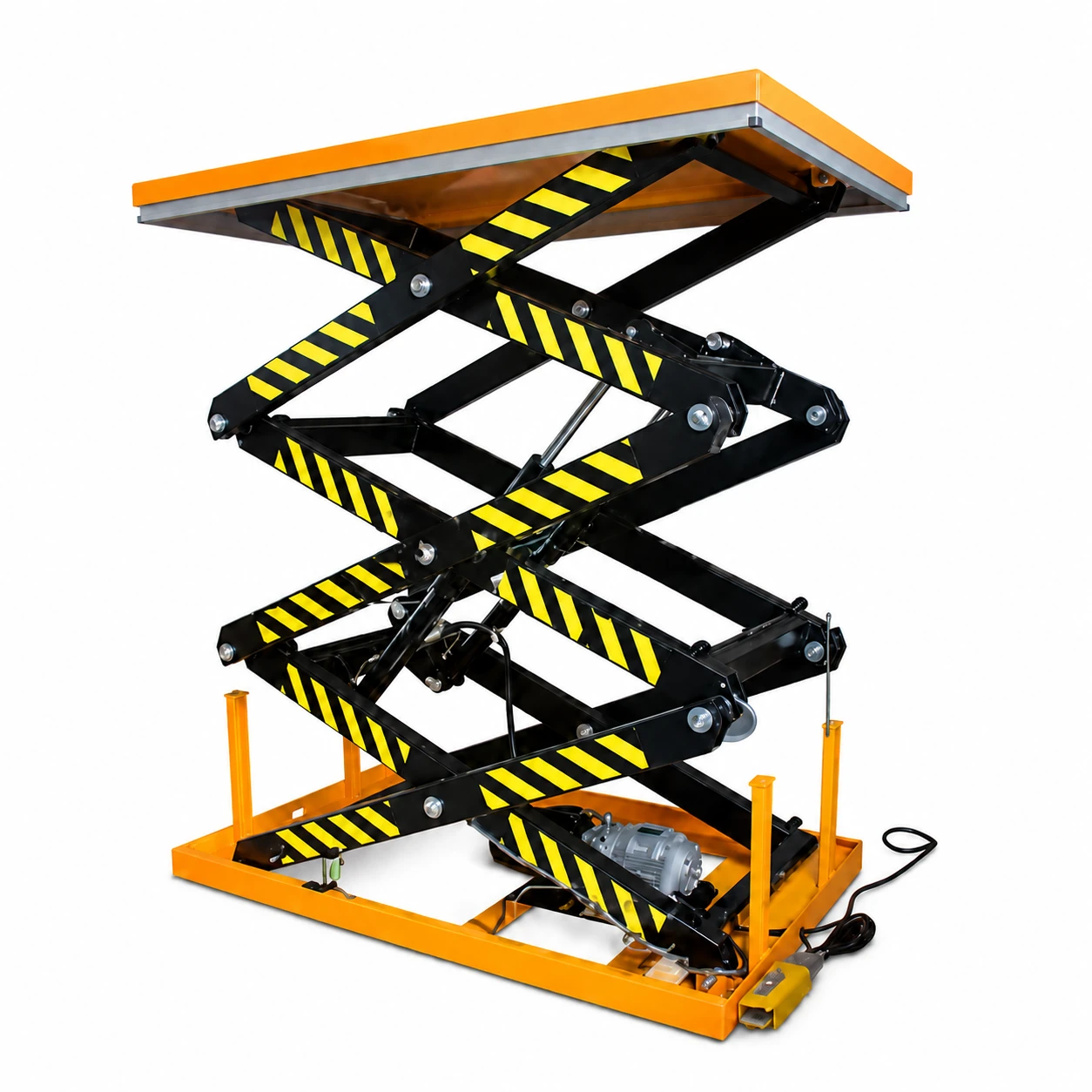
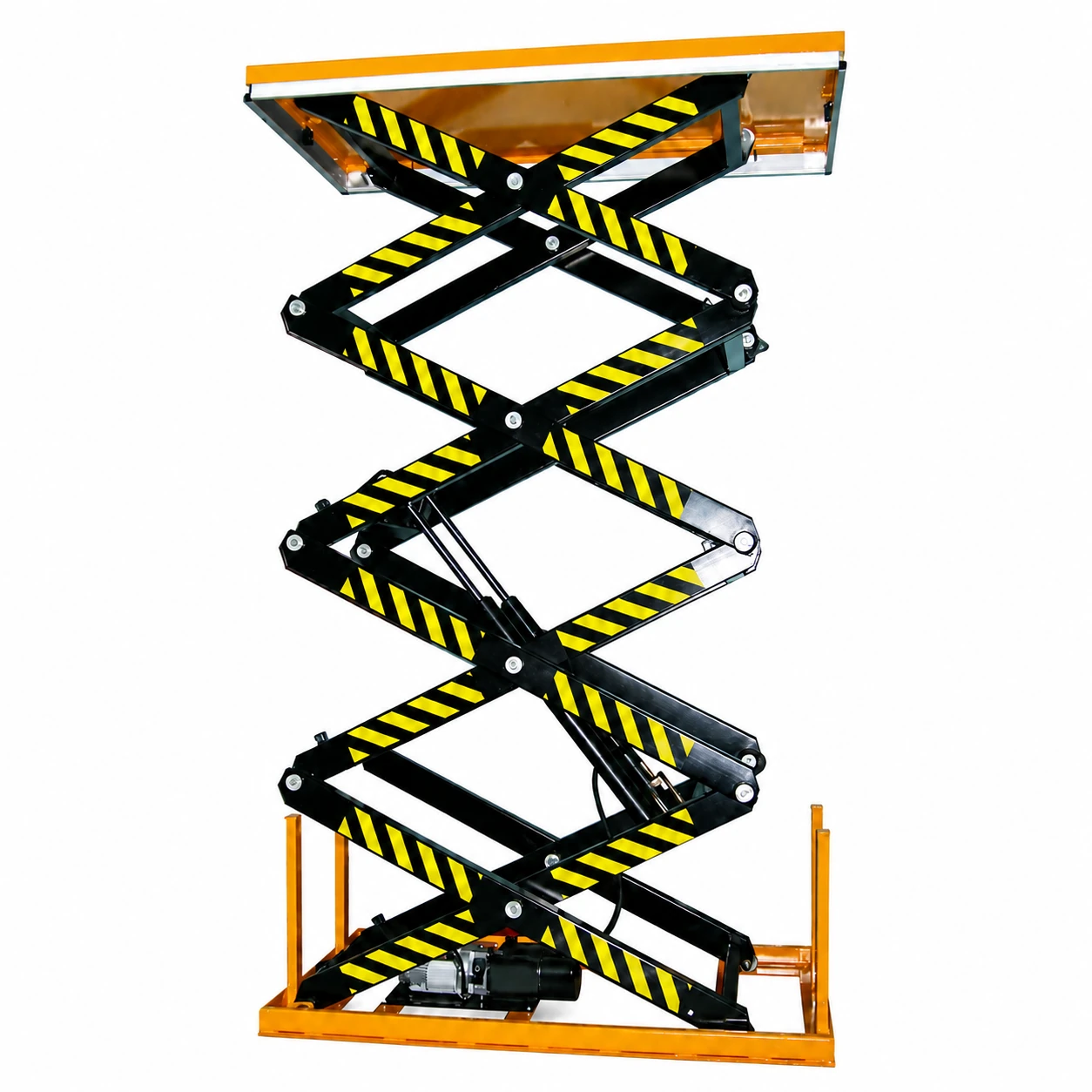
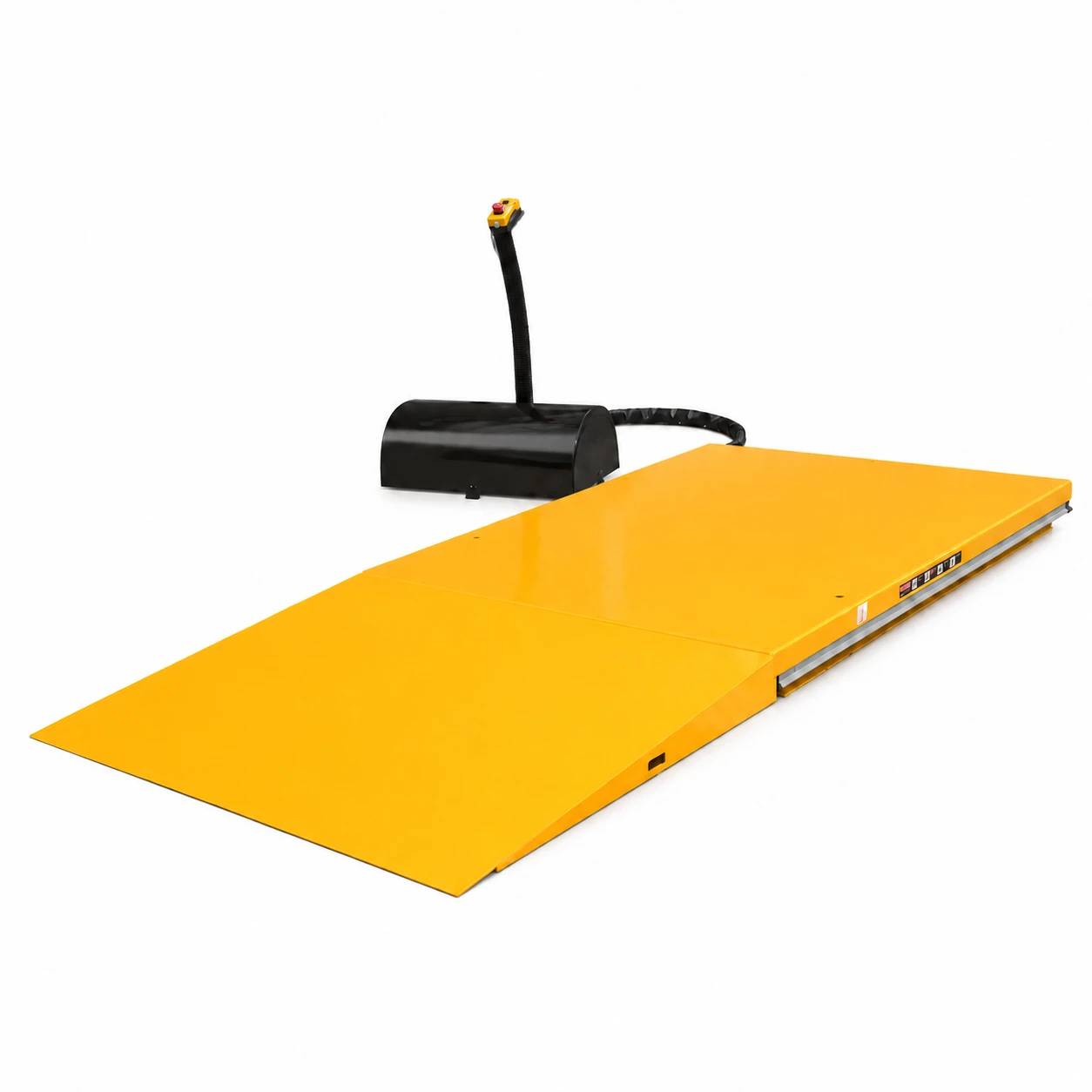
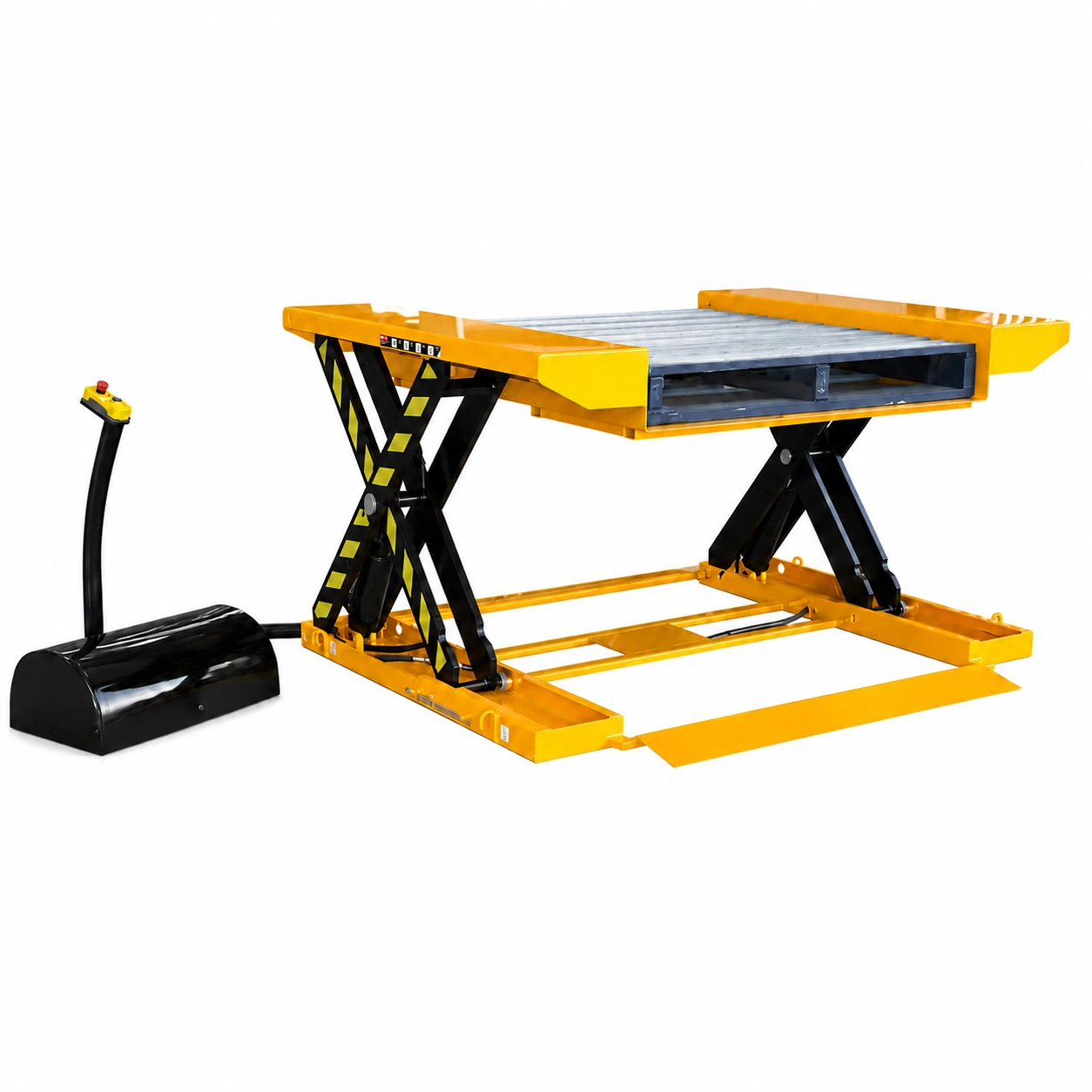
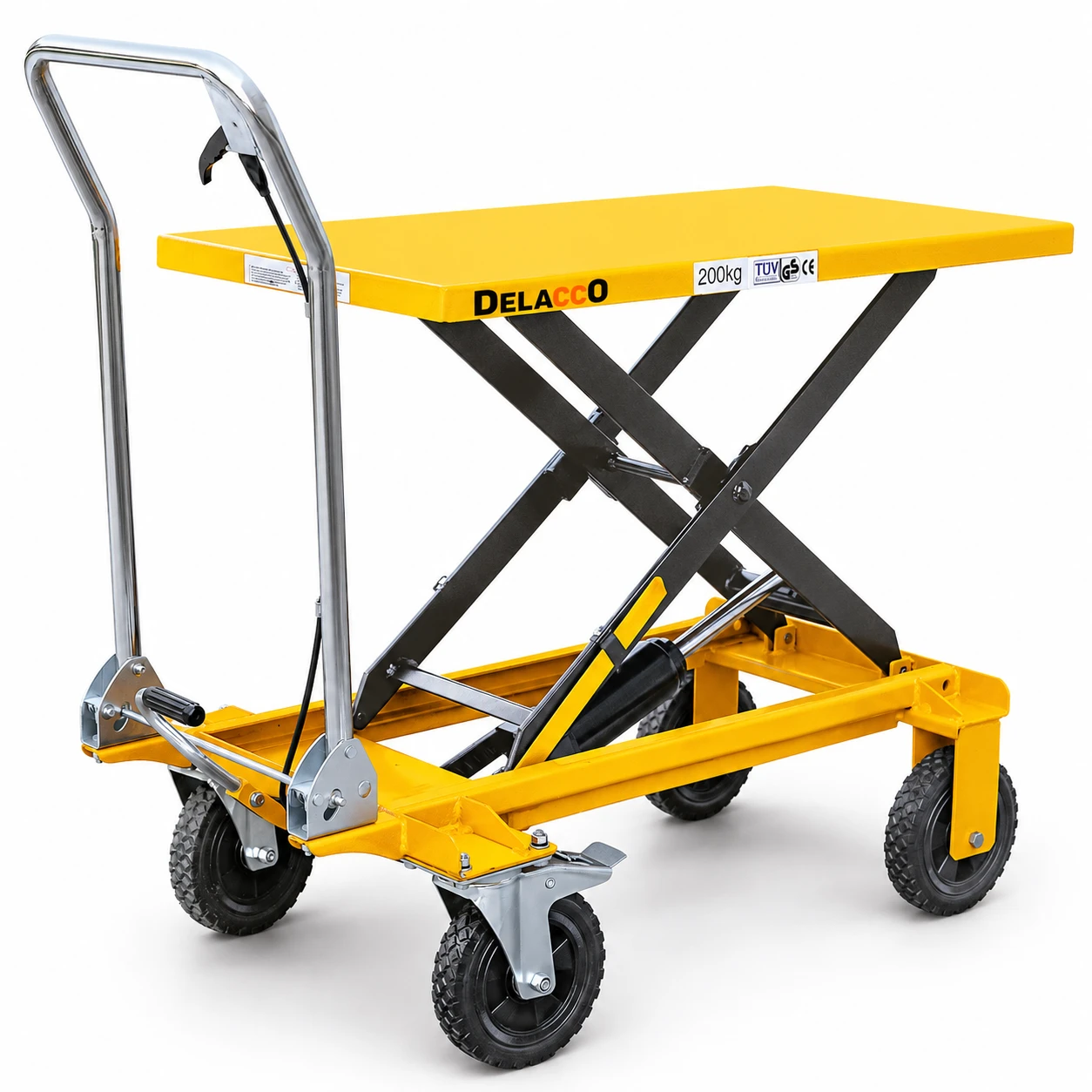
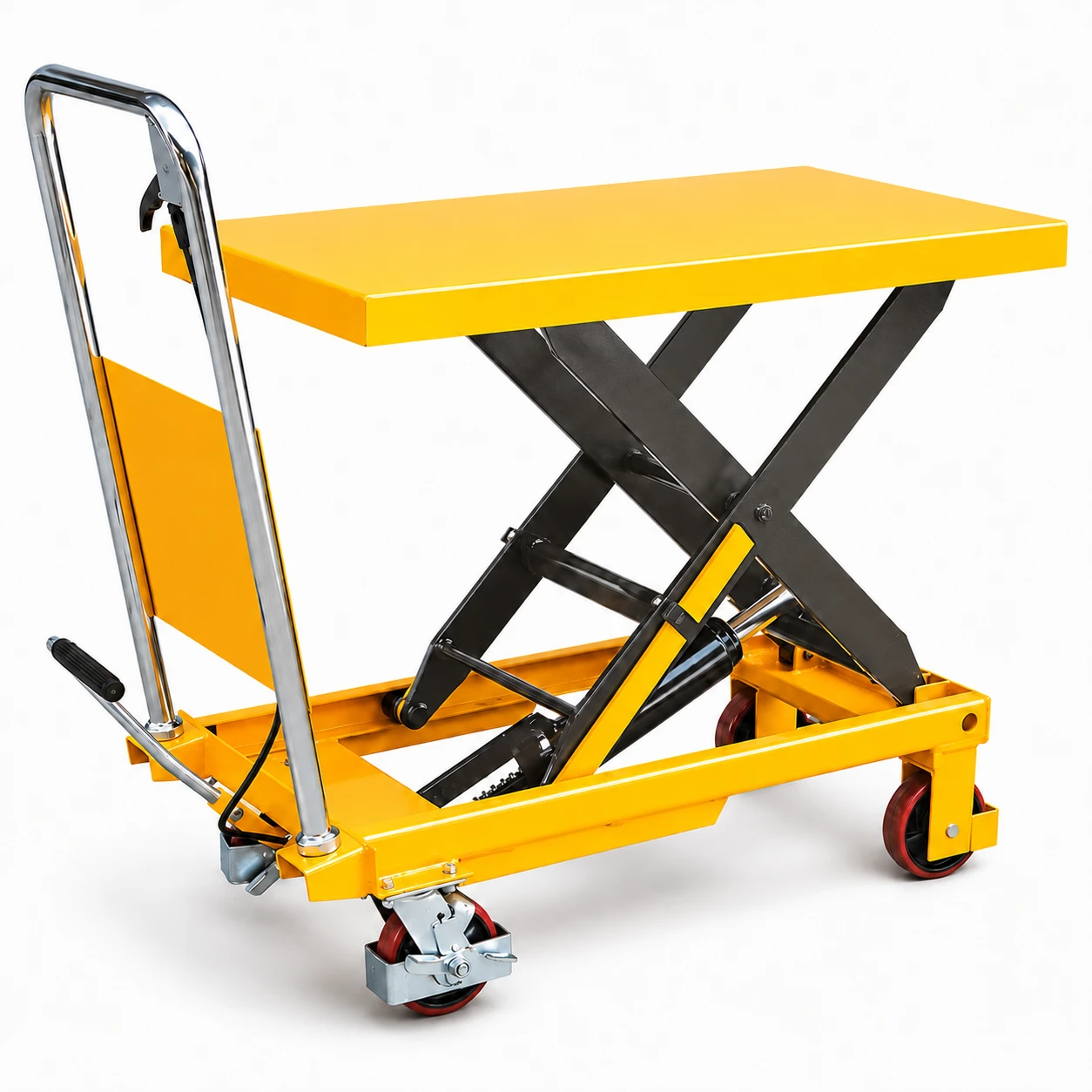
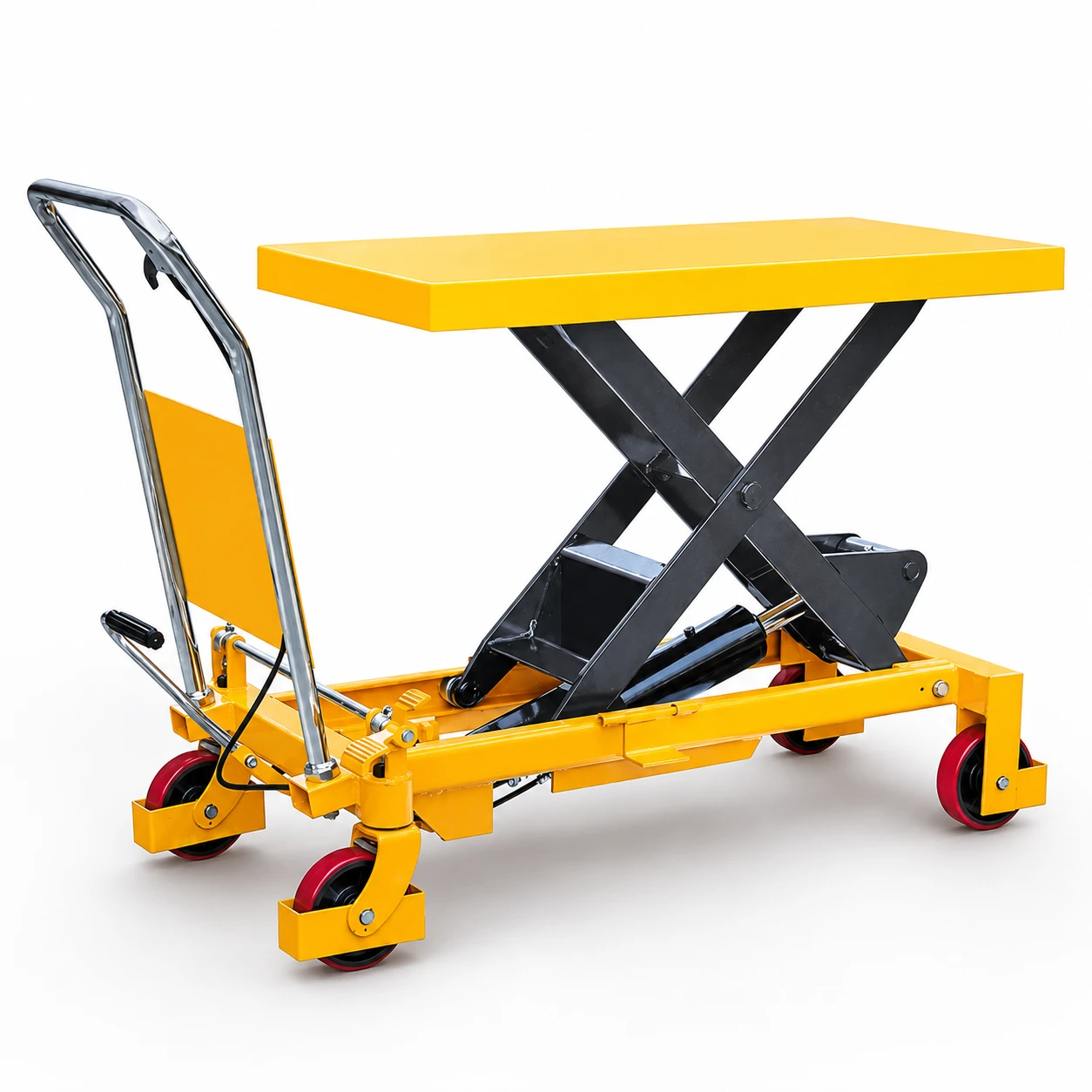
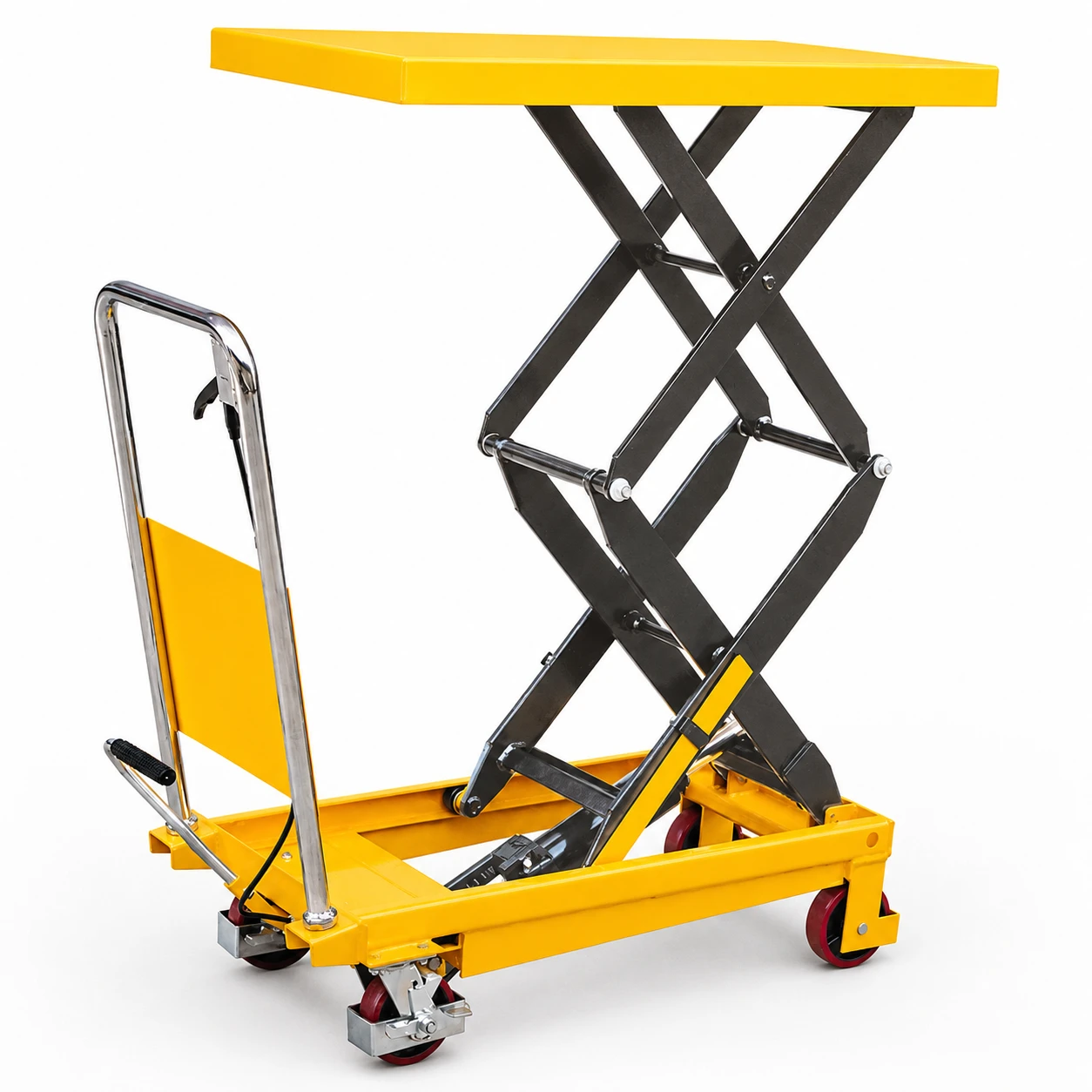
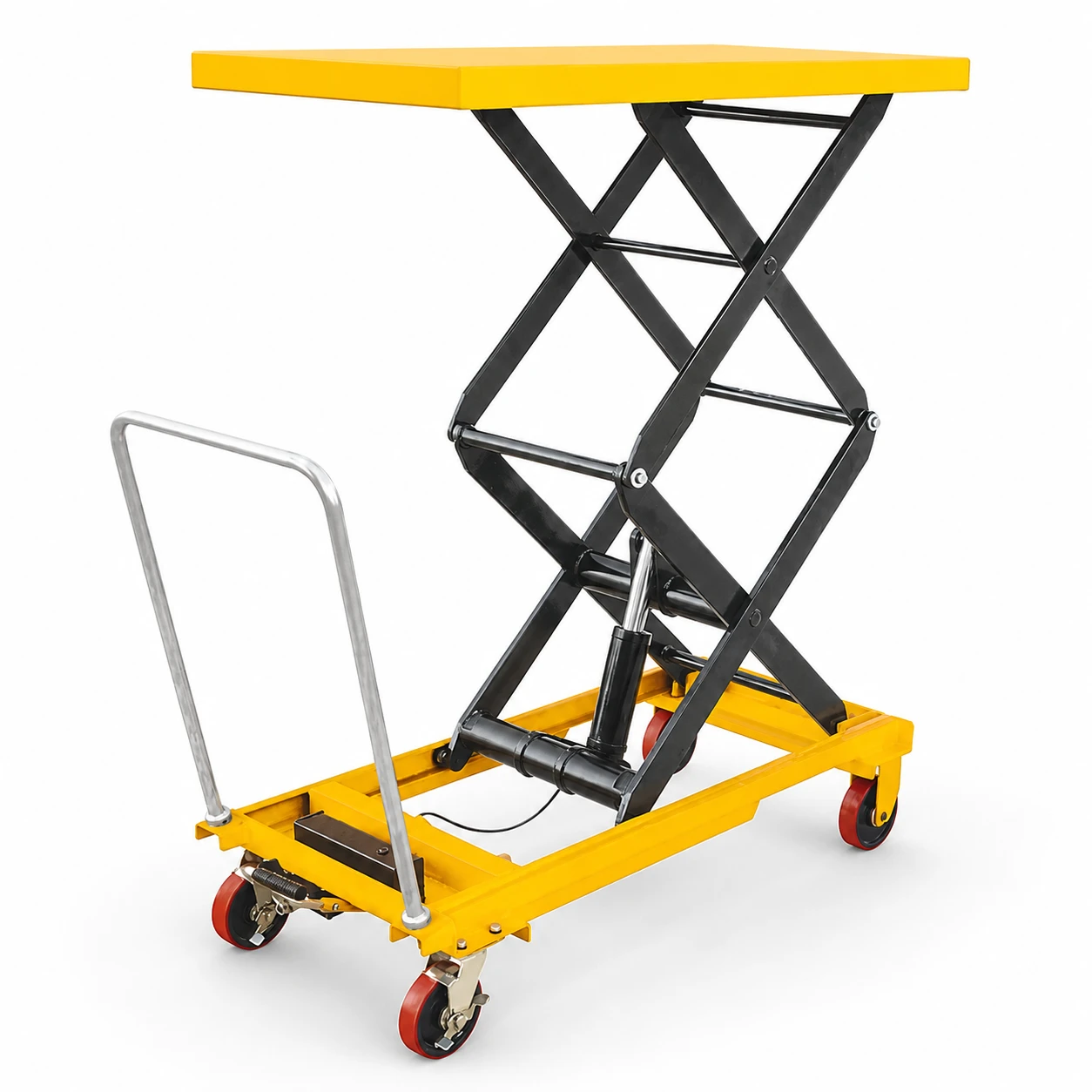
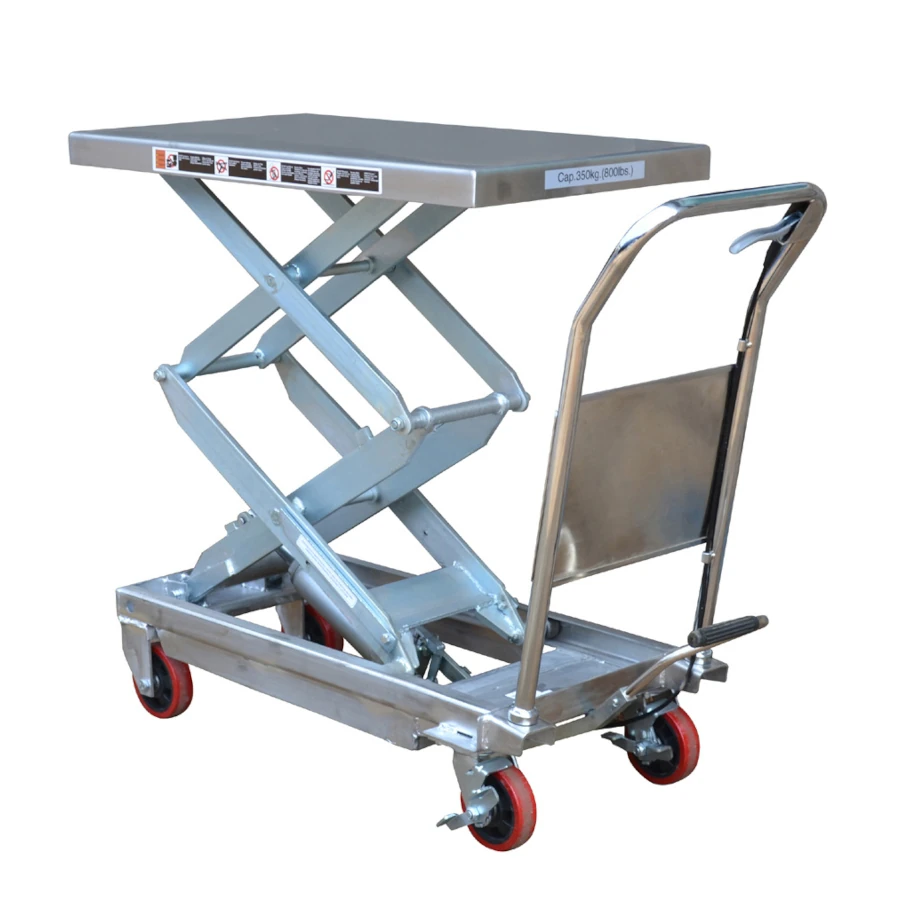
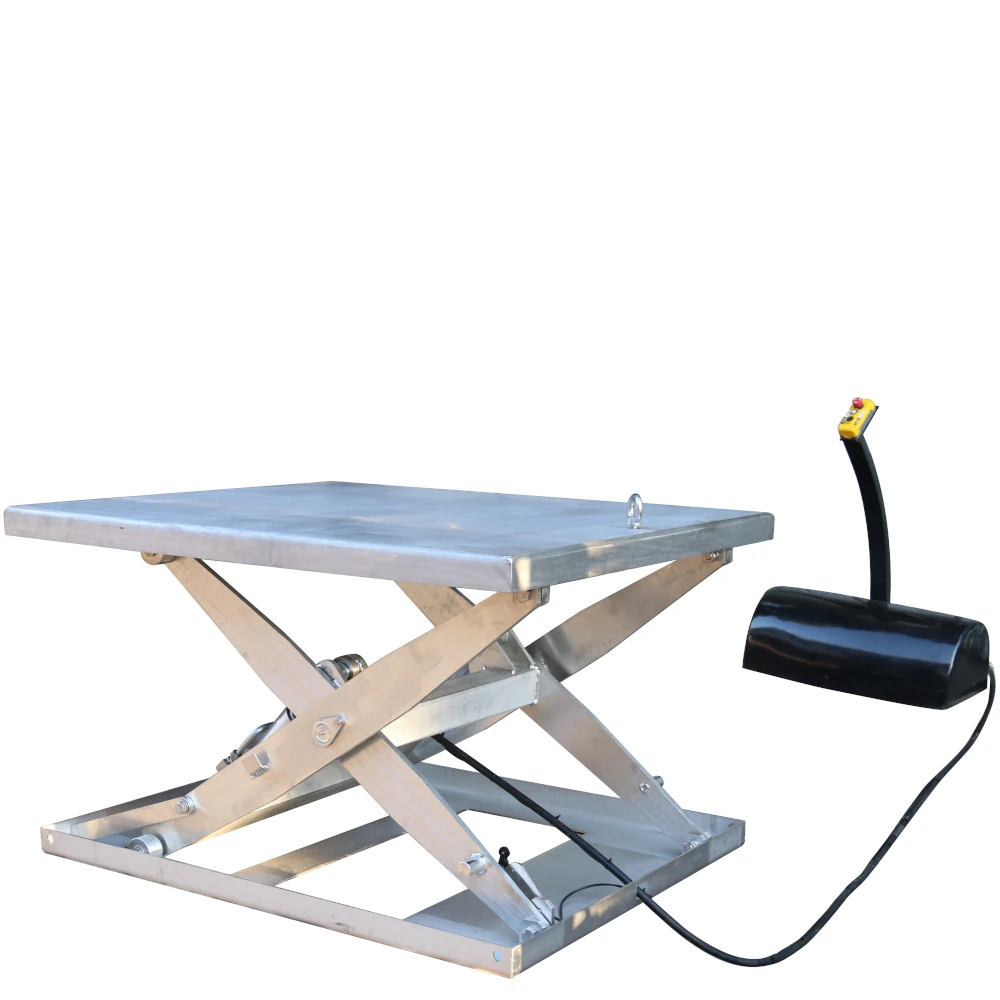
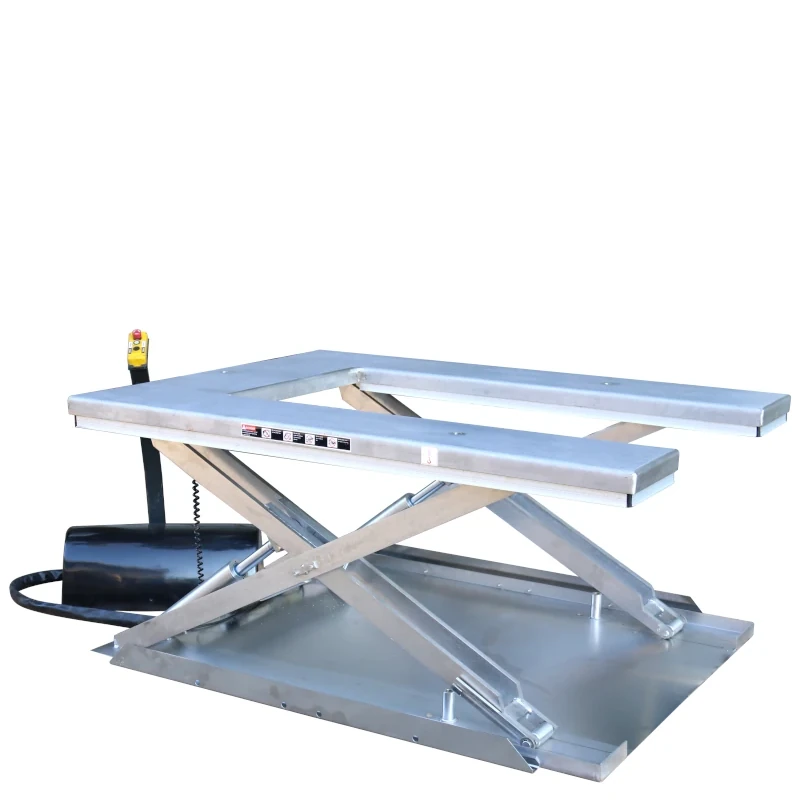
Applies to stationary and mobile scissor lift tables, stainless lift tables and container loading ramps.
EN 1570-1:2011+A1:2014
Safety requirements for lifting tables — Part 1: Lifting tables serving up to two fixed landings
Specifies the safety requirements applicable to lifting tables serving up to two fixed landings — including scissor lift tables with manual, electro-hydraulic or pneumatic drive — covering stability, protection against crushing and shearing between scissor members, hydraulic safety devices and verification by calculation and testing.
EN 1398:2009
Dock levellers — Safety requirements
Specifies the safety requirements for dock levellers and loading ramps used to bridge the gap and the difference in height between a loading bay and a vehicle, covering design loads, slope limits, safety devices and verification.
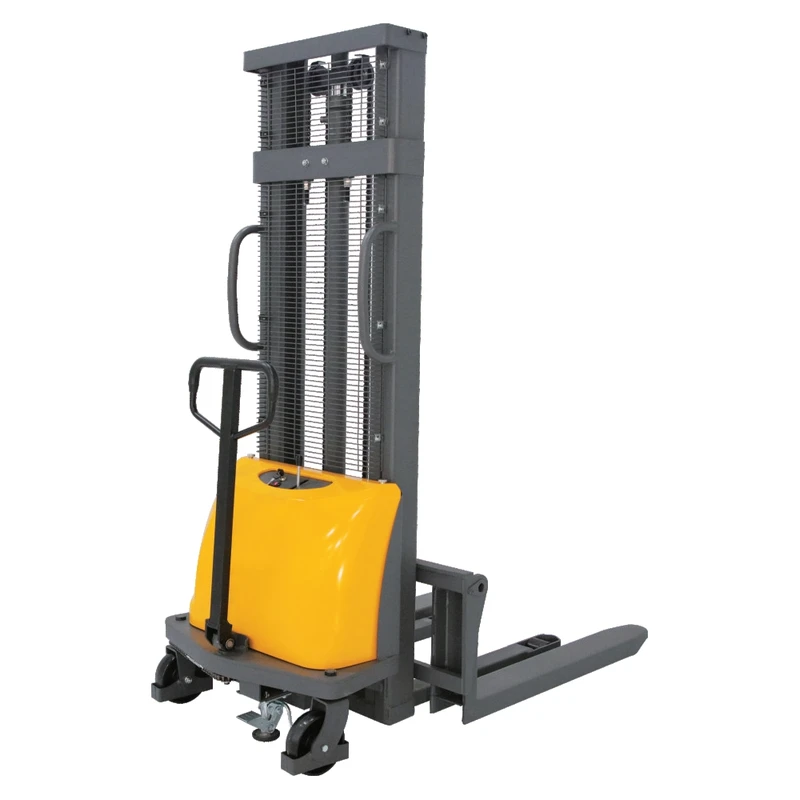
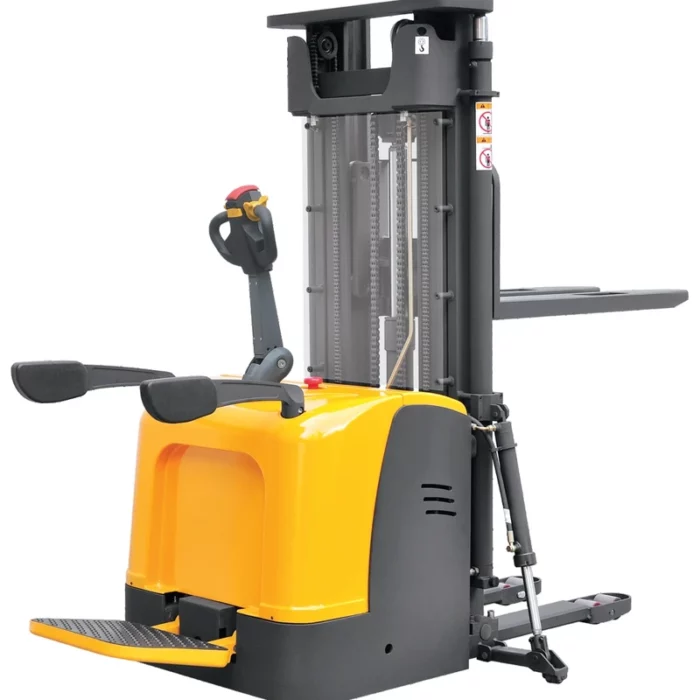
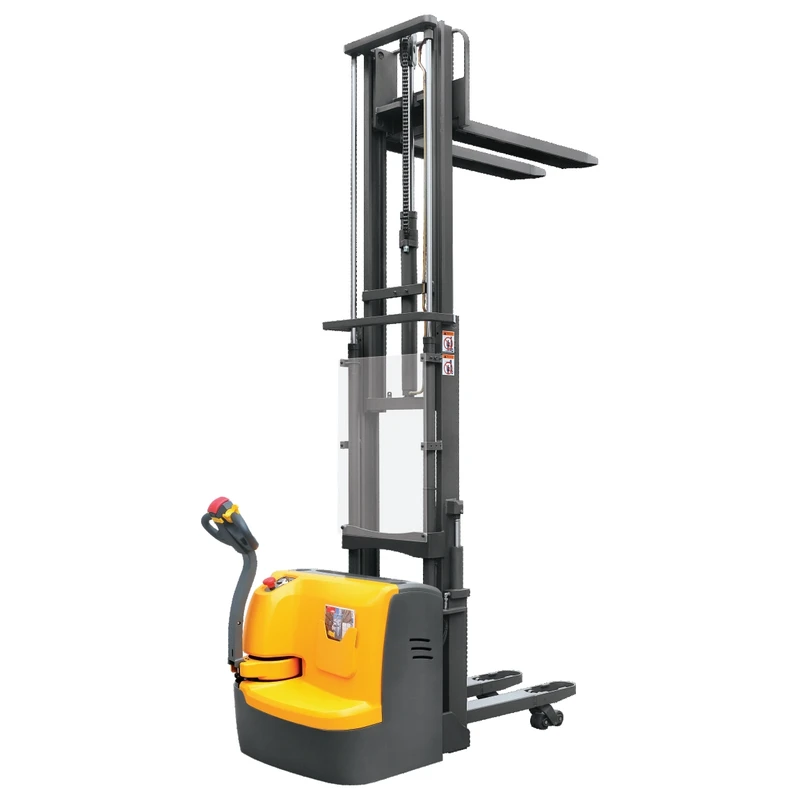
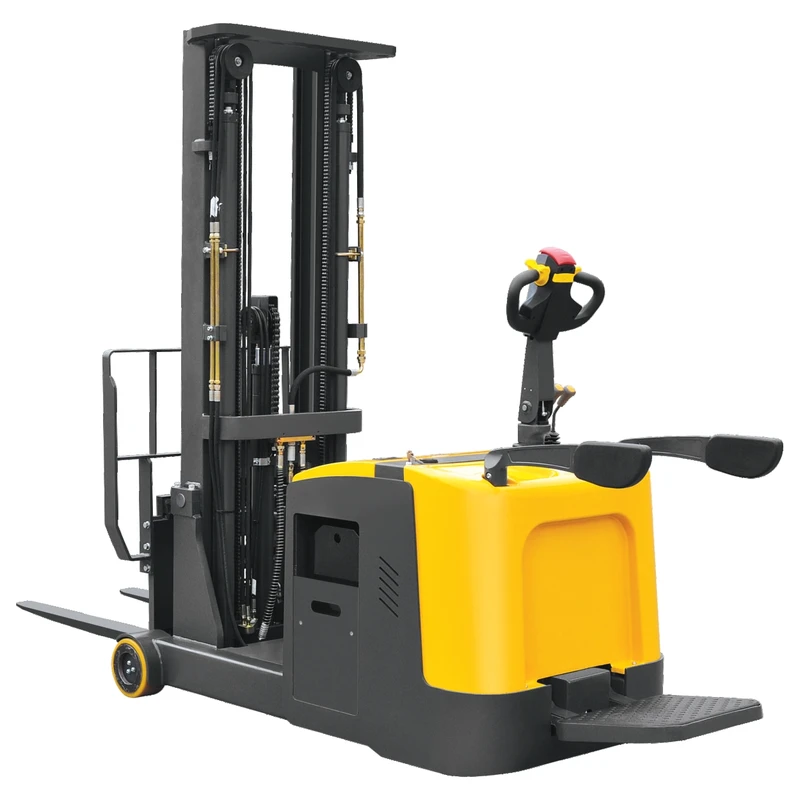
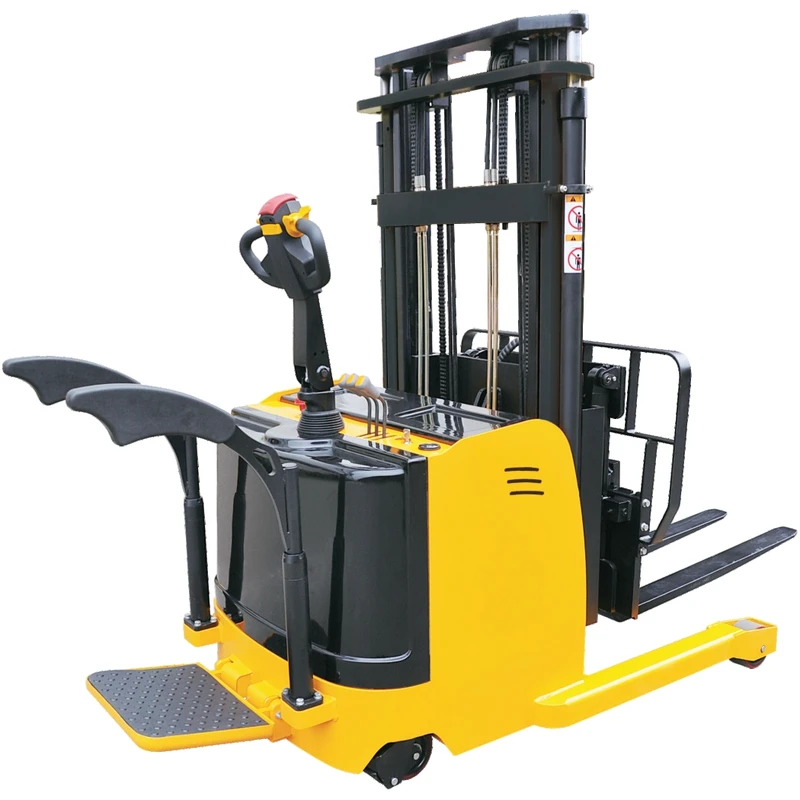
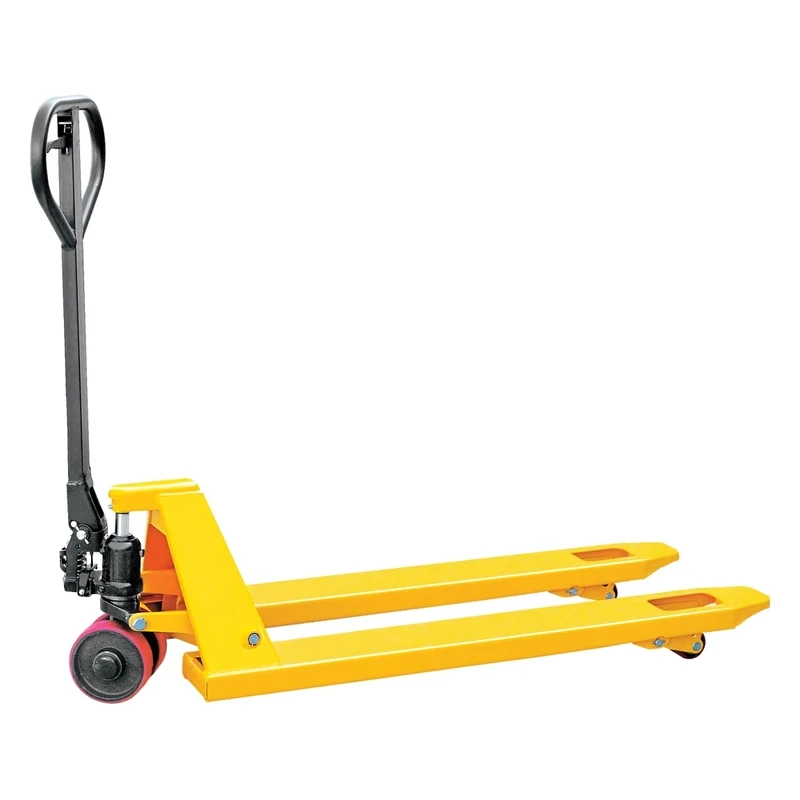
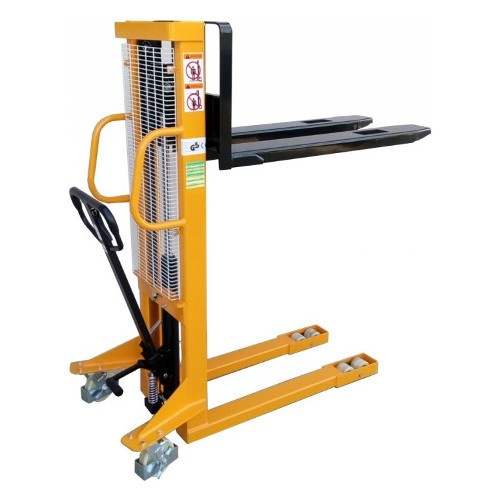
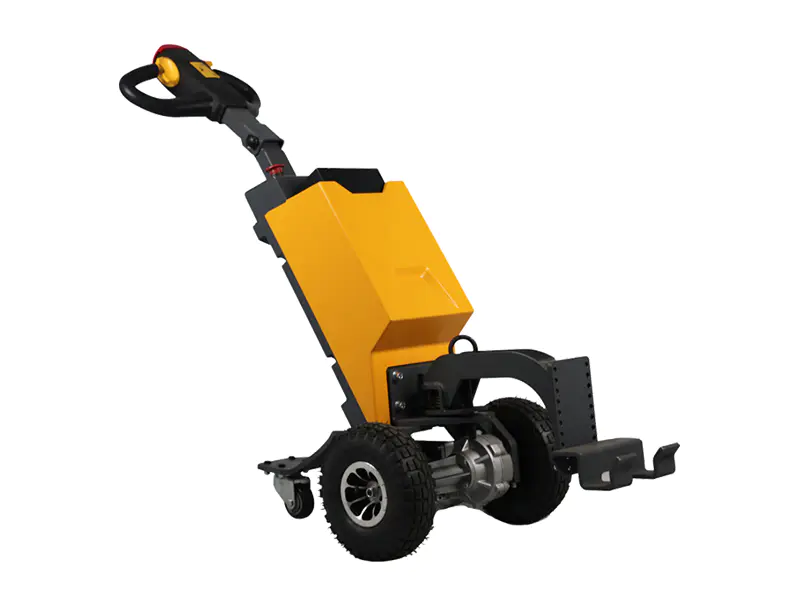
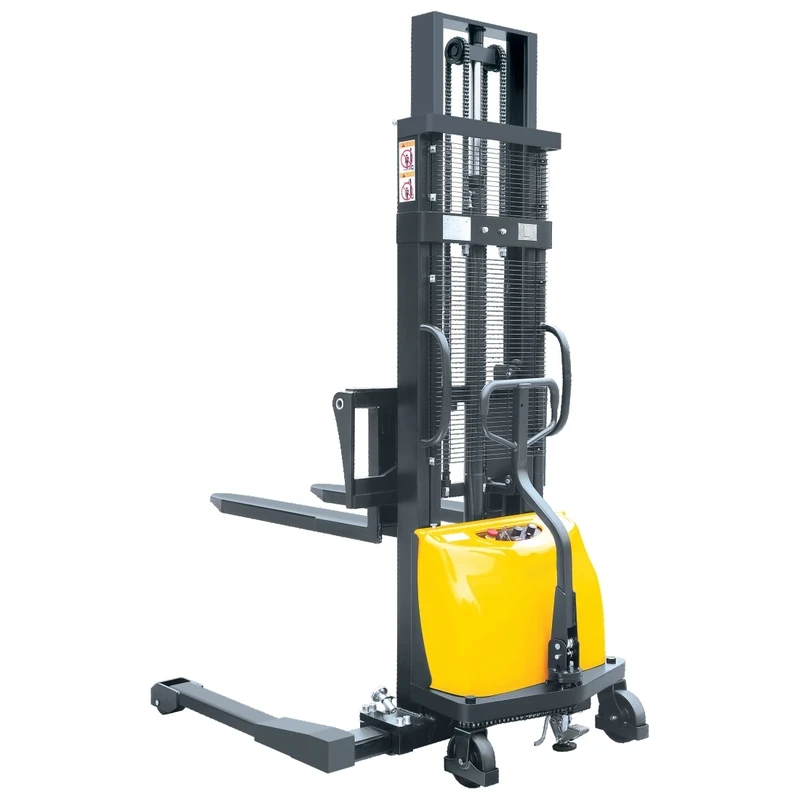
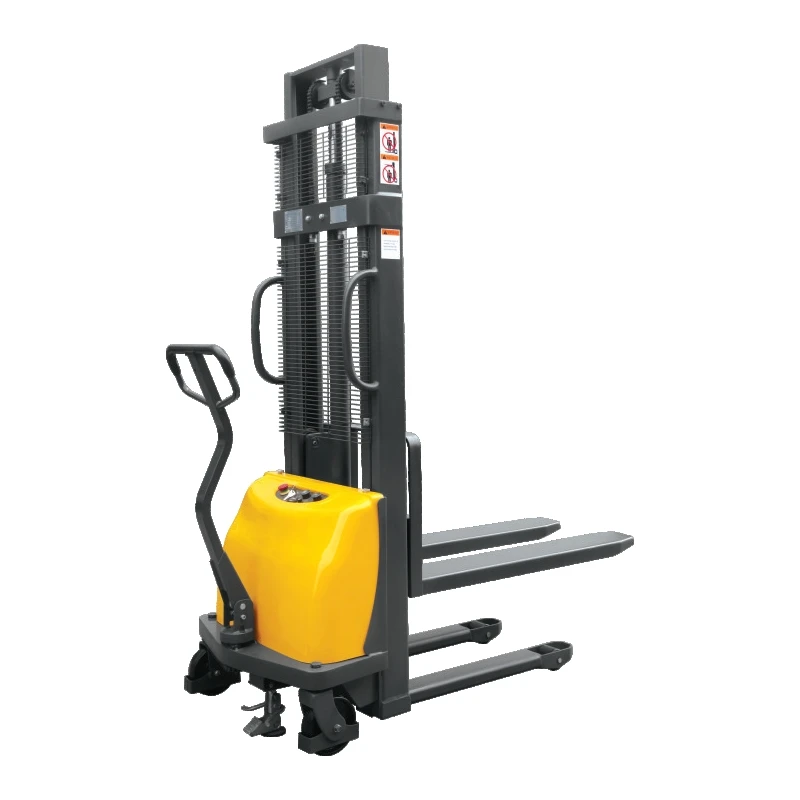
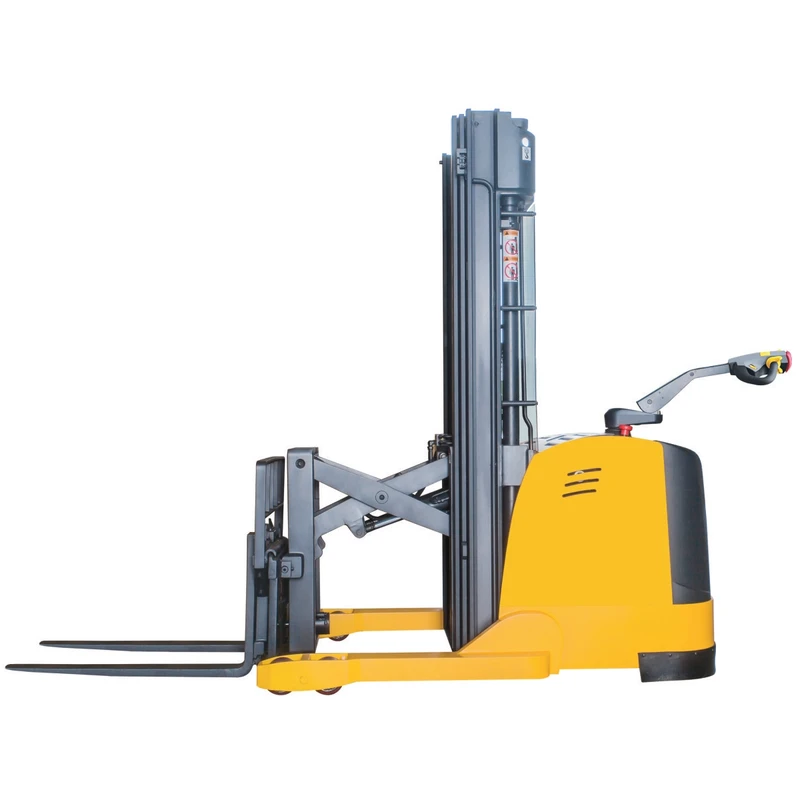
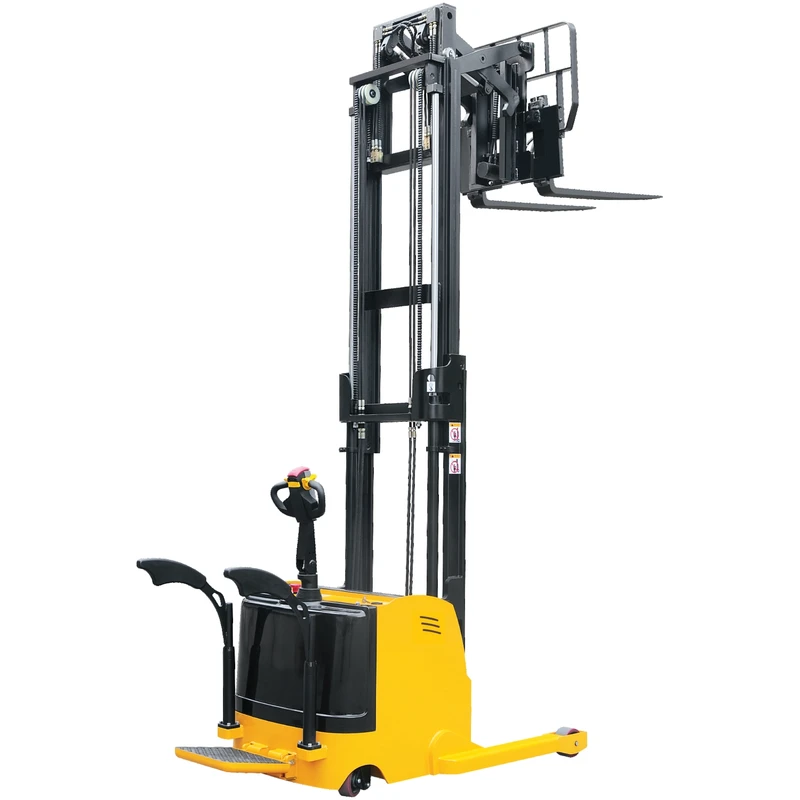
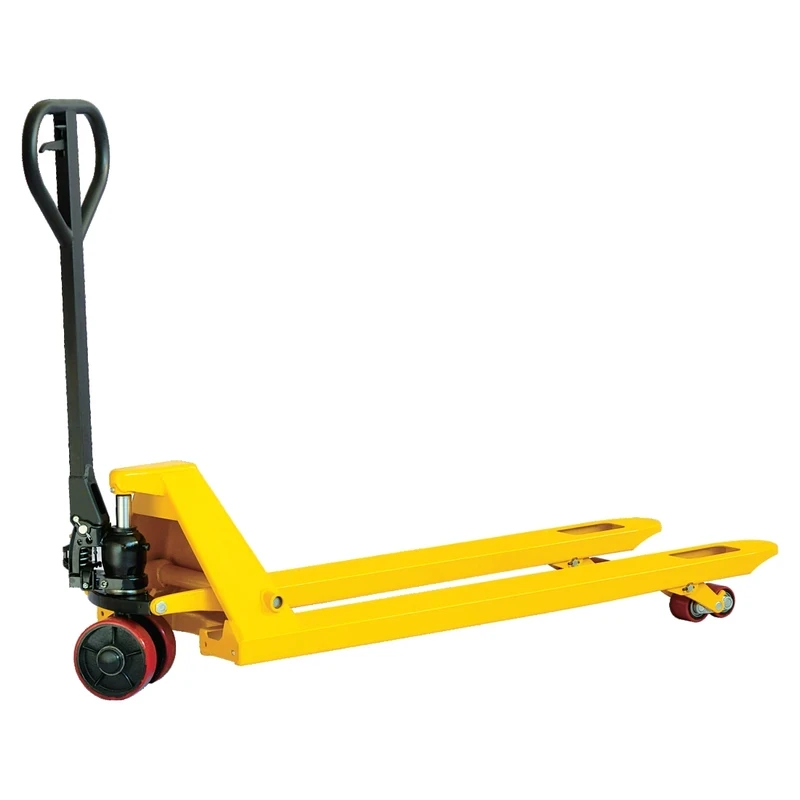
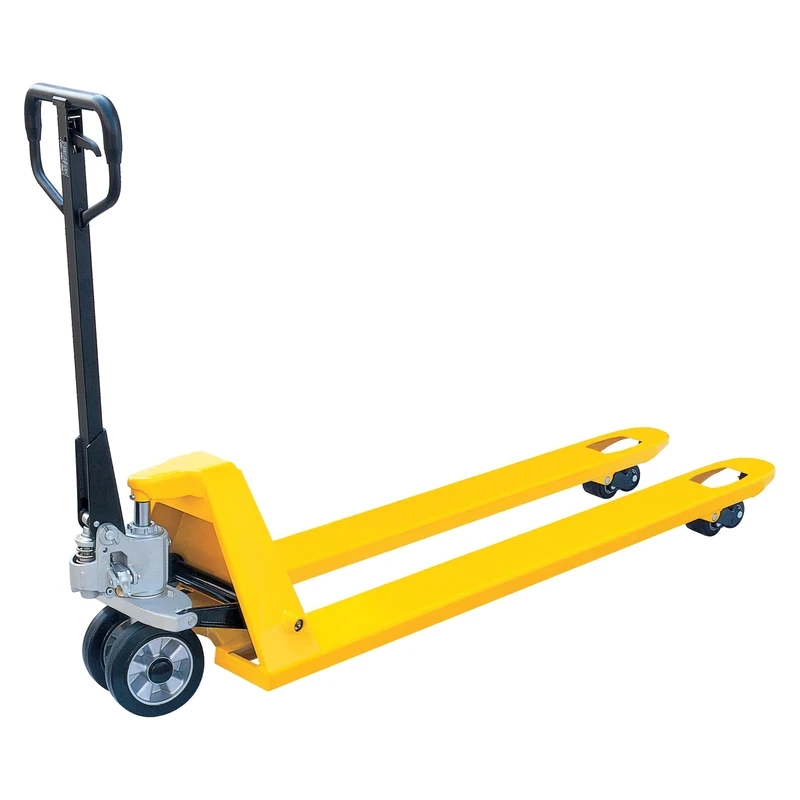
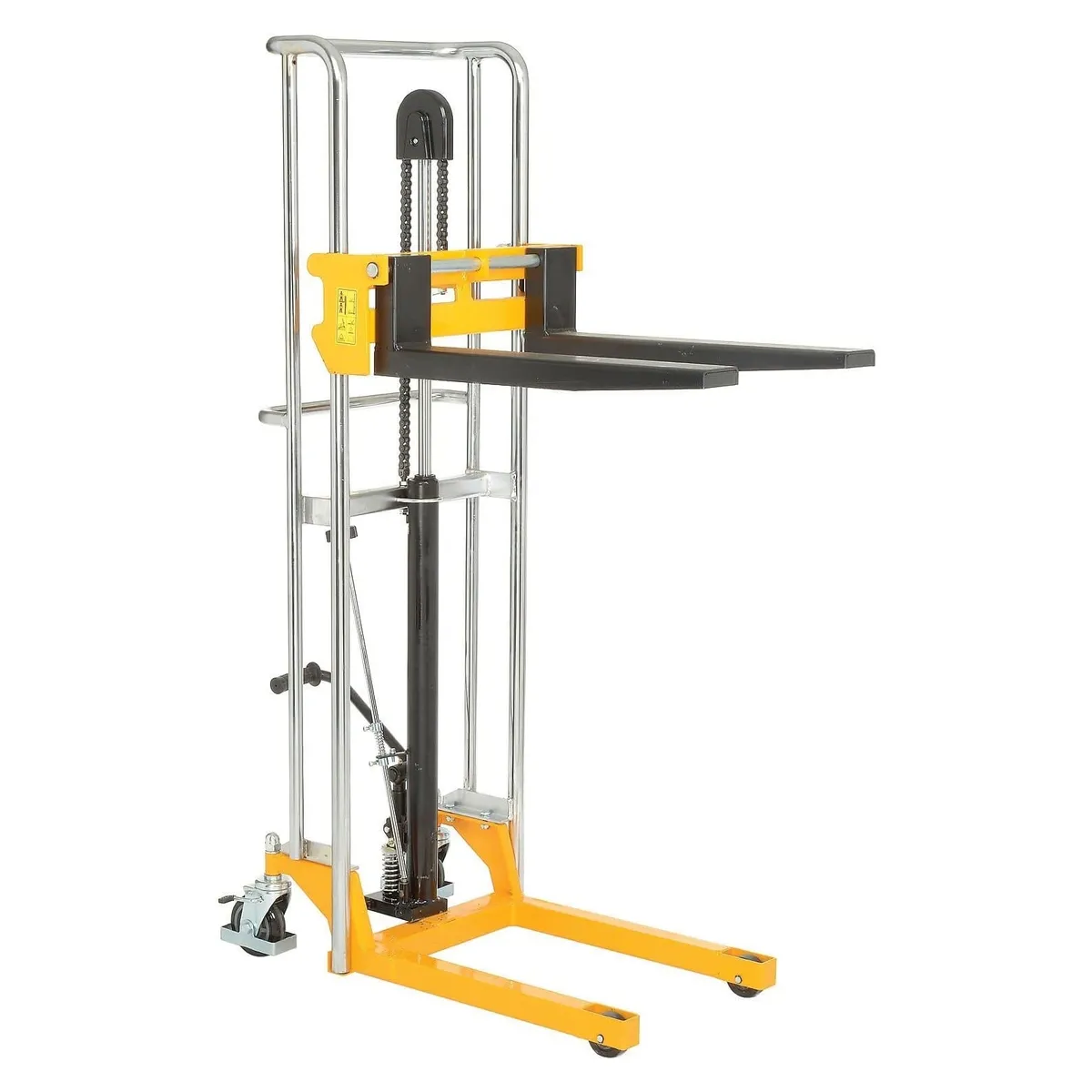
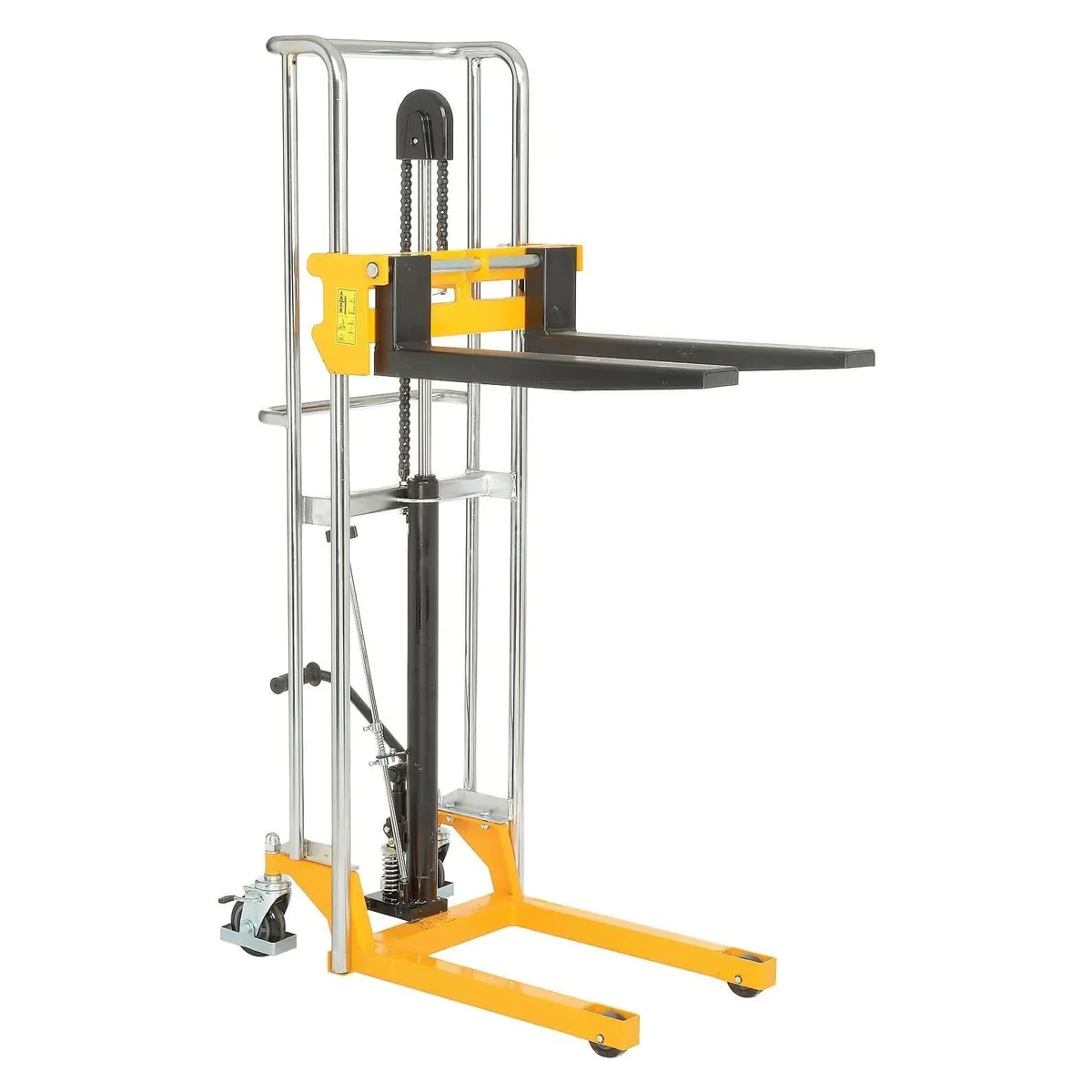
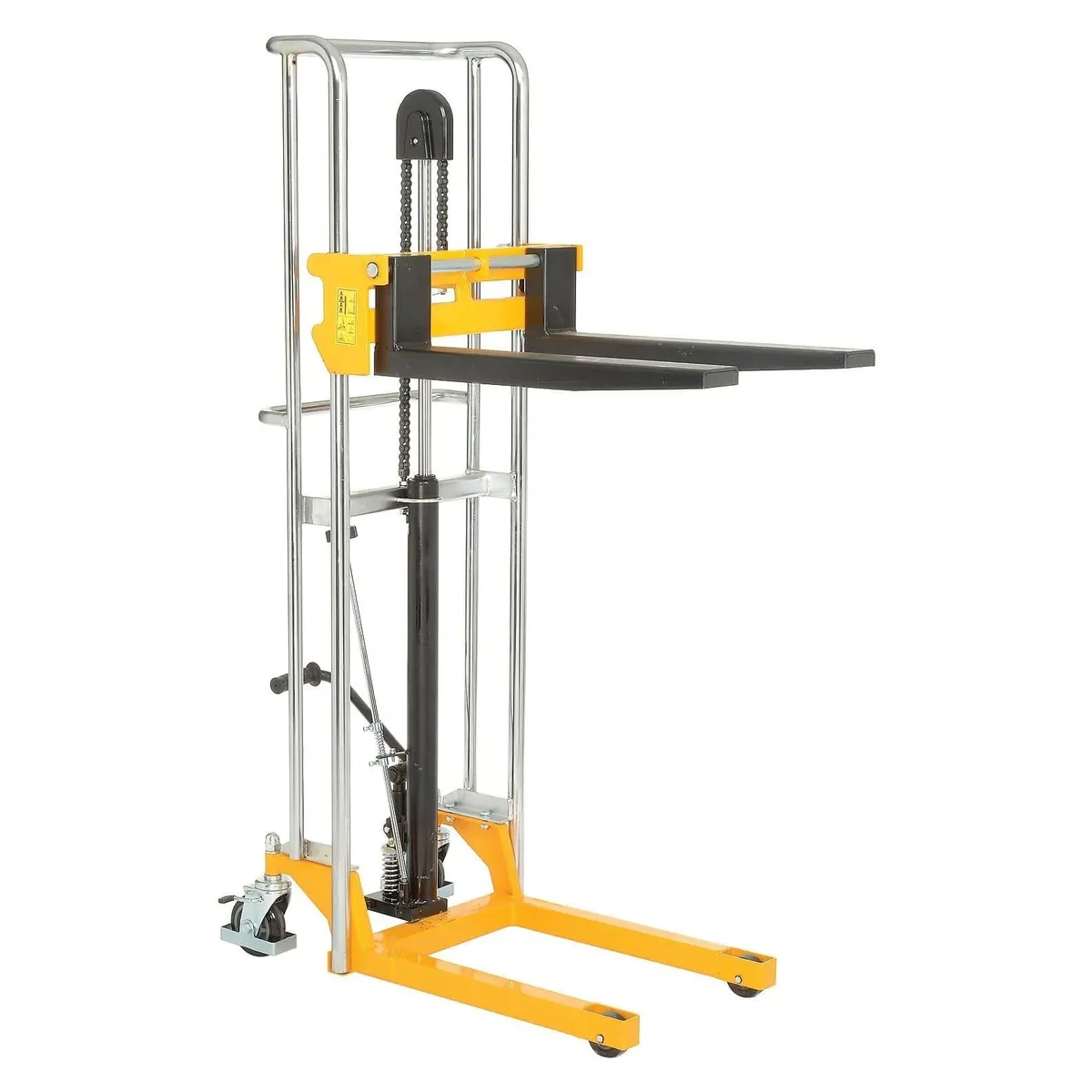
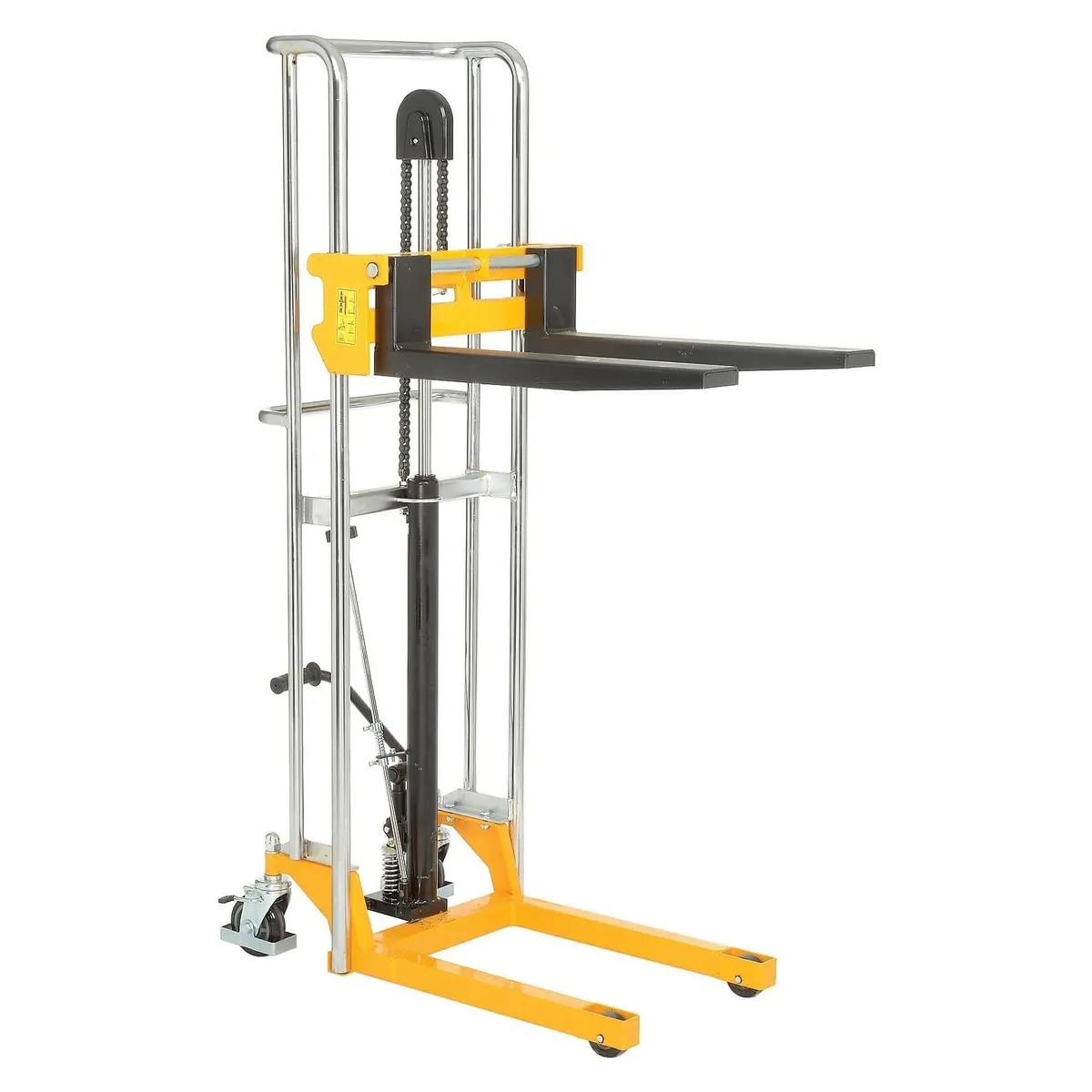
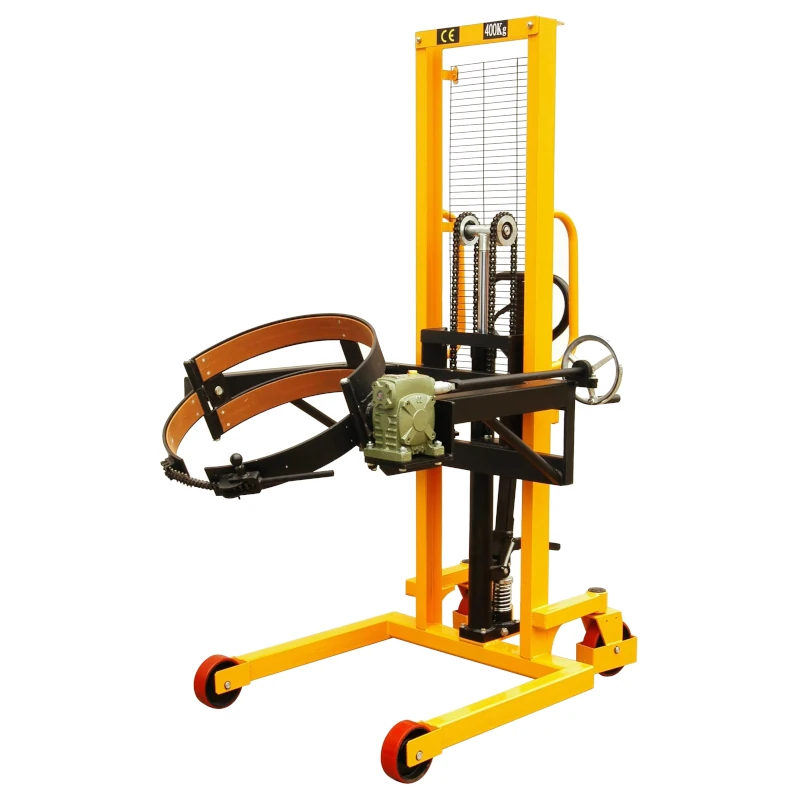
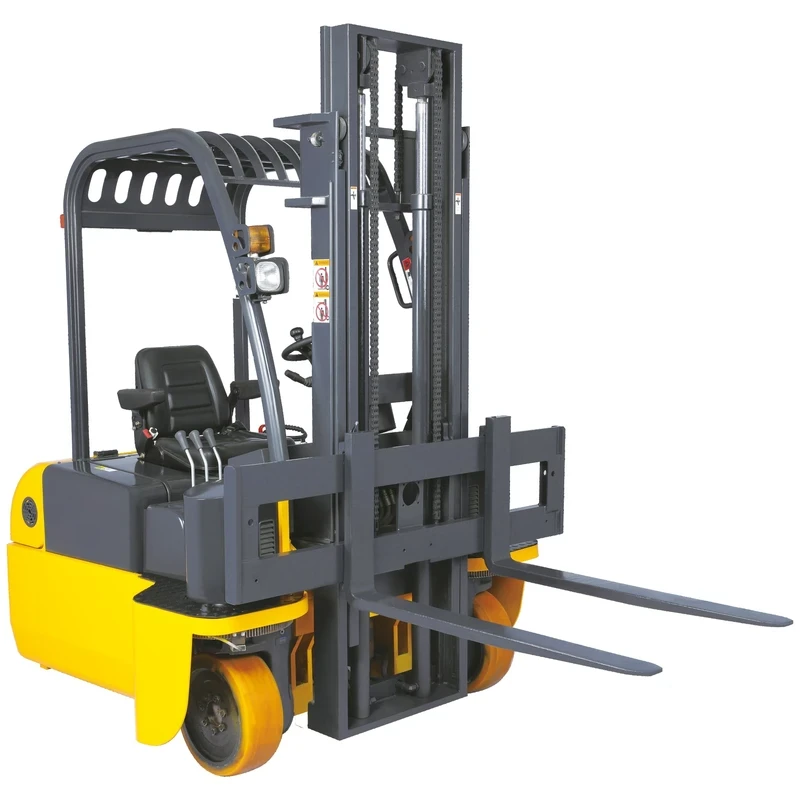
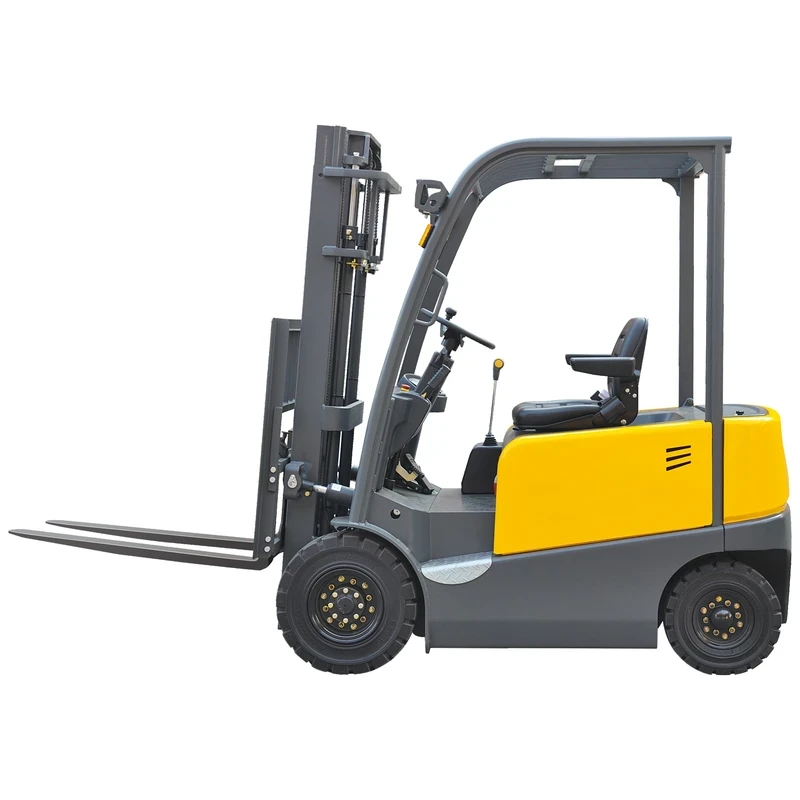
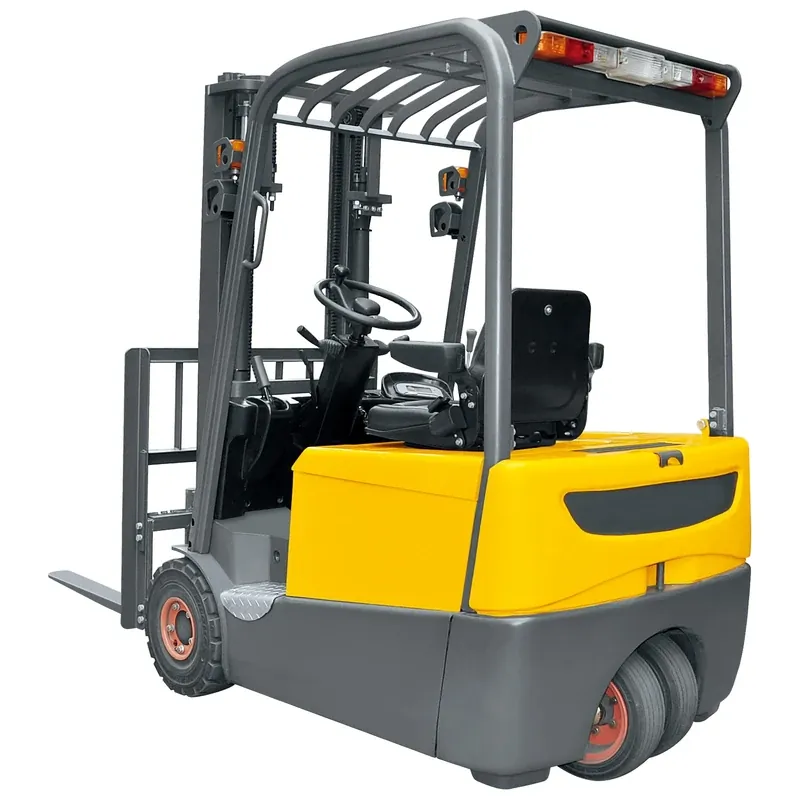
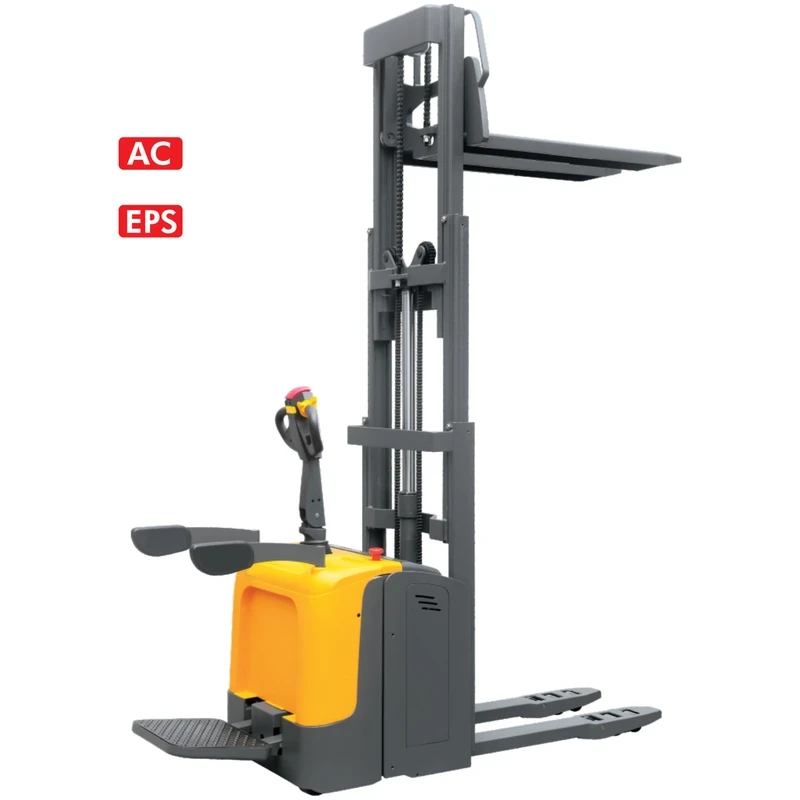
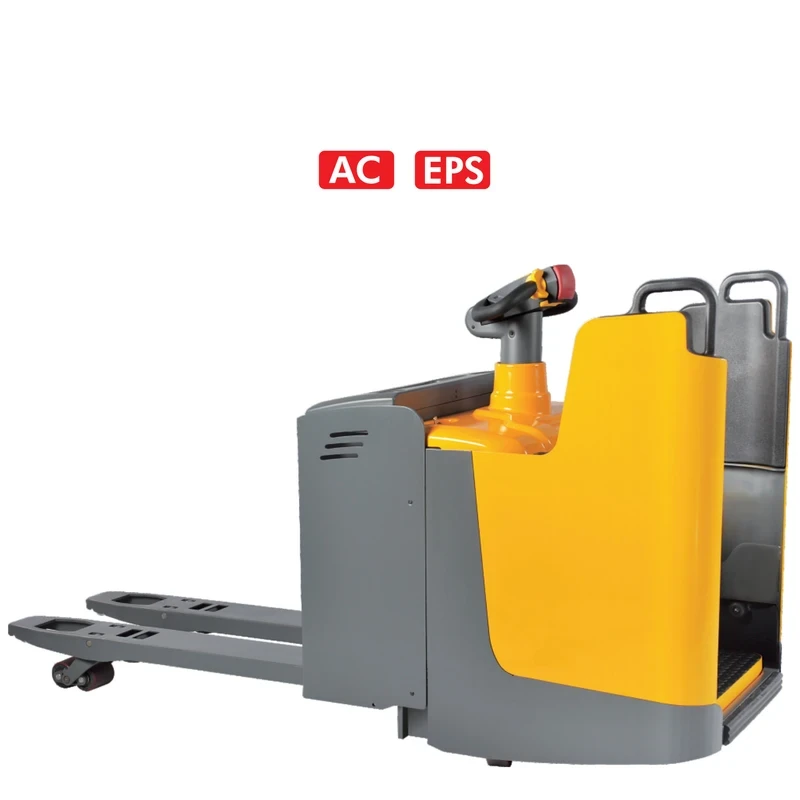
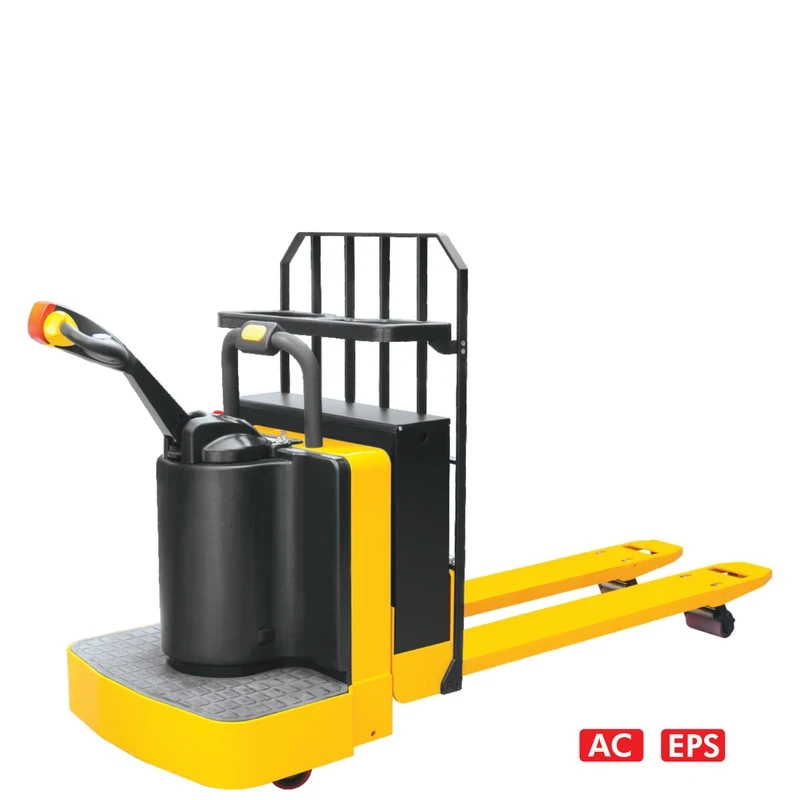
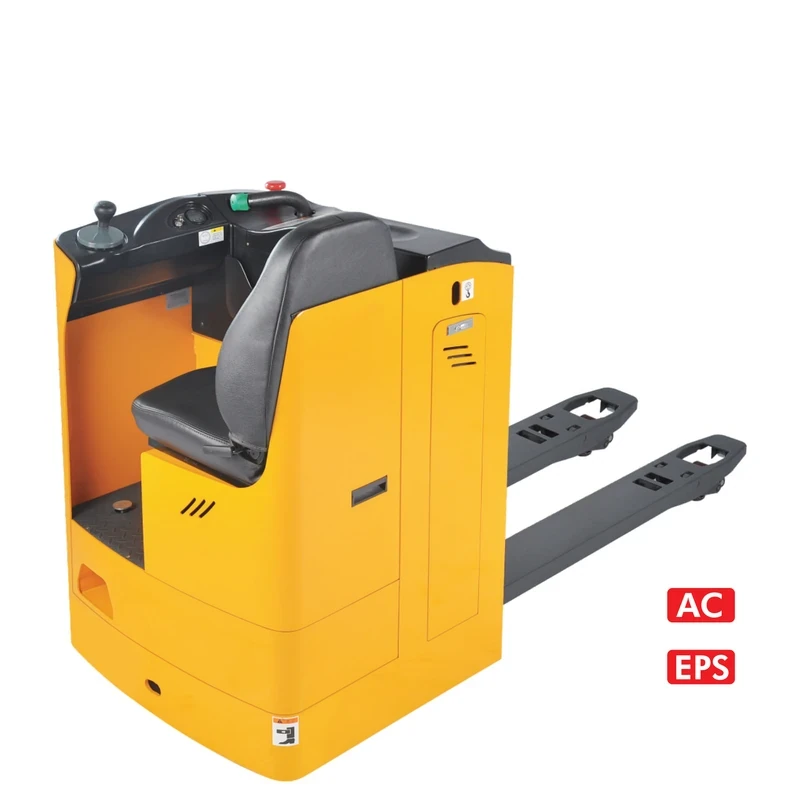
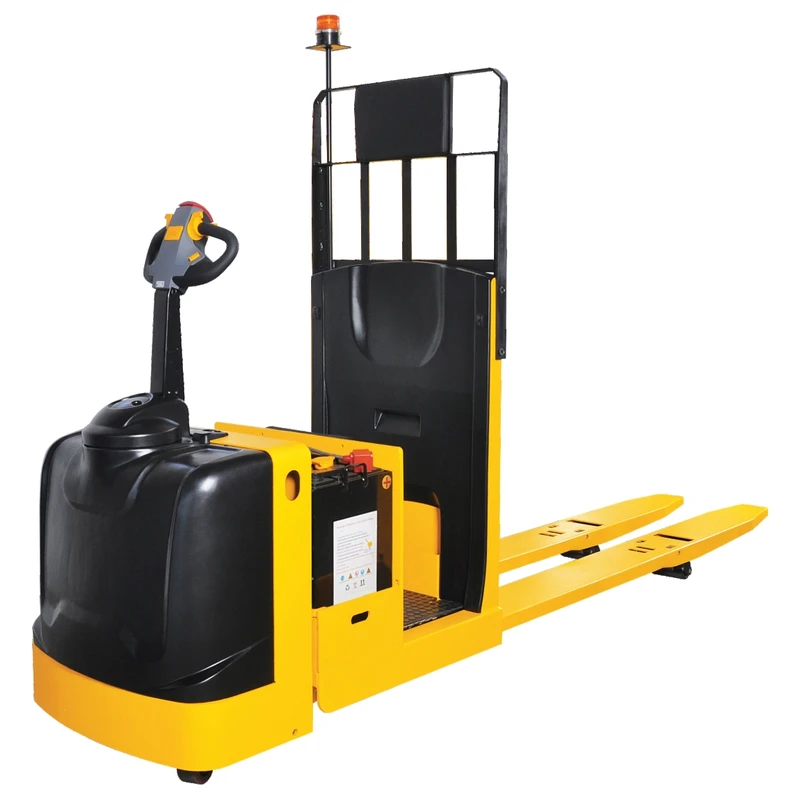
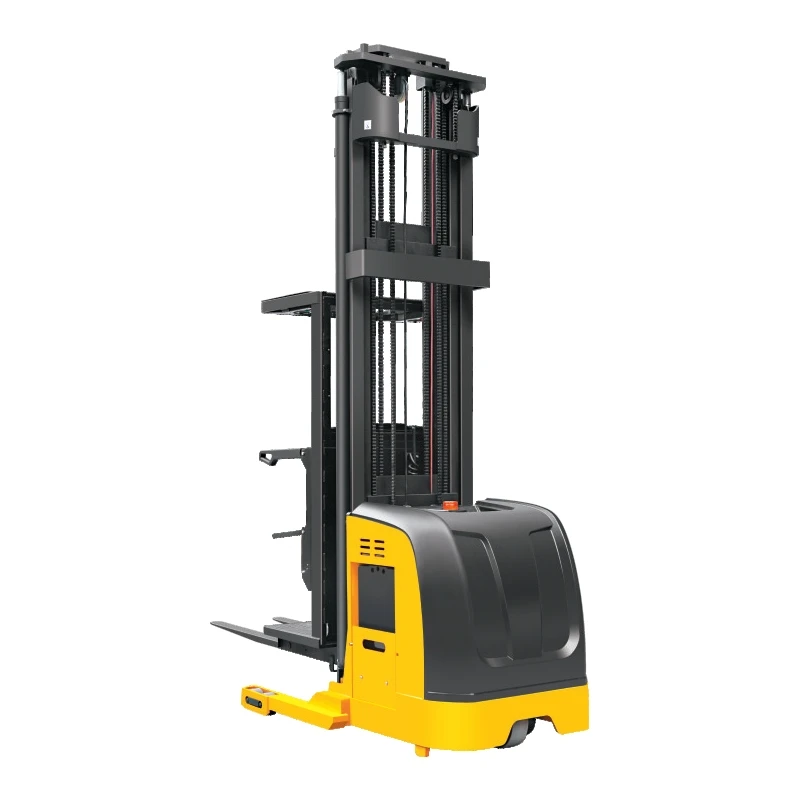
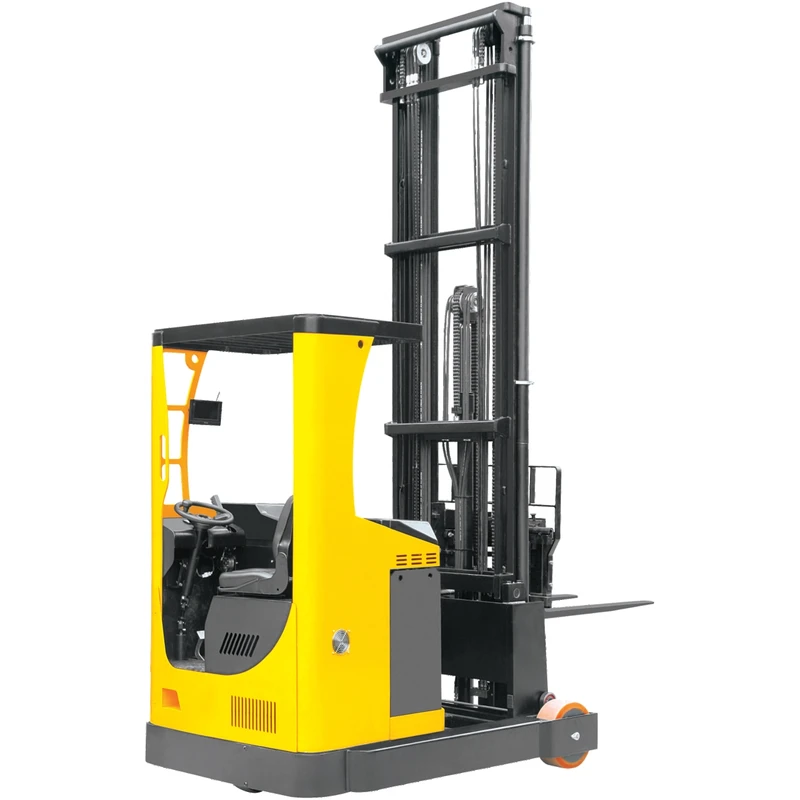
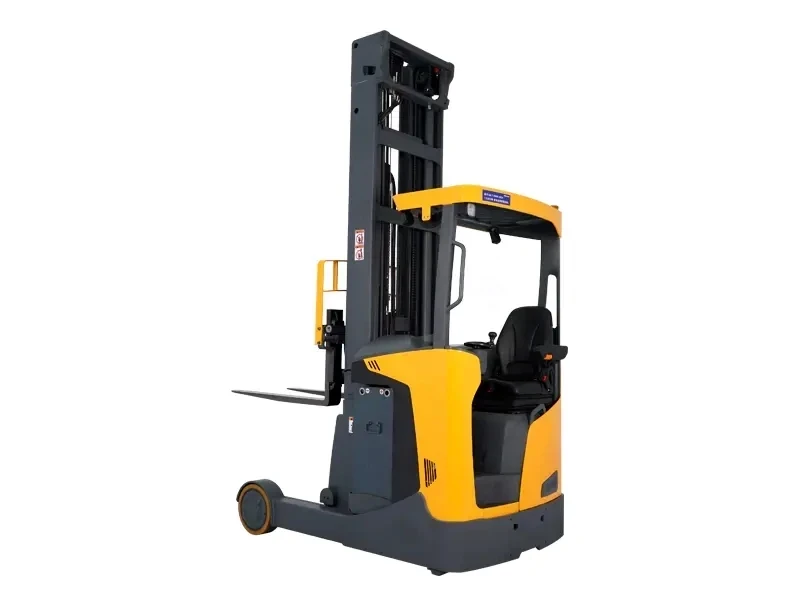
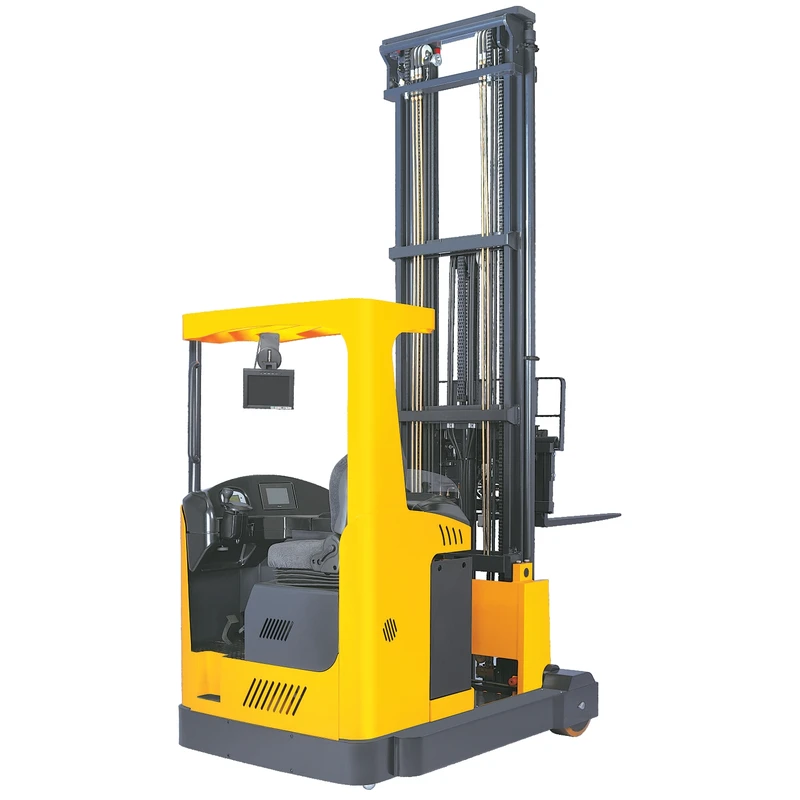
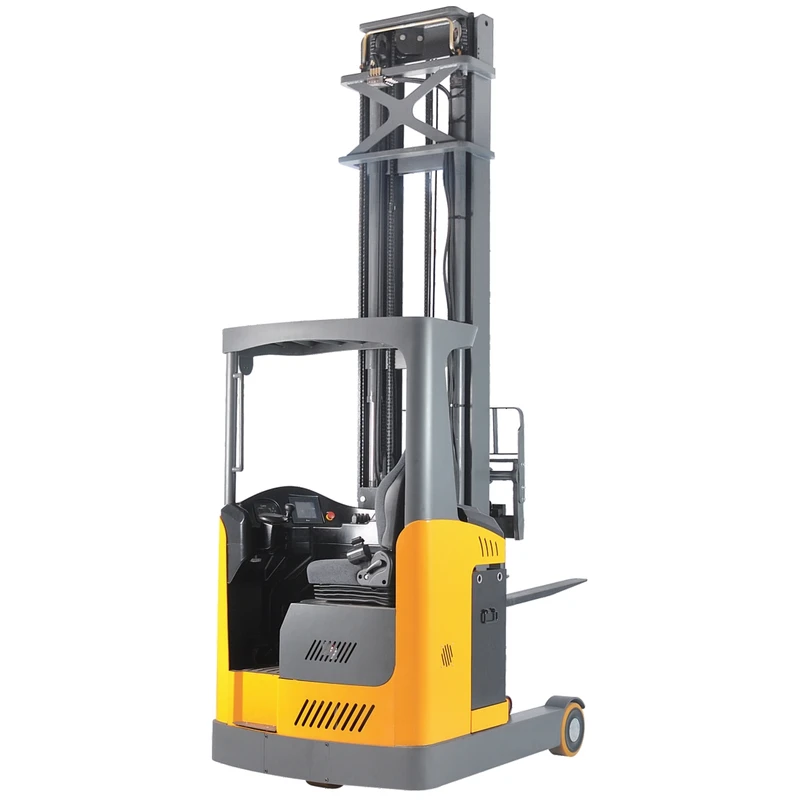
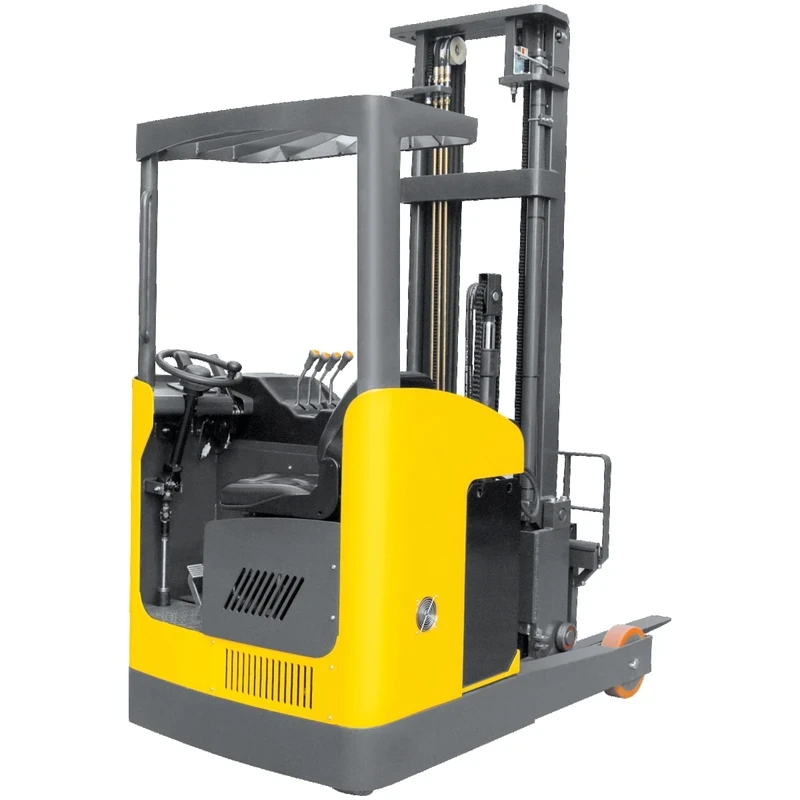
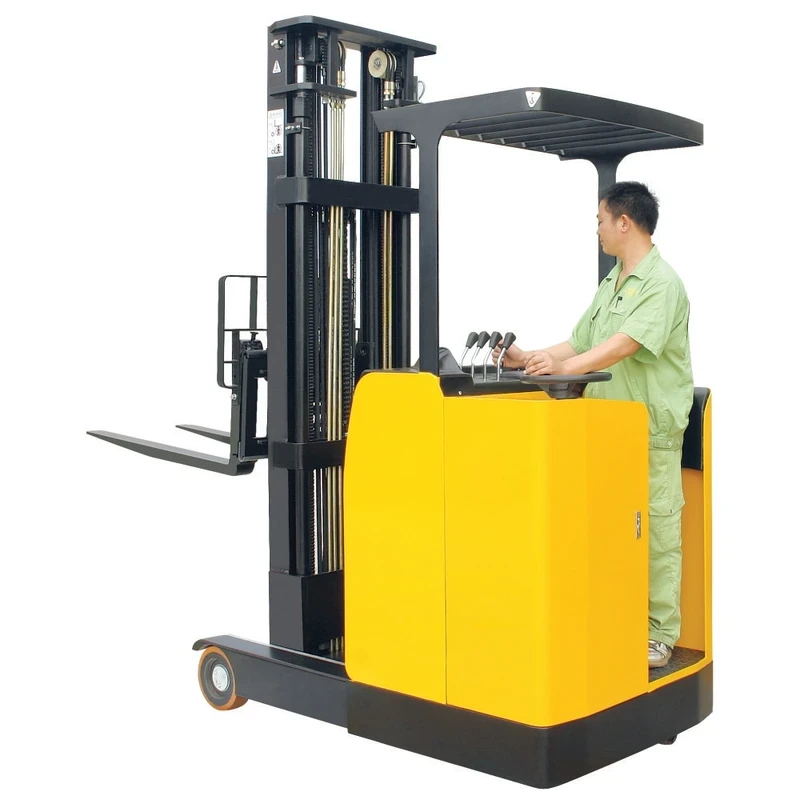
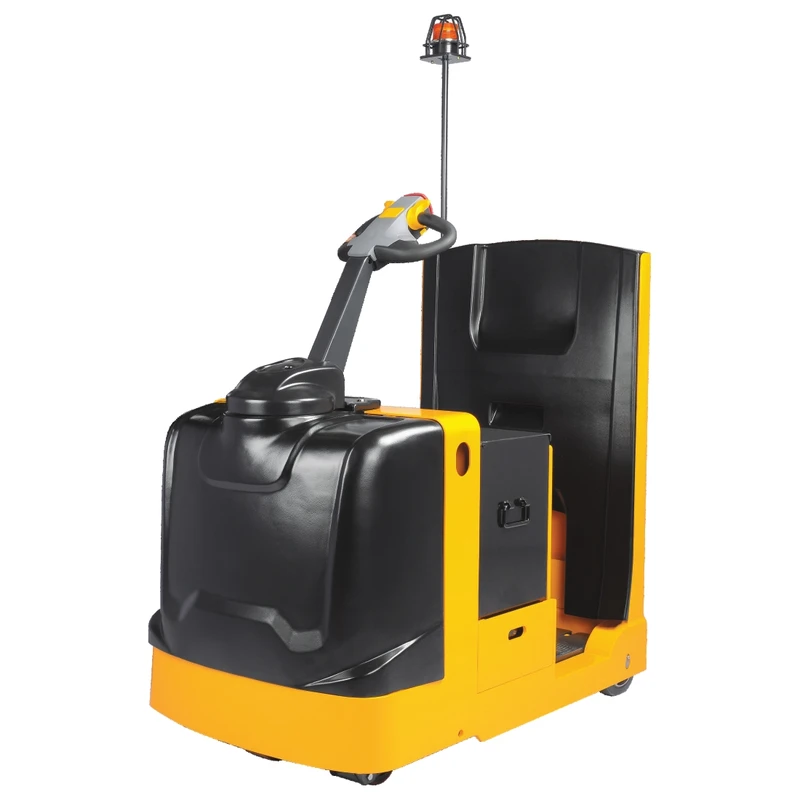
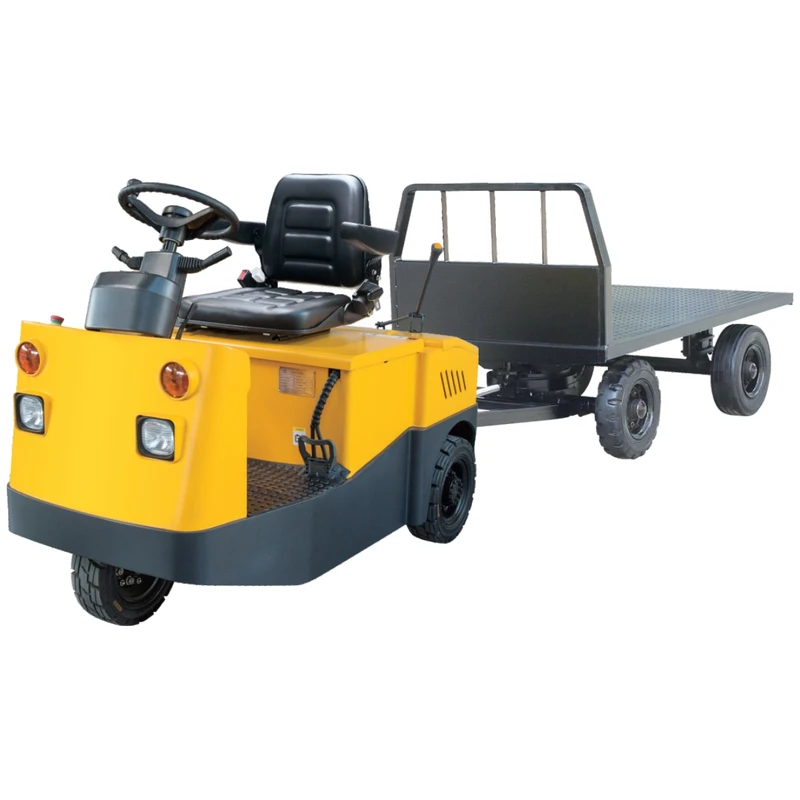
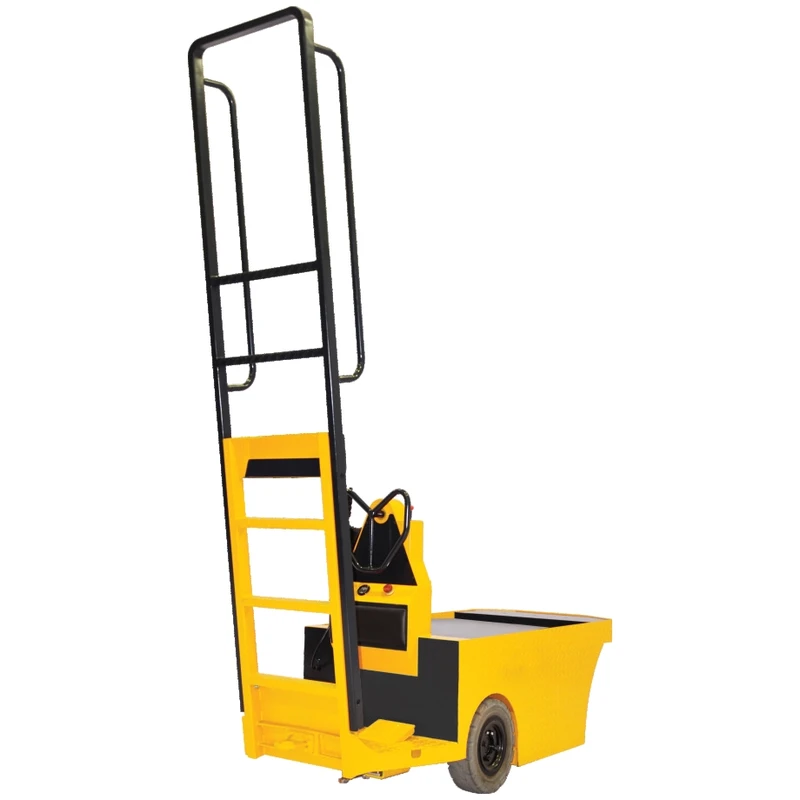
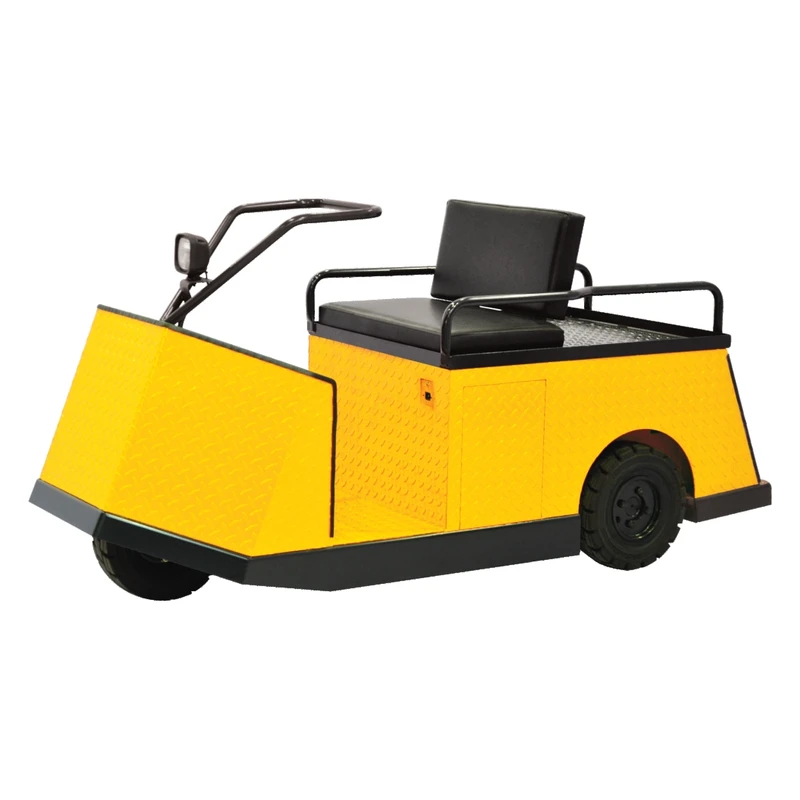
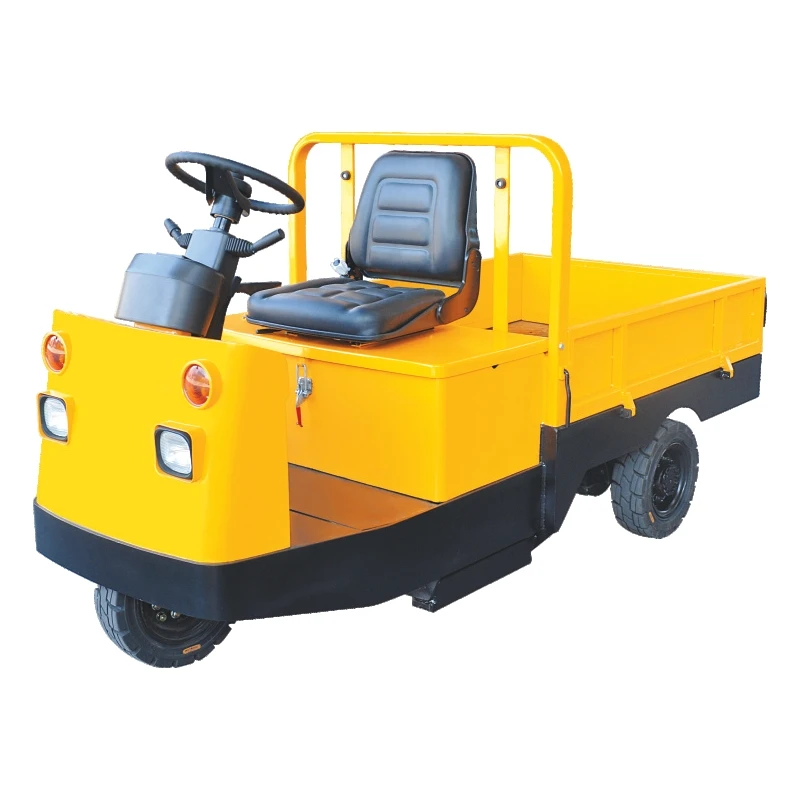
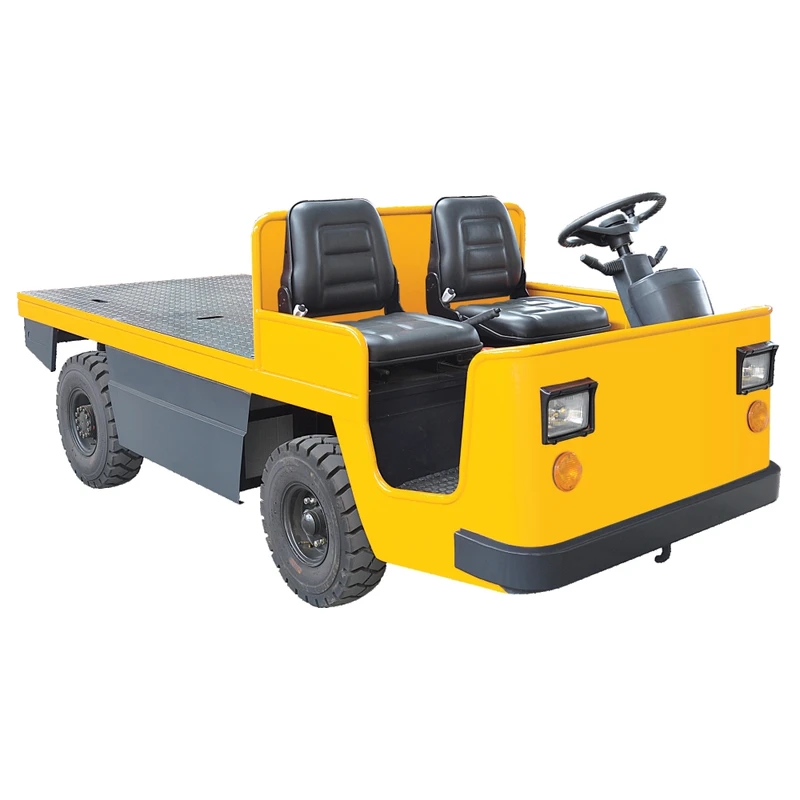
Forklifts, stackers, pallet trucks and tow tractors
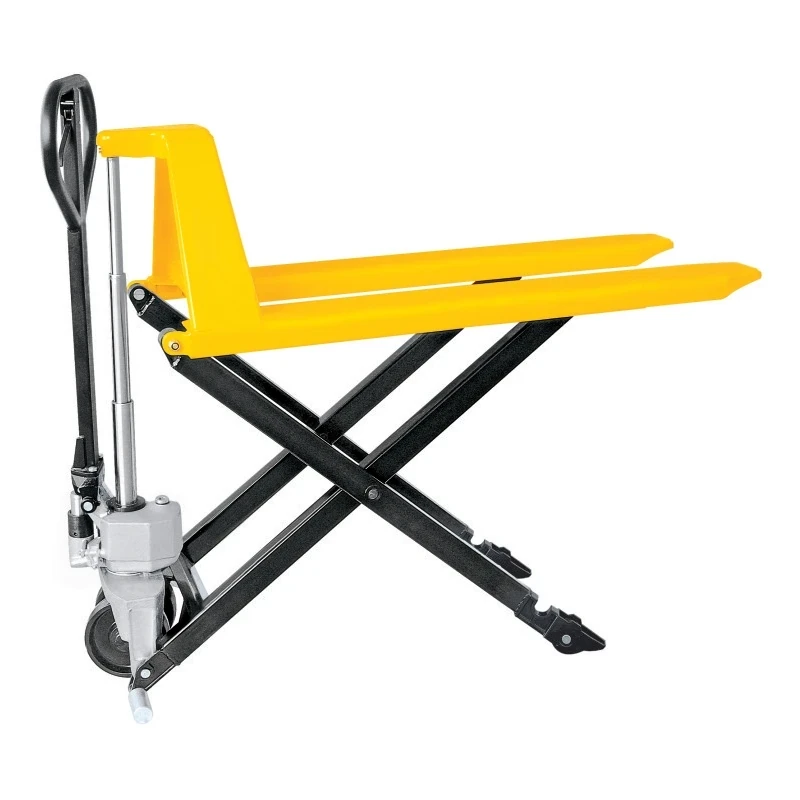
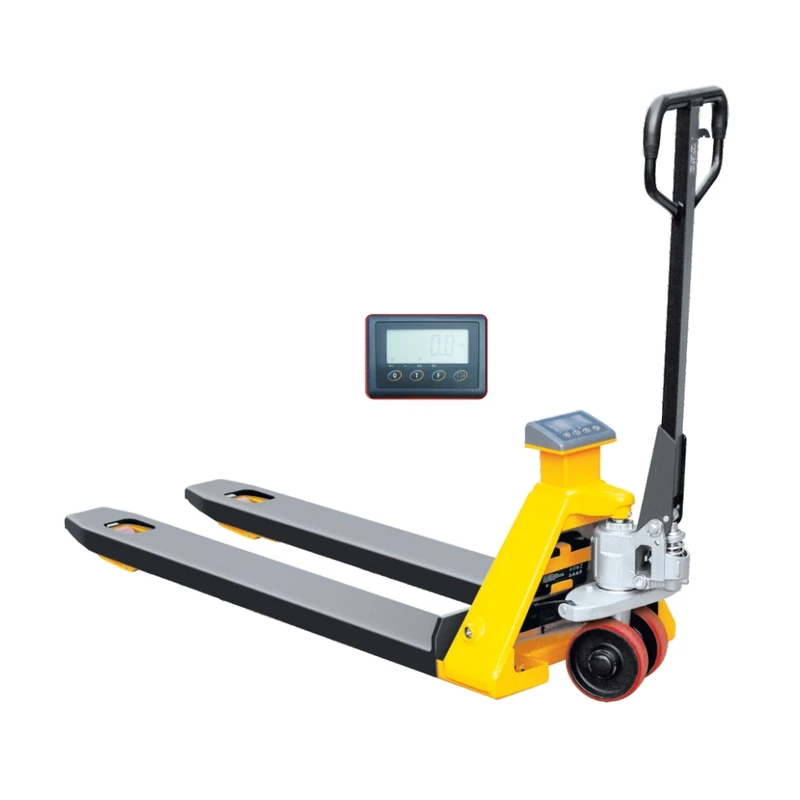
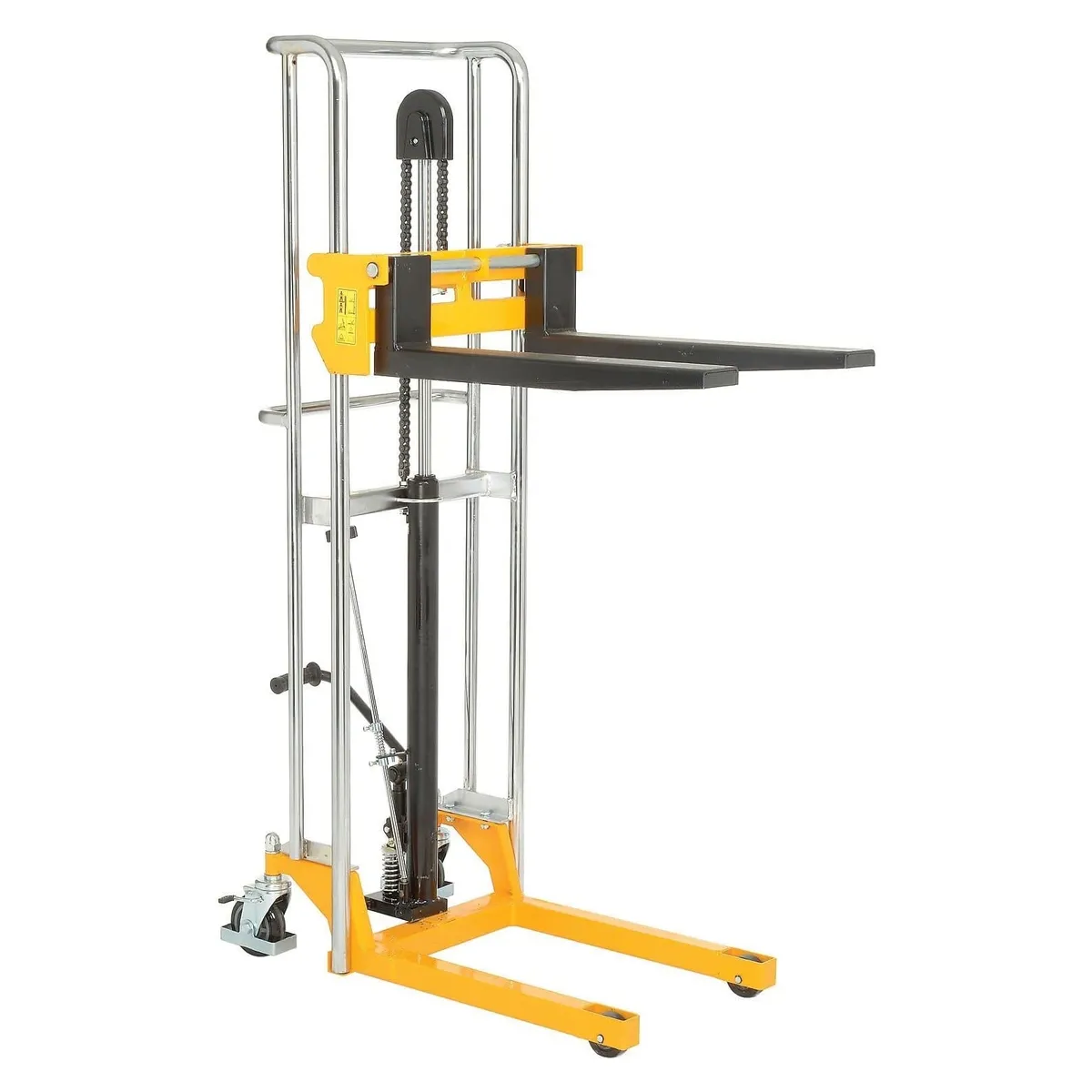
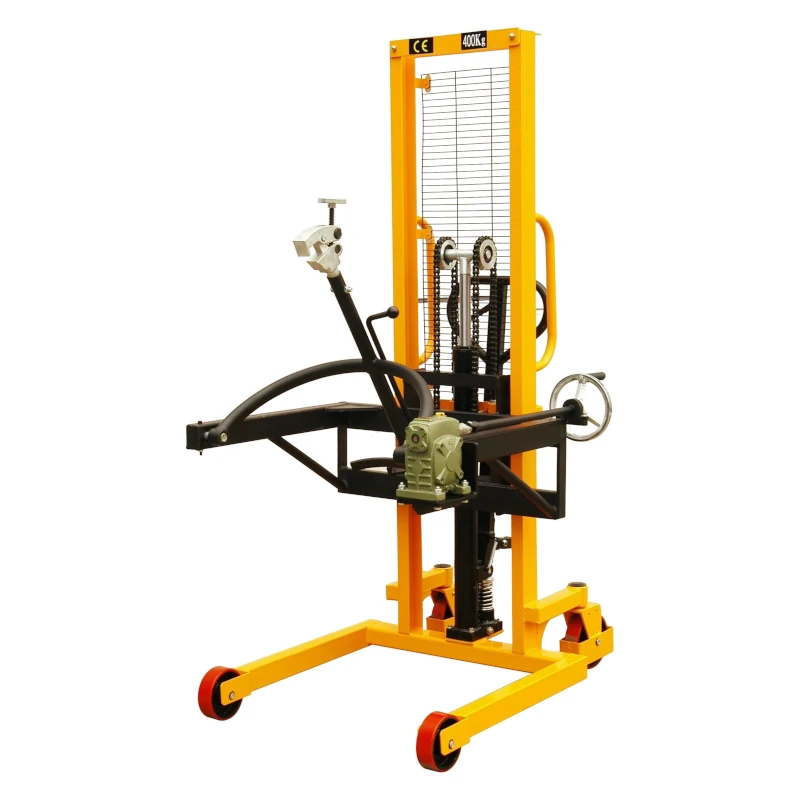
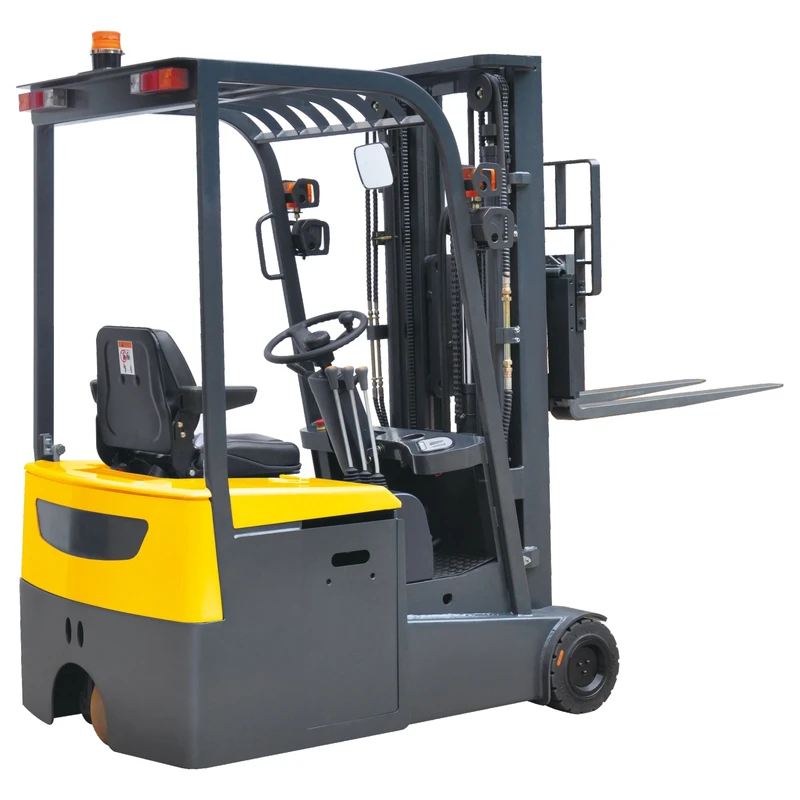
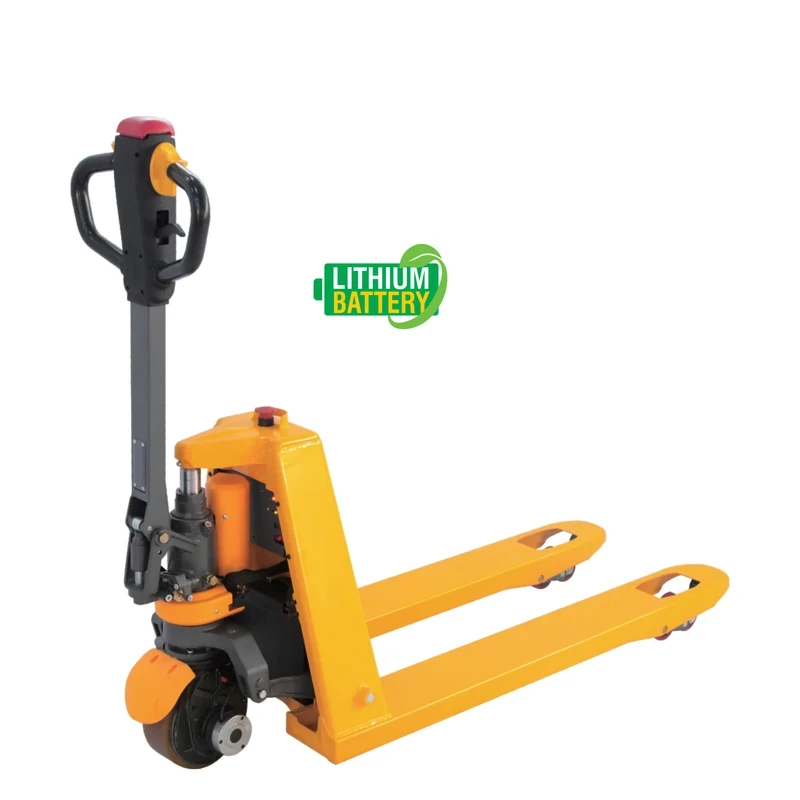
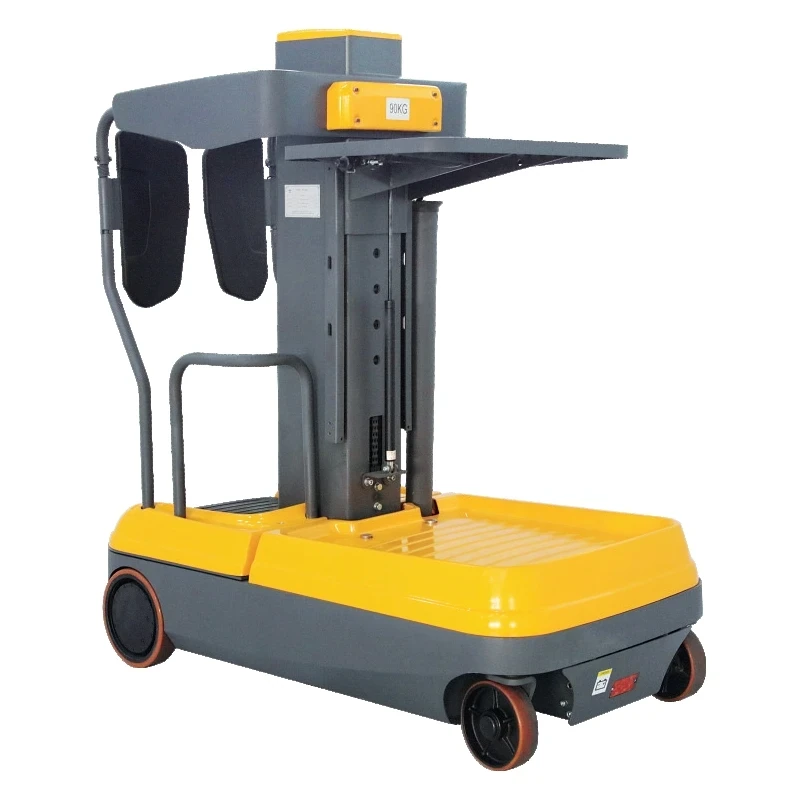
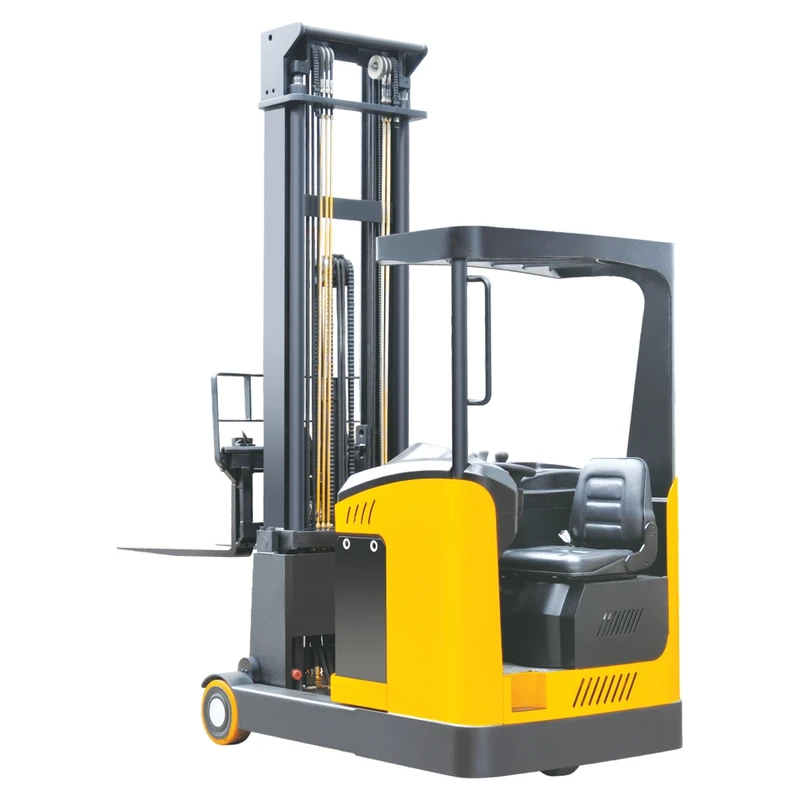
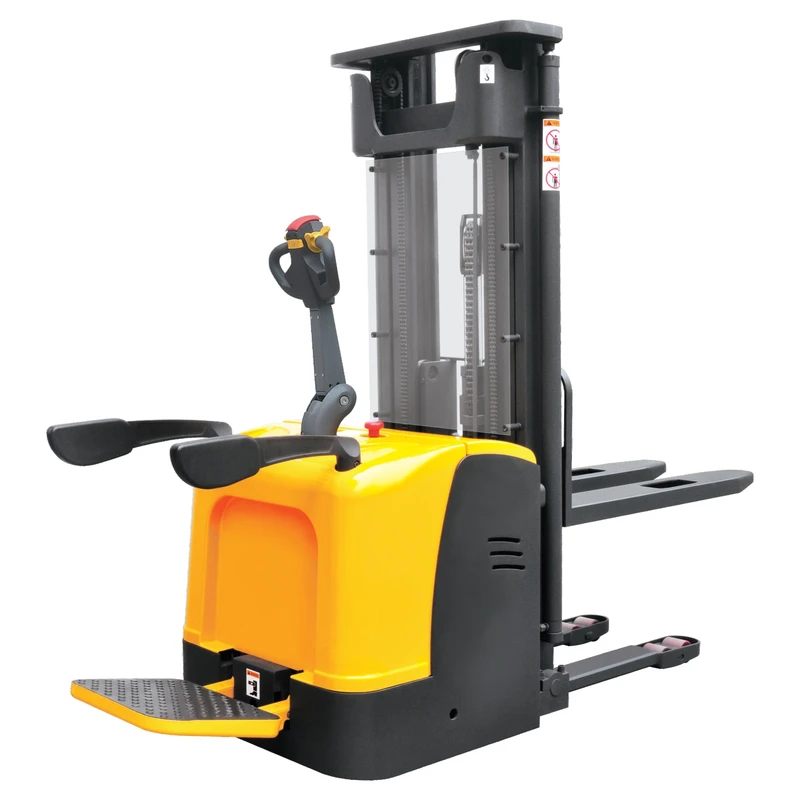
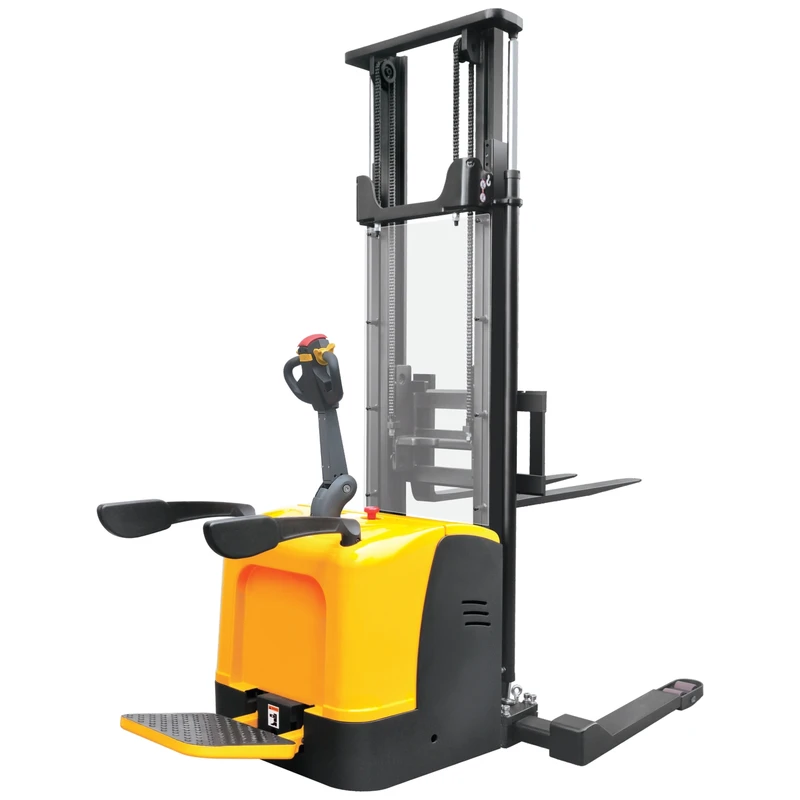
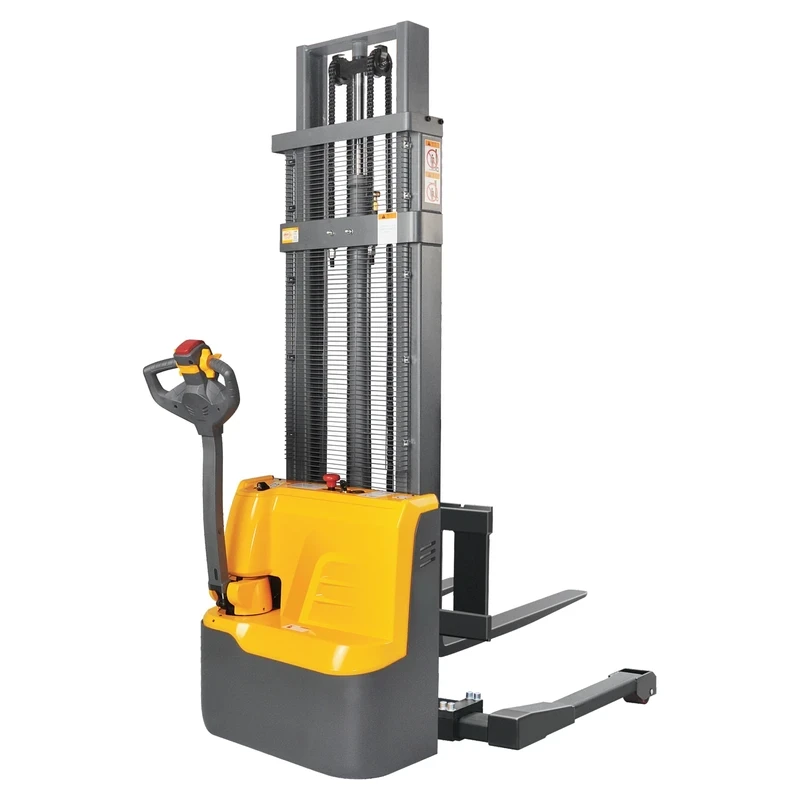
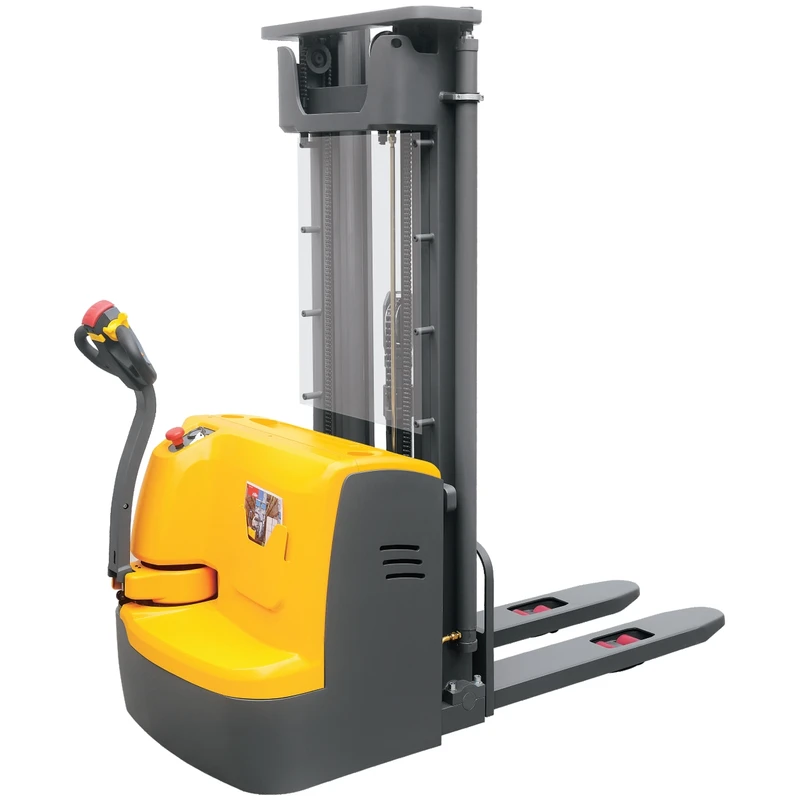
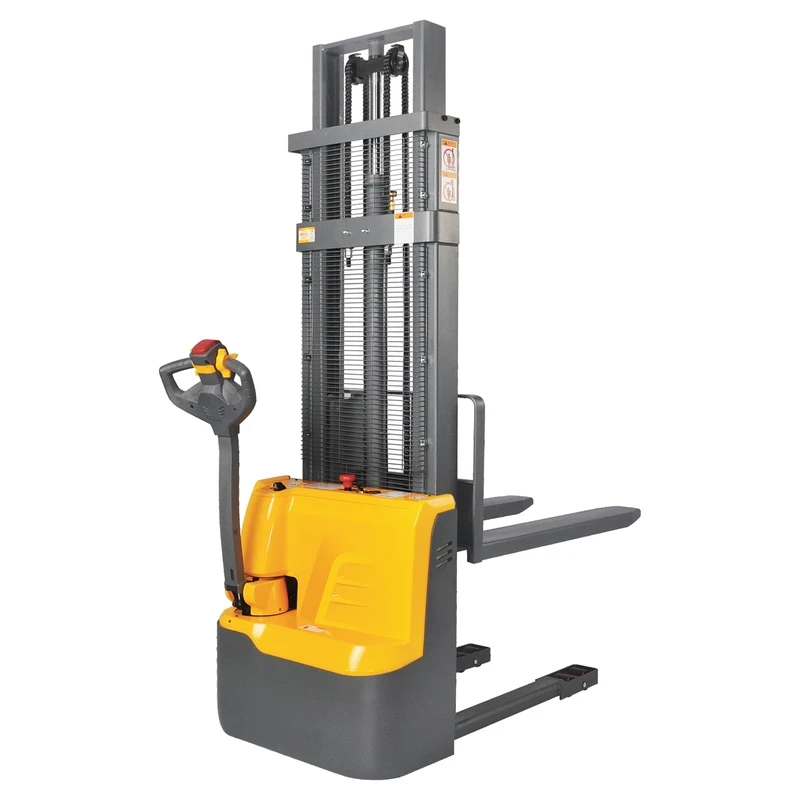
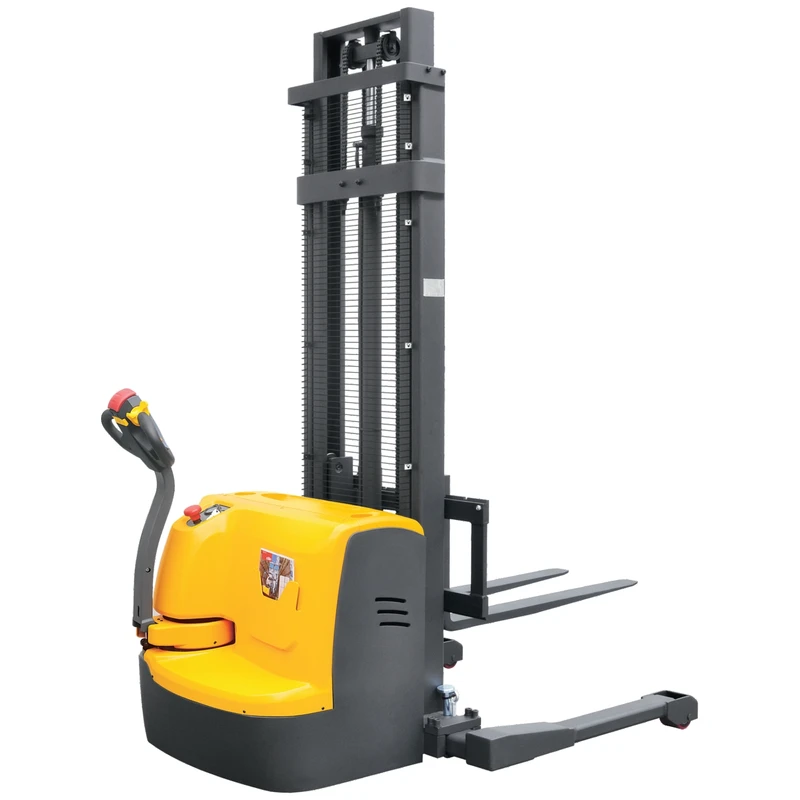
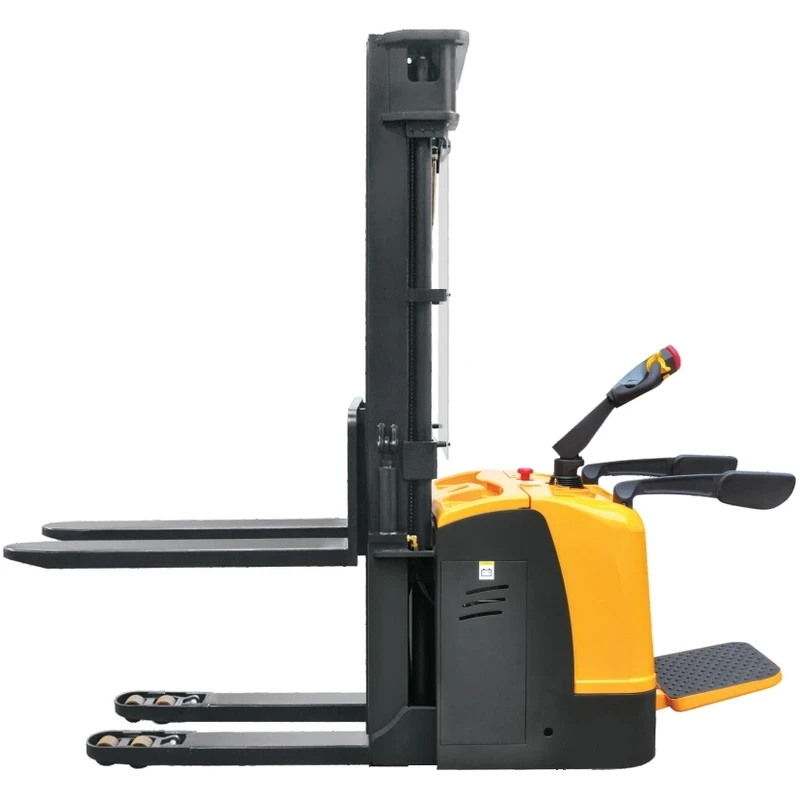
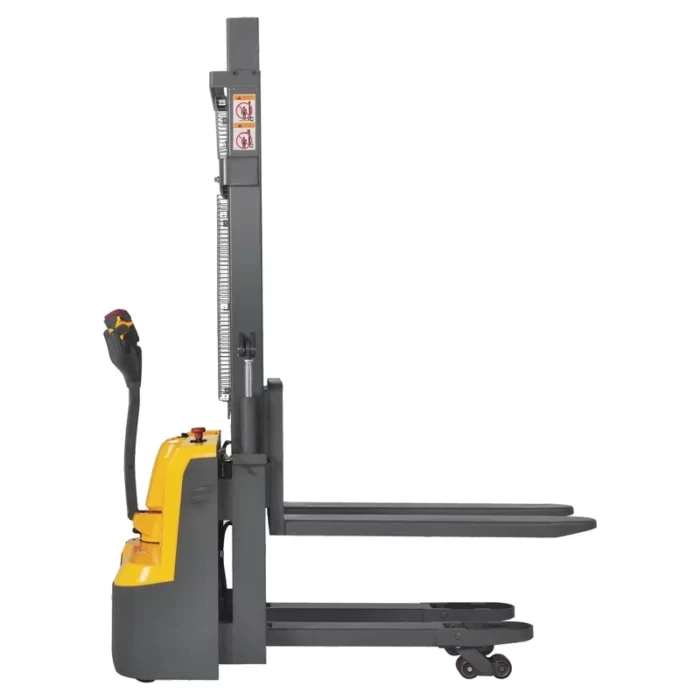
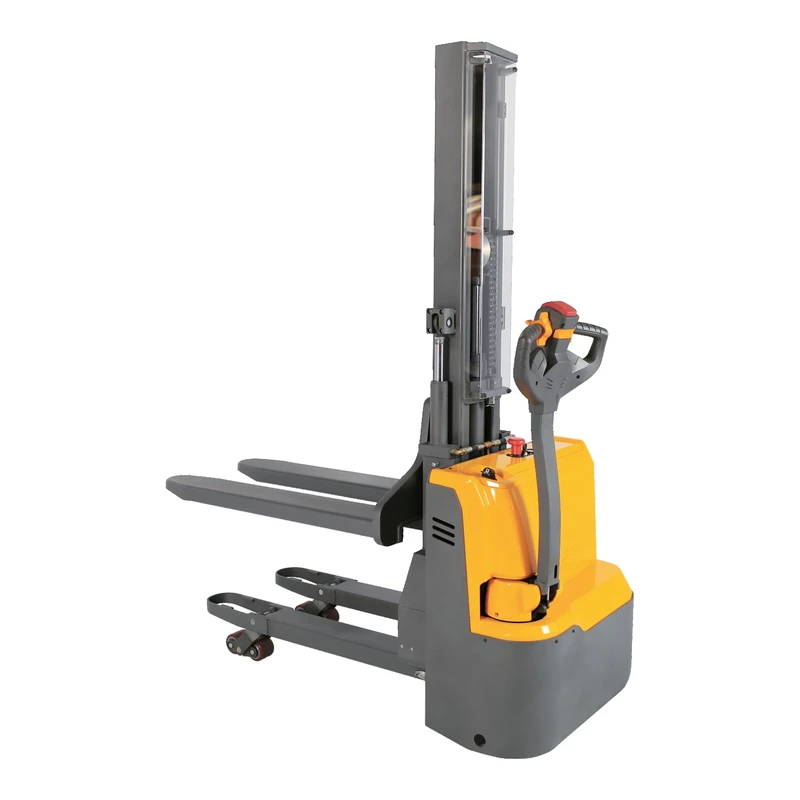
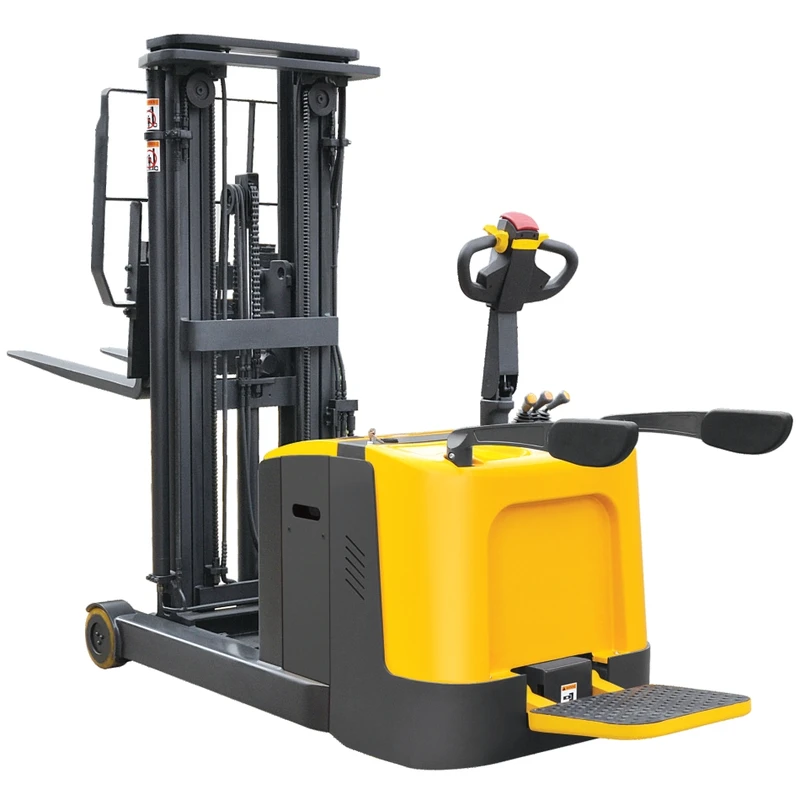
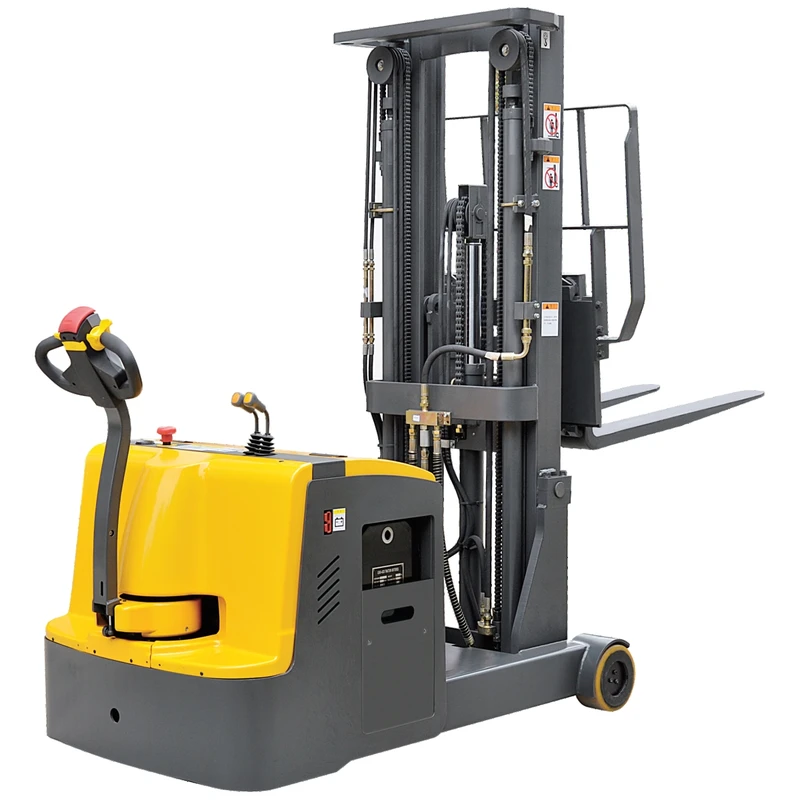
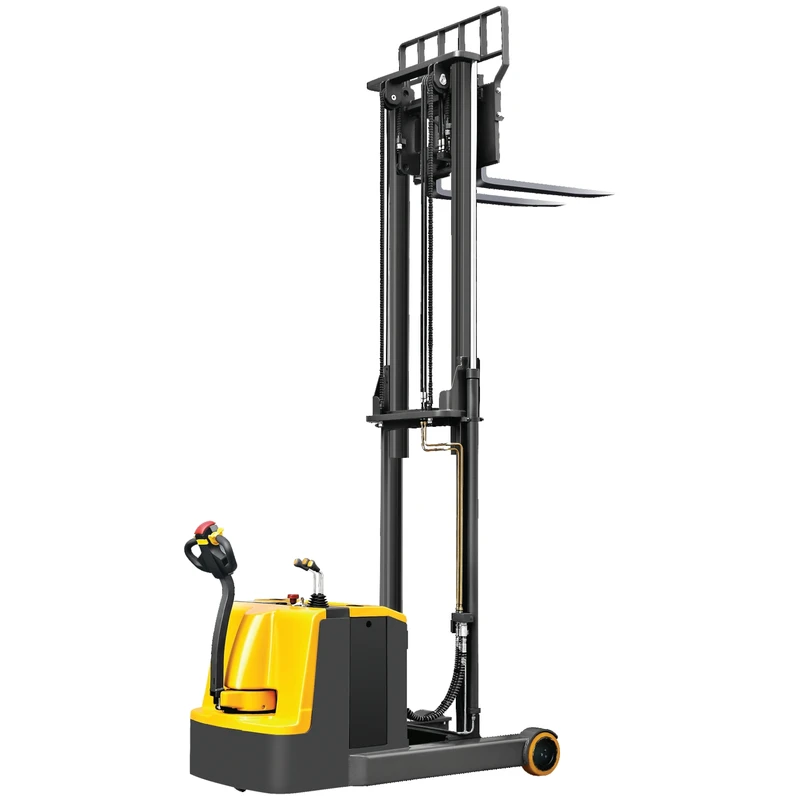
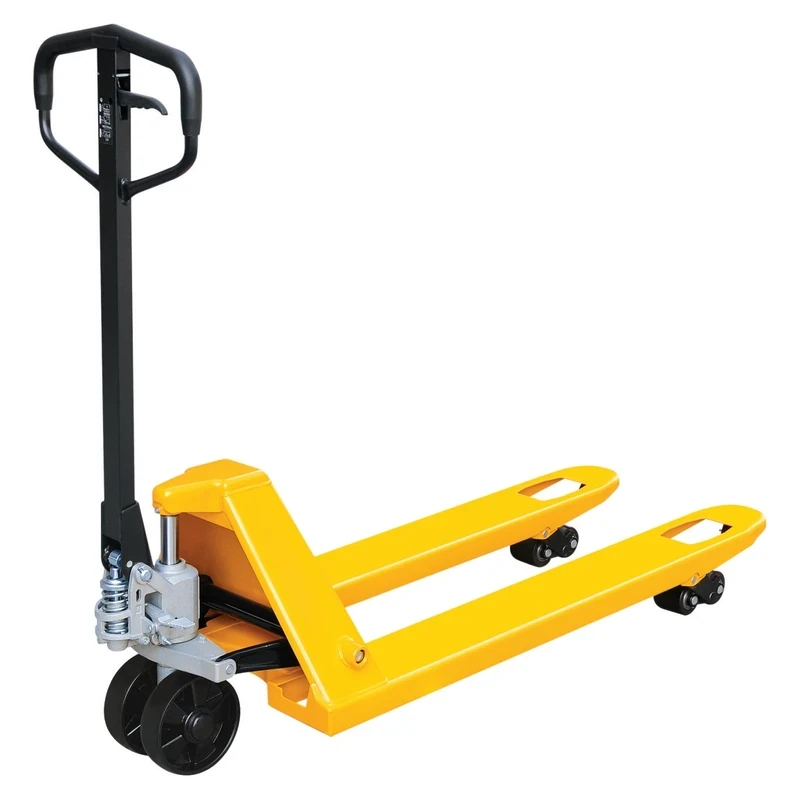
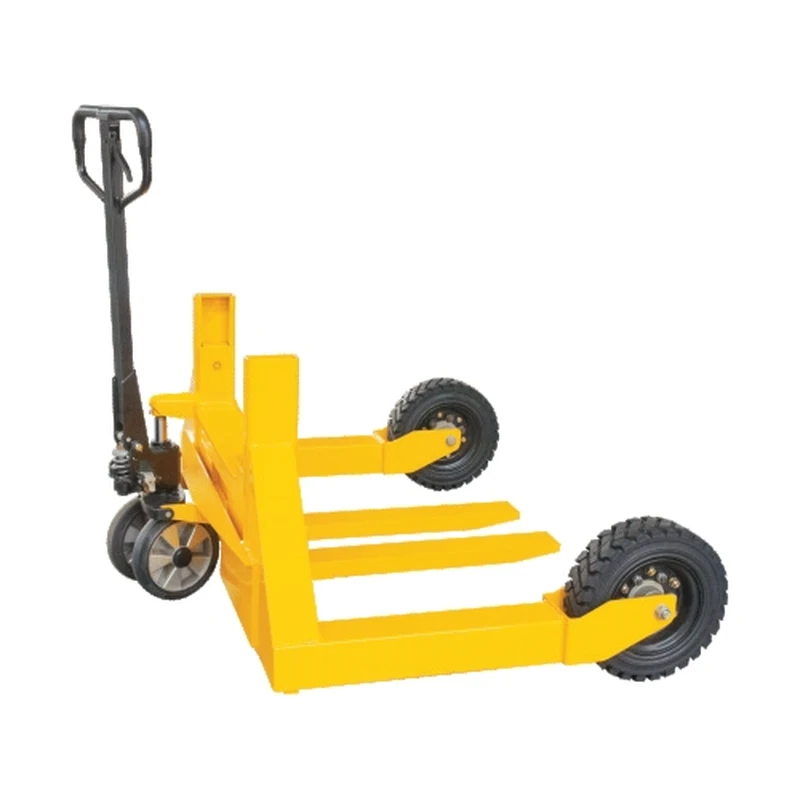
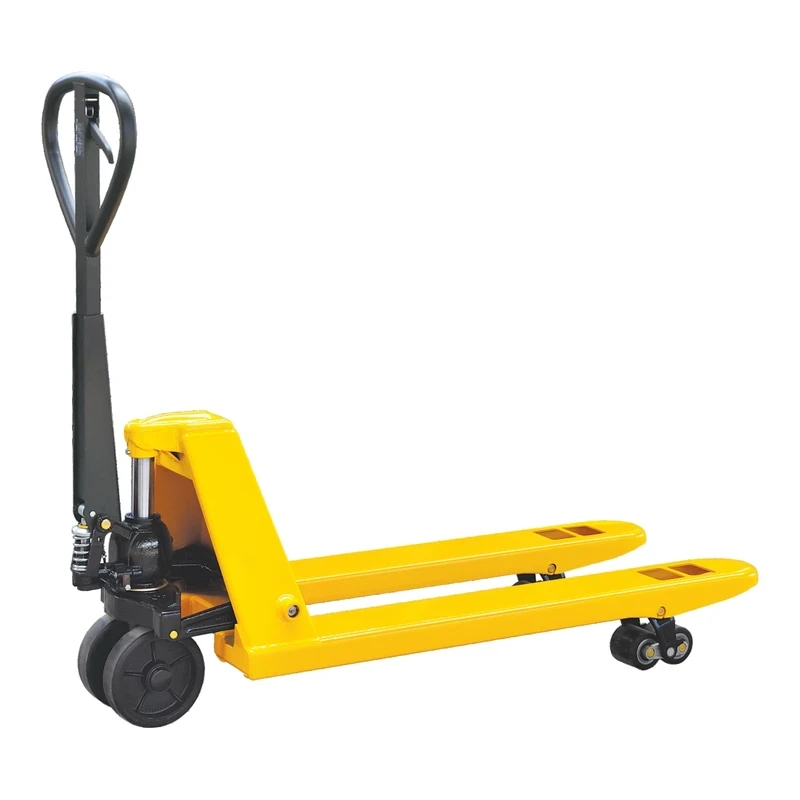
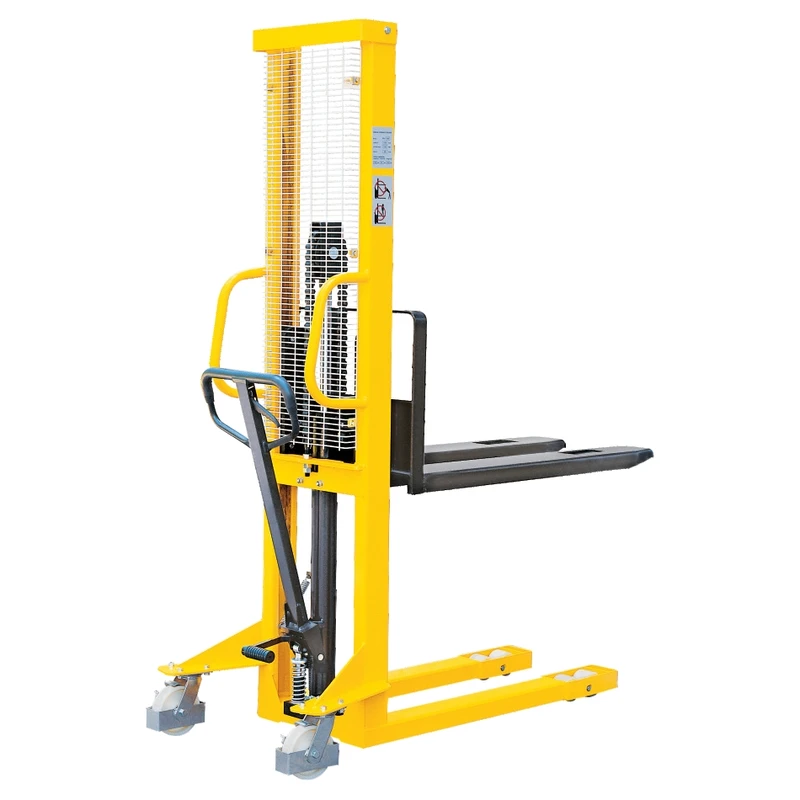
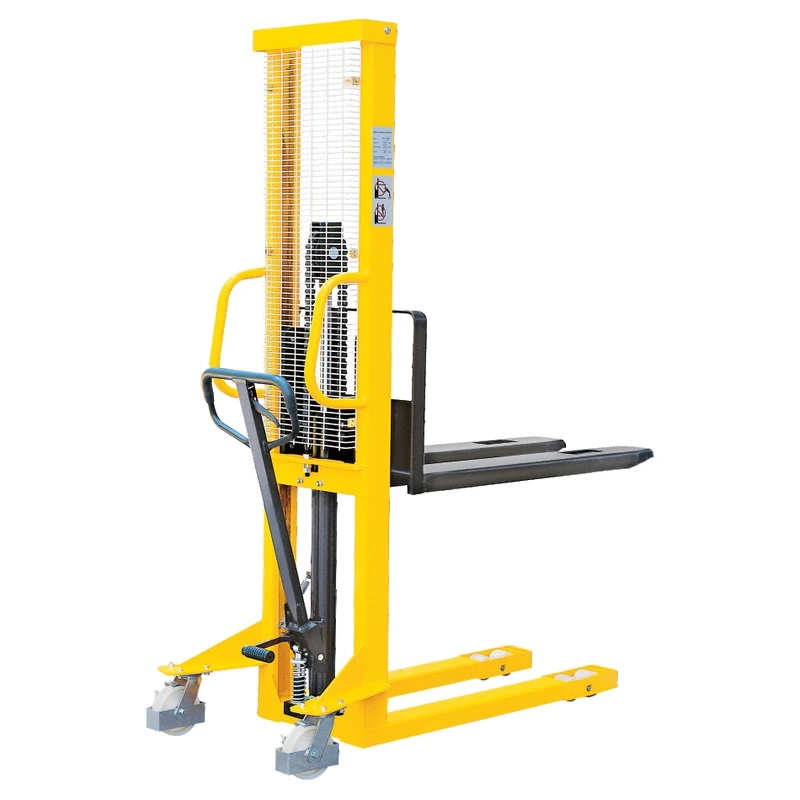
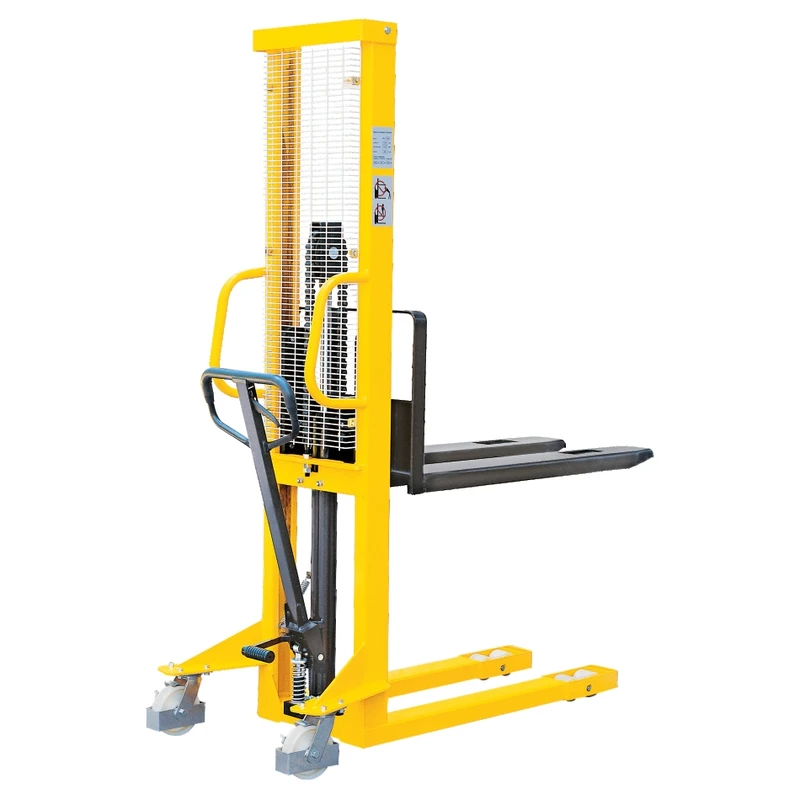
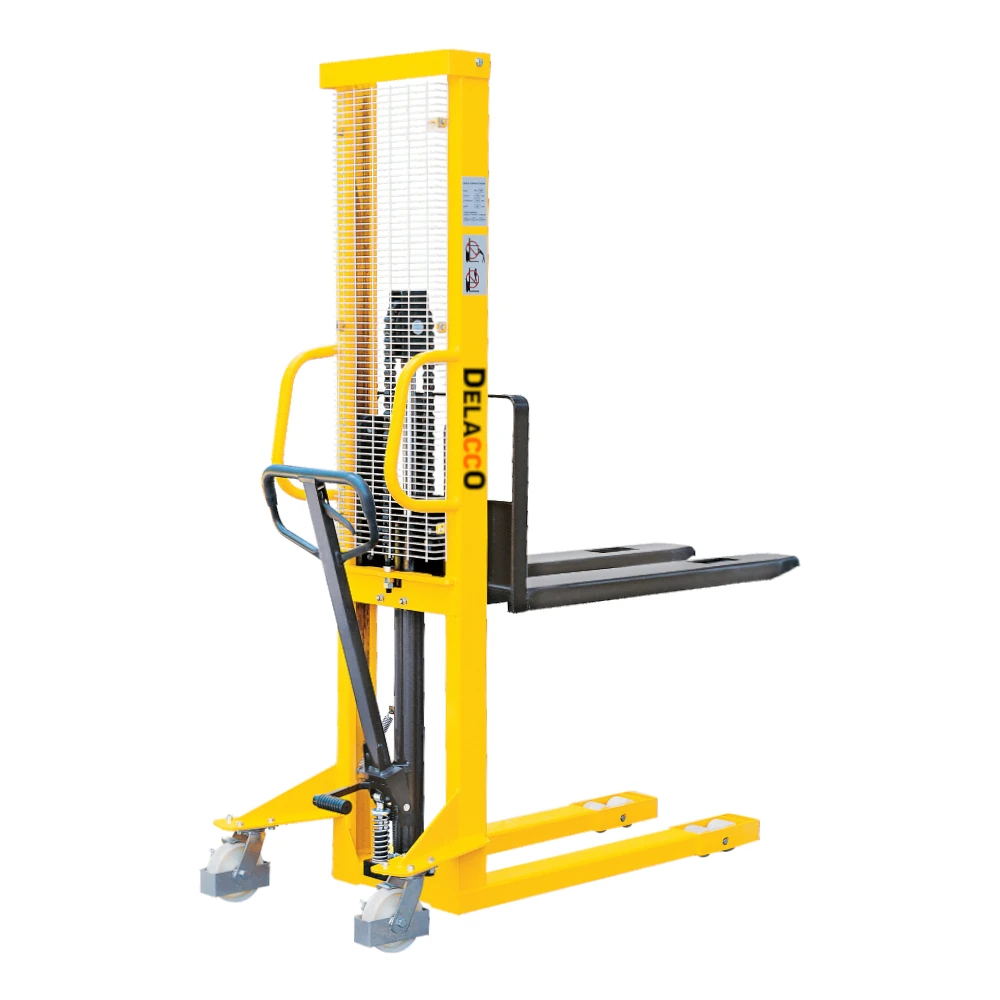
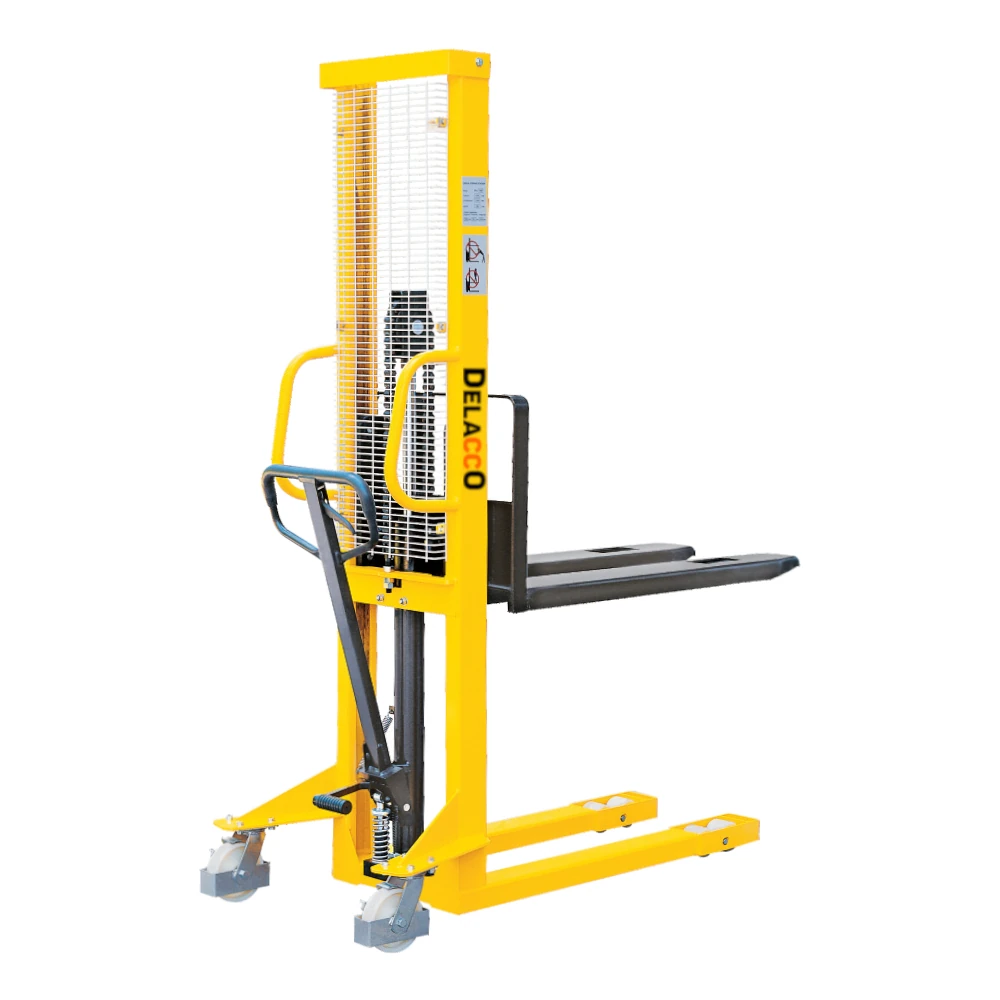
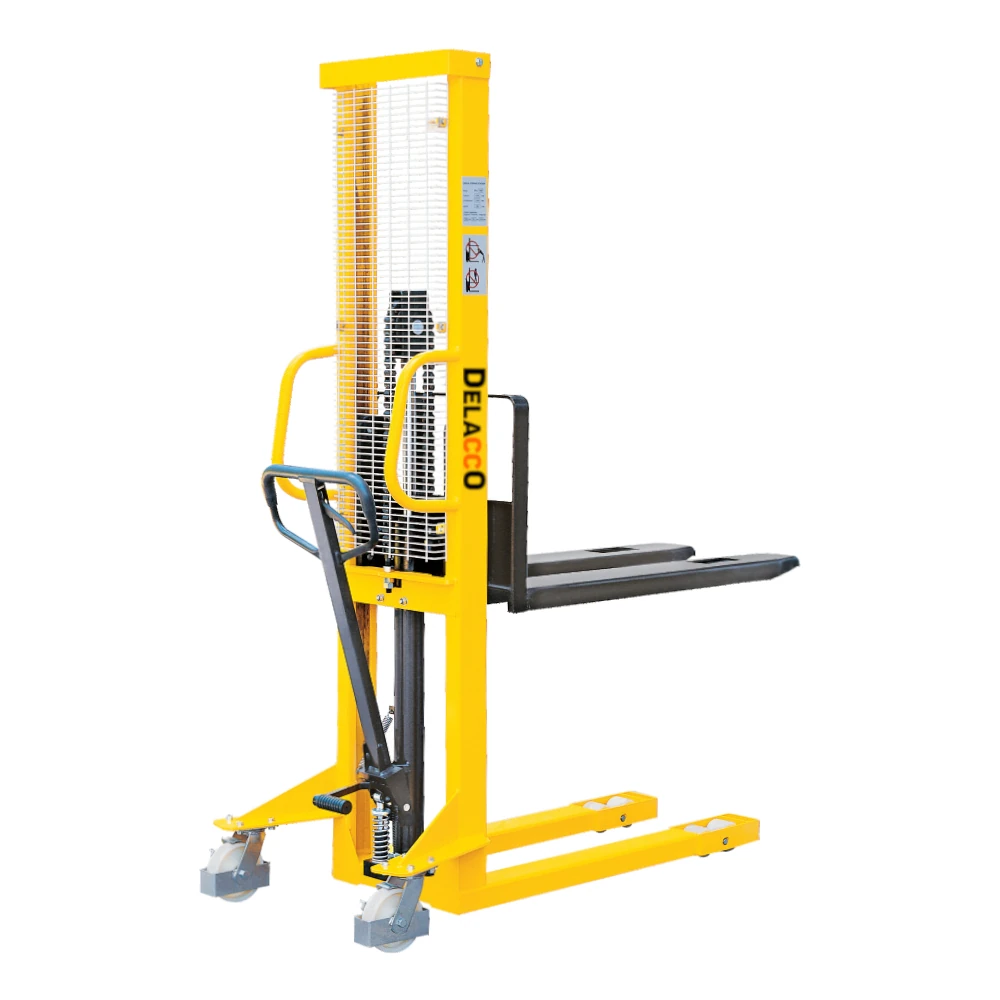
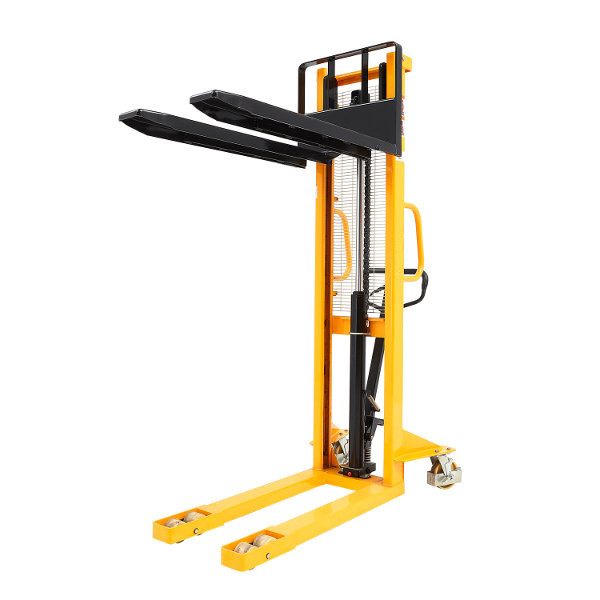
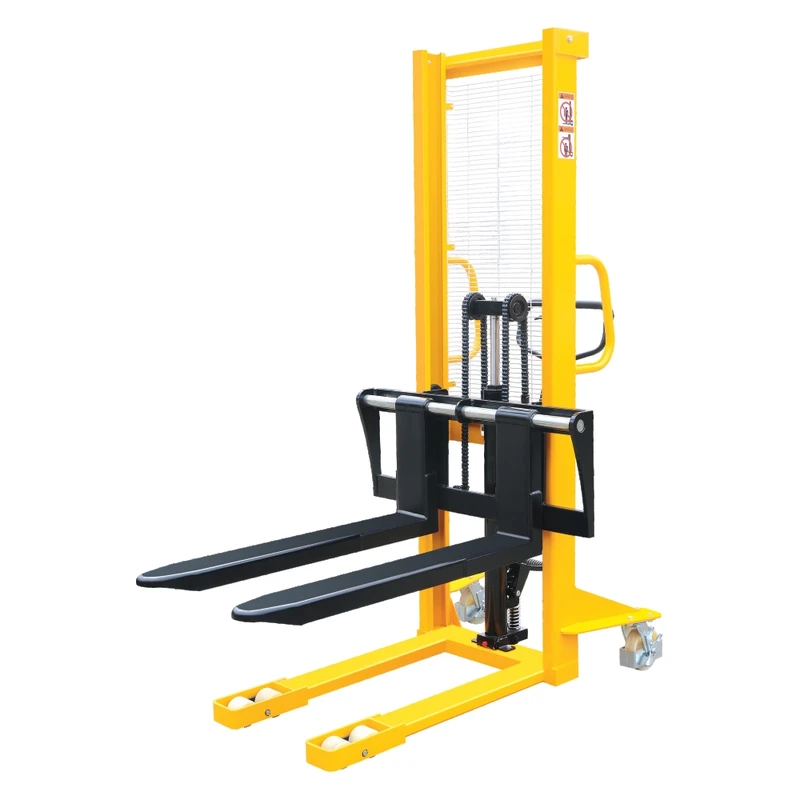
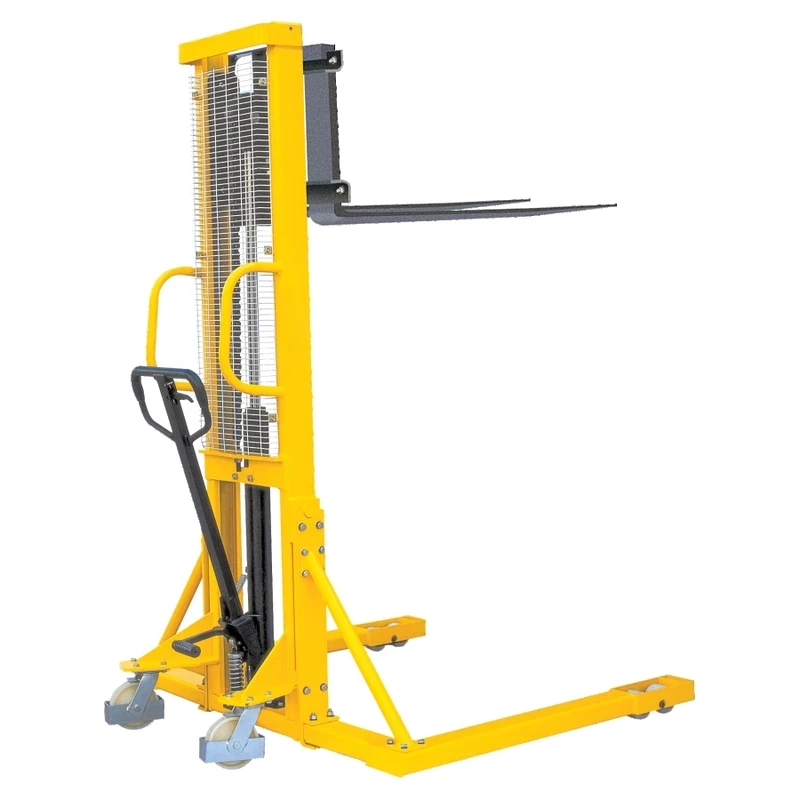
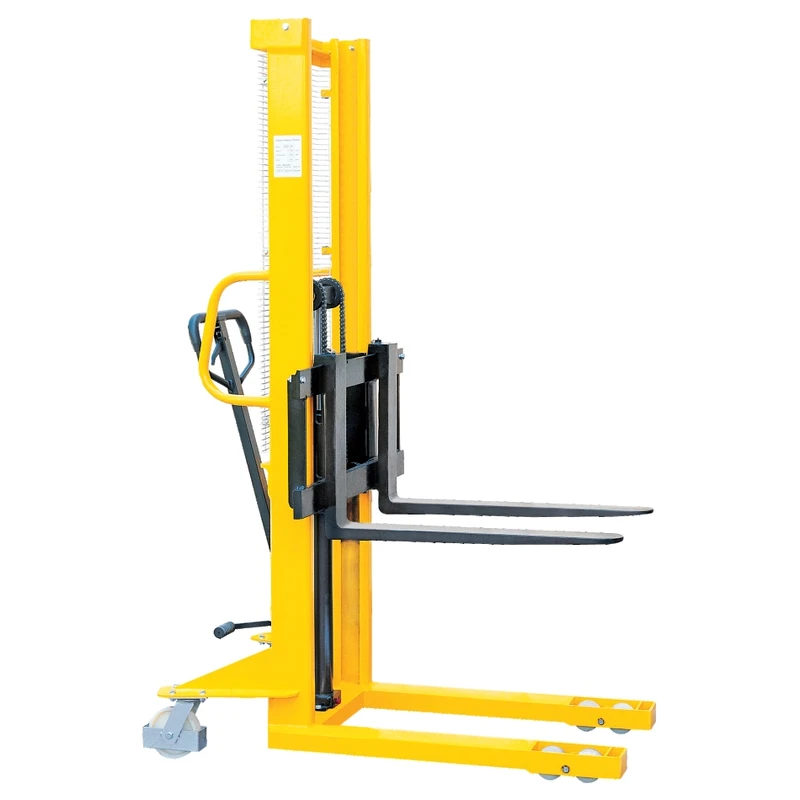
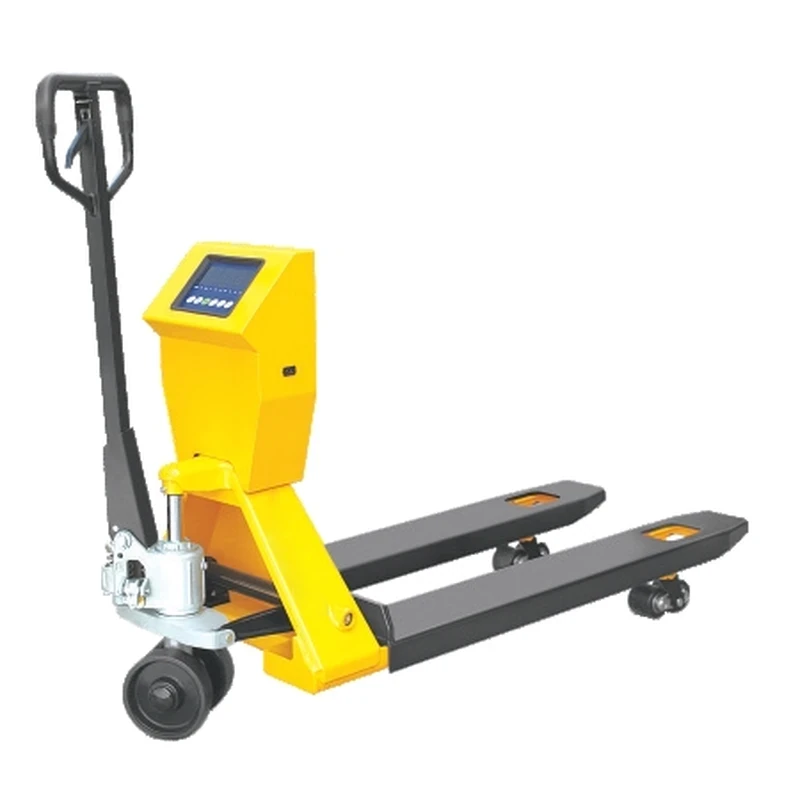
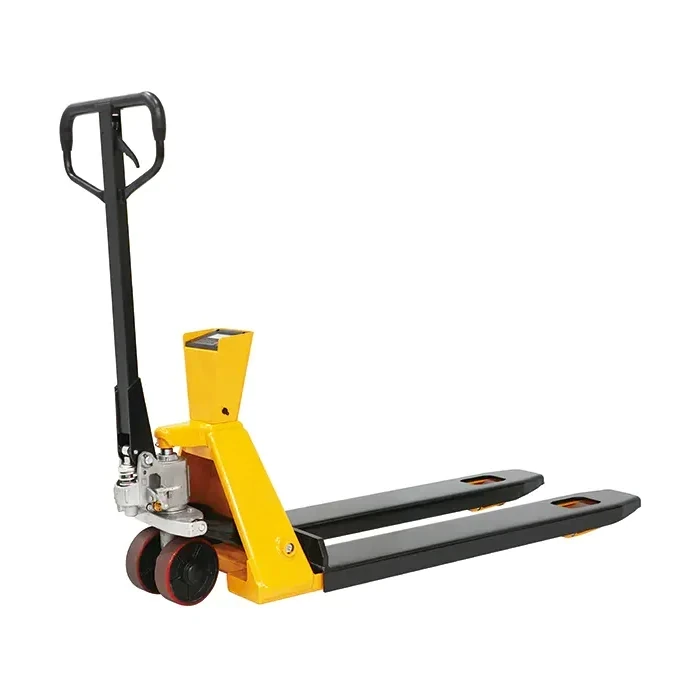
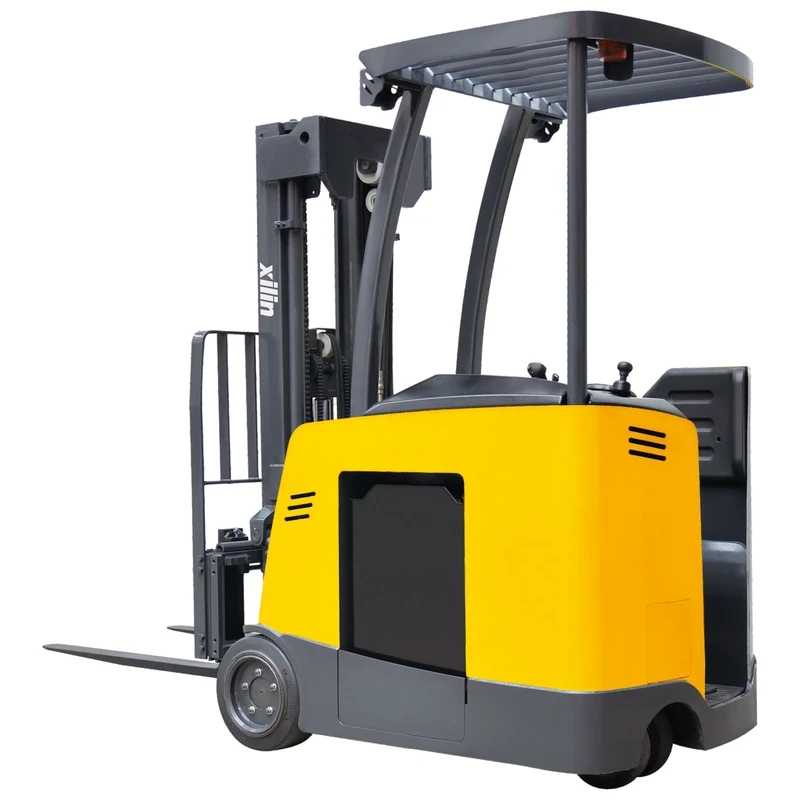
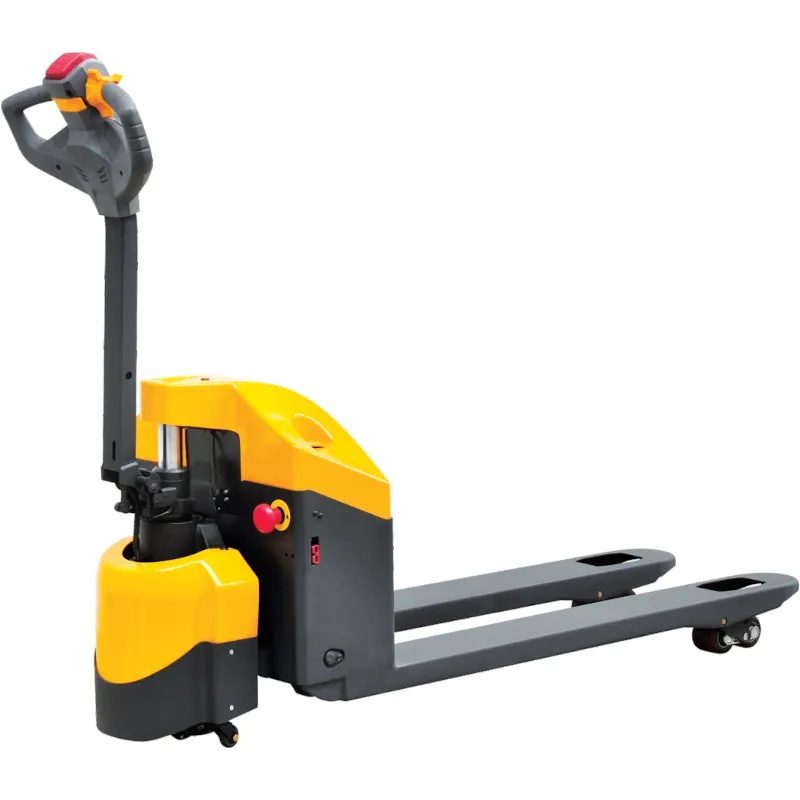
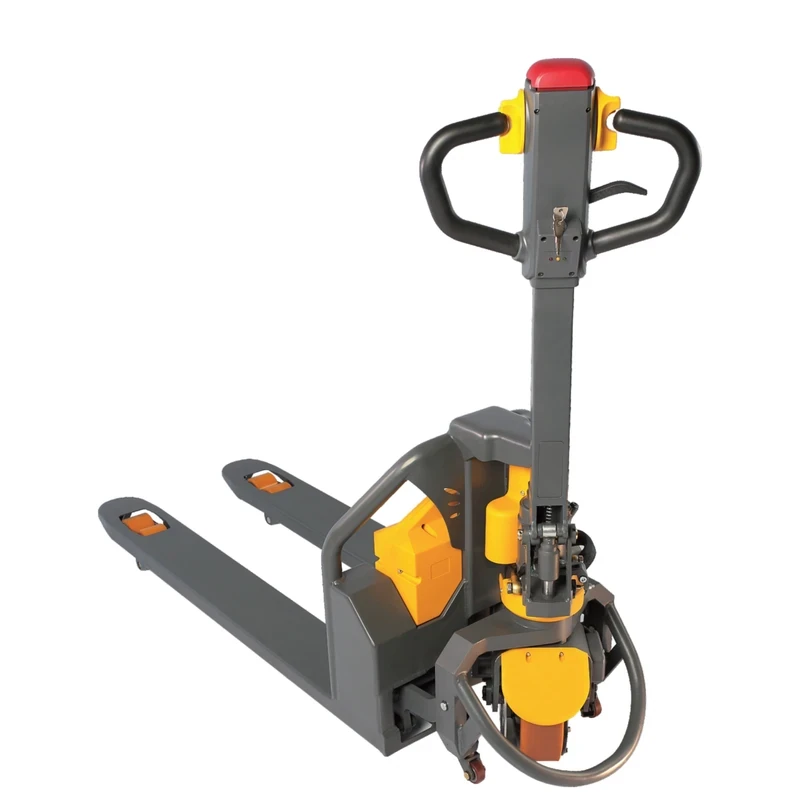
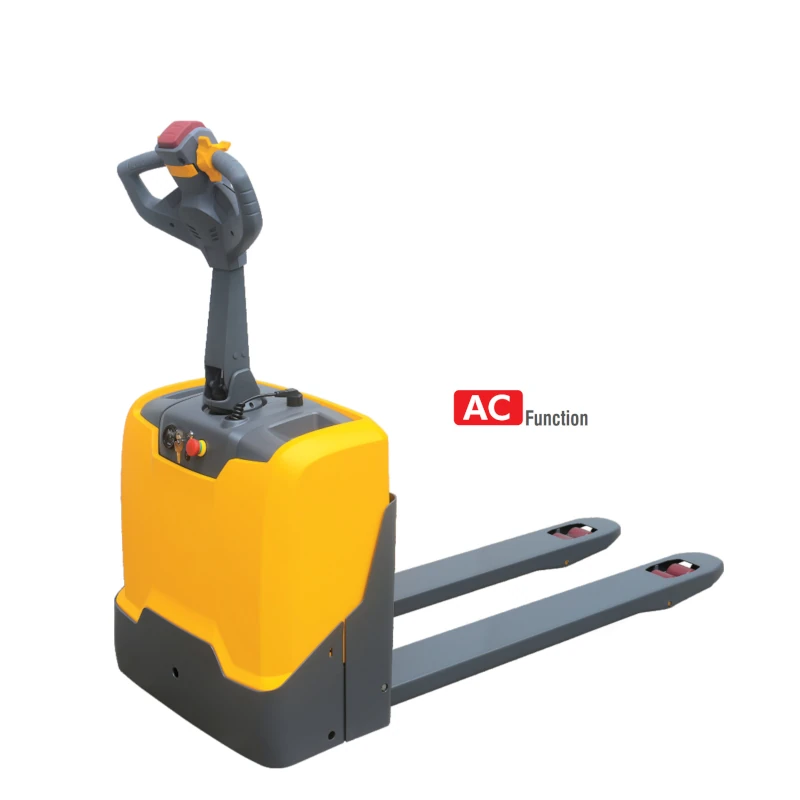
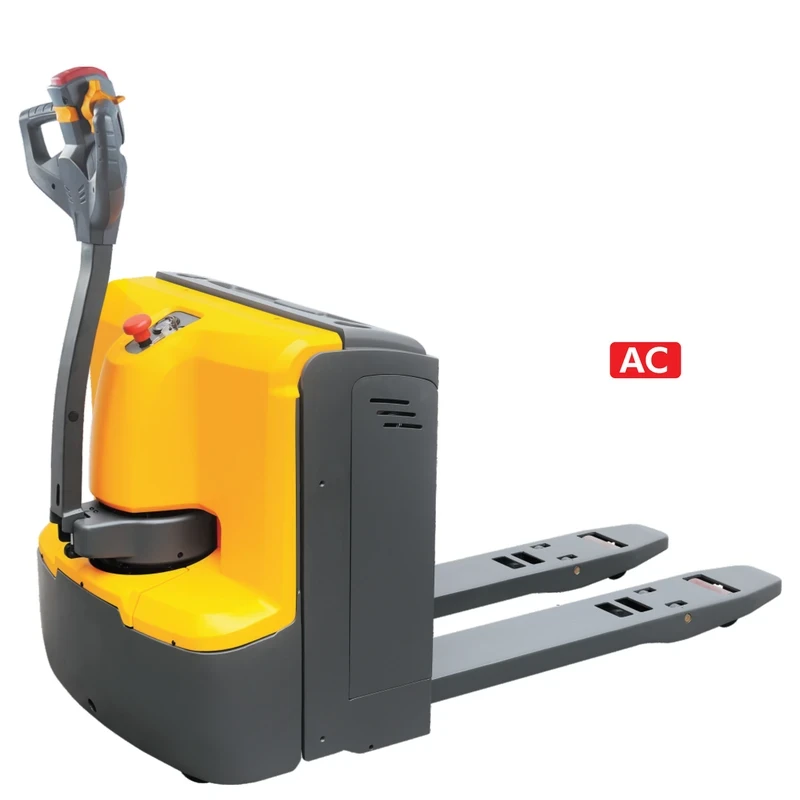
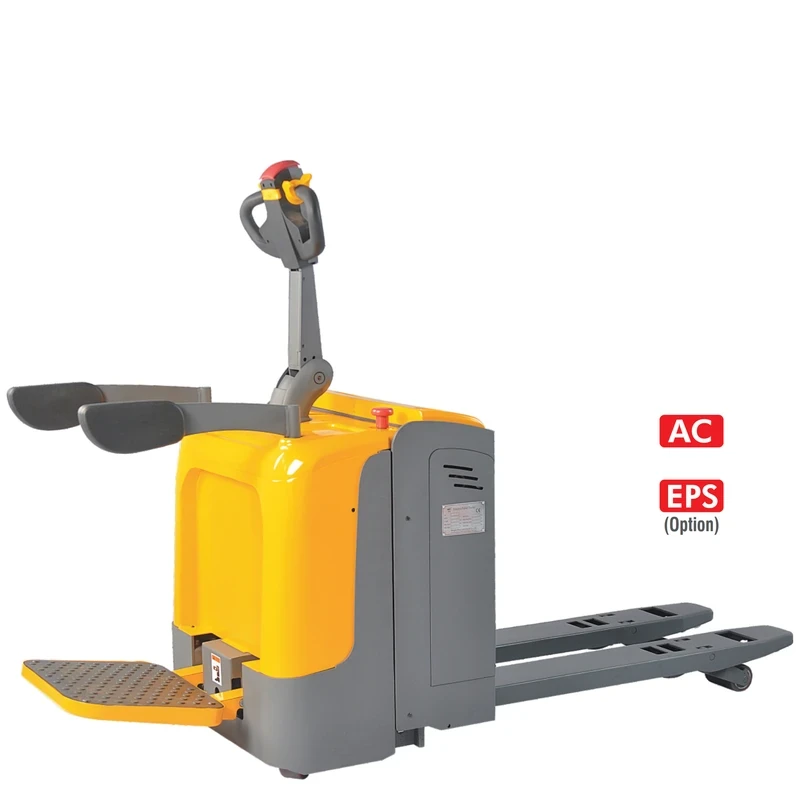
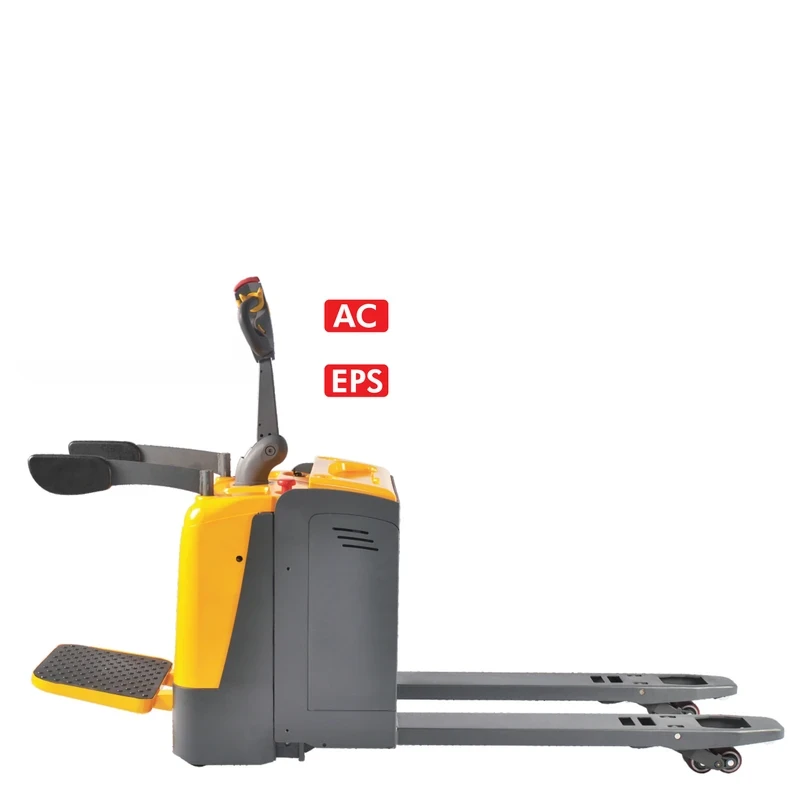
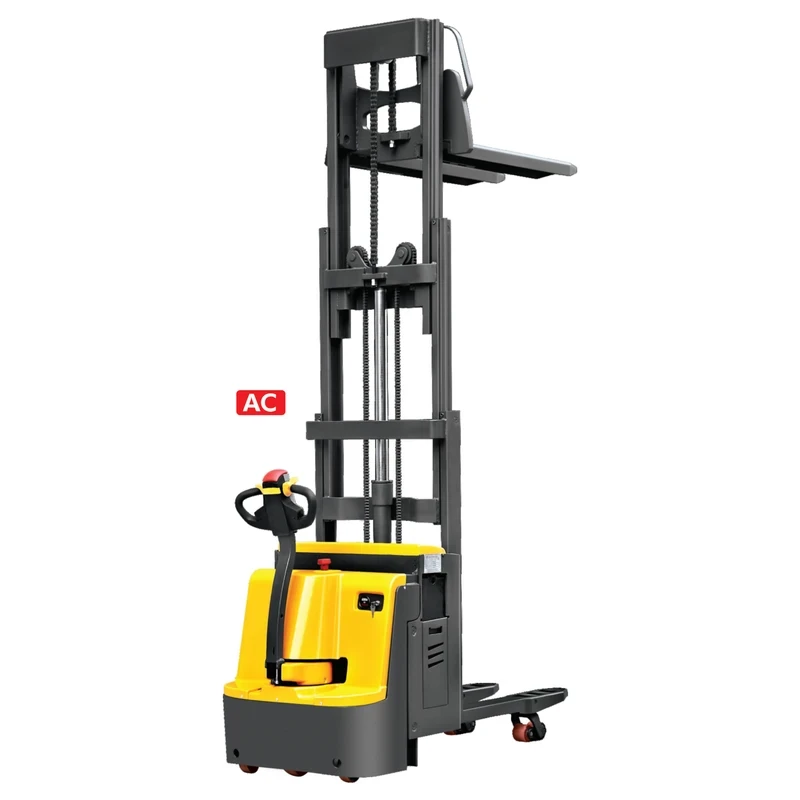
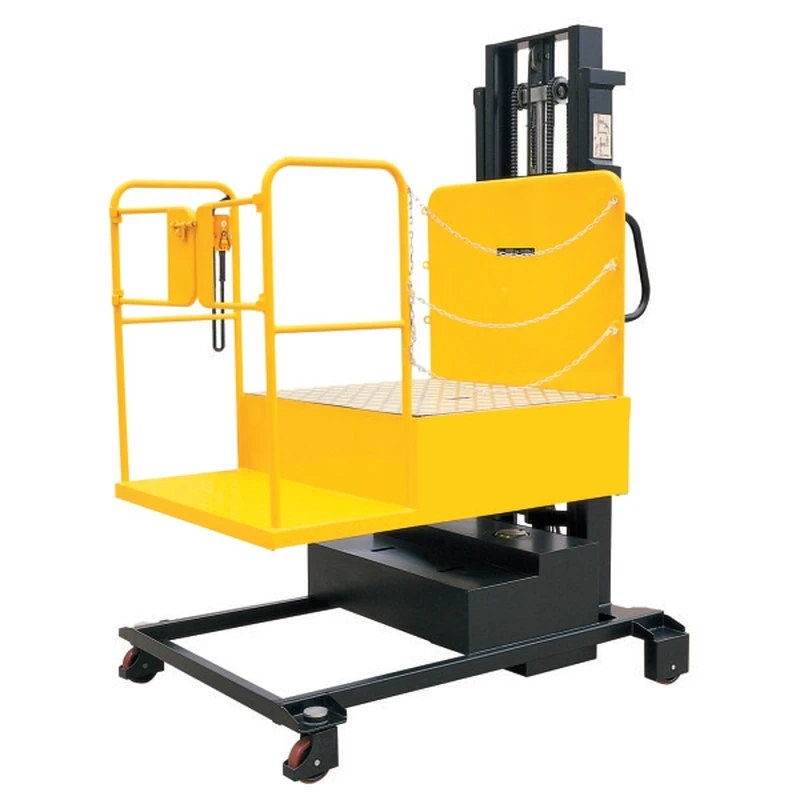
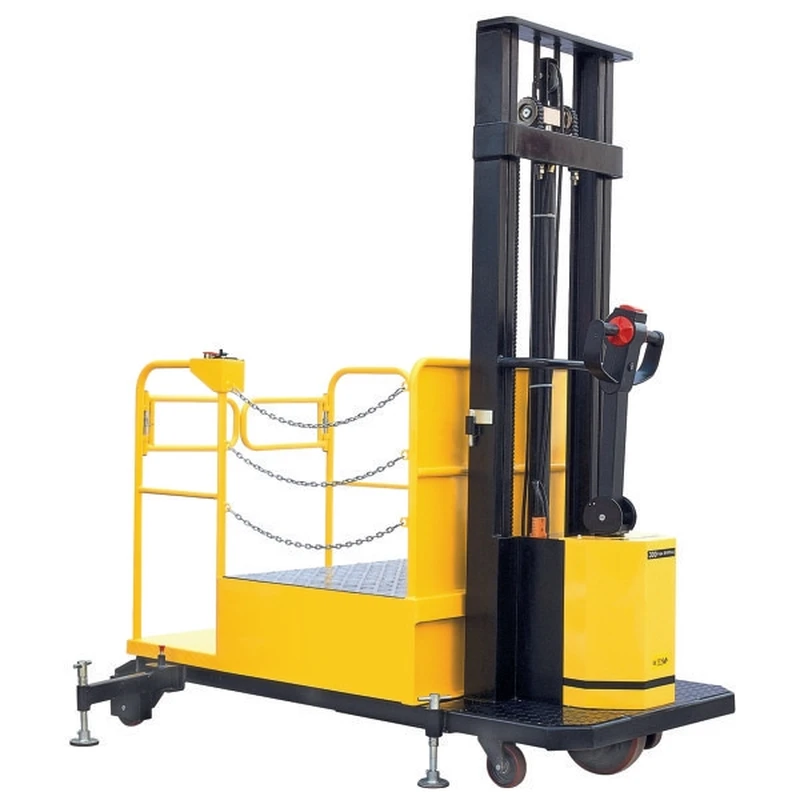
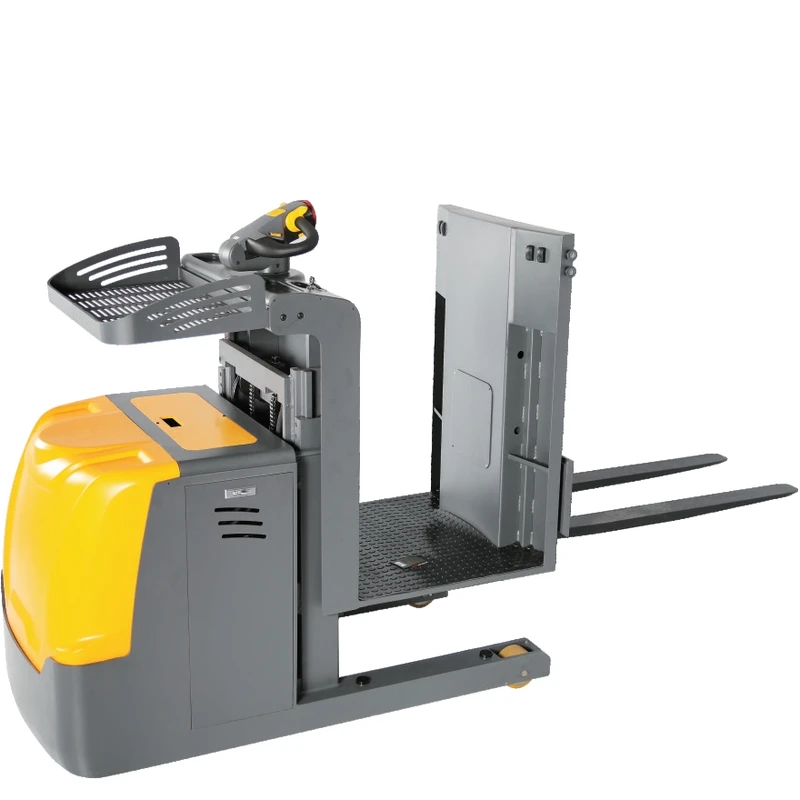
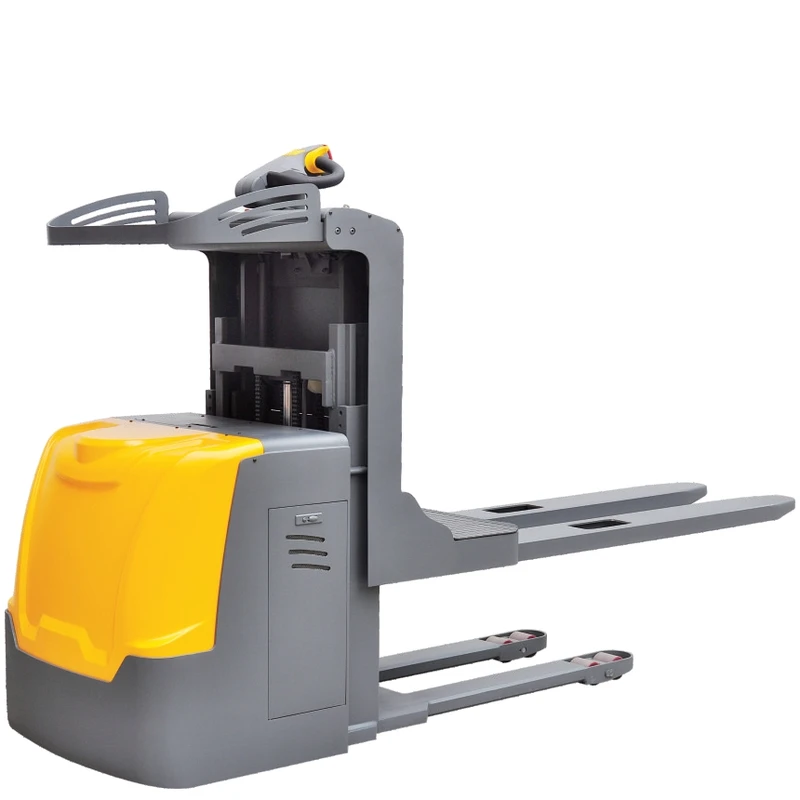
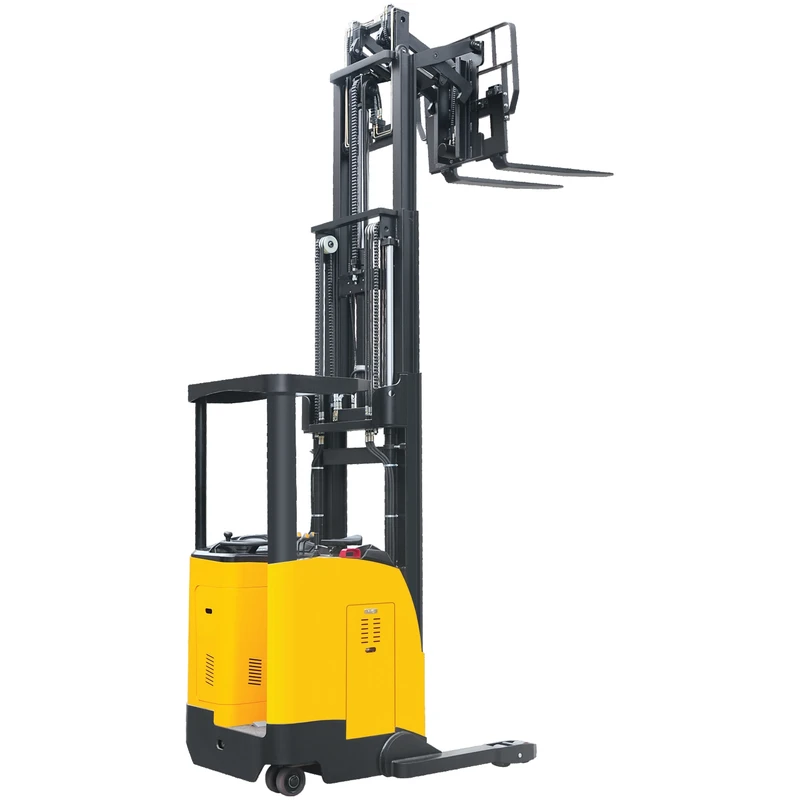
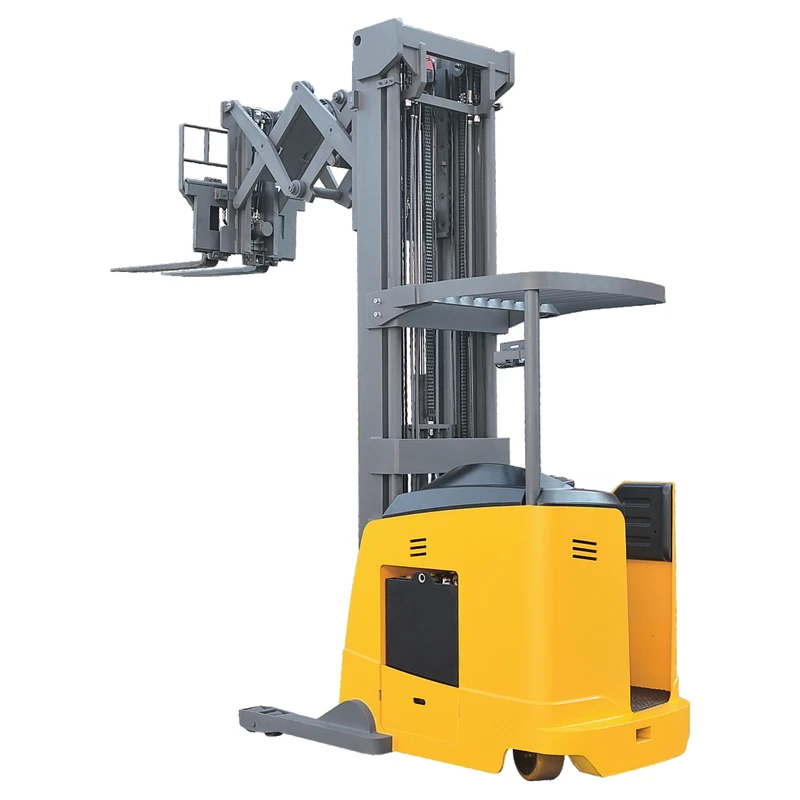
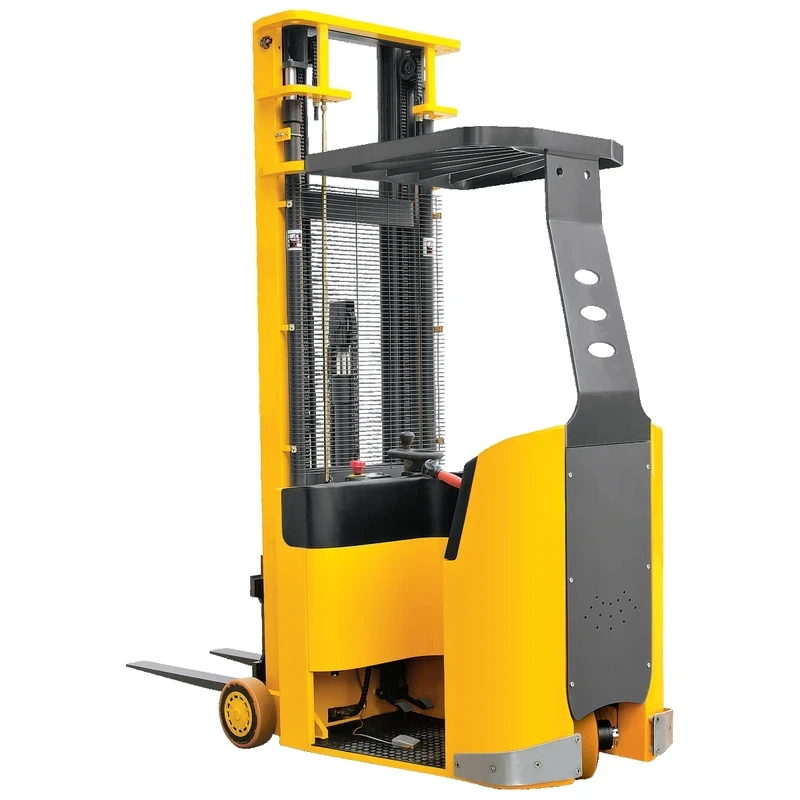
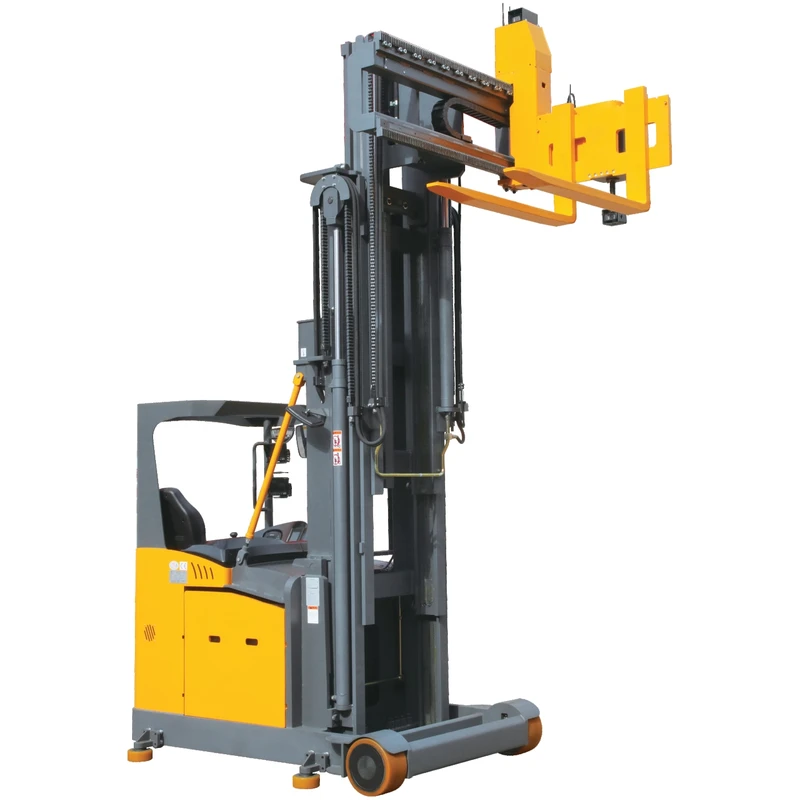
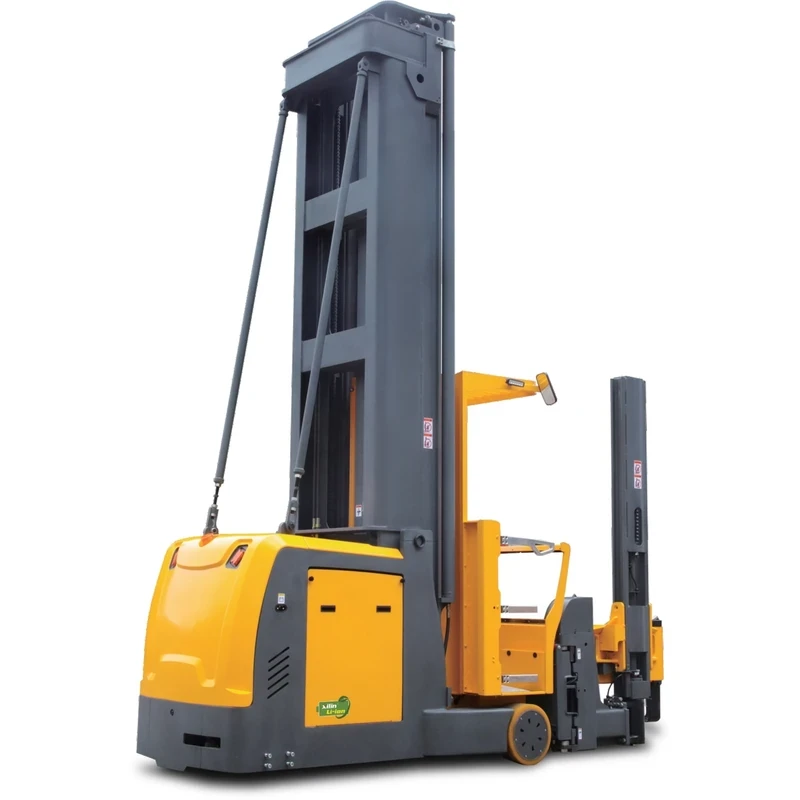
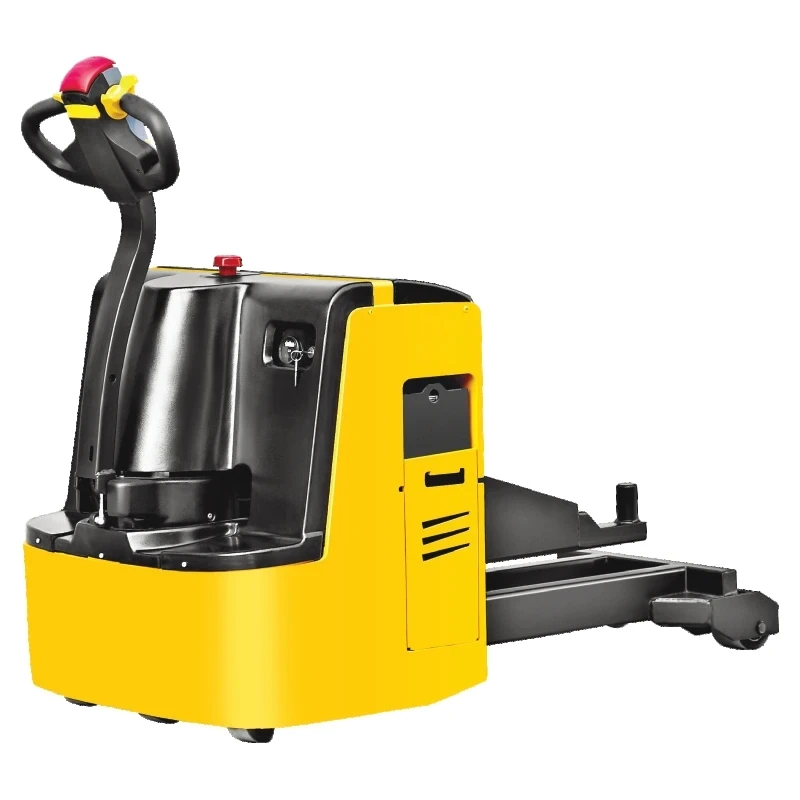
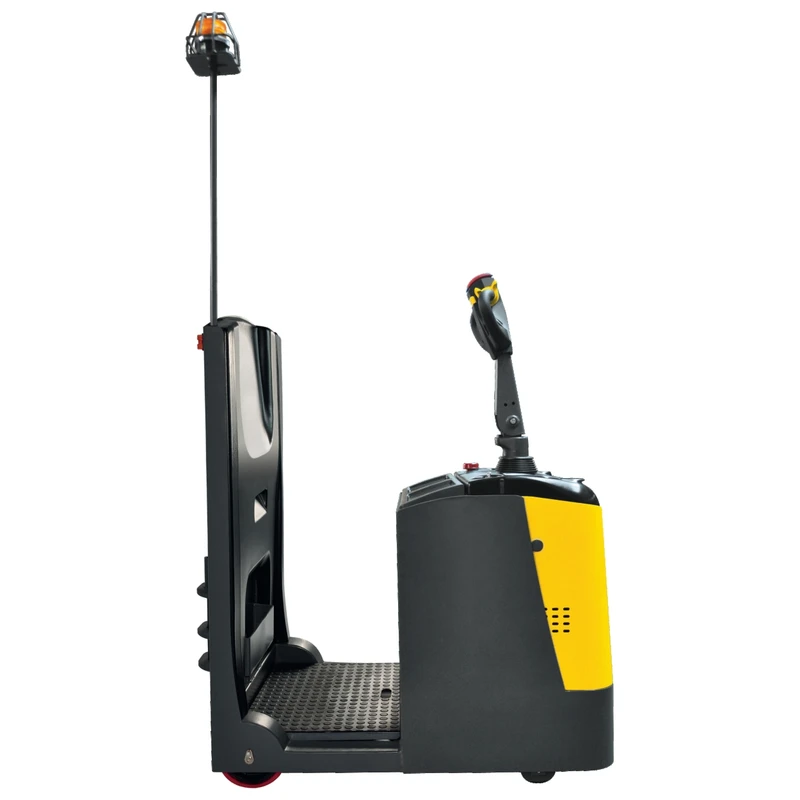
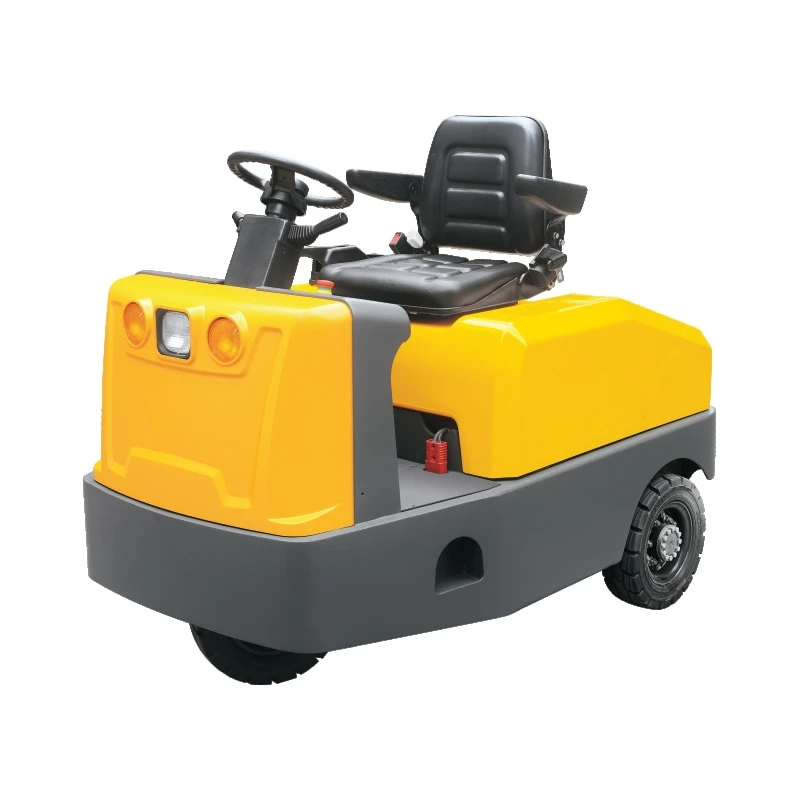
Self-propelled trucks are covered by EN ISO 3691-1 together with the European supplement EN 16307-1; order pickers additionally by EN ISO 3691-3; pedestrian-propelled trucks by EN ISO 3691-5. Trucks with integrated scales additionally follow EN 45501.
EN ISO 3691-1:2015 (amended by A1:2020)
Industrial trucks — Safety requirements and verification — Part 1: Self-propelled industrial trucks, other than driverless trucks, variable-reach trucks and burden-carrier trucks
Gives the safety requirements and the means for their verification for self-propelled industrial trucks: counterbalance forklifts, reach trucks, electric pallet trucks, stackers, order-picking trucks and industrial tractors with a drawbar pull up to 20 000 N — covering stability, braking, operator protection, controls and safeguarding.
EN ISO 3691-3:2016
Industrial trucks — Safety requirements and verification — Part 3: Additional requirements for trucks with elevating operator position and trucks specifically designed to travel with elevated loads
Specifies, in addition to part 1, the safety requirements for trucks with an elevating operator position above 1 200 mm — such as order pickers — covering protection of the elevated operator, guarding of the mast, travel with the operator raised and means of evacuation.
EN ISO 3691-5:2015 (amended by A1:2020)
Industrial trucks — Safety requirements and verification — Part 5: Pedestrian-propelled trucks
Specifies the safety requirements and their verification for pedestrian-propelled trucks: hand pallet trucks, scissor-lift pallet trucks, manual and hand-hydraulic stackers and platform trucks — covering the lifting system, lowering speed limits, stability and controls.
EN 16307-1:2020
Industrial trucks — Safety requirements and verification — Part 1: Supplementary requirements for self-propelled industrial trucks, other than driverless trucks, variable-reach trucks and burden-carrier trucks
European supplement to EN ISO 3691-1 with additional regional requirements for self-propelled industrial trucks placed on the EU market — including noise and vibration information, electromagnetic compatibility, visibility and residual-risk warnings. Applied together with EN ISO 3691-1 for CE marking.
EN 45501:2015
Metrological aspects of non-automatic weighing instruments
Specifies the metrological and technical requirements and tests for non-automatic weighing instruments — including accuracy classes, maximum permissible errors and influence factors. Relevant for pallet trucks and crane scales with integrated weighing used for trade or verification purposes (NAWI Directive 2014/31/EU).
Load securing on road vehicles
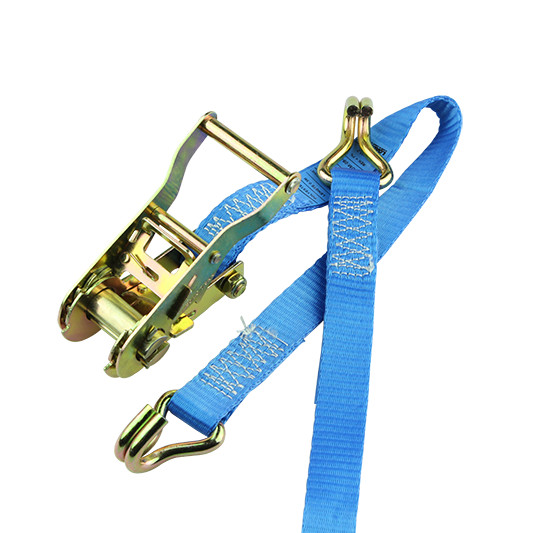
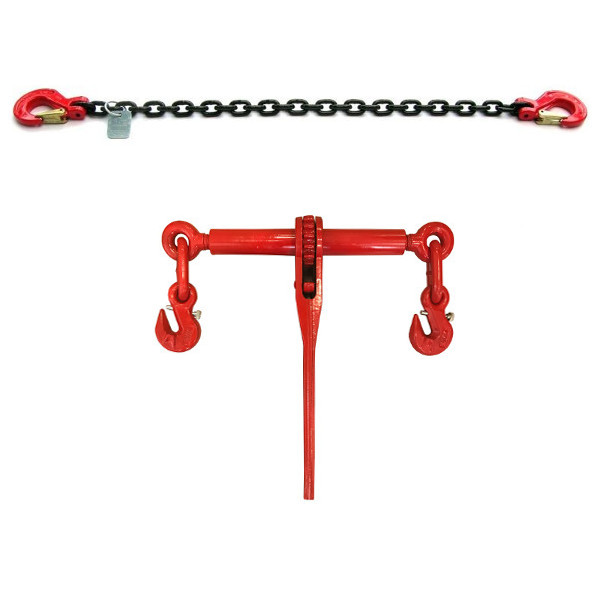
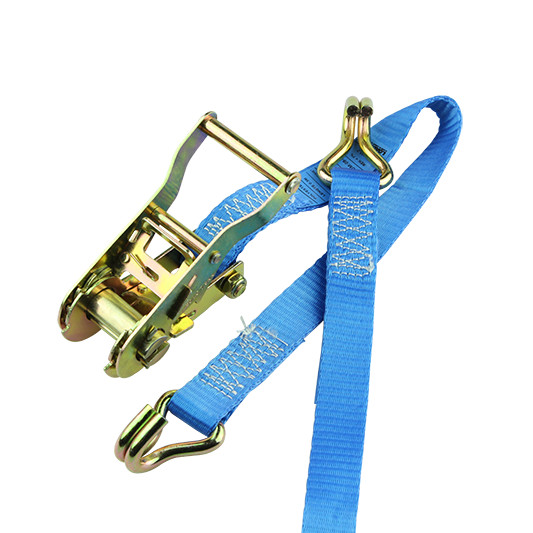
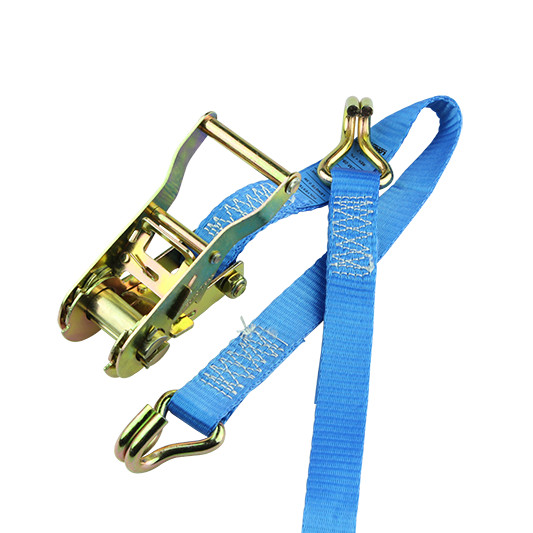
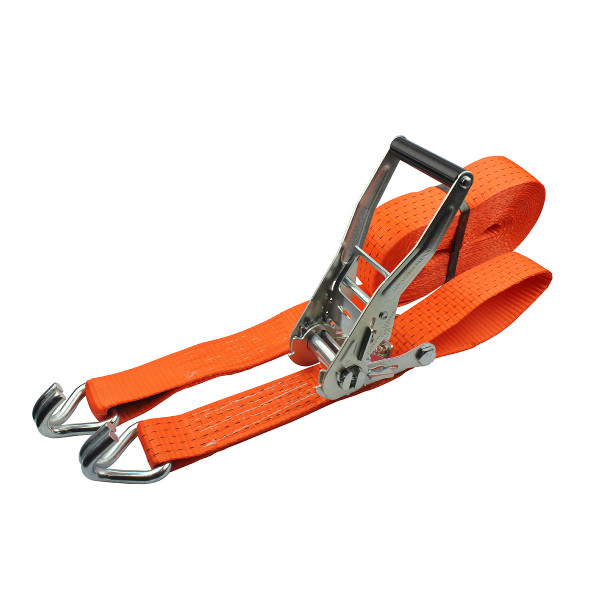
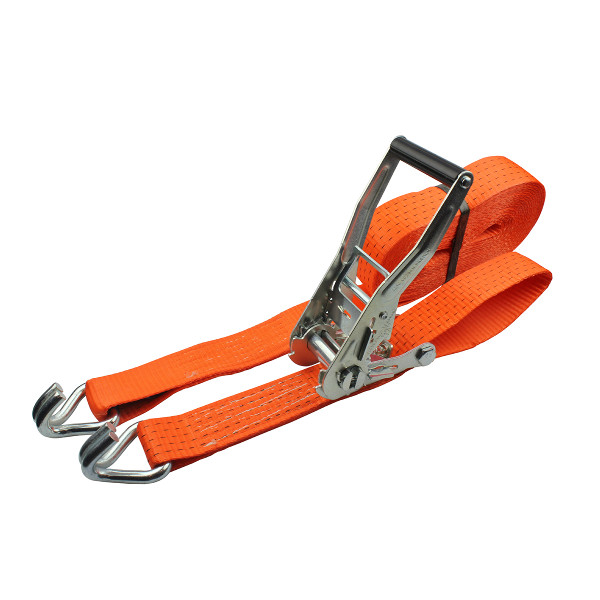
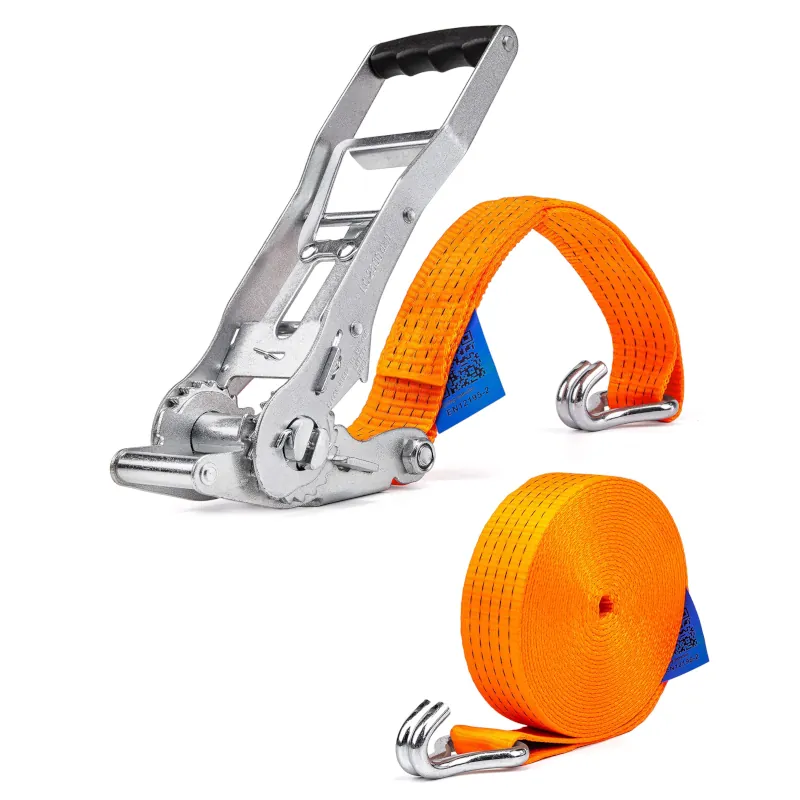
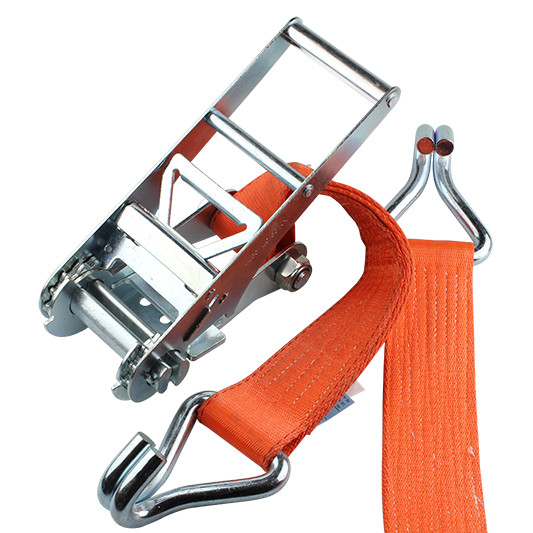
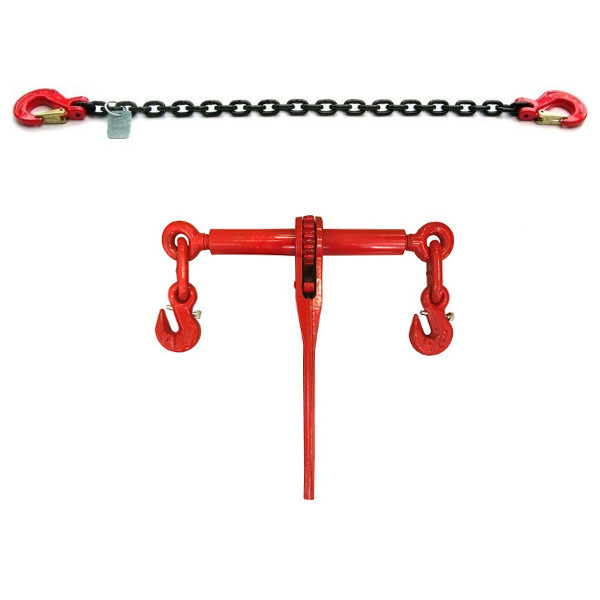
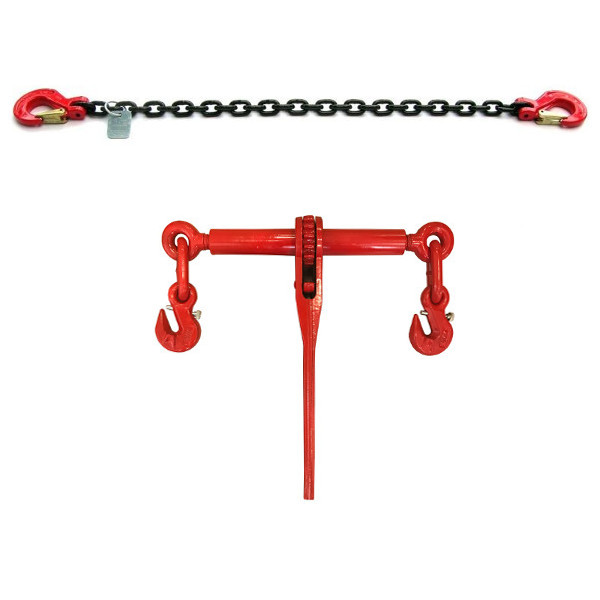
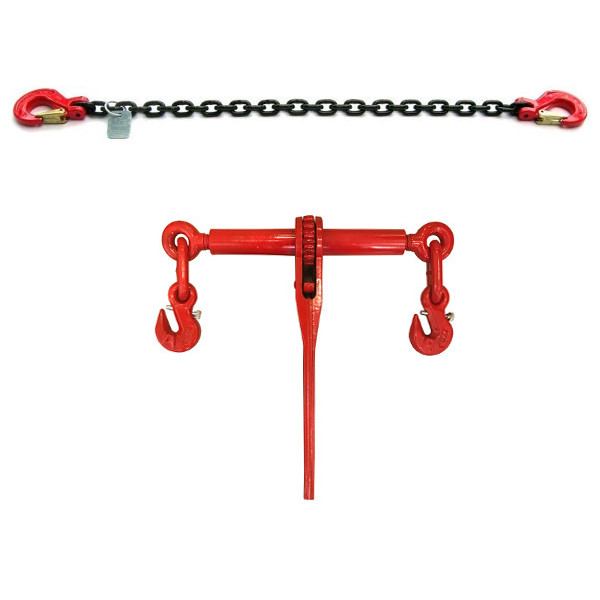
Applies to truck lashing straps and load restraint assemblies.
EN 12195-1:2010
Load restraining on road vehicles — Safety — Part 1: Calculation of securing forces
Specifies the methods for the calculation of the lashing forces required to restrain cargo on road vehicles — frictional and direct lashing — and gives the basis for determining the number of lashings needed for a given load and vehicle.
EN 12195-2:2000
Load restraint assemblies on road vehicles — Safety — Part 2: Web lashing made from man-made fibres
Specifies the safety requirements, rating and testing of web lashings made of man-made fibres — lashing straps with tensioning devices and end fittings — used for securing loads on road vehicles, including the lashing capacity (LC), standard tension force (STF) and the required label.
Machinery safety — all products
Horizontal standard applied in the risk assessment of every machine we supply, supporting CE marking under the Machinery Directive 2006/42/EC.
EN ISO 12100:2010
Safety of machinery — General principles for design — Risk assessment and risk reduction
Specifies basic terminology, principles and a methodology for achieving safety in the design of machinery. It specifies principles of risk assessment and risk reduction to help designers identify hazards, estimate and evaluate risks during relevant phases of the machine life cycle, and to eliminate hazards or provide sufficient risk reduction. This type-A standard underpins the CE conformity of every machine we supply under the Machinery Directive 2006/42/EC.
Standard titles and scope descriptions follow the official CEN wording.
The full texts of the standards are available from CEN members
(national standardisation bodies). If you need the EU declaration of
conformity for a specific product, please
contact us.
No image available
Attributes
No attributes available.
Shipping estimate
This product—
Weight—
Packaging—
Your cart—
Select your delivery country for an instant freight estimate.