






























































Back to catalog
Gantry Cranes
Mobile and fixed gantry cranes for lifting where no overhead structure exists — adjustable heights and spans for workshops and service work.


How to choose a gantry crane
A gantry crane brings the lifting point to the load instead of the other way around — there is no need for a runway, a foundation or any overhead structure. That makes gantries the go-to solution for maintenance and service work, assembly halls that change layout, and lifting jobs spread across a site. The selection comes down to load capacity, the clear height and span you need under the beam, and whether the crane stays in one place or moves between jobs.
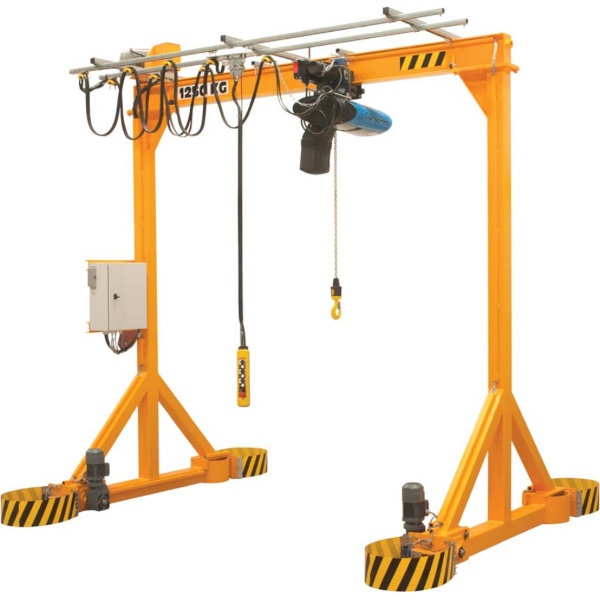
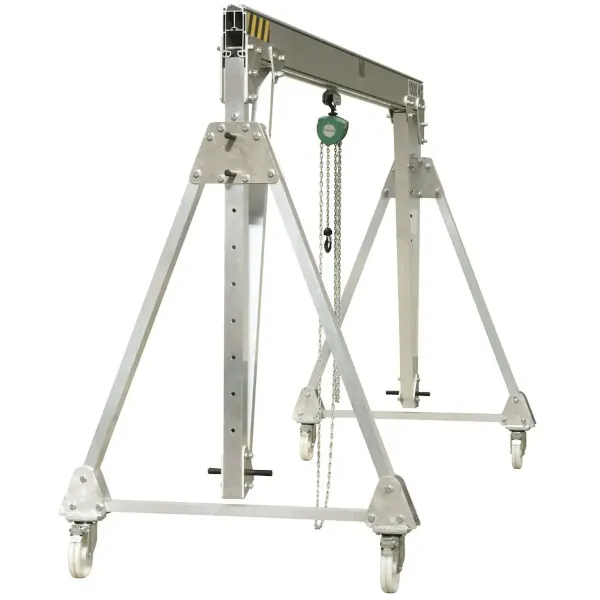
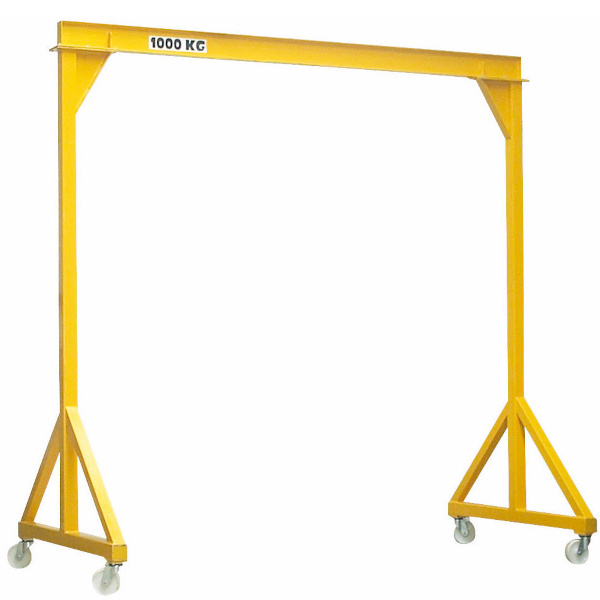
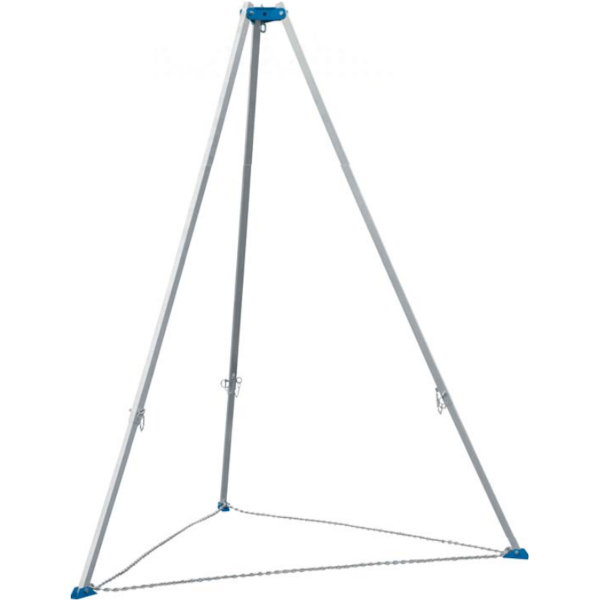
The mobile gantry crane CMPD covers 500 to 5000 kg on castors and is the standard choice for workshops. Where the crane is moved frequently or must be transported between sites, the aluminium gantry APPD weighs a fraction of a steel gantry and can be dismantled and reassembled by hand. The motorised gantry MCPD adds powered travel for long halls and repetitive transport tasks, and the tripod gantry SATR packs the smallest footprint for service interventions such as pump and shaft lifting.
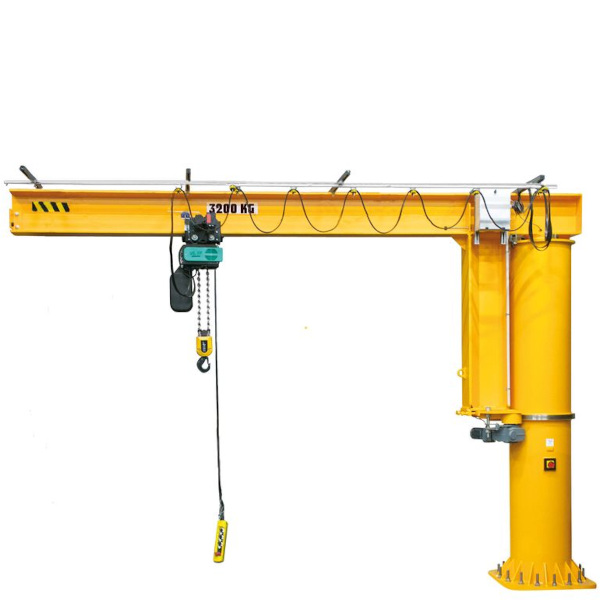
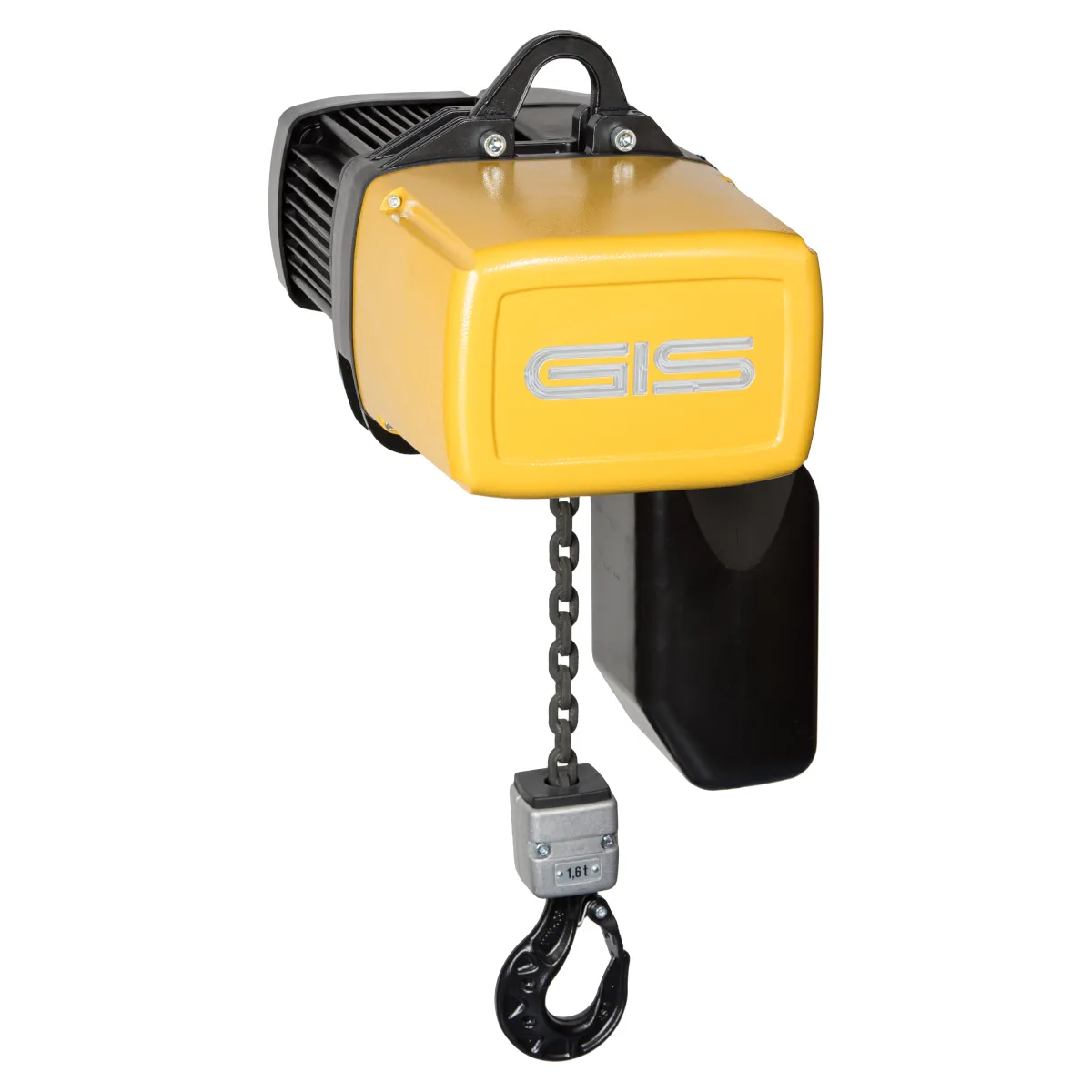
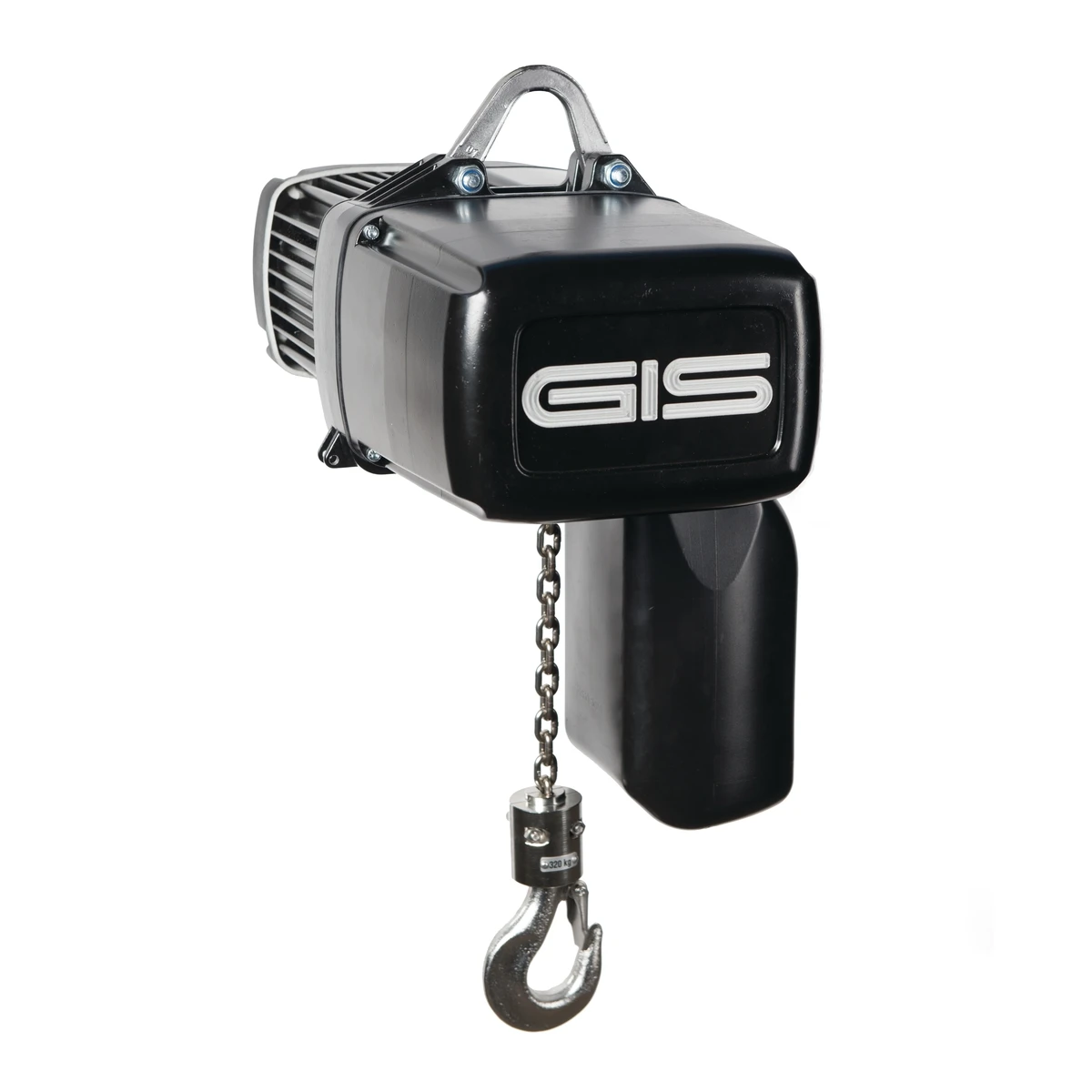
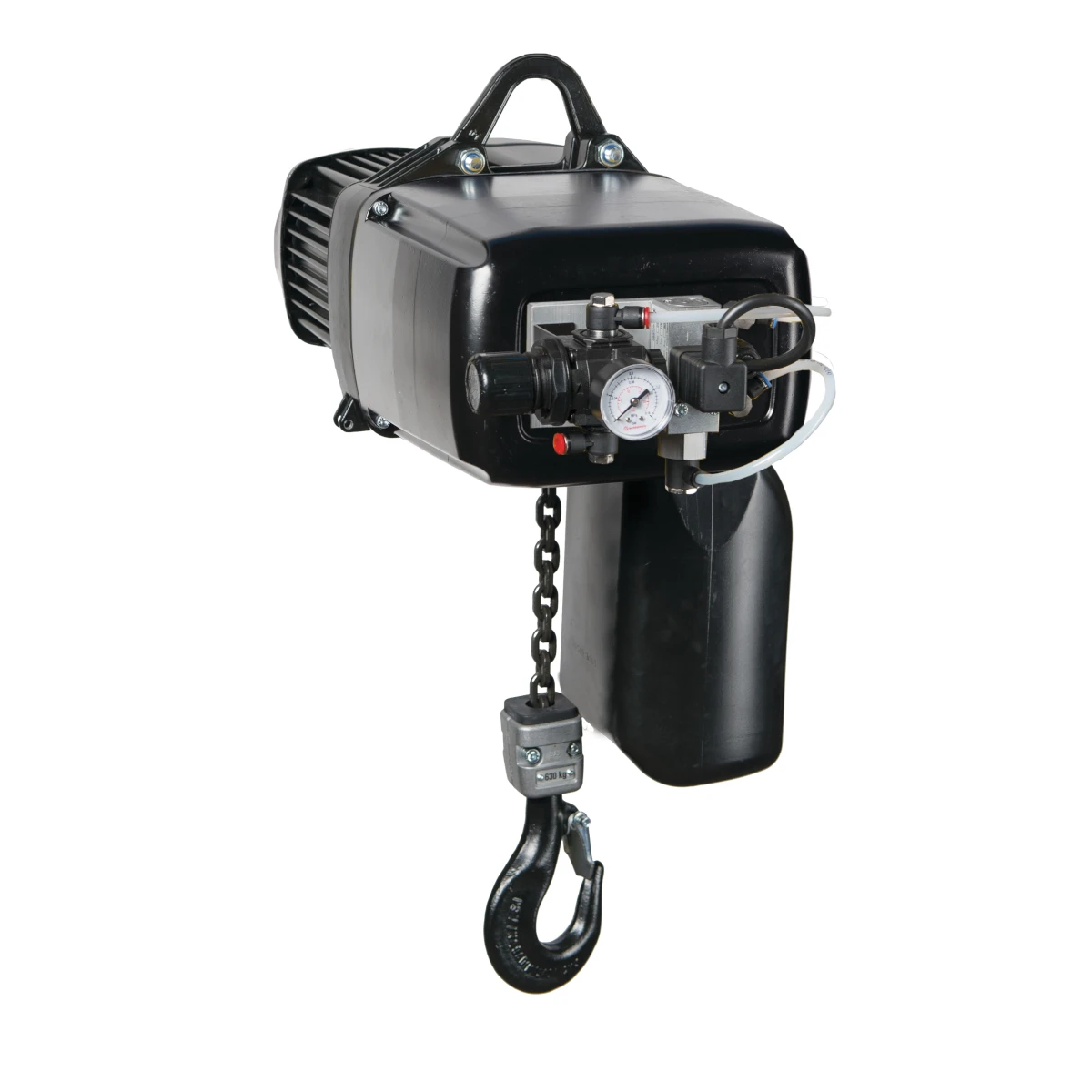
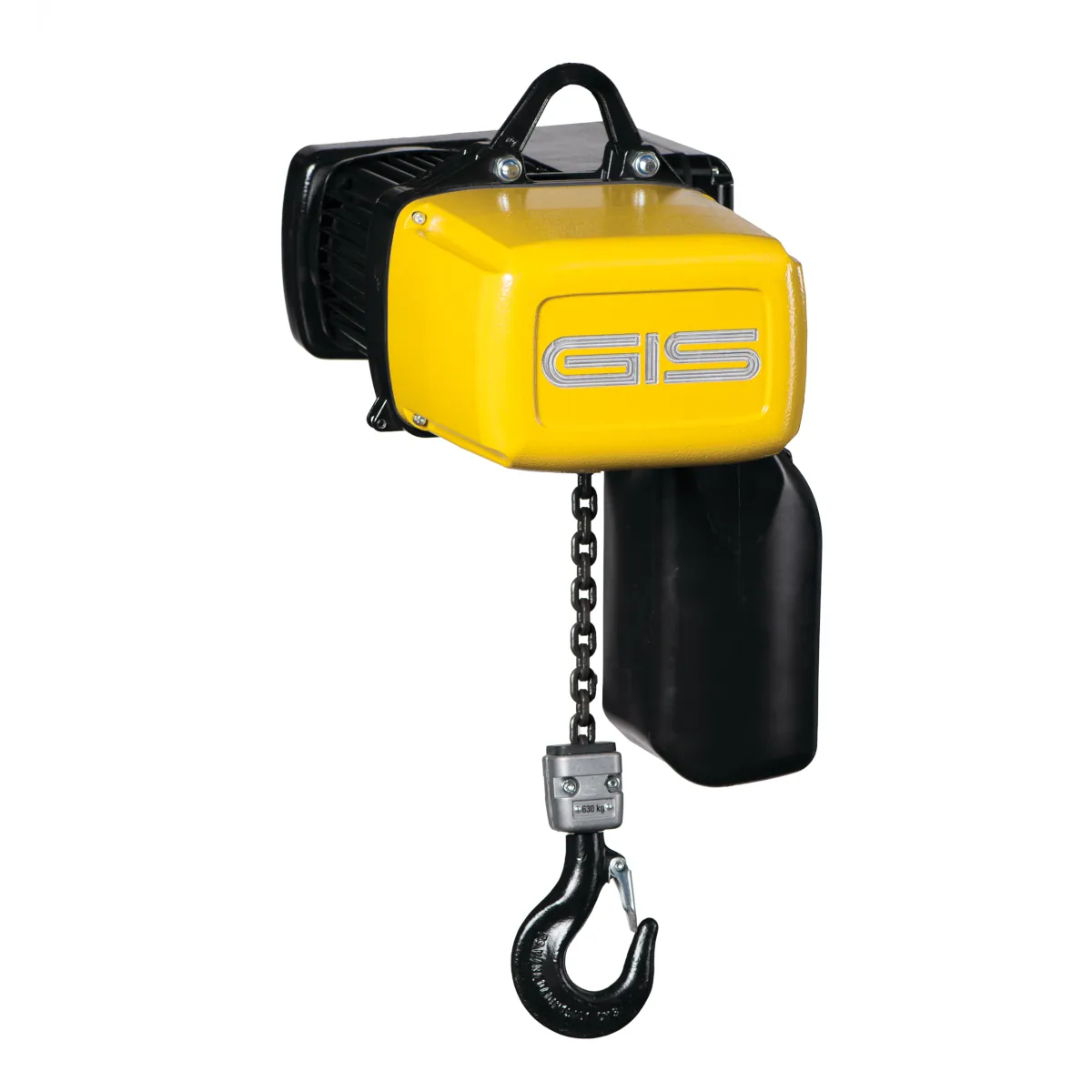
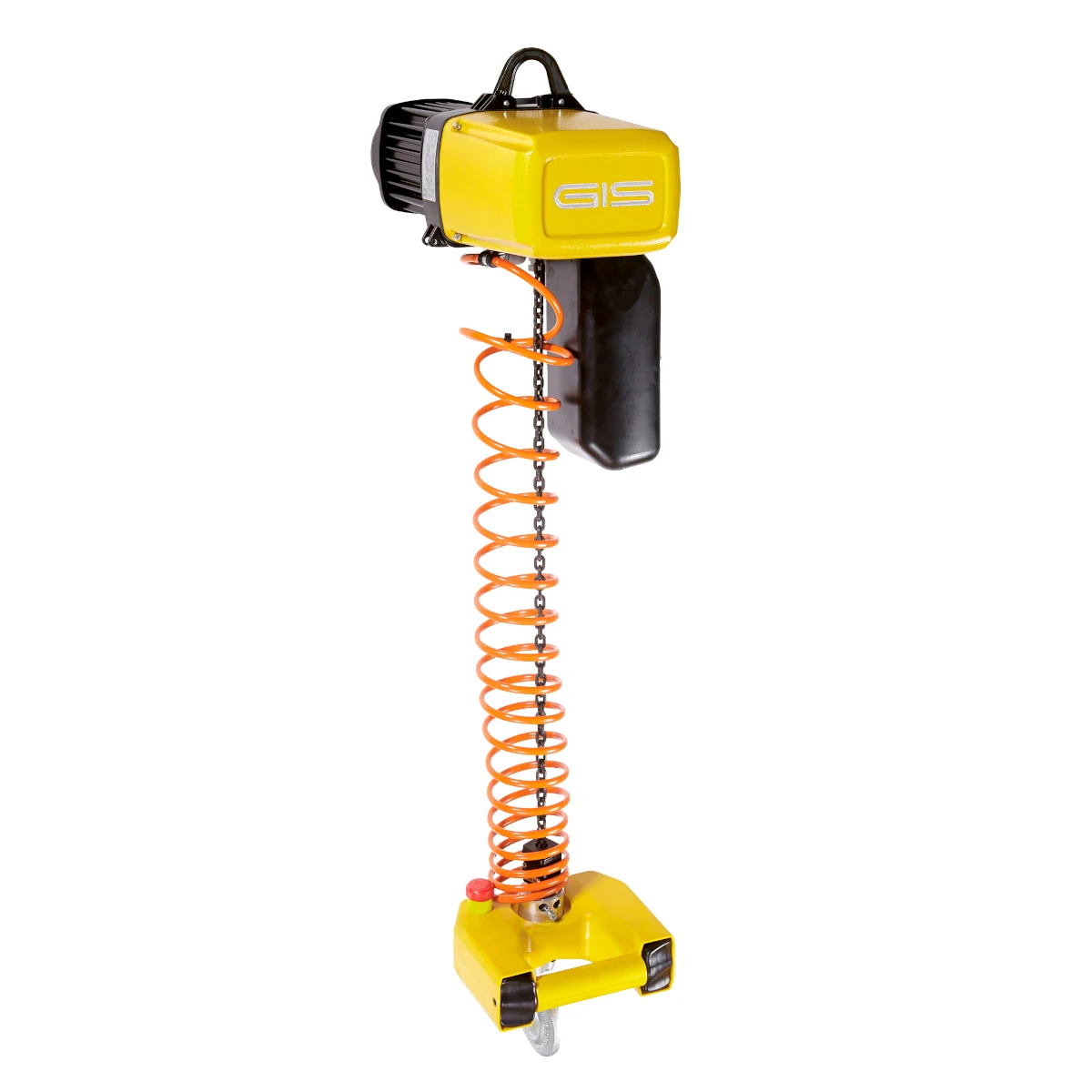
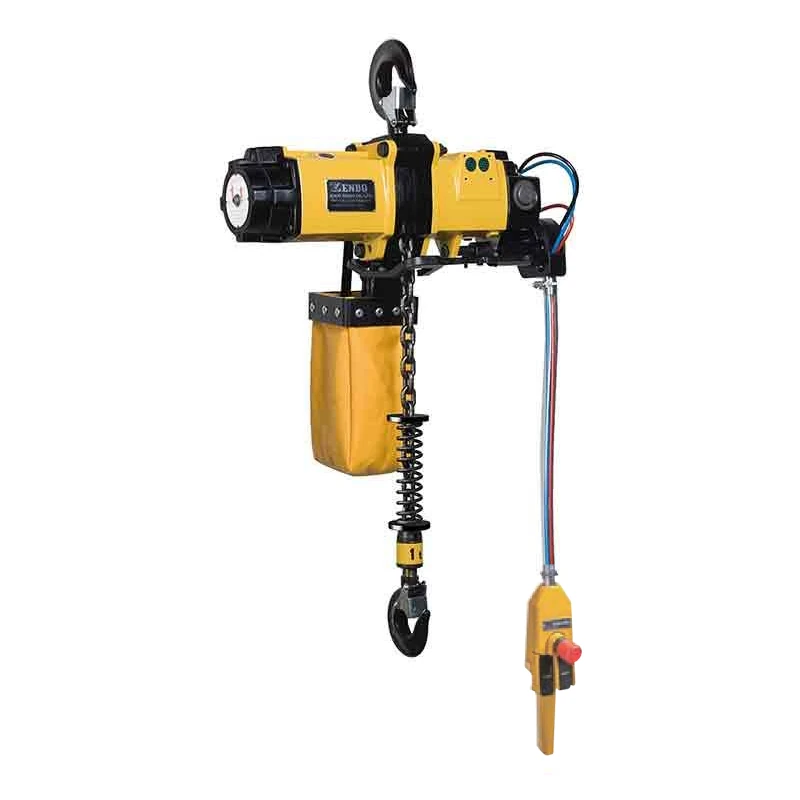
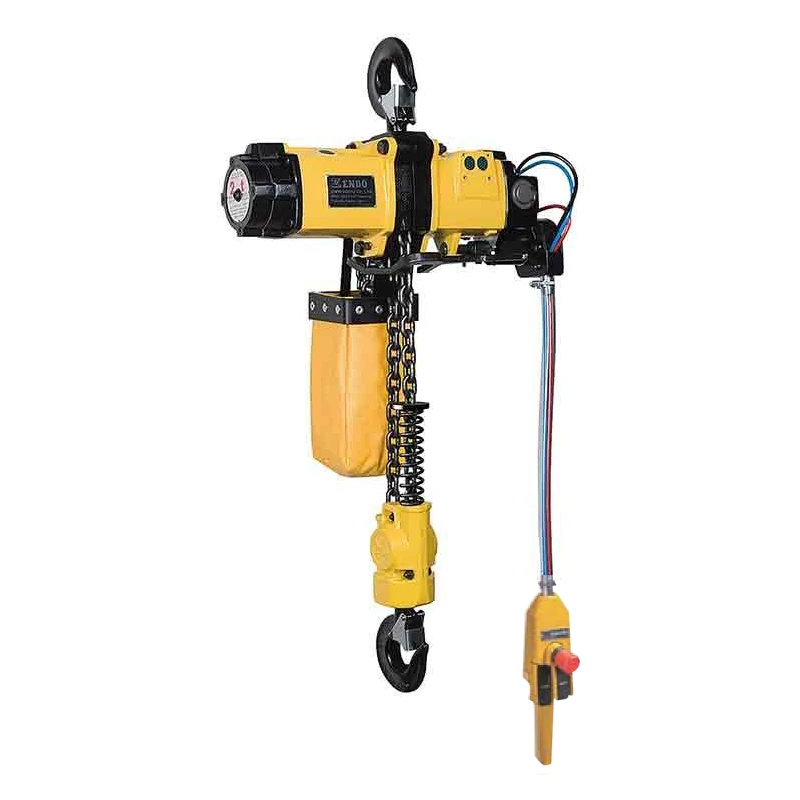
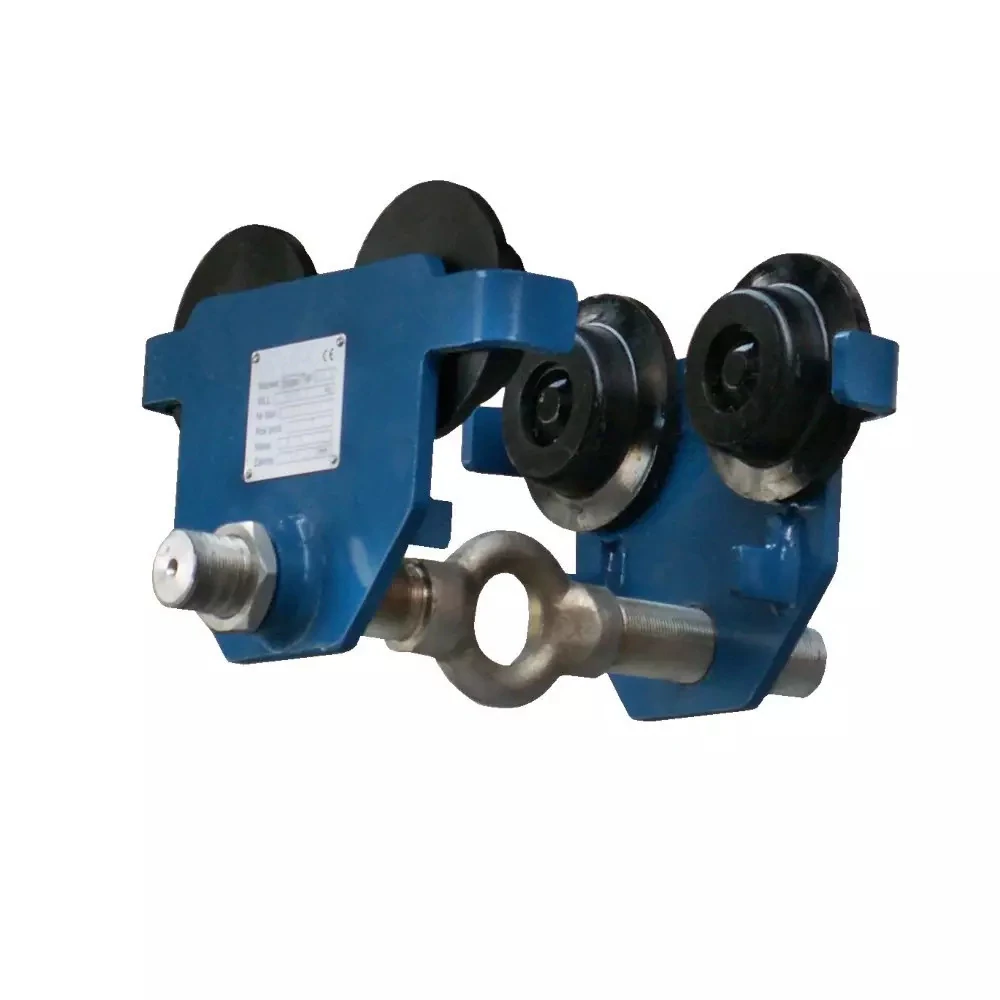
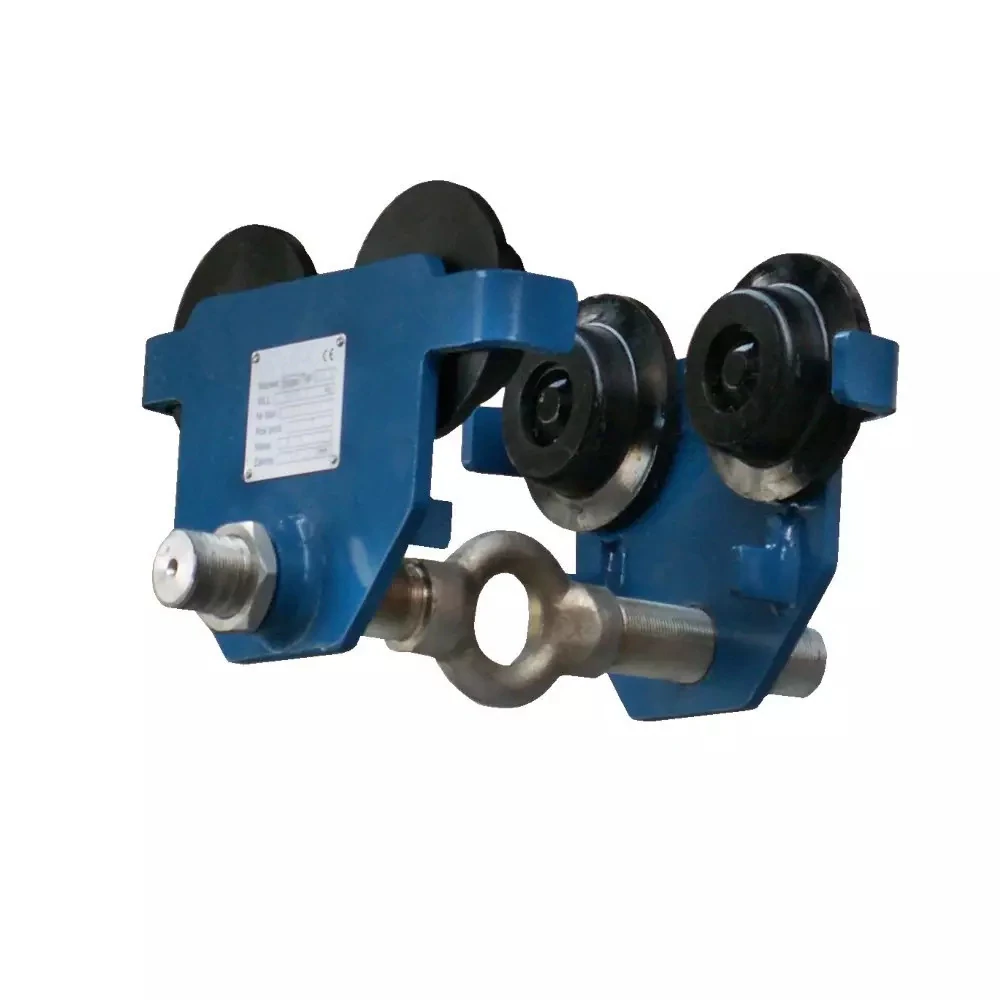
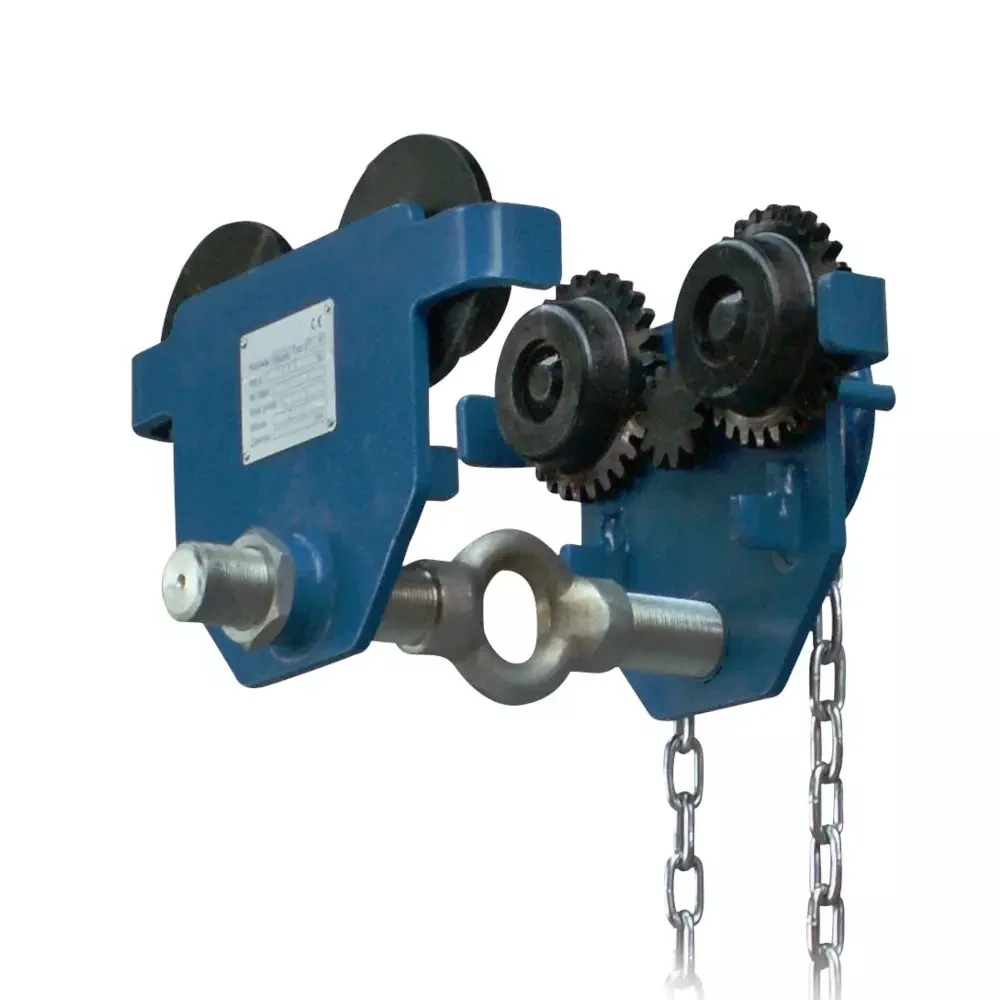
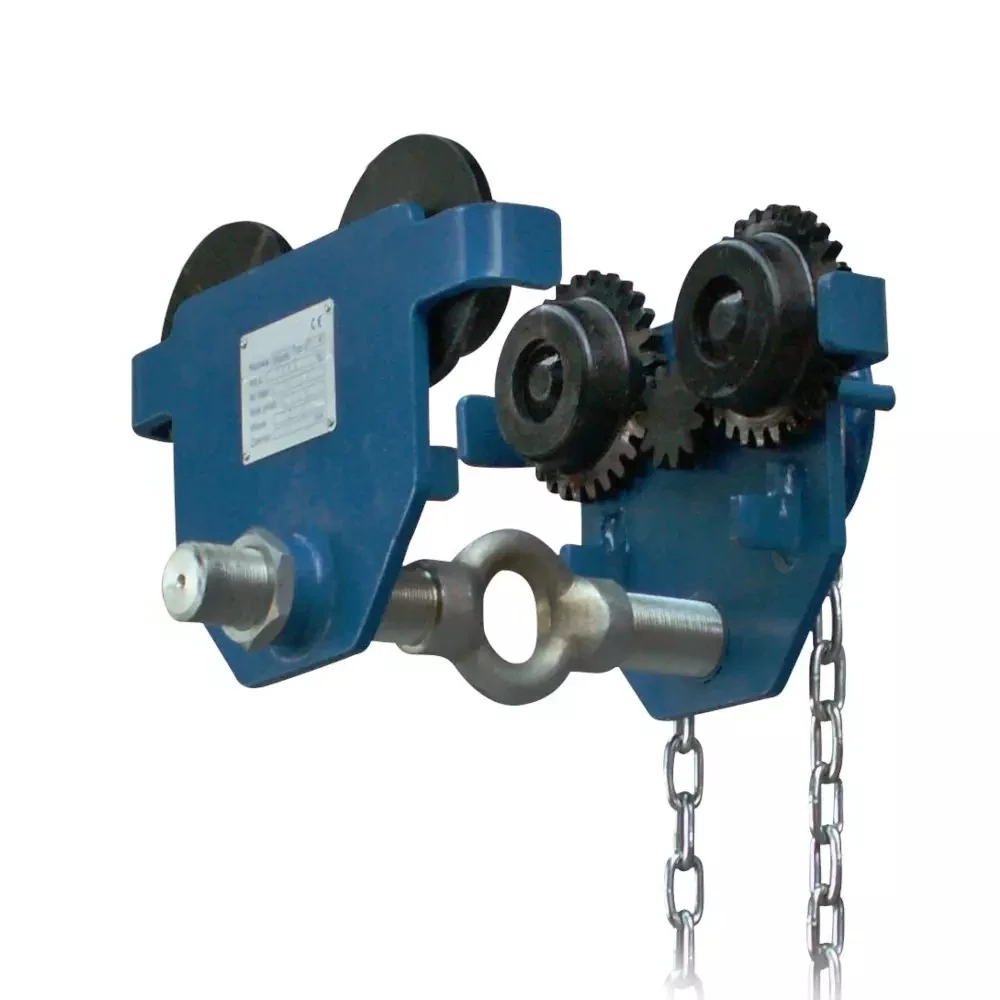
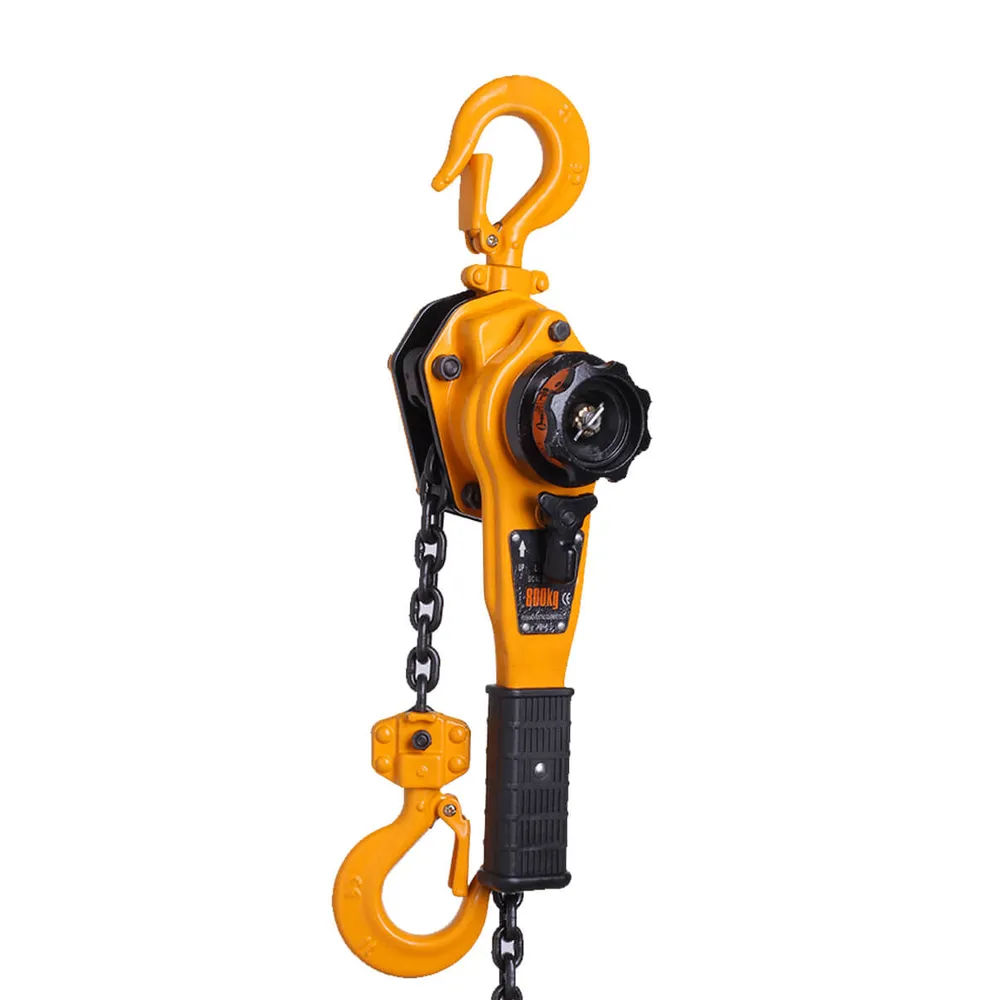
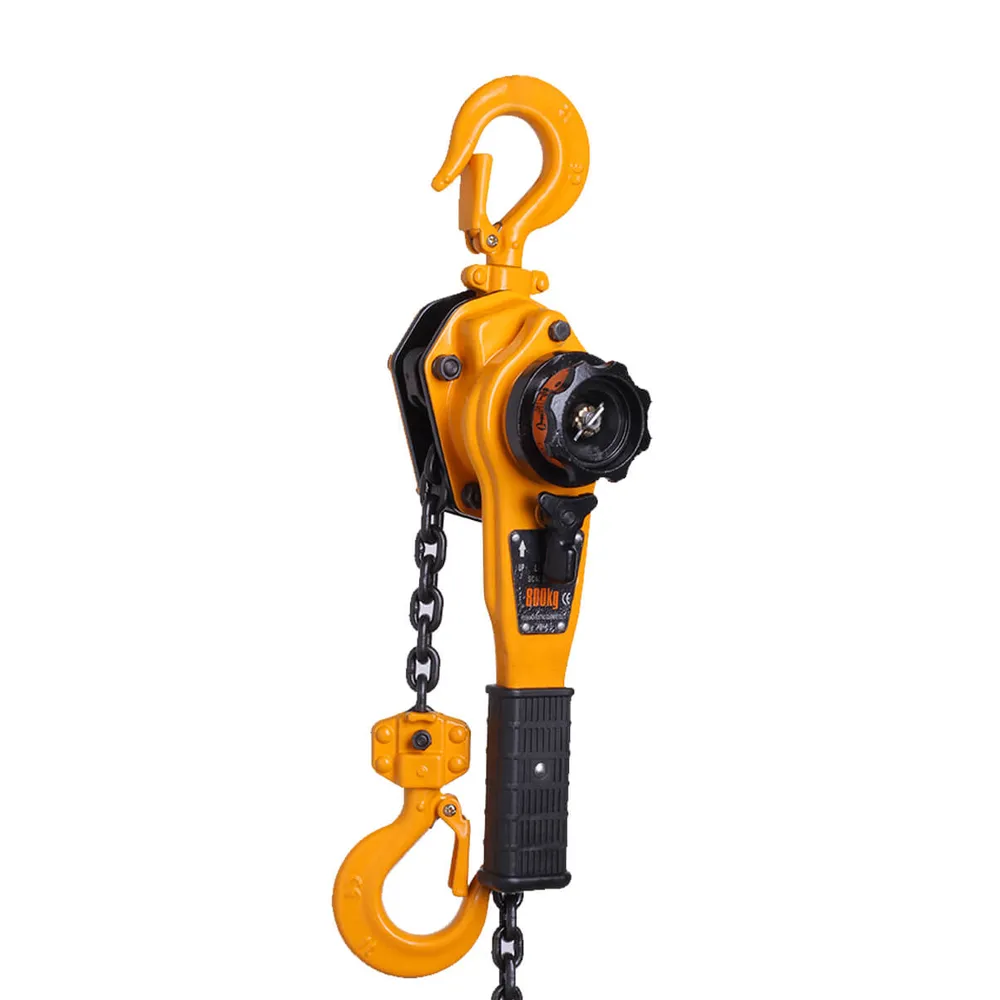
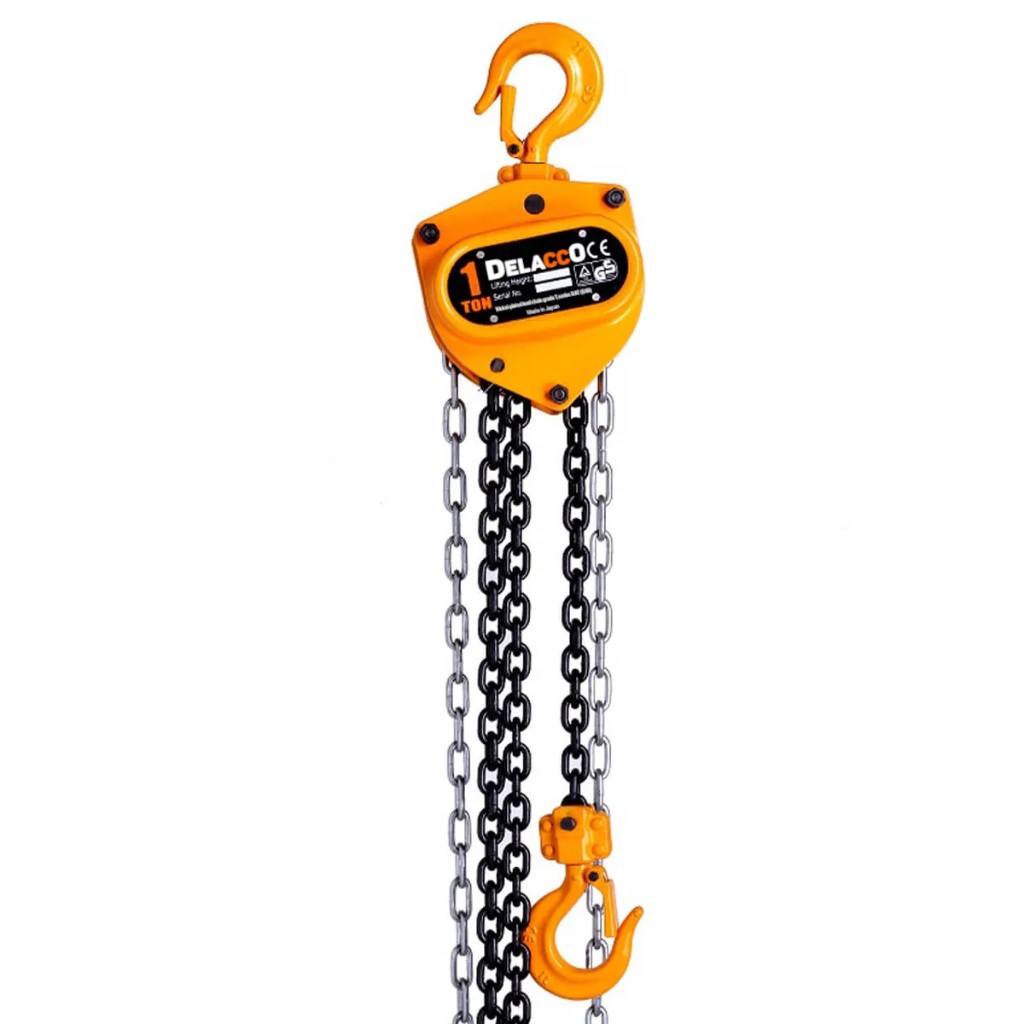
A gantry is completed with a trolley and hoist on the beam — usually a manual chain block or an electric chain hoist, depending on the duty. If your lifting stays at one workstation instead of moving around, compare with a pillar jib crane. Contact us with the load, the required height under the hook and the doorway or transport constraints, and we will recommend the right gantry and hoist combination.
Frequently asked questions
What capacities do gantry cranes cover?
The mobile CMPD series covers 500 to 5000 kg; aluminium, motorised and tripod models cover the lighter and specialised end of the range. Choose the capacity from the heaviest load you lift, and check the height under the beam against your tallest load plus the hoist's headroom.
Can a mobile gantry crane be moved while carrying a load?
That depends on the specific model, the castors and the floor, and it is defined in each crane's documentation — as a rule, moving under load is only permitted where the manufacturer explicitly allows it, at walking speed on a flat, level floor. Tell us how you plan to use the crane and we will confirm what the chosen model permits.
Steel or aluminium gantry — how do I decide?
Steel gantries (CMPD) are the economical choice for capacities up to 5000 kg that mostly stay in one hall. An aluminium gantry (APPD) costs more per kilogram of capacity but weighs far less, dismantles quickly and travels in a van — the usual pick for service teams working across several sites.
Does a gantry crane need a foundation or fixed installation?
No — that is the point of a gantry: it stands on its own legs on any sufficiently firm, level industrial floor, with no runway, foundation or building attachment. Height-adjustable models adapt to different door and ceiling clearances.
Which hoist goes on a gantry crane?
A trolley running on the beam carries either a manual chain block or an electric chain hoist, sized to the gantry's rated capacity. For frequent lifting an electric hoist pays off quickly; for occasional service work a chain block keeps the setup simple and independent of a power supply.
How quickly can a gantry crane be delivered?
Gantry cranes are supplied in the configuration you select (capacity, span, height, trolley and hoist). Request a quote on the product page and we will confirm the current lead time and delivery cost for your location.