




Back to catalog
Electric Chain Hoists
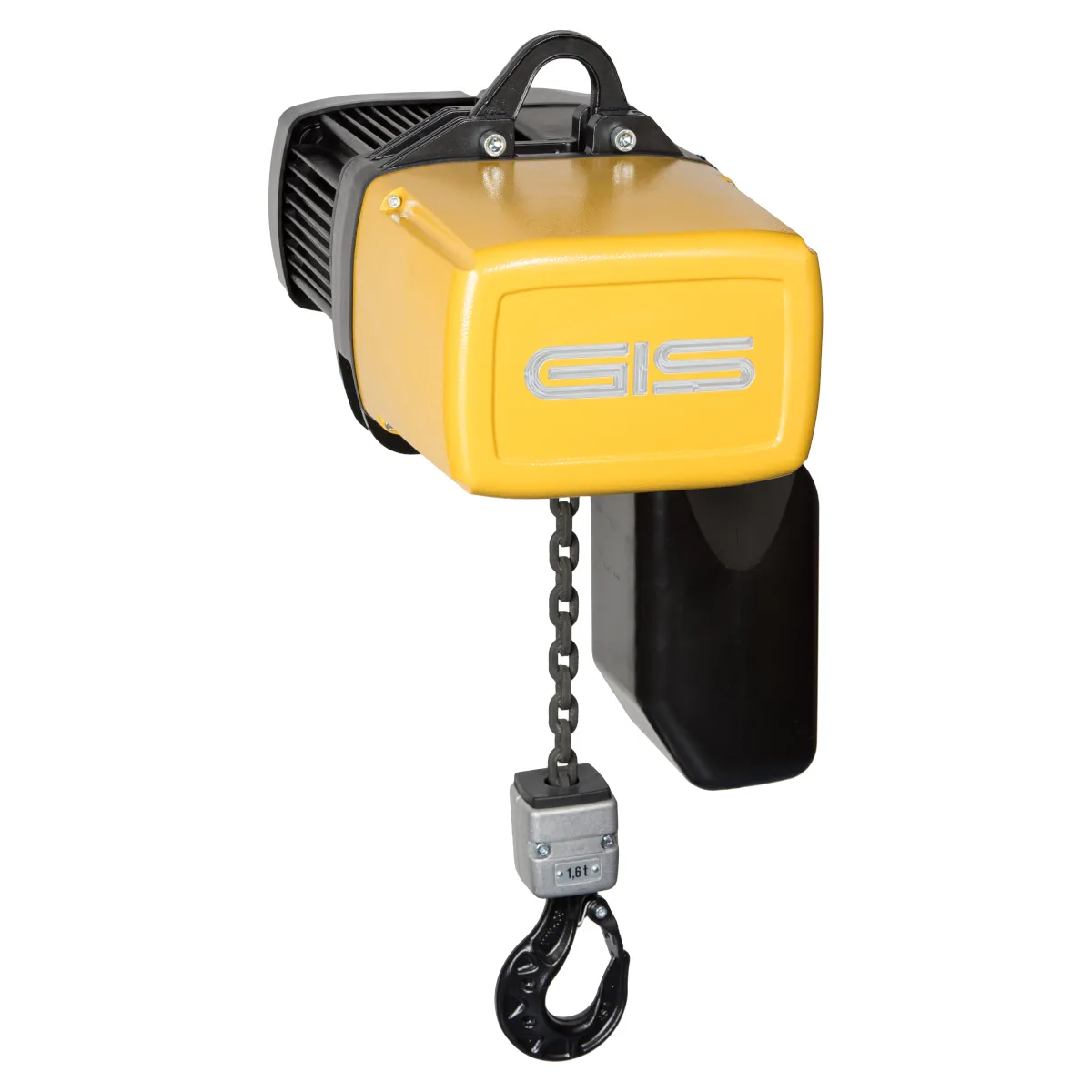
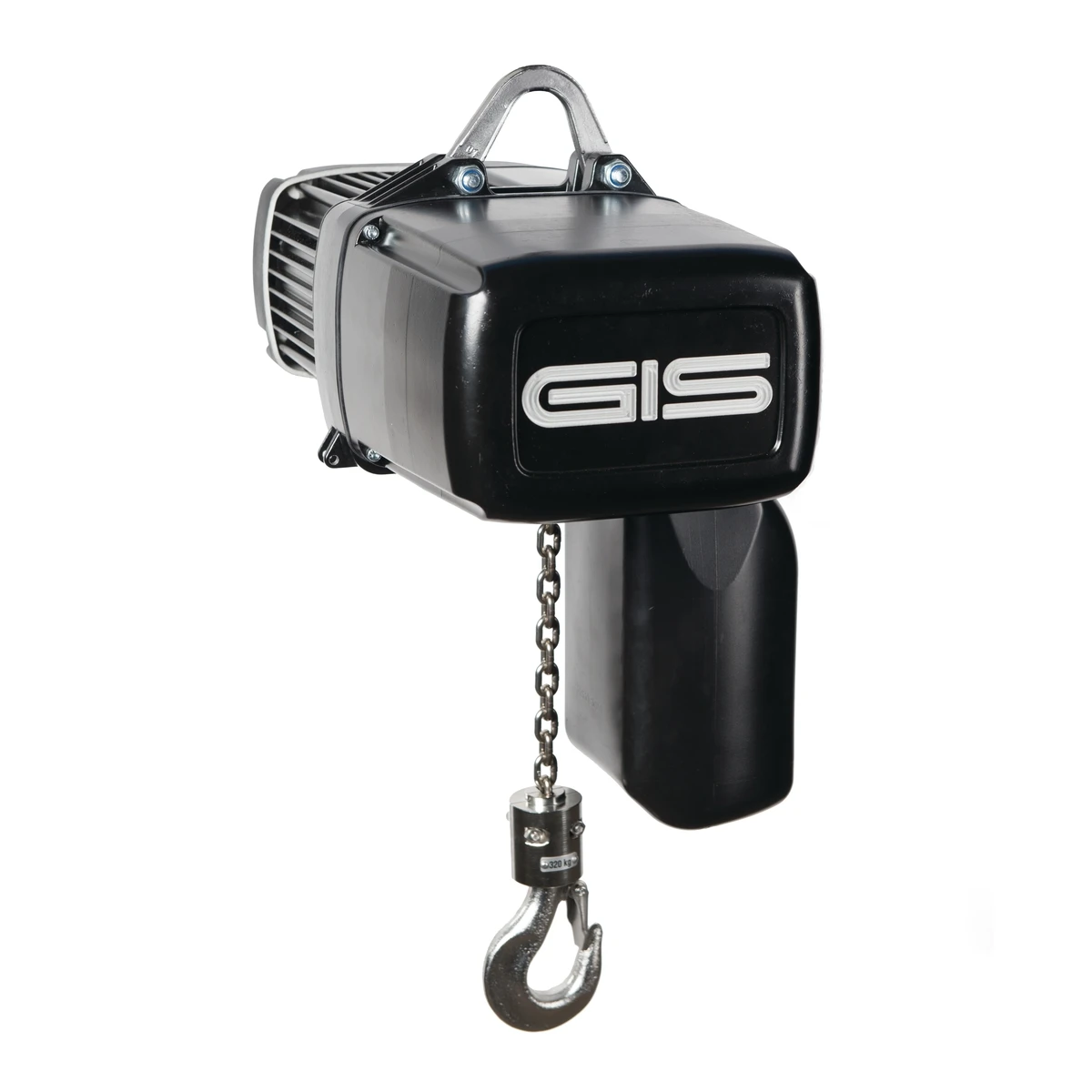
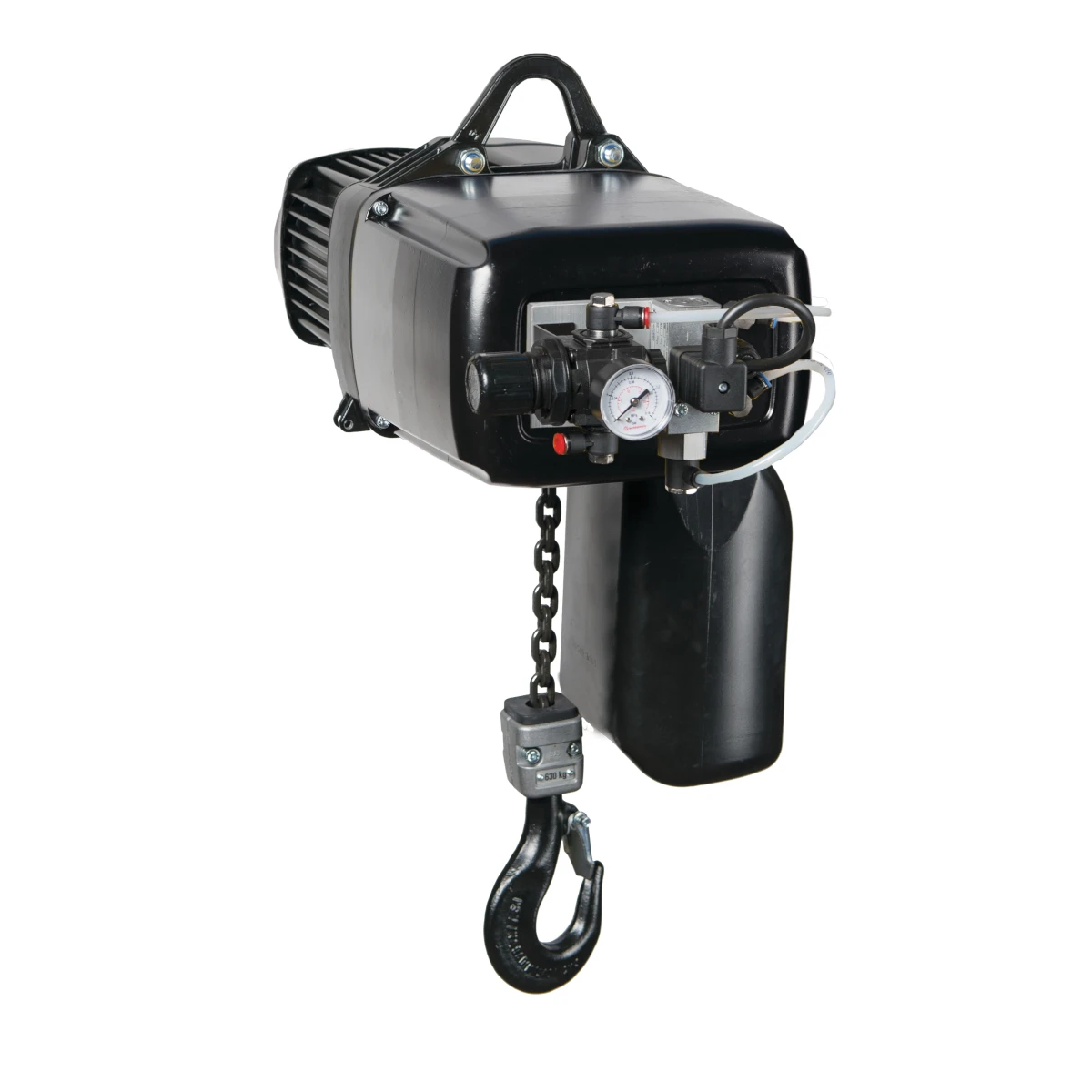
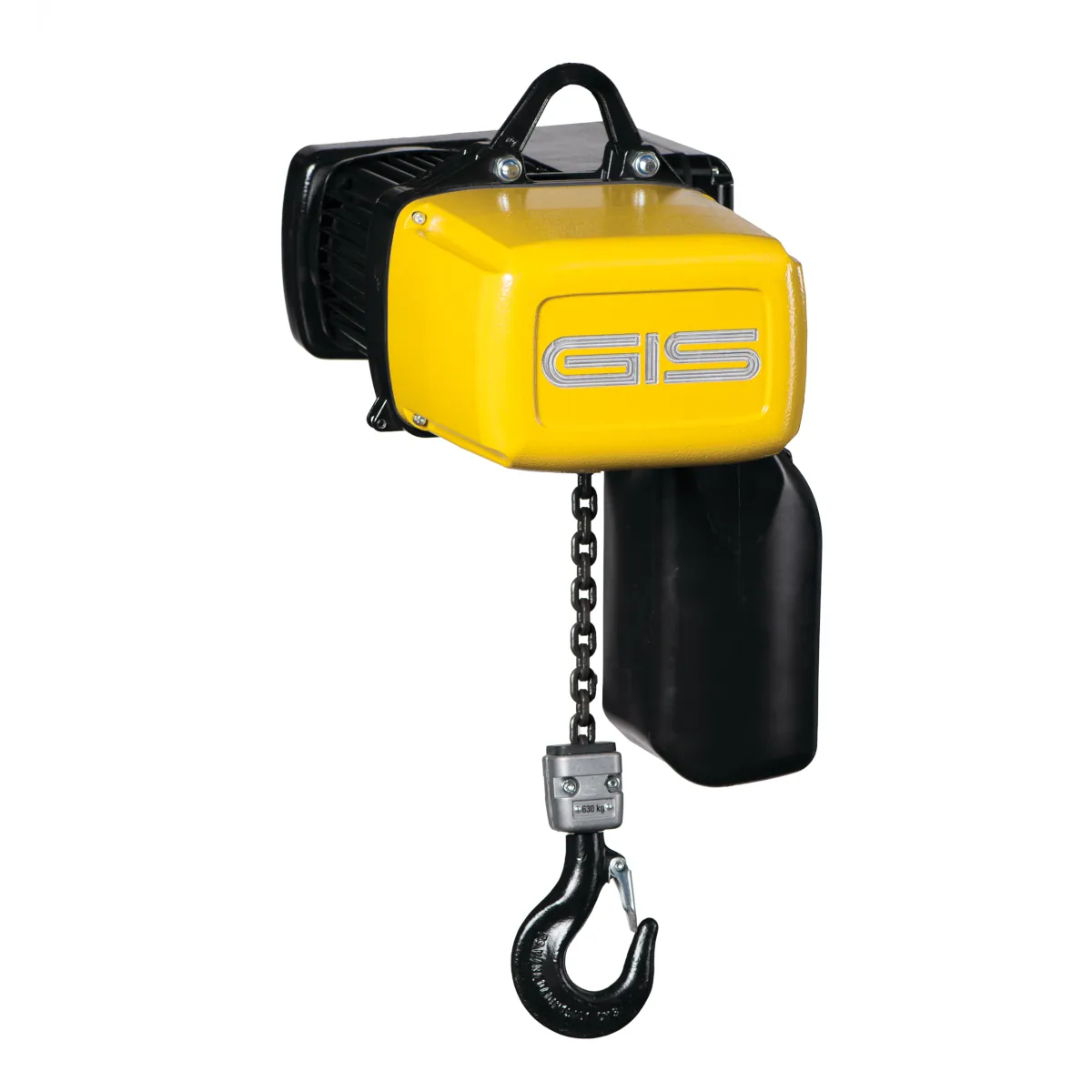
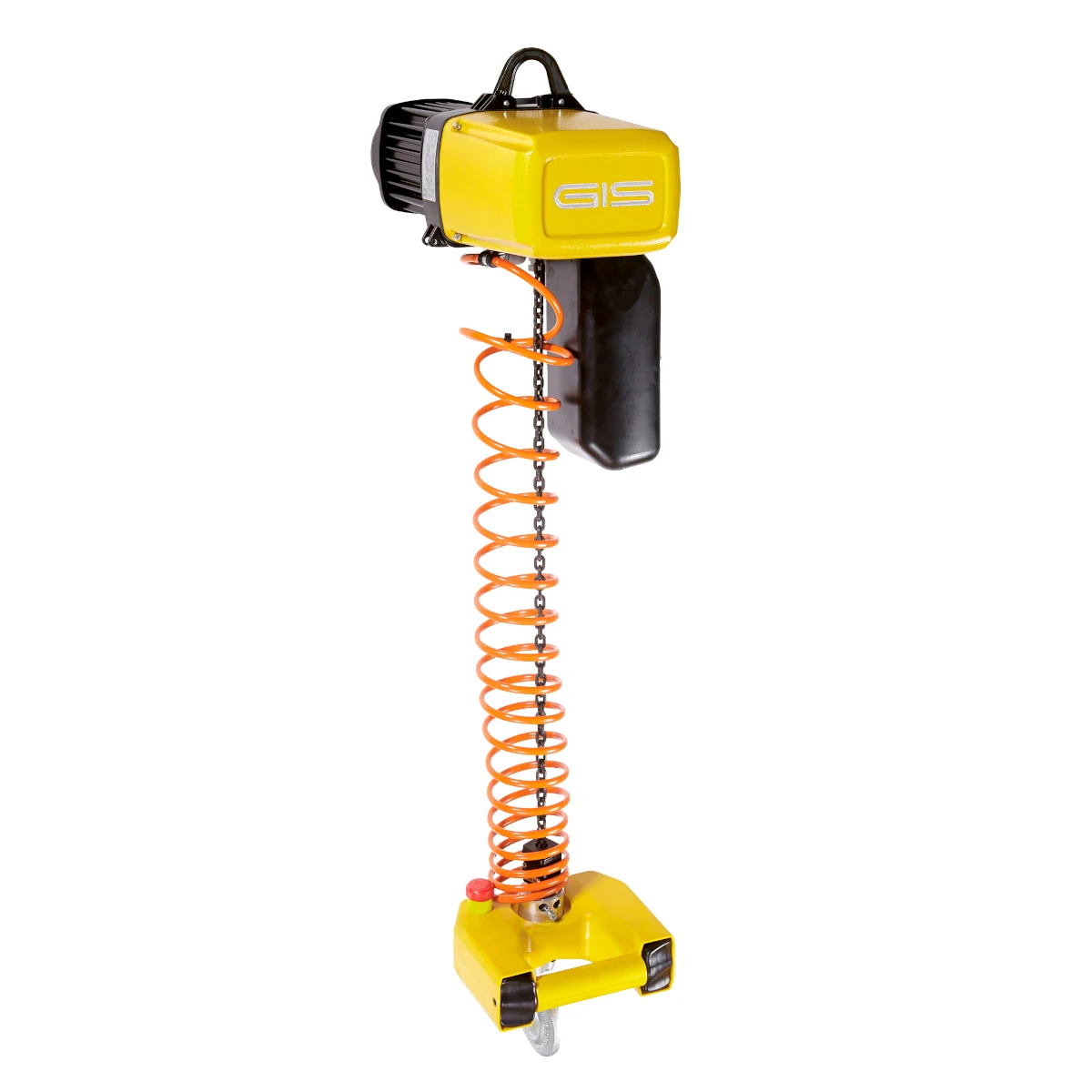
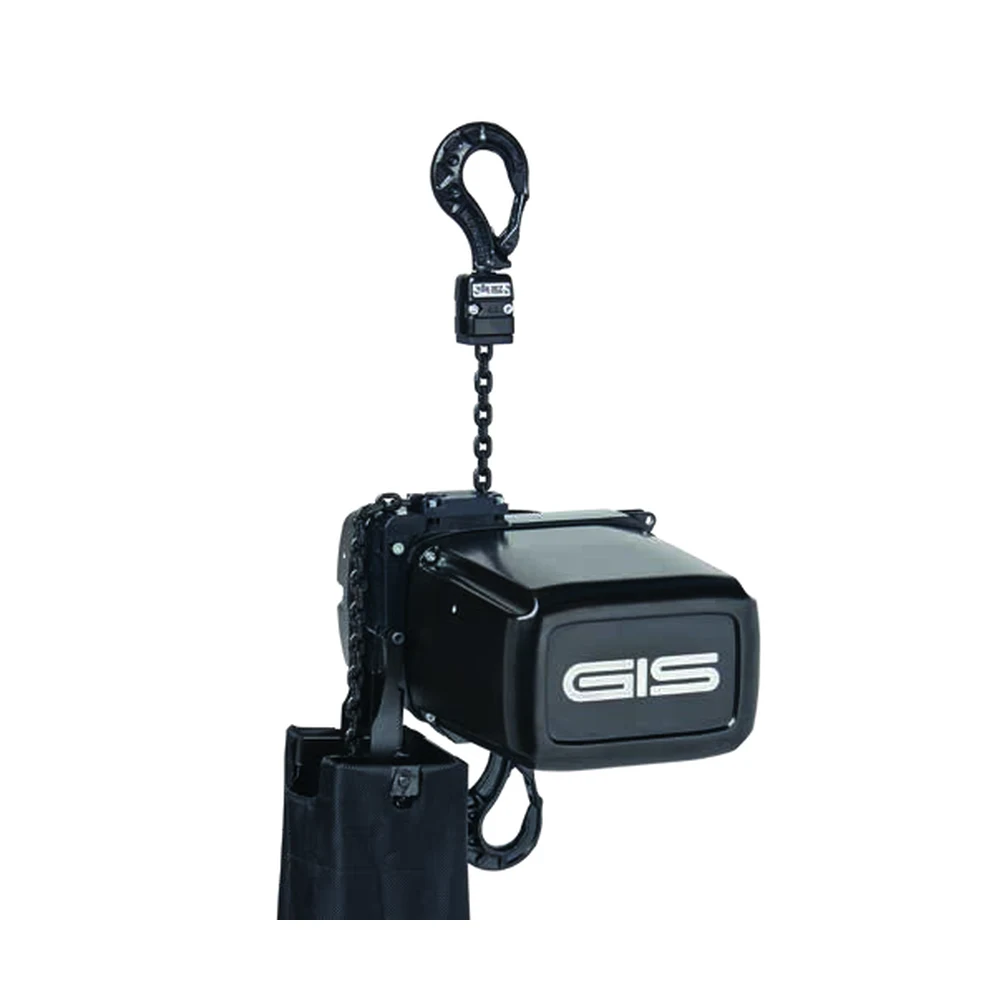
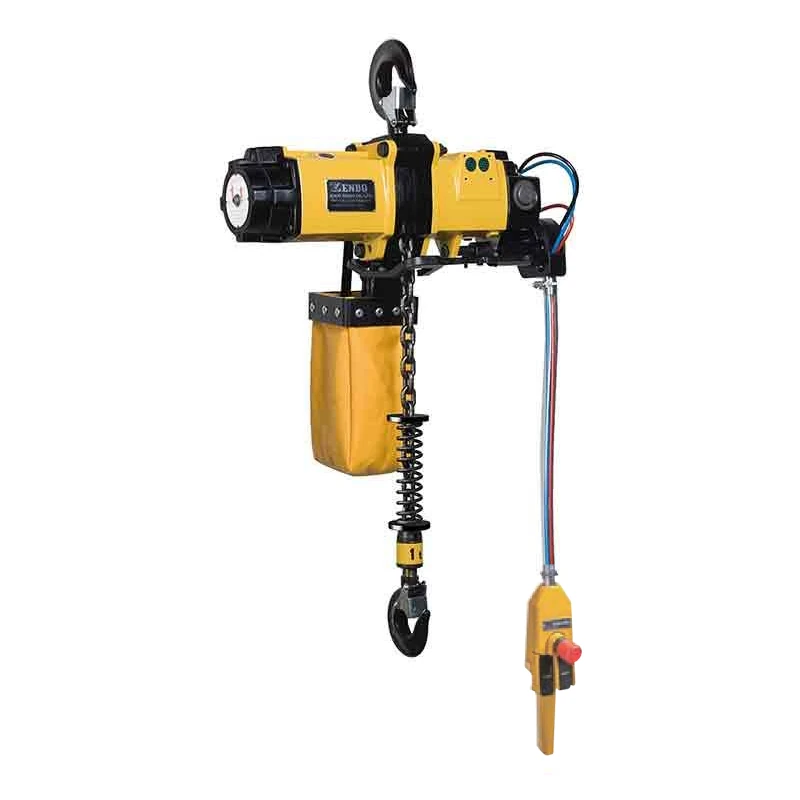
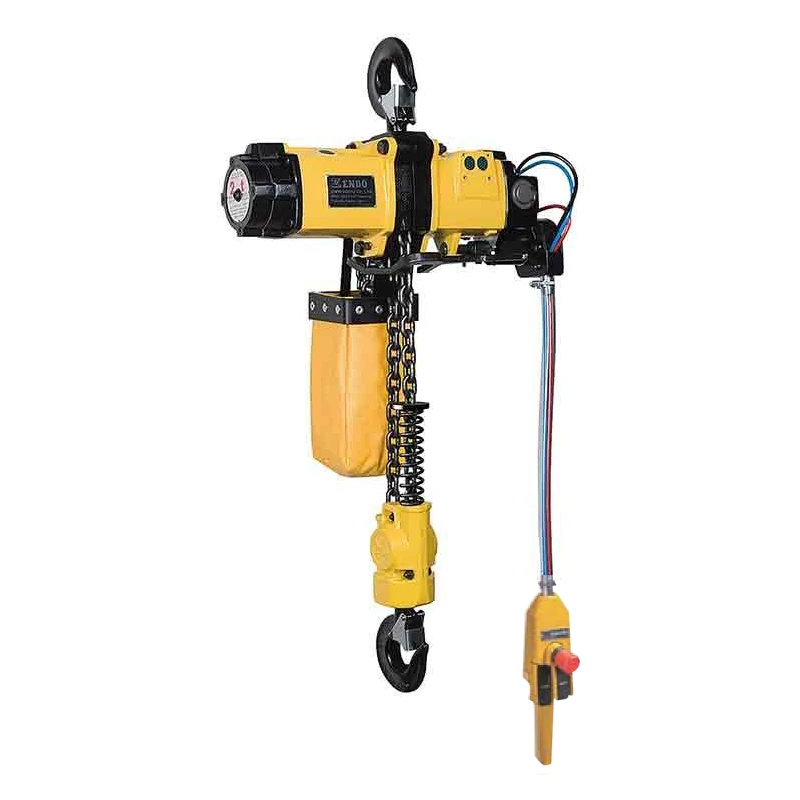
Electric chain hoists for capacities from 100 kg to 6300 kg, with one or two lifting speeds and options for trolleys and remote control.


How to choose an electric chain hoist
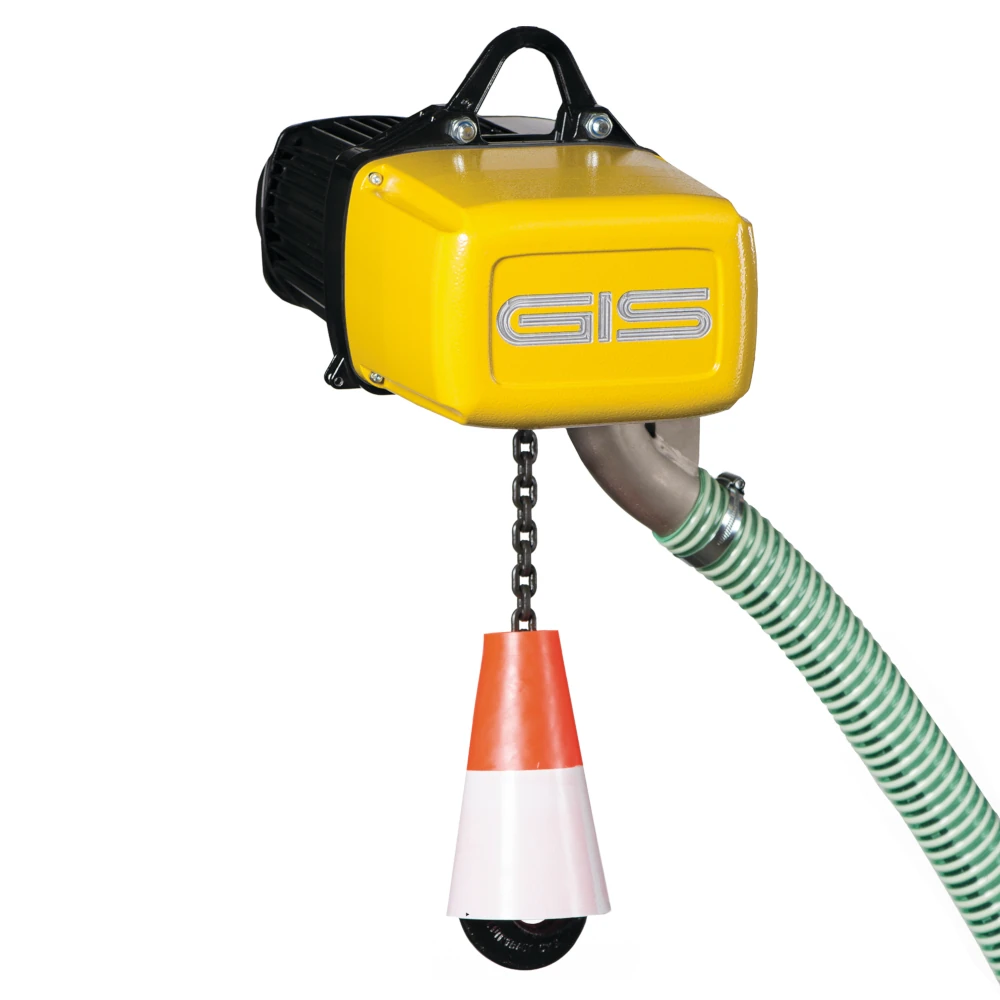
The right hoist comes down to four parameters: load capacity, hook path (lifting height), lifting speed and duty rating. Our range is built around the Swiss-made GIS GP series, covering capacities from 100 kg to 6300 kg with single- or dual-speed lifting and duty ratings suited to intensive industrial use. Dual-speed models add a slow creep speed for precise load positioning — worth having whenever loads are placed onto fixtures, machines or vehicles.
For demanding environments there are dedicated variants: the GPR corrosion-resistant hoist for galvanizing plants, food processing and outdoor duty, the GP ATEX explosion-proof hoist for potentially explosive atmospheres, and the GPFU with frequency inverter for stepless, ultra-smooth lifting where sensitive loads or exact positioning are involved.
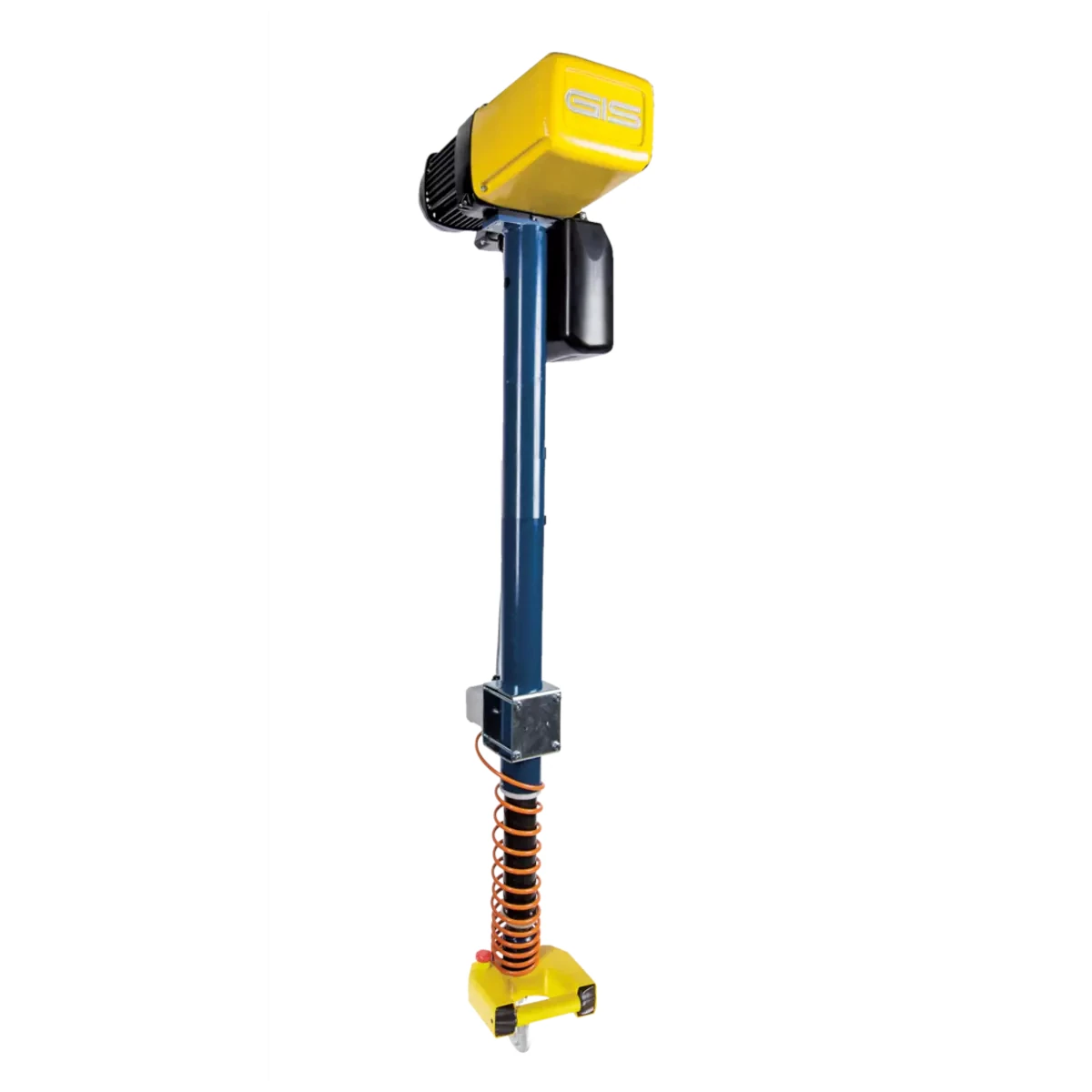
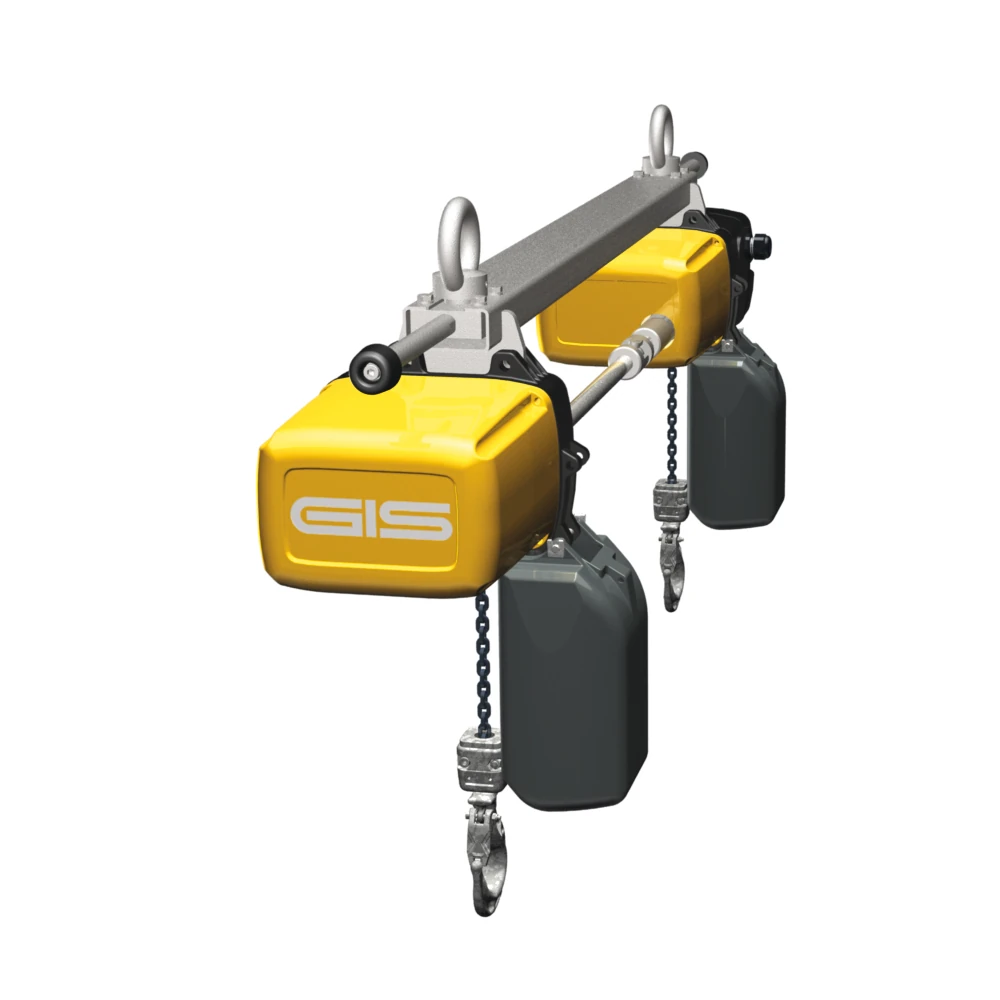
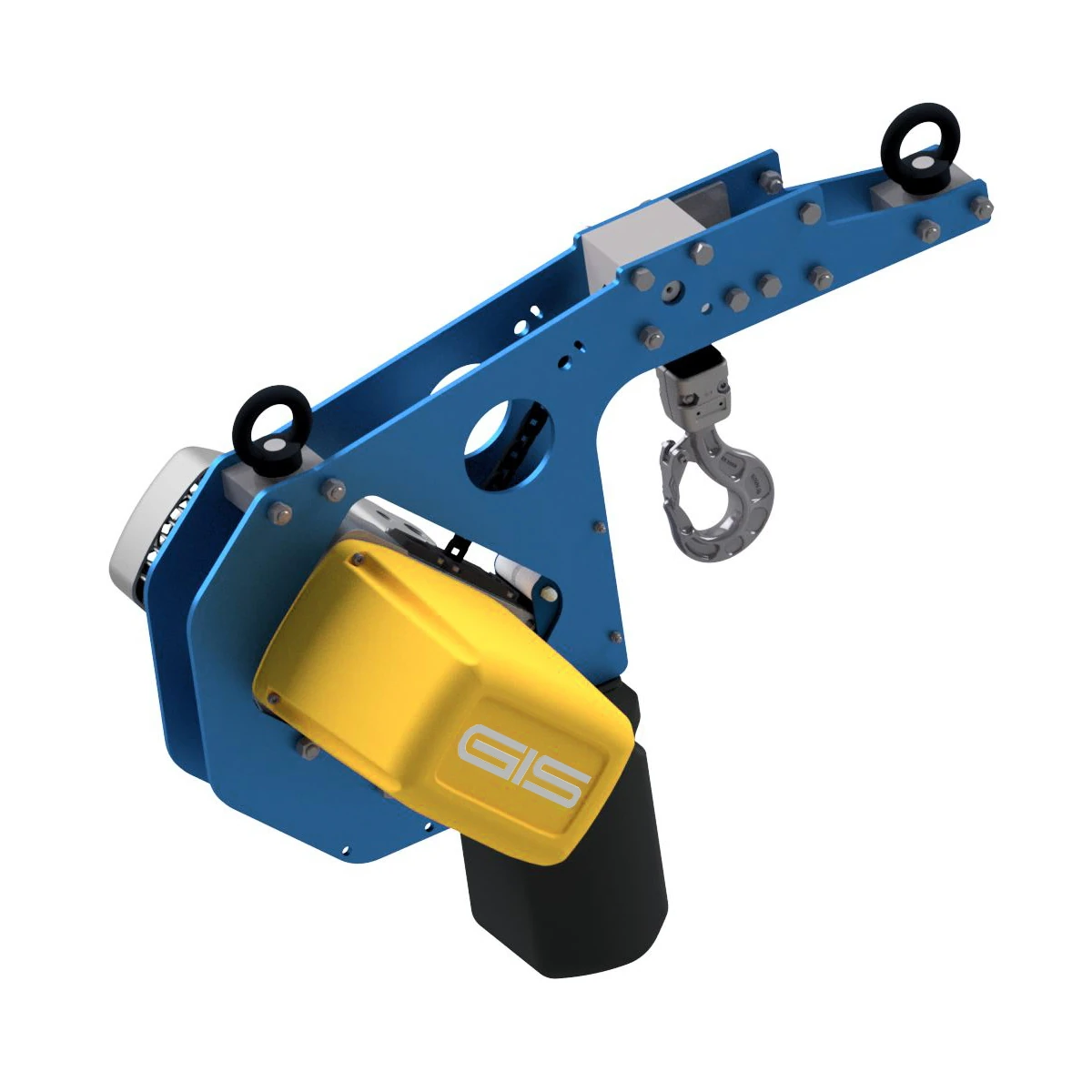
Where mains-independent or portable lifting is needed, the GPH Handy with manual handle and the GPHT telescope version are designed for service and assembly work. Specialised models round out the range: the GPS synchronised hoist for long and bulky loads, low-headroom GPK/GCHK units for restricted spaces, the GPW series for wind turbines and the LP entertainment hoist for stage and event rigging.
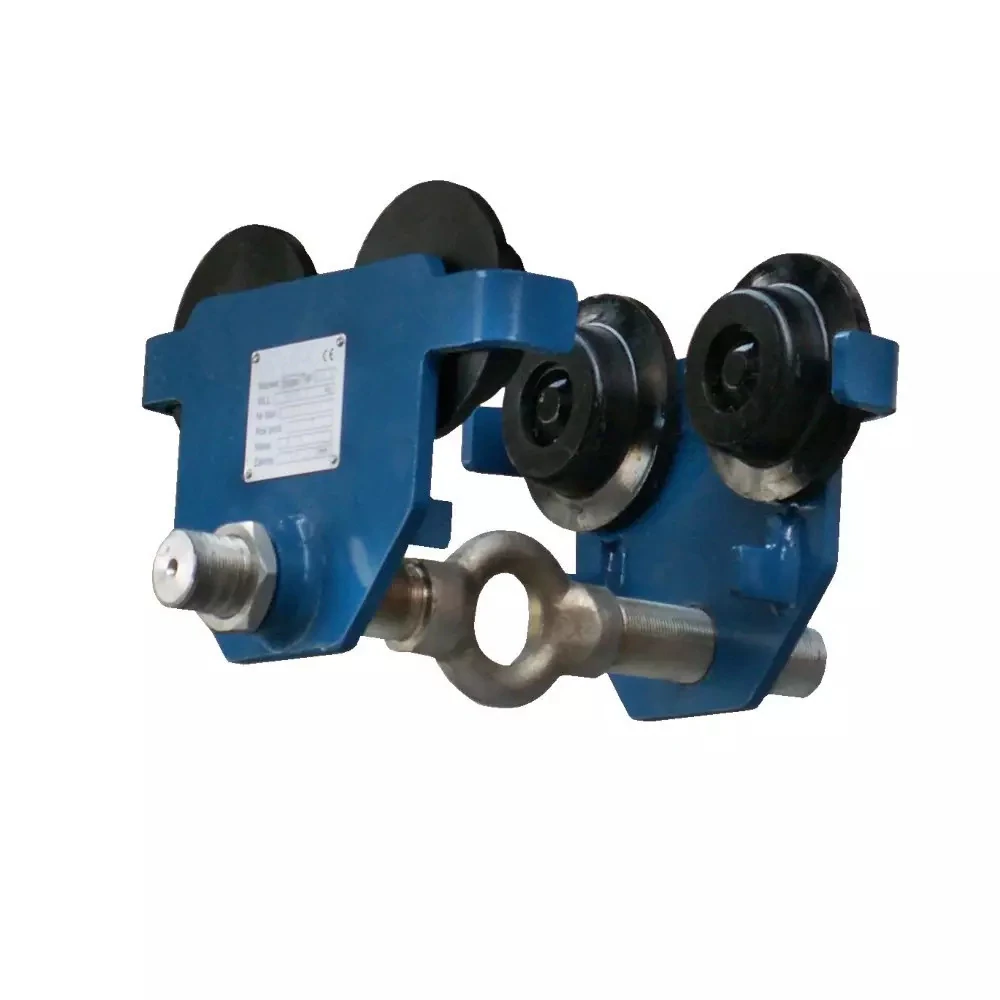
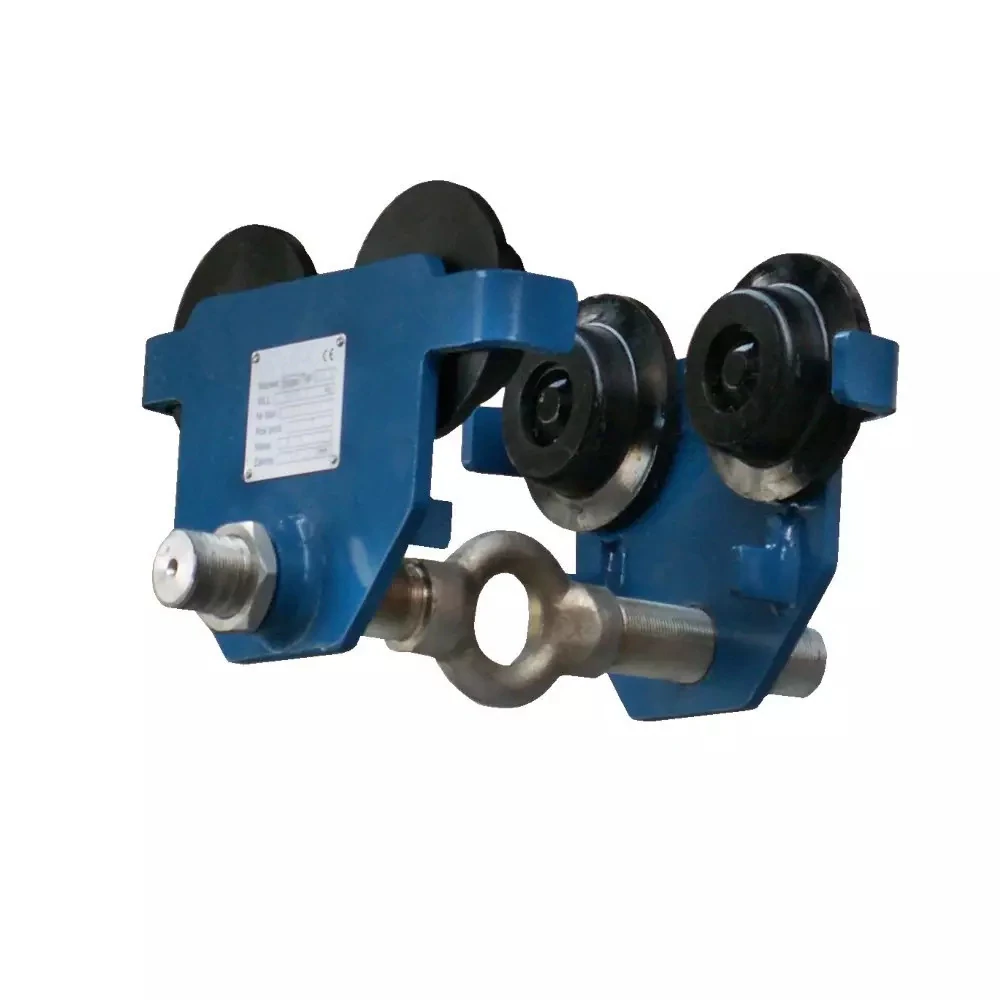
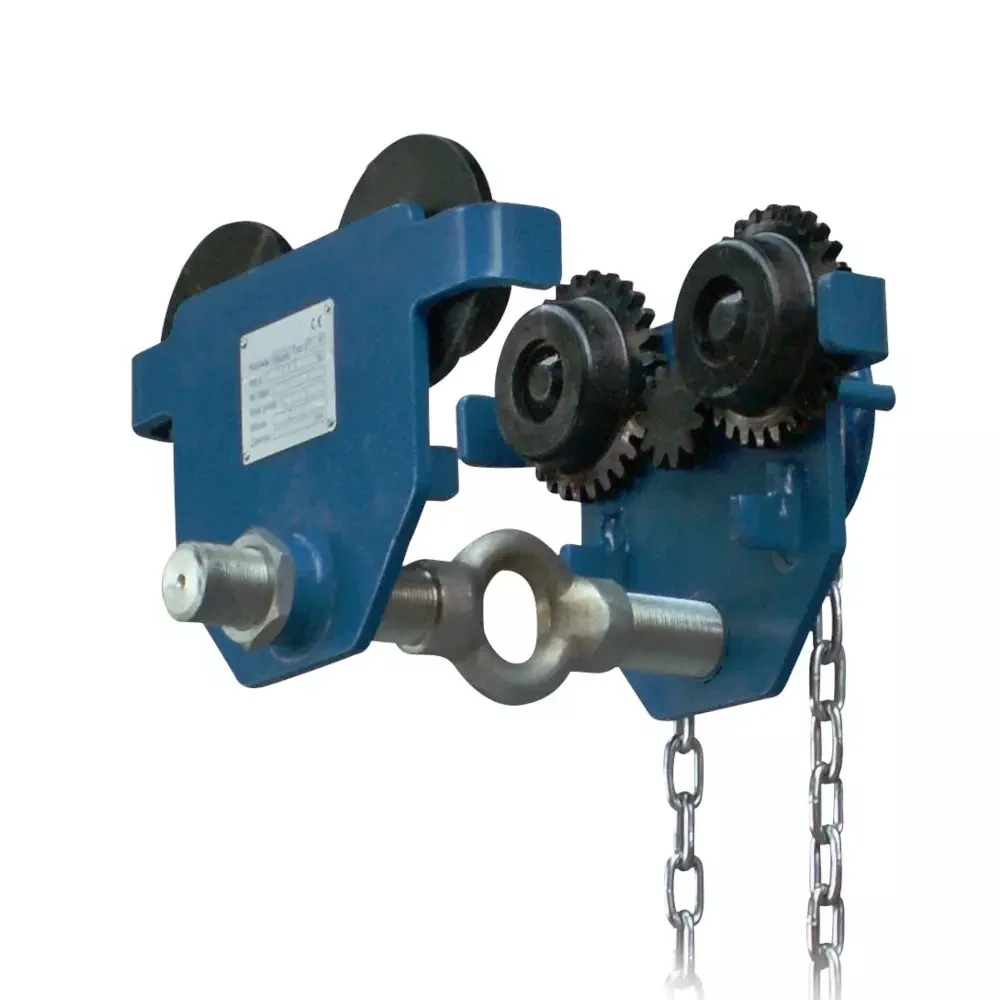
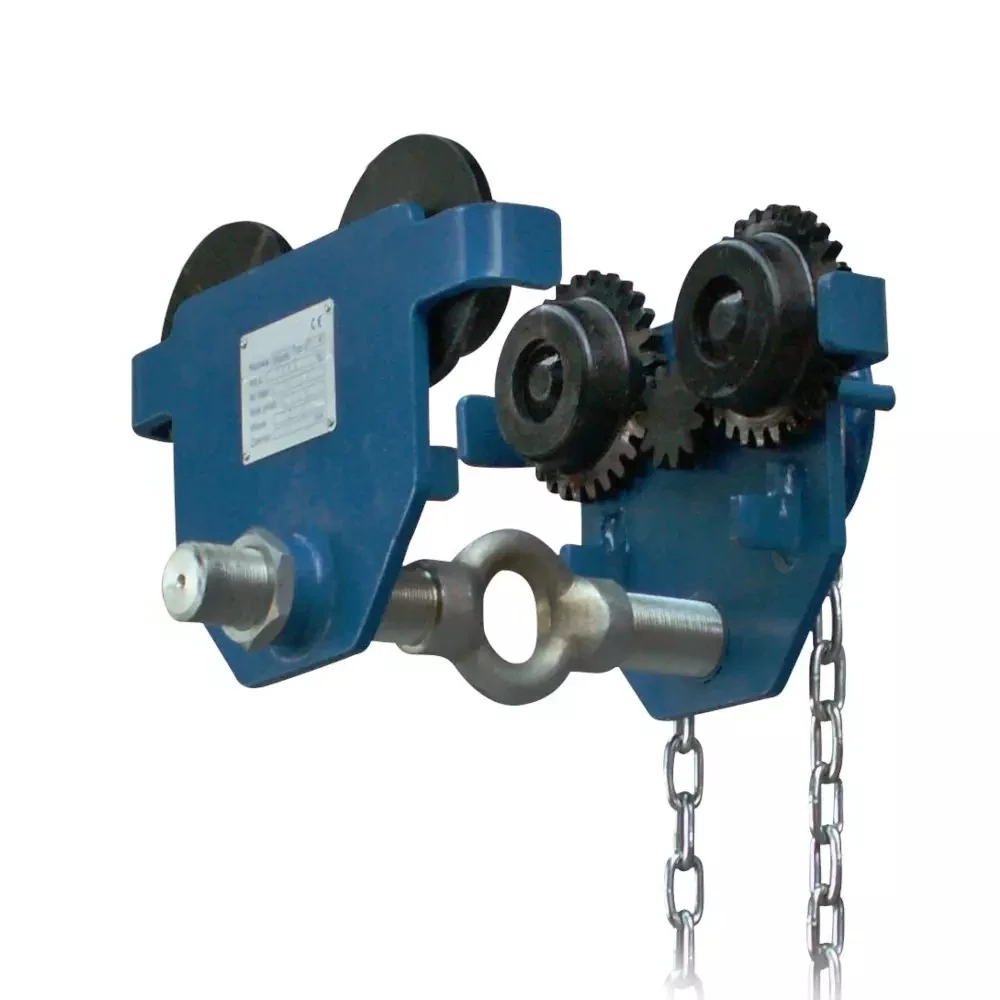
If the hoist also needs to travel horizontally along a beam, simply add a manual (push) or motorised trolley when configuring your hoist — trolley options are built directly into the configurator on each product page. Not sure which configuration fits your application? Contact us with the load, lifting height and duty details and we will spec it for you.
Frequently asked questions
What load capacities do electric chain hoists cover?
The GIS GP series covers 100 kg to 6300 kg. Higher capacities are reached by multi-fall reeving (2/1 or 4/1) of the same hoist body, which lowers the lifting speed proportionally. For loads above 6300 kg, wire rope hoists are usually the better fit — contact us and we will recommend a solution.
Should I choose one or two lifting speeds?
Single-speed hoists are fine for simple up/down lifting. Two-speed models add a slow creep speed (typically 1/4 of the main speed) for precise positioning, which pays off when placing loads onto machines, fixtures or vehicles. For completely stepless control, choose the GPFU version with a frequency inverter.
What power supply does an electric chain hoist need?
Standard hoists run on 400 V three-phase supply with a 42 V low-voltage control circuit for operator safety. Smaller portable models such as the GPH Handy are available for 230 V single-phase sockets. Always check the motor rating against your site supply before ordering.
Can a chain hoist travel along a beam?
Yes. Any hoist in this range can be combined with a manual push trolley or a motorised trolley matched to your beam profile. Select the trolley option directly in the configurator on the product page and it is supplied as one ready-to-run unit.
Which hoist is suitable for corrosive or outdoor environments?
The GPR corrosion-resistant series (125–1250 kg) uses protected components and coatings for galvanizing plants, food processing, water treatment and outdoor duty. For potentially explosive atmospheres (gas or dust zones), the GP ATEX explosion-proof series is certified for use in the relevant ATEX zones.
How quickly can you deliver, and do you offer commissioning support?
Because of the large number of variants and options, every hoist is built to order. The average production time is 4–5 weeks; in periods of high demand and during holiday seasons it can extend by 1–2 weeks. Request a quote on the product page and we will confirm the current lead time, delivery cost and available commissioning support for your location.